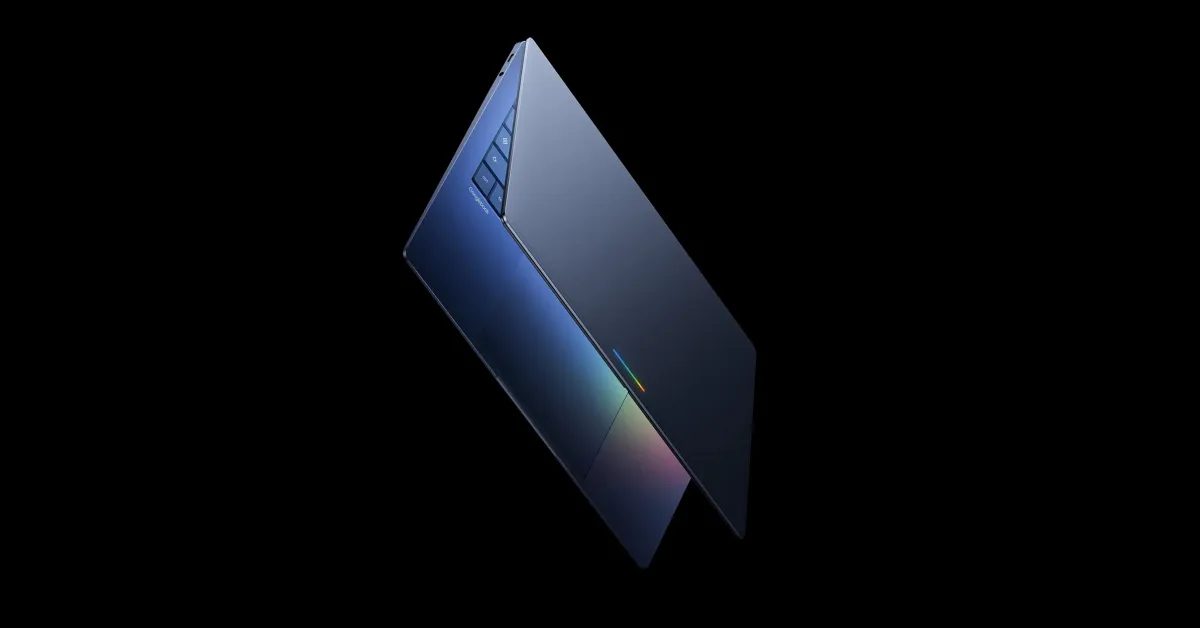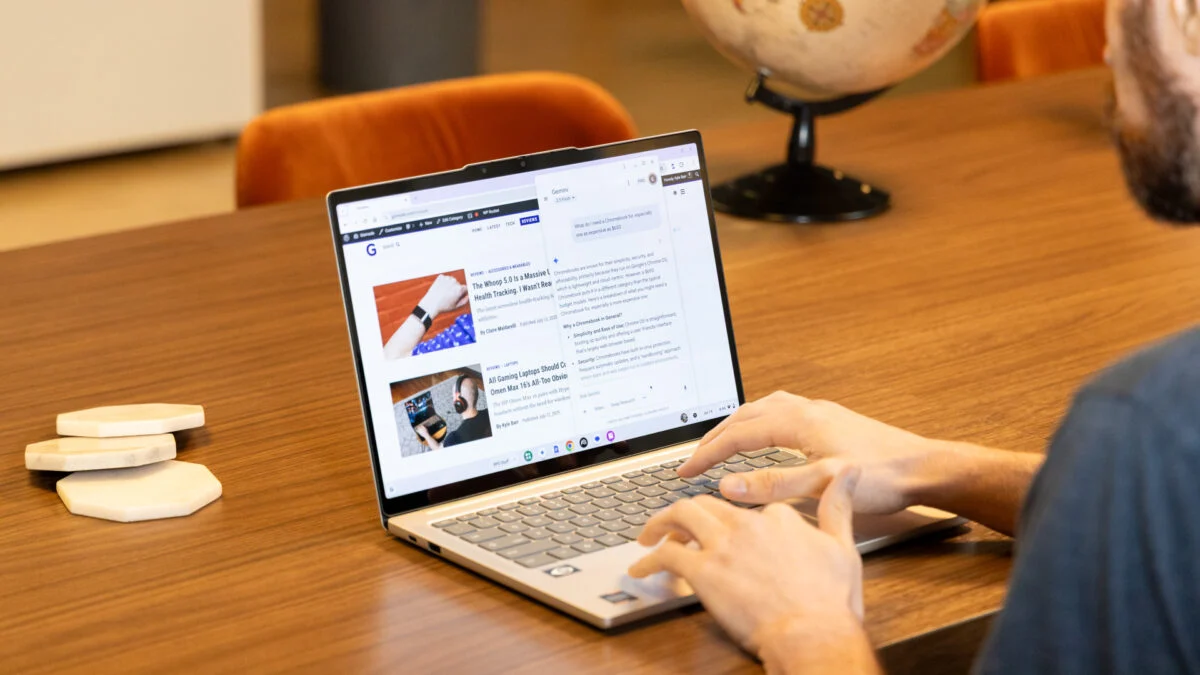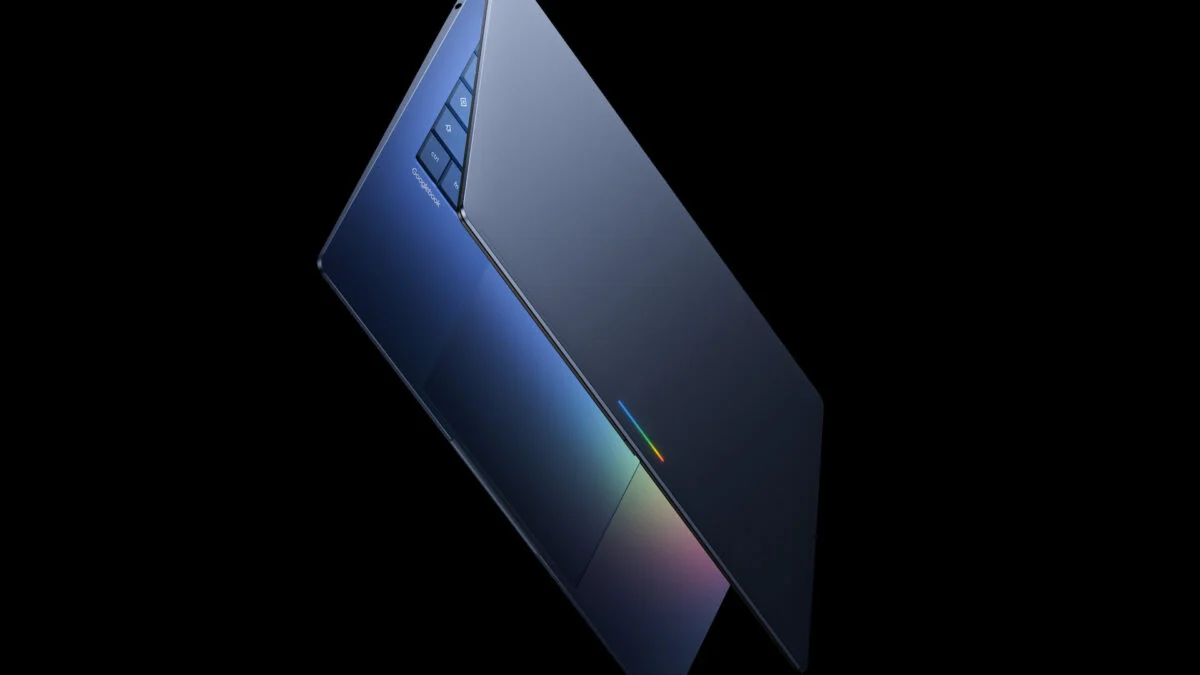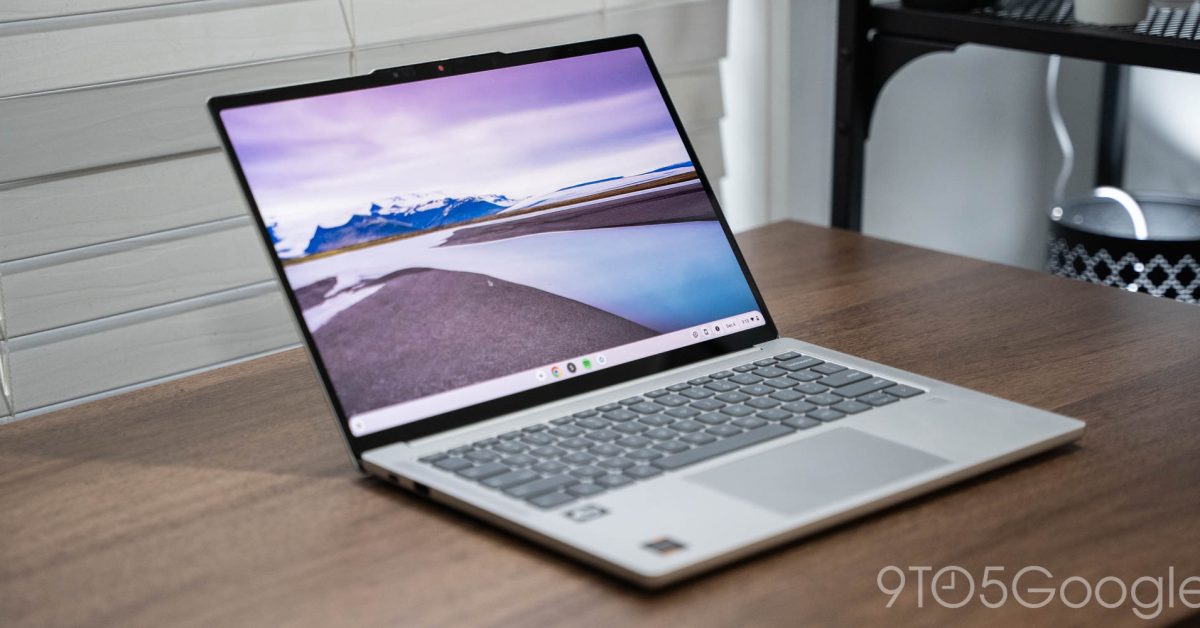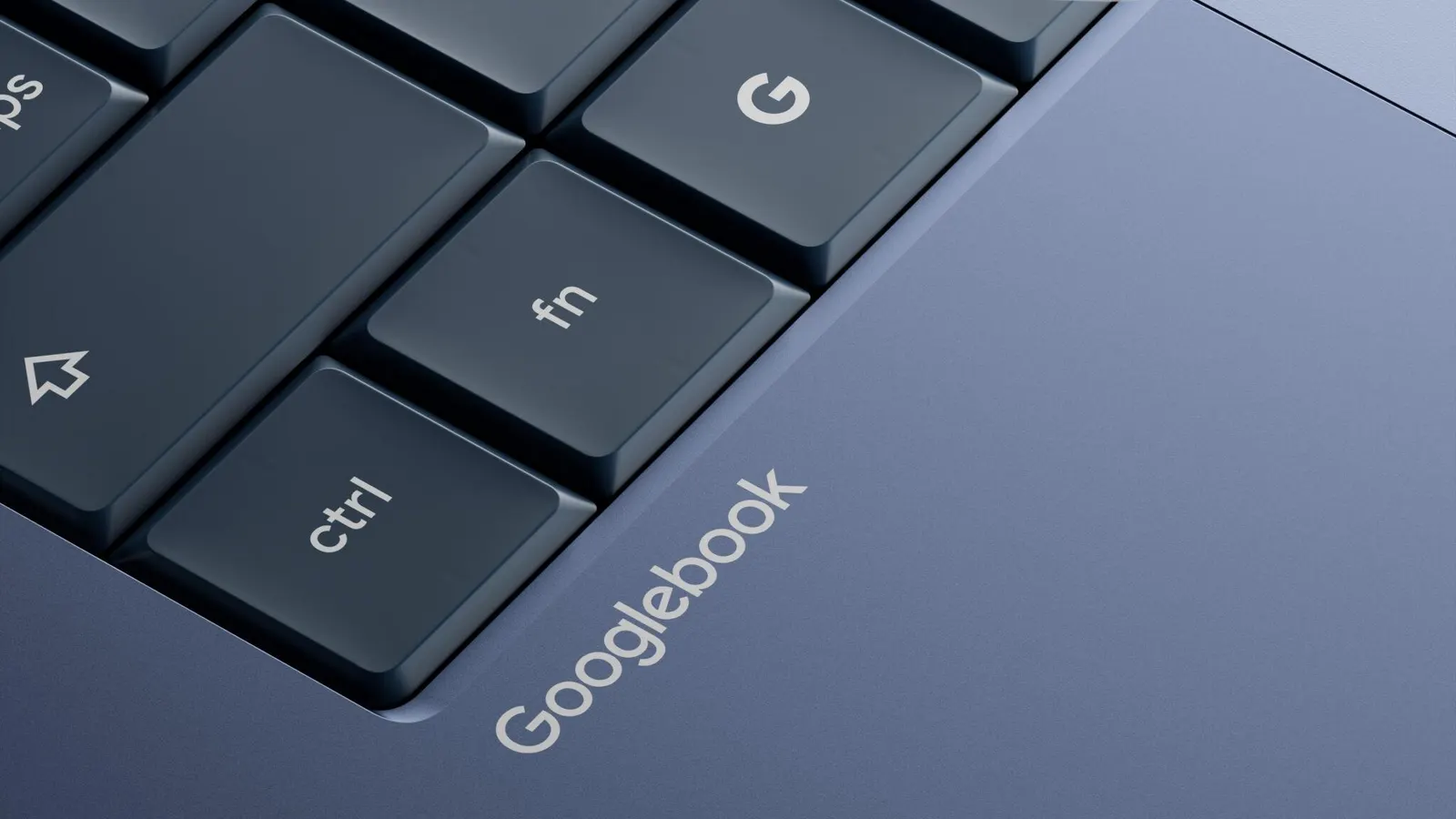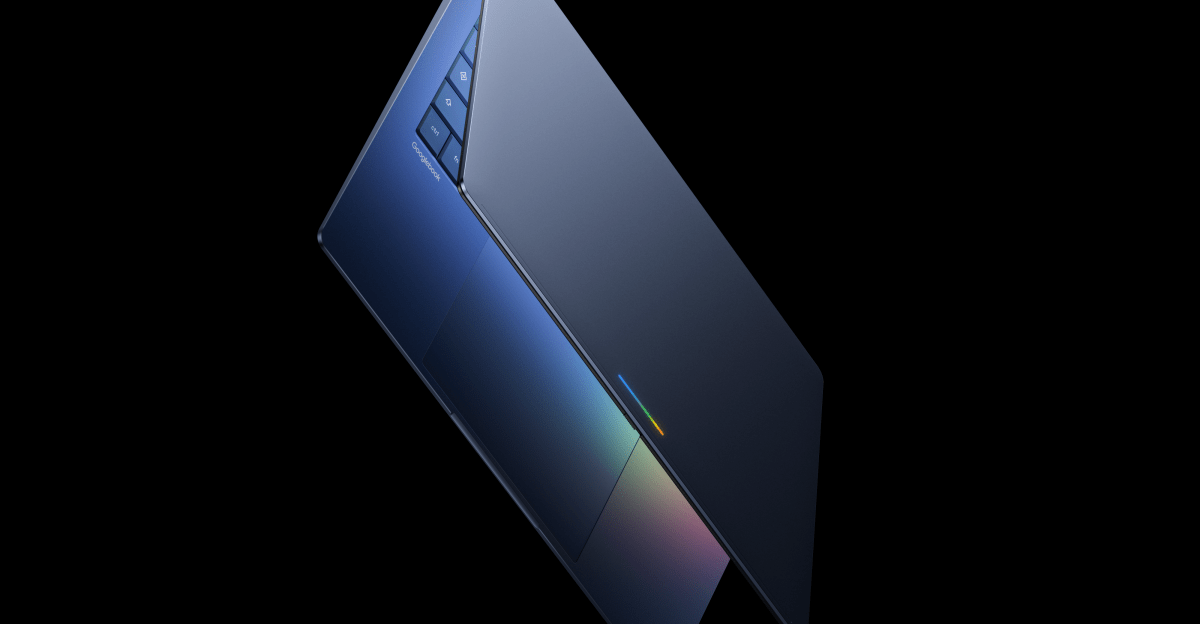
The I/O 2026 keynote came and went, and Google still has given us few reasons to care about Googlebooks beyond a mouse cursor stuffed with AI. The few inklings we managed to squeeze from this drought of news indicate these upcoming laptops are only one part of a larger strategy for Android devices.
Logically, Googlebooks should offer a leap in capabilities beyond existing Chromebooks running on ChromeOS. If you glanced at the Android developer blog too quickly, you would have missed a very brief mention of Googlebooks and the supposed evolution of Android on desktop. Google has not yet revealed the exact name or functionality of its new operating system, but one blog post called it the “next generation of ChromeOS.” Google has yet to confirm what the next-gen Android-based operating system is officially called. What’s clear from the blog is that Google wants developers to design their apps for big-screen devices, not just phones. This “laptop class feel” from Android apps would require a completely different mindset and UI than what many Android developers are used to. It’s not just the size of the app window. App UI needs to be completely redesigned for various sizes of resolution with support for keyboard and mouse controls. Google has an entire guide dedicated to designing for desktop experiences. It reads like a crash course in notebook app fundamentals, such as the basic concept of multitasking with multiple applications side by side. There’s a new “Desktop Emulator” as part of the Canary build of Android Studio for devs to tweak their apps so mobile apps become a “premium desktop class experience.”