Depreciation is the silent cost of owning a new car. The sticker price is what buyers focus on, but the rate at which a vehicle loses value after purchase determines the actual long-term cost of ownership, unlike fuel economy and insurance rates. A car that depreciates quickly costs more to own than its sticker price suggests, because the gap between what you paid and what you could sell it for widens faster than it would with a vehicle that holds its value better. For the buyer who plans to trade in or sell within a few years, the depreciation rate is as important a financial metric as the purchase price itself.
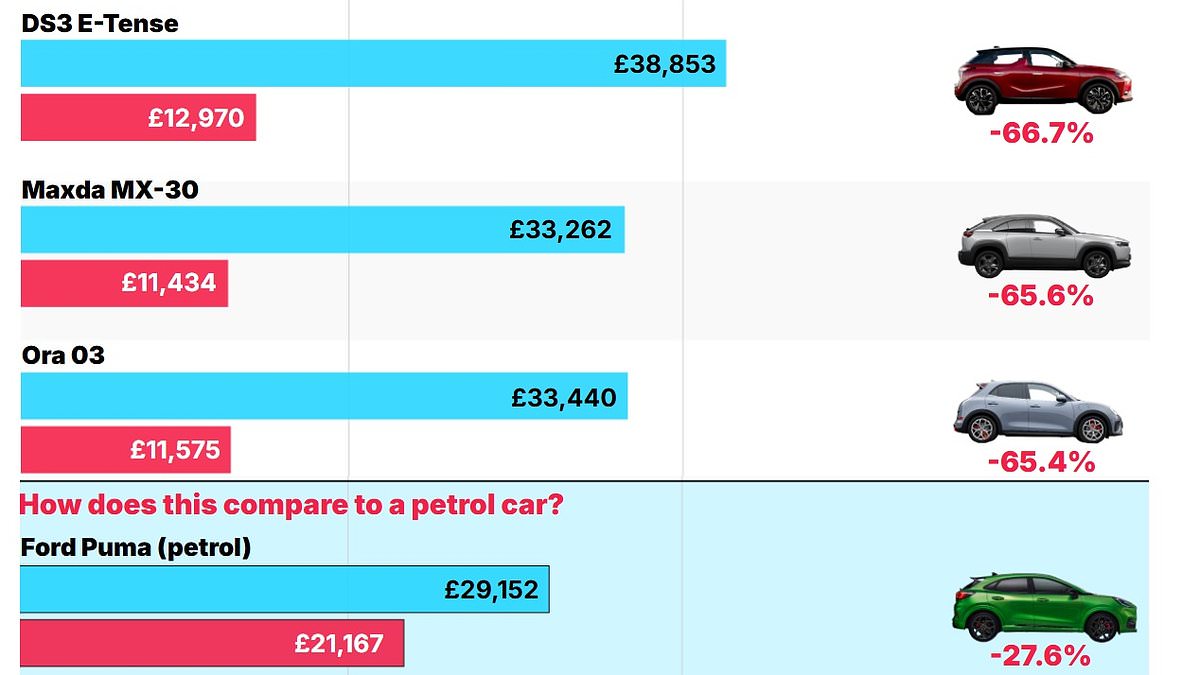
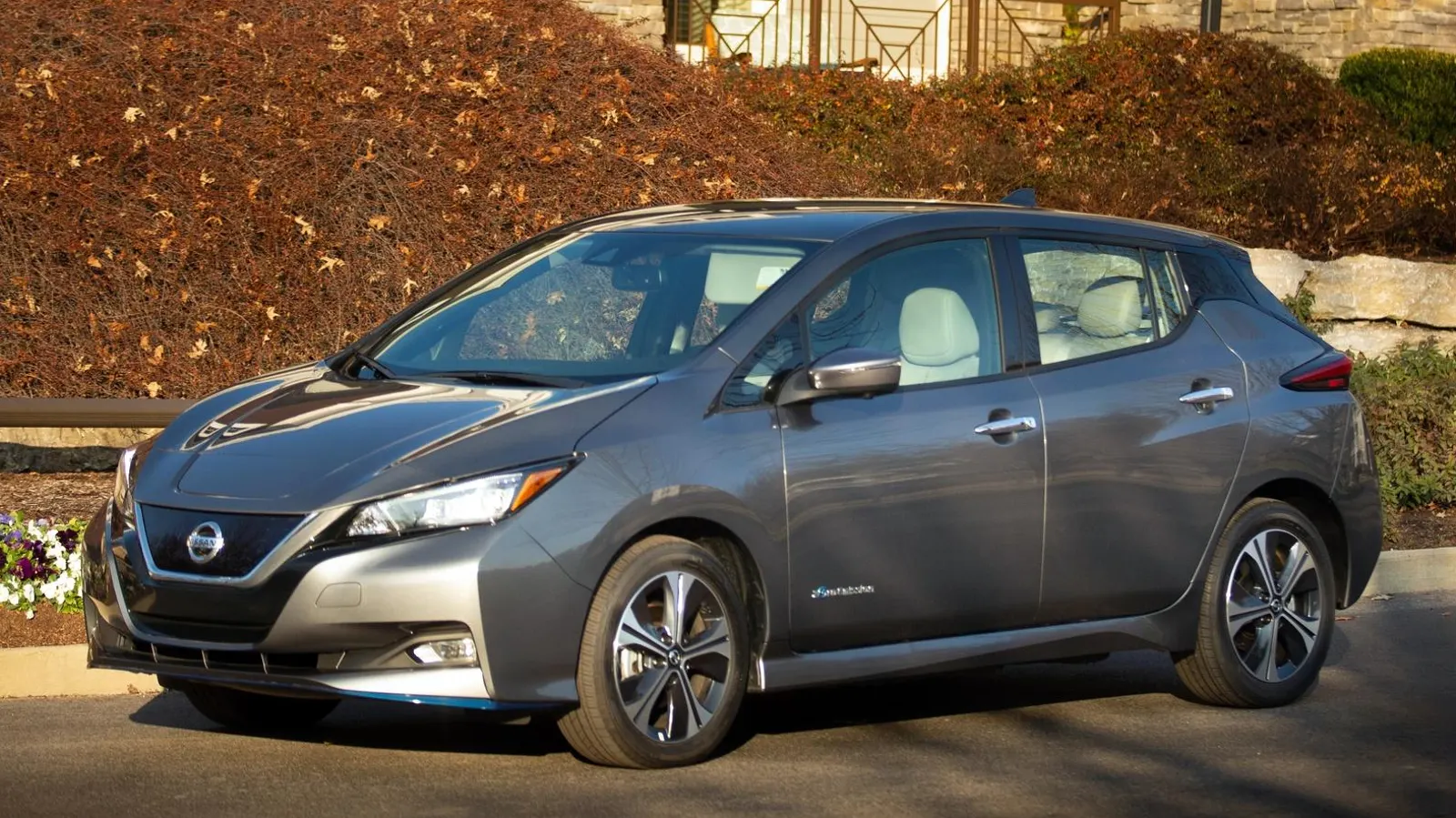
The pattern of which vehicles depreciate fastest reflects some consistent structural factors. Luxury vehicles depreciate more quickly than mainstream ones because their high initial prices result in greater absolute dollar losses, even when the percentage decline is comparable. Electric vehicles have shown accelerated depreciation in recent years, partly because the technology advances so quickly that a three-year-old EV may lack features and range that current models offer. Vehicles with high initial prices, tied to limited production or a startup brand, carry an additional risk premium that buyers discount steeply as the initial novelty fades.