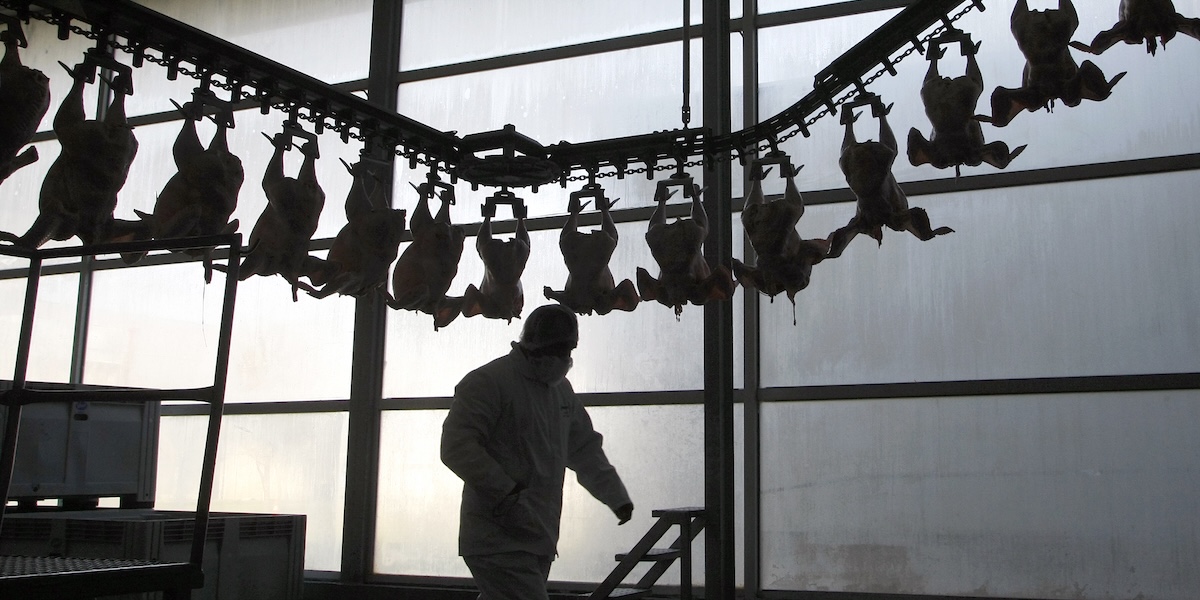
It is a common call for consumers to demand improved conditions on factory farms and in slaughterhouses—as it should be. But May invites us not to speak about animals, but another stigmatized issue that deserves attention and care. Mental Health Awareness Month allows us to openly discuss the emotional wellbeing of a group who touches countless lives but remains largely invisible: the factory farm and slaughterhouse workers whose daily labor quietly sustains the nation’s food supply.
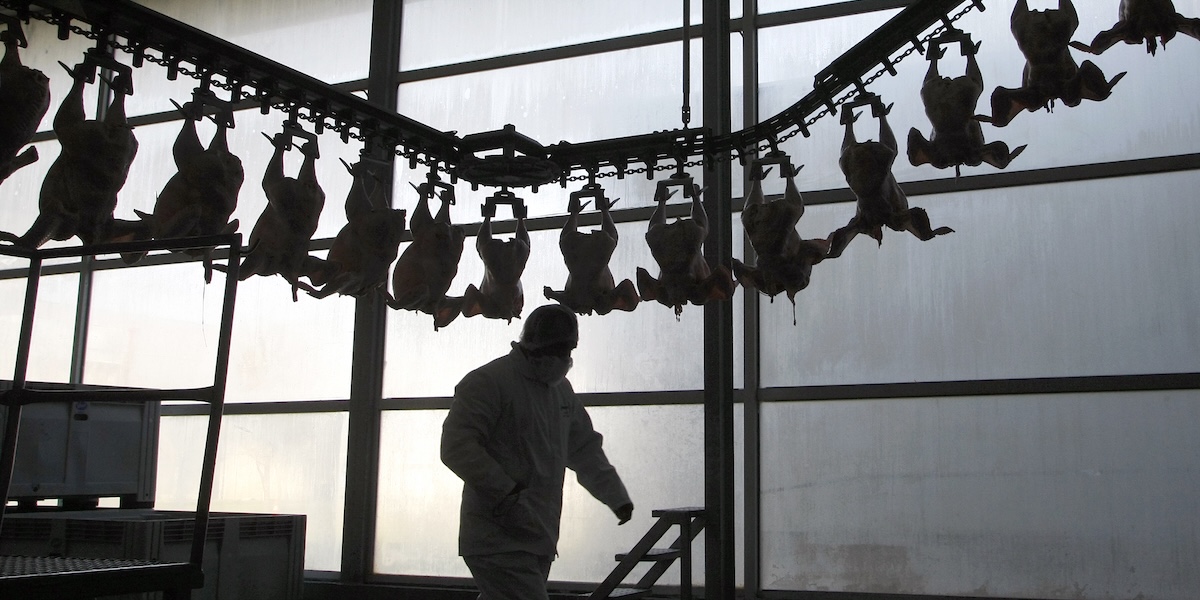
These workers are the backbone of the standard American diet. The meat that appears neatly packaged in grocery stores or served in restaurants does not arrive there by accident—it passes through the hands of people working long, grueling hours in industrial farming and processing facilities. Their work is physically dangerous, but it is the psychological toll that is most often ignored.
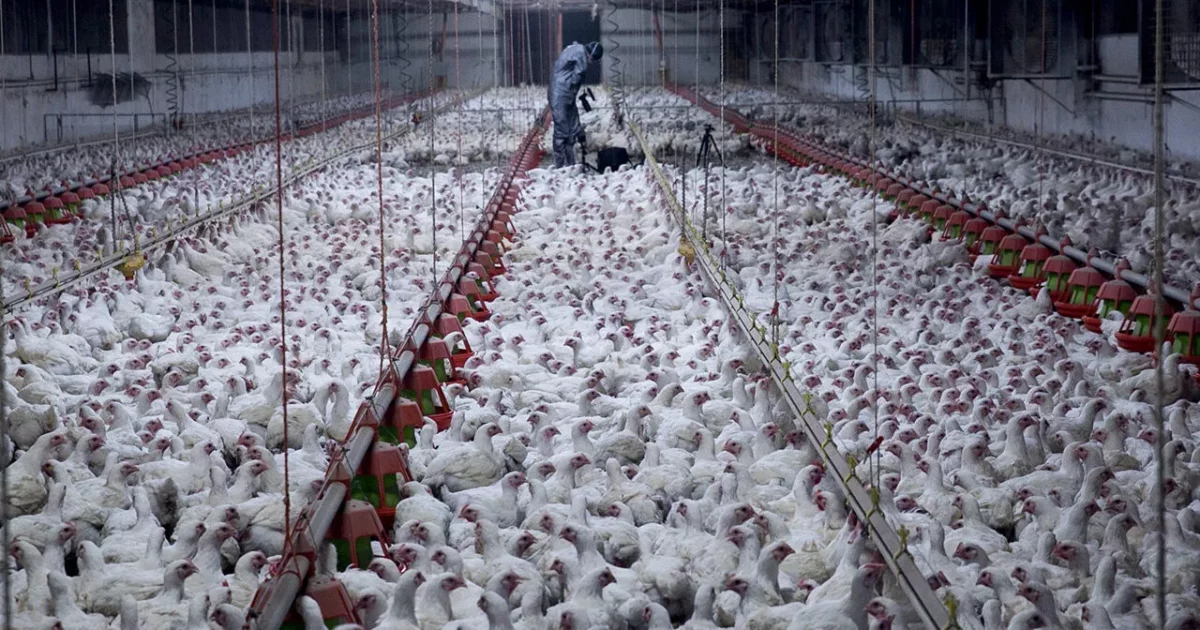
On any given day, a single worker may be responsible for handling hundreds, even thousands, of animals. The pace is relentless, driven by production quotas and efficiency demands. There is little time to pause, reflect, or recover. Workers are expected to perform repetitive, often violent tasks in environments where suffering—both animal and human—is normalized. Over time, this exposure can profoundly shape a person’s mental state. It is unconscionable that the Trump Administration has proposed dangerous new rules to increase slaughter speeds.