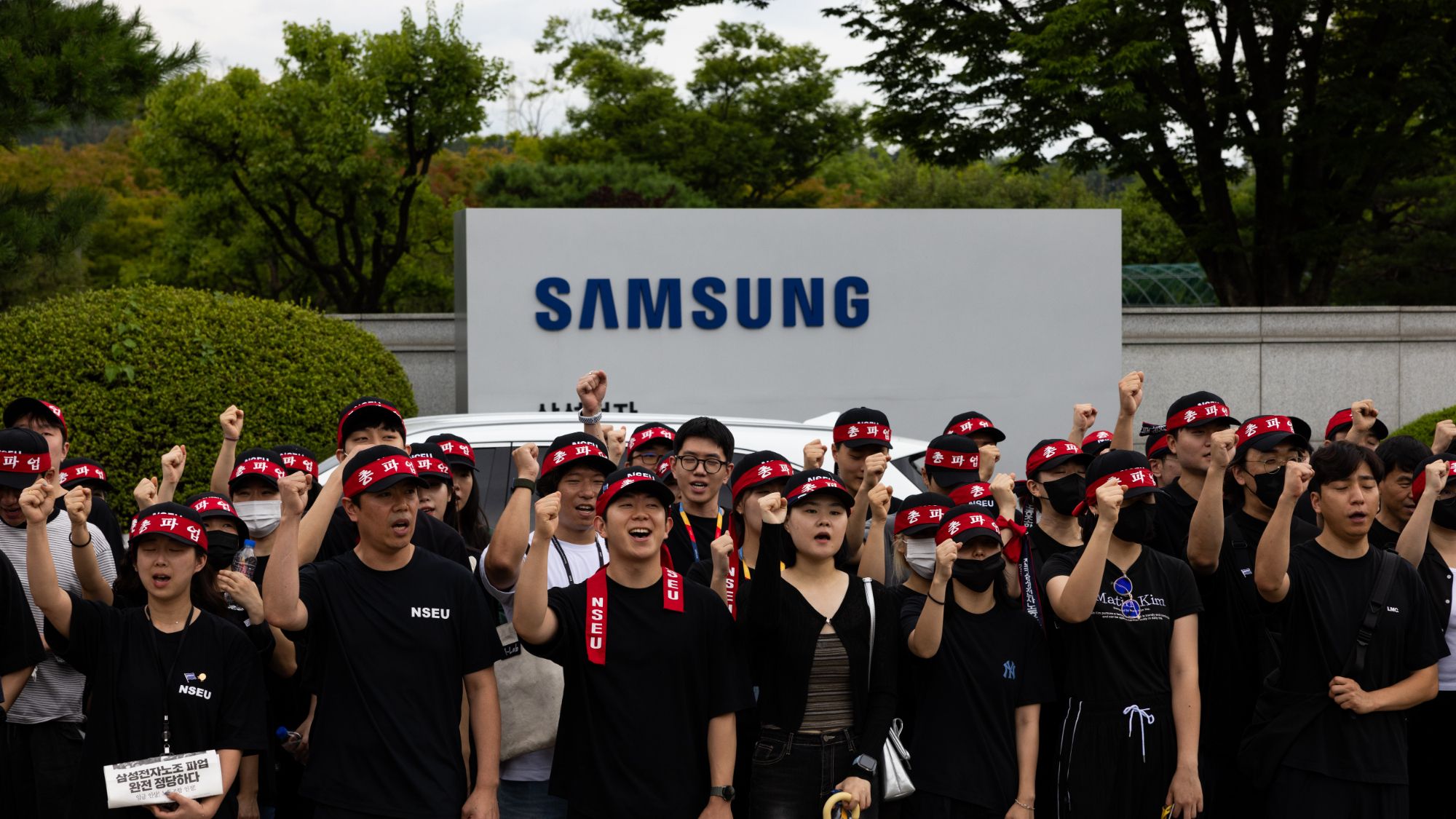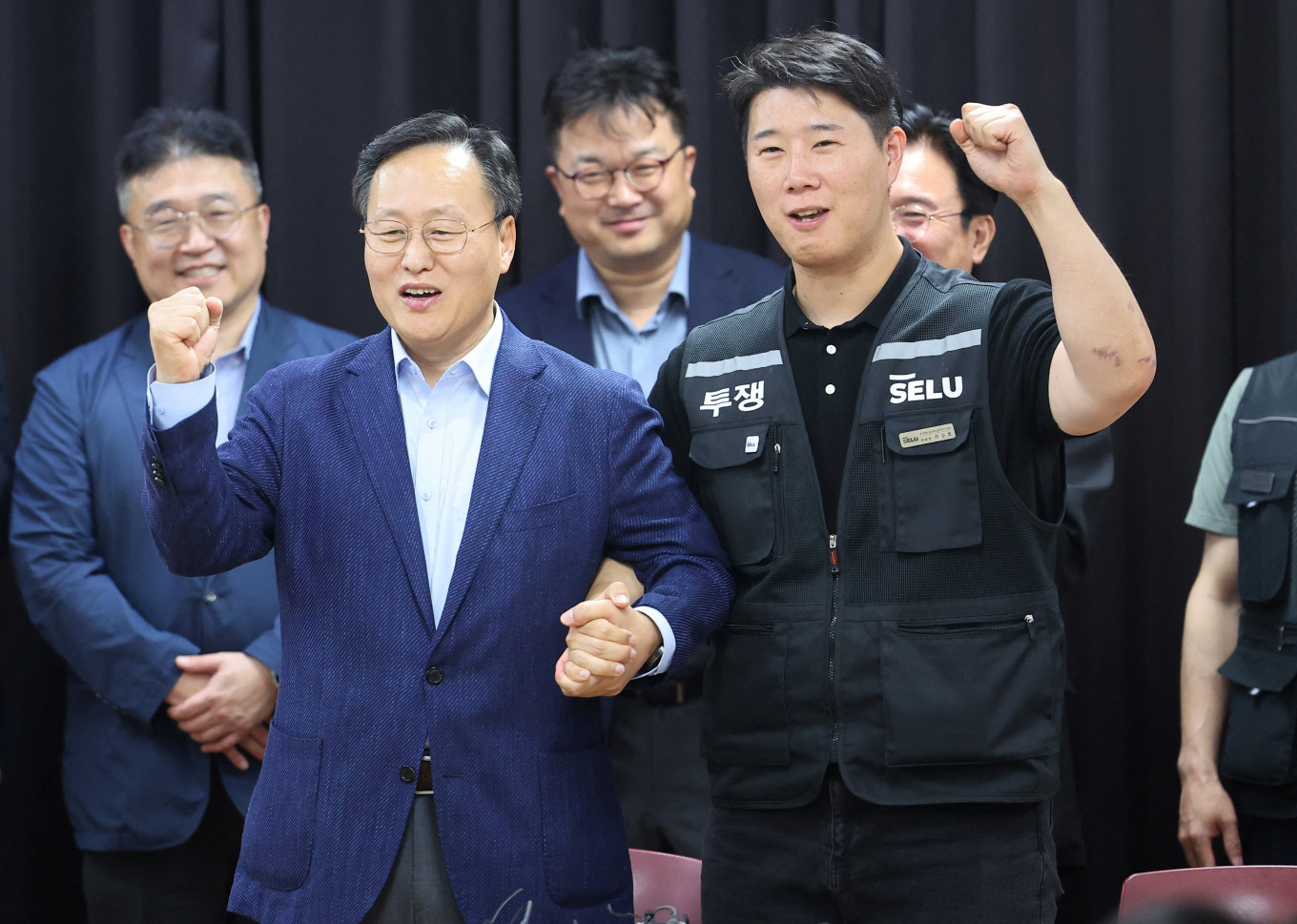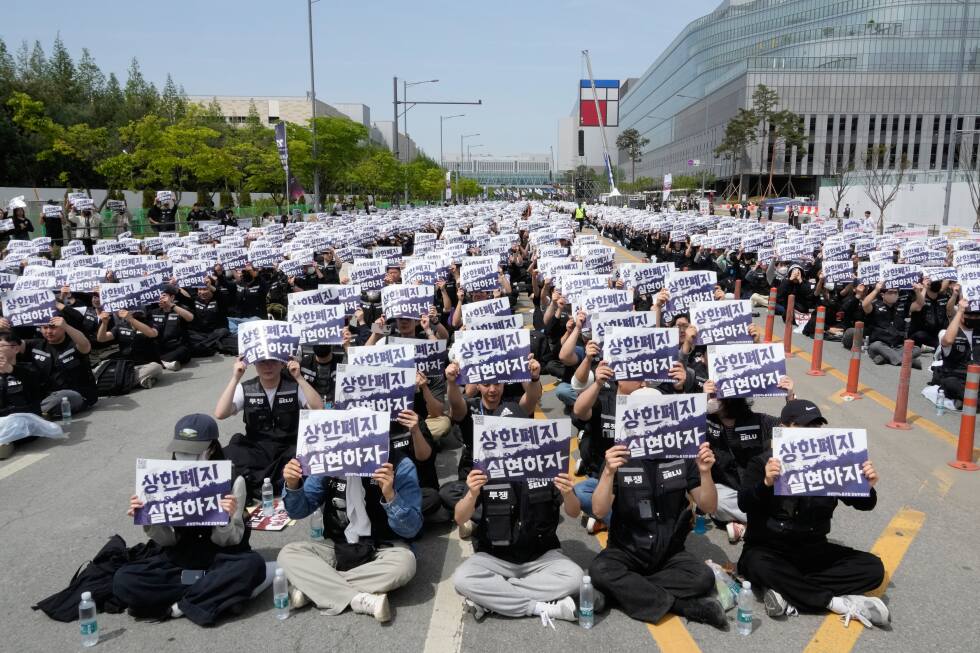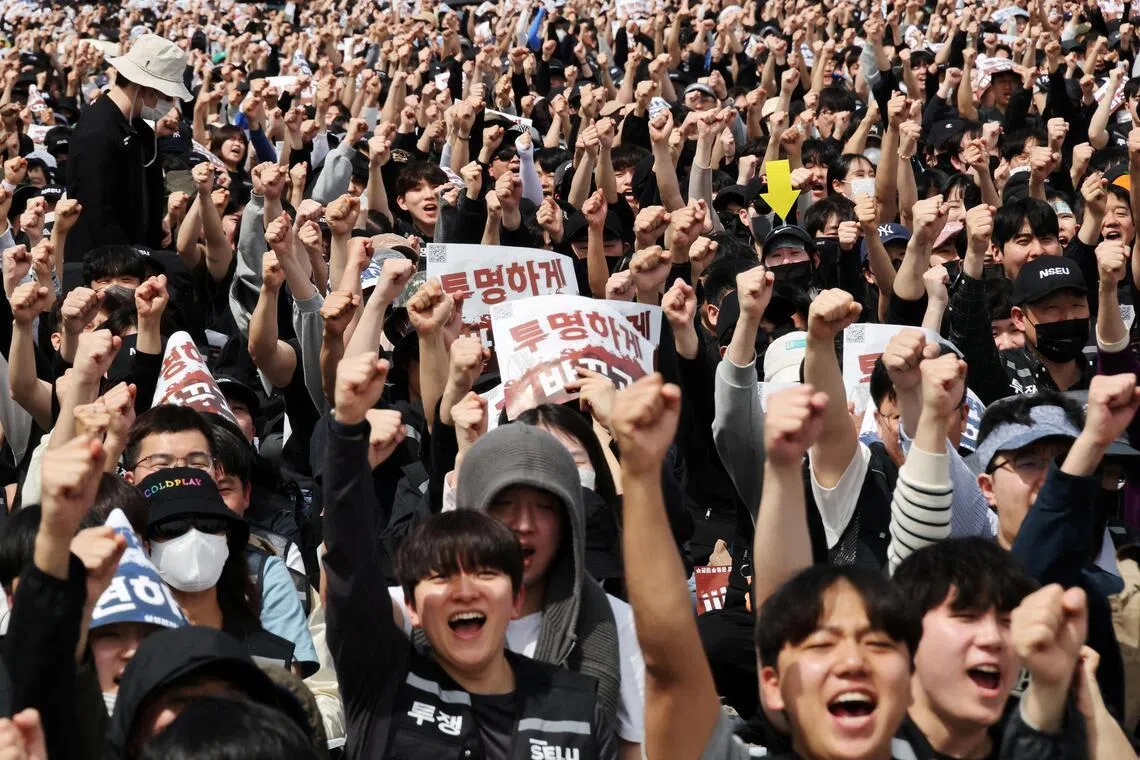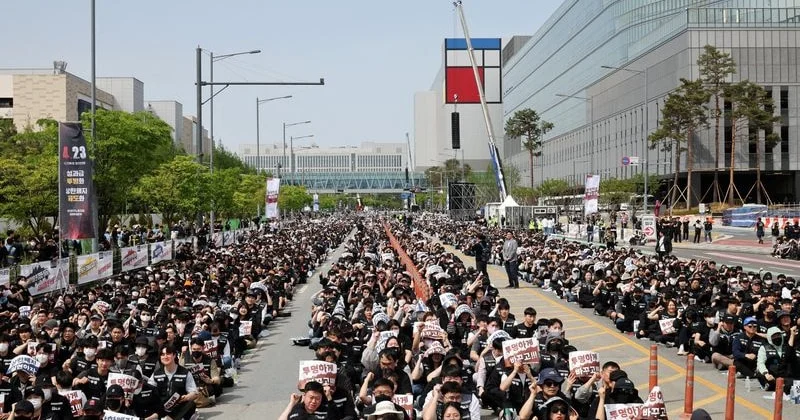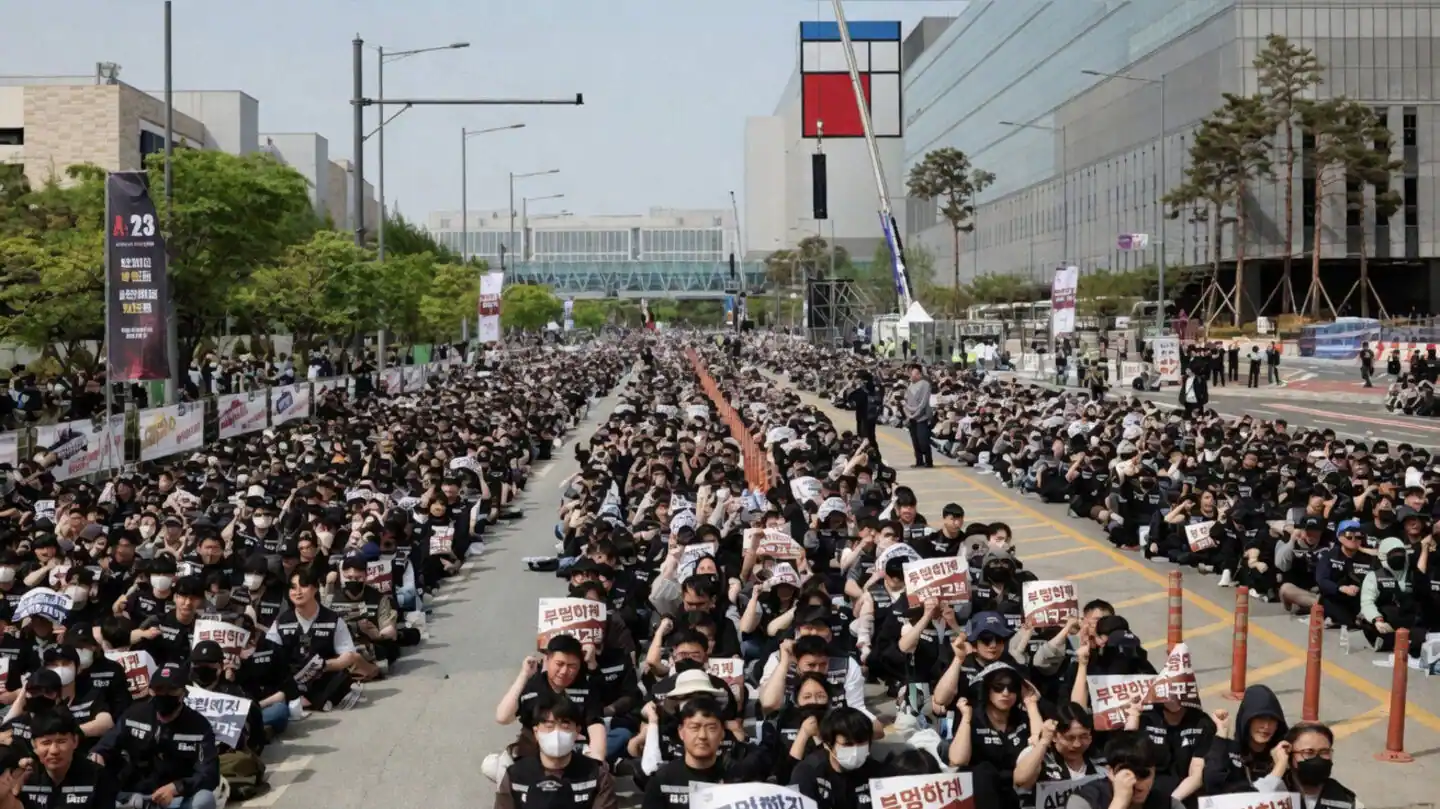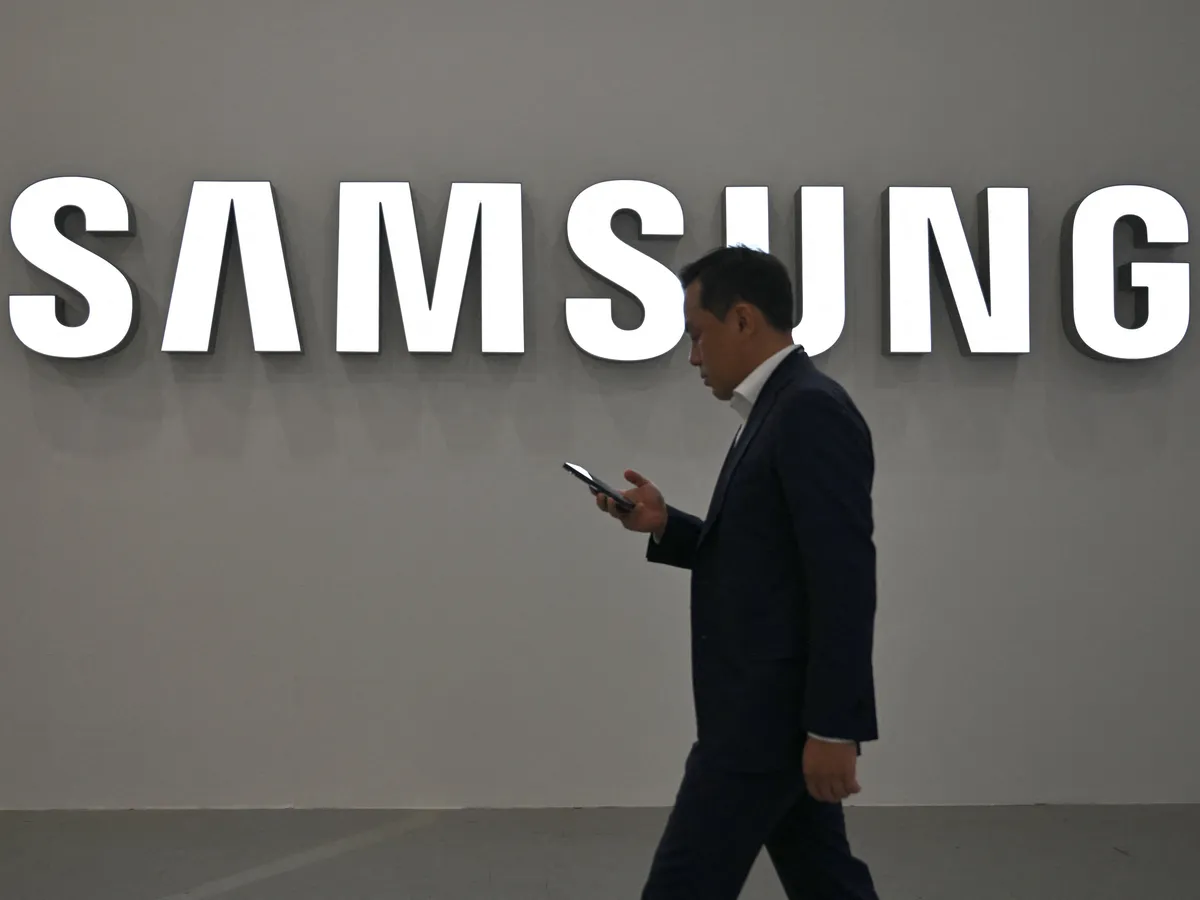
Skip to Content News Archives Economy Energy Oil & Gas Renewables Electric Vehicles Mining Commodities Agriculture Real Estate Mortgages Mortgage Rates Finance Banking Insurance Fintech Cryptocurrency Work Wealth Smart Money Wealth Management Investor Personal Finance Family Finance Retirement Taxes High Net Worth FP Comment Executive Women Puzzmo Newsletters Financial Times Business Essentials More Innovation Information Technology FP500 Podcasts Small Business Lives Told Tails Told Shopping Financial Post Store Obituaries Place a Notice Advertising Advertising With Us Advertising Solutions Postmedia Ad Manager Sponsorship Requests Classifieds Place a Classifieds ad Working Profile Settings My Subscriptions Saved Articles My Offers Newsletters Customer Service FAQ News Economy Energy Mining Real Estate Finance Work Wealth Investor FP Comment Executive Women Puzzmo Newsletters Financial Times Business Essentials HomeInformation TechnologyWorkSamsung reaches 11th-hour deal with union to avoid chip strikeThe truce averts what could have been a damaging strike for Samsung and the tech industryAuthor of the article:Last updated 7 minutes ago You can save this article by registering for free here. Or sign-in if you have an account.The Korean giant is the world’s biggest supplier of the memory chips that go into everything from smartphones to the data centre servers that power AI services. Photo by Jung Yeon-je/AFP via Getty ImagesIn a last-minute reversal, Samsung Electronics Co. reached a tentative deal with its labour union, averting a potentially crippling strike that had been scheduled to start Thursday at the world’s largest memory chipmaker.Subscribe now to read the latest news in your city and across Canada.Exclusive articles from Barbara Shecter, Joe O'Connor, Gabriel Friedman, and others.Daily content from Financial Times, the world's leading global business publication.Unlimited online access to read articles from Financial Post, National Post and 15 news sites across Canada with one account.National Post ePaper, an electronic replica of the print edition to view on any device, share and comment on.Daily puzzles, including the New York Times Crossword.Subscribe now to read the latest news in your city and across Canada.Exclusive articles from Barbara Shecter, Joe O'Connor, Gabriel Friedman and others.Daily content from Financial Times, the world's leading global business publication.Unlimited online access to read articles from Financial Post, National Post and 15 news sites across Canada with one account.National Post ePaper, an electronic replica of the print edition to view on any device, share and comment on.Daily puzzles, including the New York Times Crossword.Create an account or sign in to continue with your reading experience.Access articles from across Canada with one account.Share your thoughts and join the conversation in the comments.Enjoy additional articles per month.Get email updates from your favourite authors.Create an account or sign in to continue with your reading experience.Access articles from across Canada with one accountShare your thoughts and join the conversation in the commentsEnjoy additional articles per monthGet email updates from your favourite authorsSign In or Create an AccountorThe South Korean company said in a statement late Wednesday that “labour and management have reached a tentative agreement on wages and the collective bargaining agreement.” The company’s union also released a statement confirming suspension of plans for a strike that had been planned for May 21 to June 7.The news follows days of back-and-forth brinkmanship and high-pressure negotiations. On Wednesday morning, labour leader Choi Seung-ho said the work stoppage would go ahead on Thursday after Samsung’s management rejected a proposal from government mediators that the union had accepted.FP Work touches on HR strategy, labour economics, office culture, technology and more.By signing up you consent to receive the above newsletter from Postmedia Network Inc.A welcome email is on its way. If you don't see it, please check your junk folder.The next issue of Work will soon be in your inbox.We encountered an issue signing you up. Please try againKorea’s government — deeply invested in the outcome because of Samsung’s importance to the country’s economy — made one last appeal as Labour Minister Kim Young-hoon called the two sides together for evening talks. About 90 minutes before midnight local time, the parties reached a tentative deal.Samsung’s union told members they will be able to vote on the proposed 2026 wage agreement from 9 a.m. on May 23 to 10 a.m. on May 28. They did not release details of the tenative agreement.The truce averts what could have been a damaging strike for Samsung and the tech industry. The Korean giant is the world’s biggest supplier of the memory chips that go into everything from smartphones and electric vehicles to the AI data centre servers that power services like ChatGPT and Claude. Shortages in the memory chip sector have already driven prices sharply higher in recent months, and disruptions at Samsung could have exacerbated the squeeze.The strains between management and labour showcased simmering tensions across the country as workers push for a greater share of the profits that companies like Samsung and SK Hynix Inc. are deriving from a global AI infrastructure boom.The union had earlier demanded that Samsung scrap an existing bonus cap, allocate 15 per cent of its operating profit to worker bonuses and formalize those terms in employment contracts. Labour leaders pointed to SK Hynix, which last year agreed to allocate 10 per cent of annual operating profit to a performance bonus pool.Samsung had proposed allocating 10 per cent of operating profit to bonuses, along with a one-time special compensation package that exceeds industry standards. Company executives argued that the union’s demands would be difficult to sustain over the long term.“There are mounting concerns that any significant production disruptions or operational uncertainty at Samsung Electronics could place additional strain on the global memory semiconductor market, potentially worsening supply bottlenecks, price volatility, procurement uncertainty and broader supply chain instability,” the American Chamber of Commerce in Korea said in a statement this month.—With assistance from Daedo Kim, Eunkyung Seo and Christopher Anstey. Join the Conversation This website uses cookies to personalize your content (including ads), and allows us to analyze our traffic. Read more about cookies here. By continuing to use our site, you agree to our Terms of Use and Privacy Policy.
Samsung reaches 11th-hour deal with union to avoid chip strike
In a last-minute reversal, Samsung Electronics Co. reached a tentative deal with its labour union, averting a crippling strike. Read here
998 words~5 min read