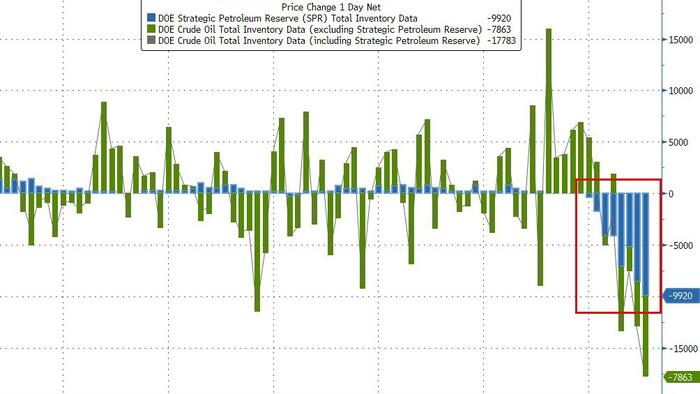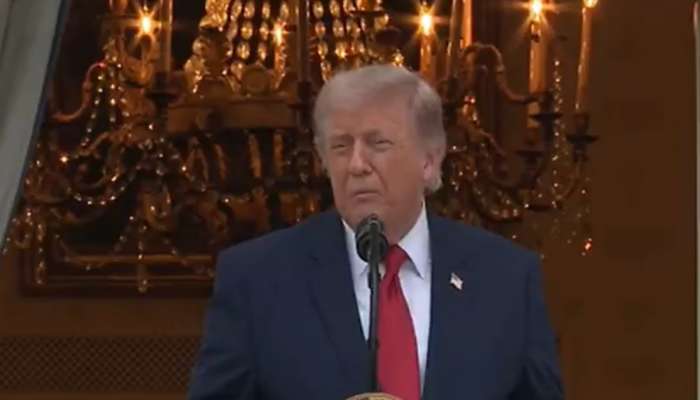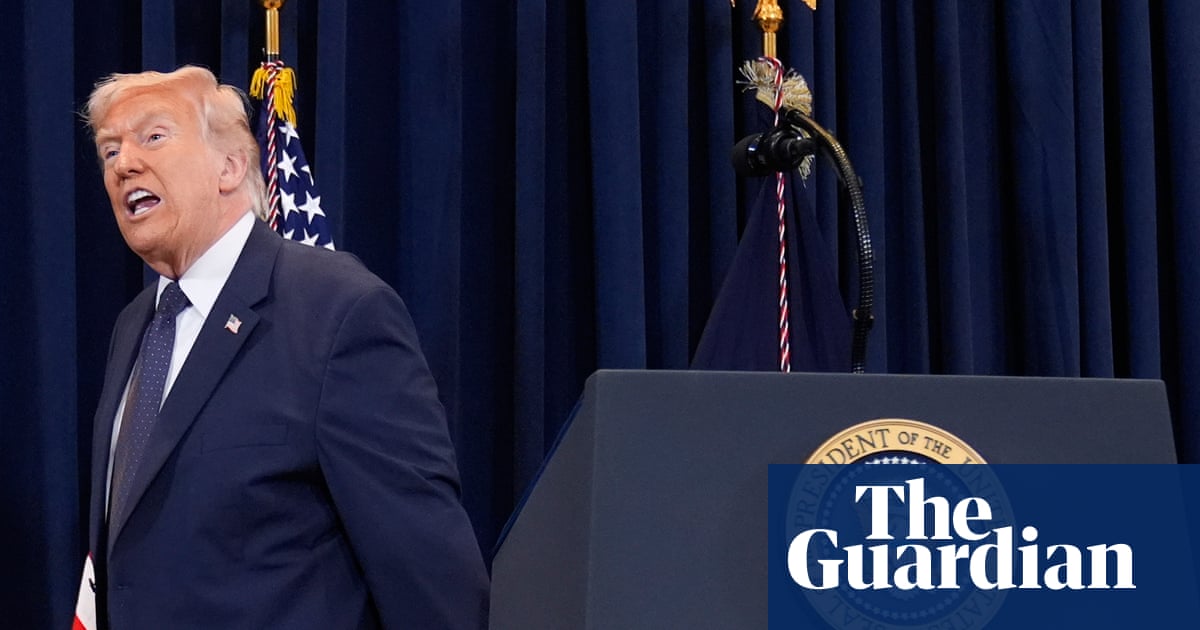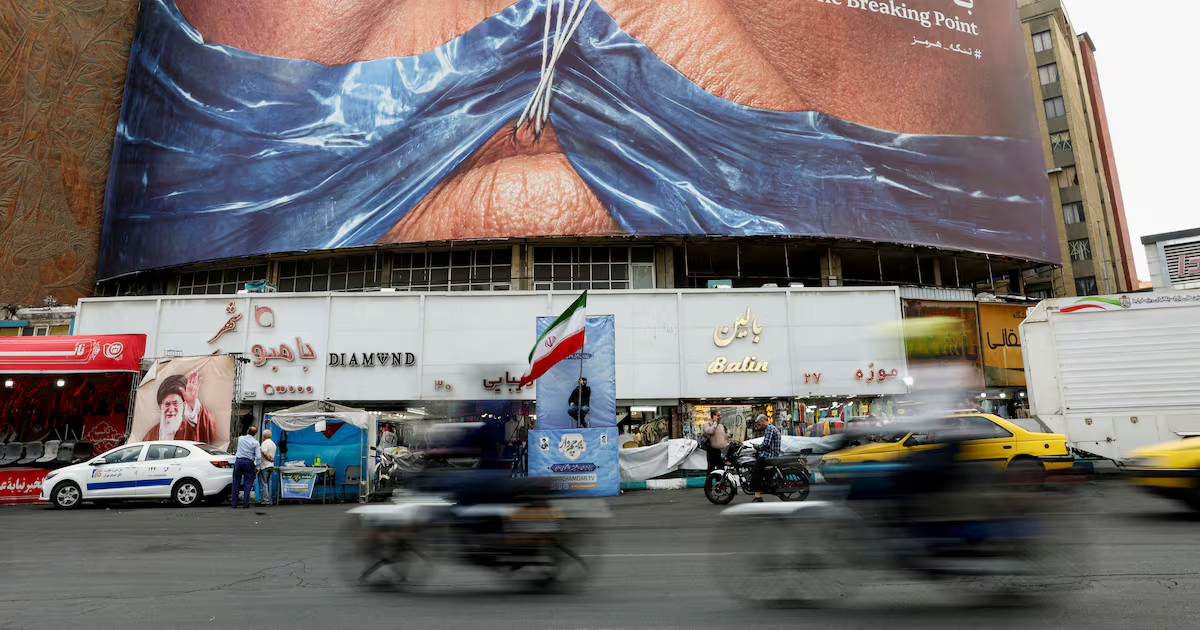
Oil prices fell about 5 per cent on Wednesday as US President Donald Trump's claimed that the Iran war would end “very quickly”.The market, however, remains sceptical about an end to the nearly three-month conflict, as Washington threatened to resume attacks if Tehran did not agree to a deal that would end hostilities.Iran, however, said that it would escalate the war “beyond the region” if the US did so, keeping supply worries high.Brent, the benchmark for two thirds of the world's oil, dropped 5.07 per cent to $105.46 a barrel at 8.07pm UAE time. West Texas Intermediate, the gauge that tracks US crude, fell 4.97 per cent to $98.97 a barrel.For the week, Brent and WTI have lost 6 per cent and 5 per cent, respectively. Both have shot up by about 50 per cent since the conflict began on February 28.Oil markets also remain under pressure from the disputed Strait of Hormuz, where shipping traffic – about a fifth of the world's oil exports passed through it before the war – remains effectively shut.That has severely disrupted oil supplies globally, plunging net energy importing countries into crises, causing prices of dwindling petroleum products to soar and pushing inflation higher.“Traffic through the Strait of Hormuz remains at a near standstill, world oil inventories continue tightening and oil prices keep rising,” said Ipek Ozkardeskaya, a senior analyst at Swissquote.“The latter fuels global inflation expectations and pushes global yields higher on rising bets that central banks may have to fight price pressures despite the worsening economic outlook.”The navy of Iran's Islamic Revolutionary Guard Corps said 26 vessels, including oil tankers, container ships and other commercial vessels, crossed the Strait of Hormuz in 24 hours under its co-ordination and security.The navy said the waterway was open to vessels that had obtained permits and co-ordinated with Iranian forces.Nato Secretary General Mark Rutte, meanwhile, said allies are unofficially talking about a role for the military alliance in the strait, as economic anxieties over the blockade increase.
Oil prices slide 5% as Trump says the Iran war will end 'very quickly' | The National
Supply worries remain high as Iran threatens to escalate the conflict 'beyond the region'
331 words~2 min read