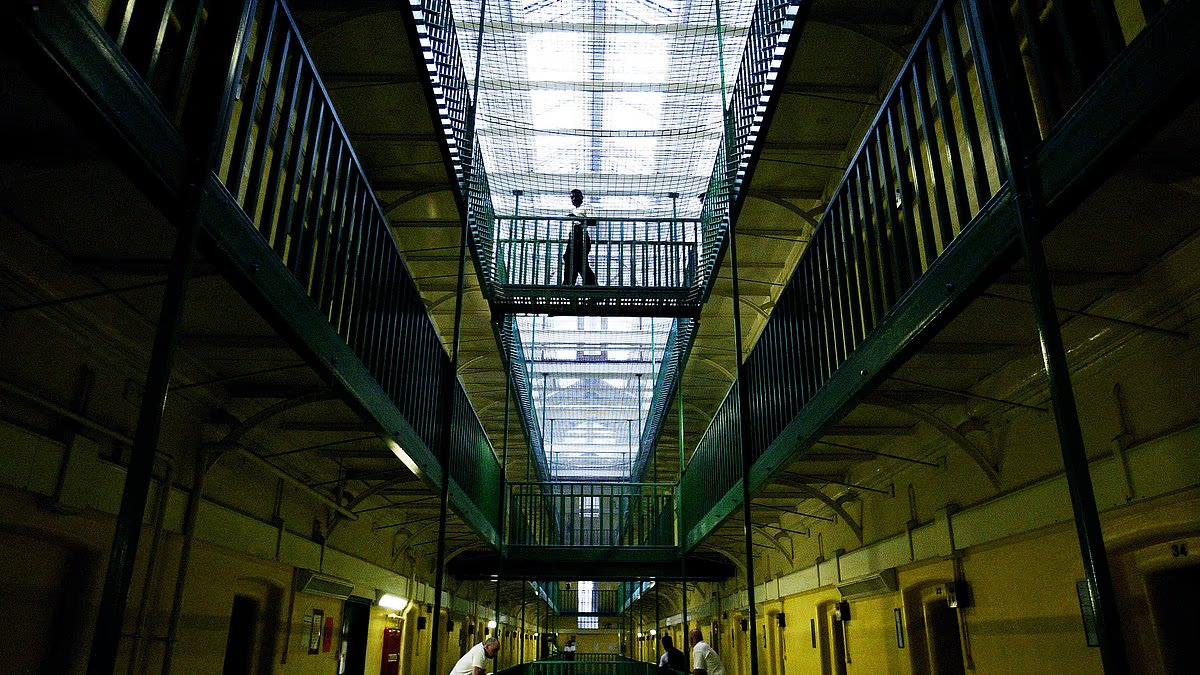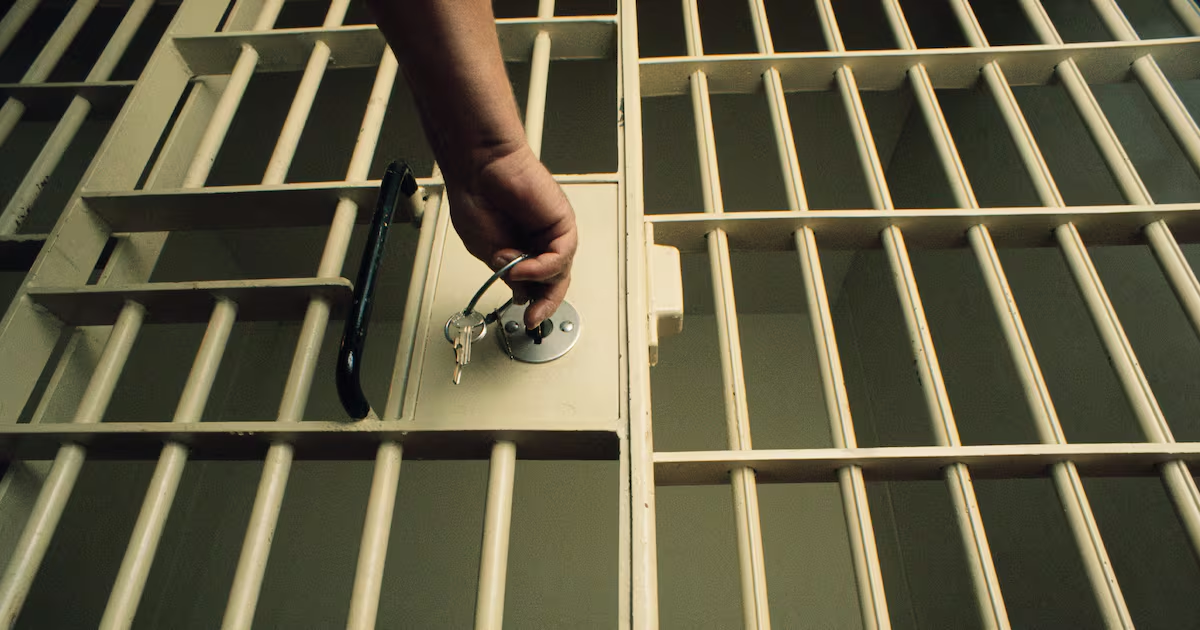
A nurse had to watch helplessly as an inmate died in his cell because prison officers could not locate the keys, according to a report that branded the circumstances of his death “unconscionable”.An investigation into the death at the Midlands Prison in August 2021 by the Office of the Inspector of Prisons (OIP) exposed a chaotic 14-minute delay in retrieving the keys to the man’s cell as he suffered a medical emergency.The delay occurred during a lunchtime staff crossover, leaving a total of 297 prisoners across two wings completely inaccessible in the event of an emergency because the master keys had been removed from the landing.The deceased prisoner, aged 59, who was identified in the report only as Mr D, was serving a five-year sentence with a remission date of February 16th, 2022.The emergency began at 12.11pm when Mr D activated the alarm in his cell. A dinner guard attended the cell at 12.30pm and observed the inmate standing inside holding a handwritten note that read, “I had a reaction to antibiotics.” His face and tongue were visibly swollen.[ Irish prison cells likely to be fitted with remote monitors following spike in inmate deathsOpens in new window ]The guard immediately called for medical help, prompting a nurse to run to the landing. Through the observation flap, she saw Mr D was distressed and had severe difficulty breathing.The inmate then lay down on his side on his bed and stopped responding. The nurse was forced to stay outside the locked door, shouting down the corridor for the keys while preparing medical equipment for suspected anaphylaxis.The fatal delay was caused by a total breakdown in communication, according to the report. The official dinner guard post for the key room had previously been cut as a cost-saving measure, the investigation found. Instead, keys were supposed to be returned to the central internal keys office during staff breaks. However, on the day of the incident, a prison officer had remained on the landing during lunch to do paperwork and locked the key room with the keys in his possession.The cell door was eventually opened at 12.38pm, 27 minutes after the initial emergency call had been activated. Nurses immediately entered and administered an EpiPen, but Mr D had no pulse and could not be resuscitated, despite efforts. [ Prisoners’ in-cell alarm systems apparently muted by staff at Cloverhill, report findsOpens in new window ]The OIP report also highlighted significant failures in medical record-keeping and continuity of care leading up to the tragedy..The OIP described the circumstances of the man’s death as “unconscionable” in the report. It issued four core recommendations, demanding the Irish Prison Service implement system-wide measures to ensure cells can always be rapidly unlocked during medical emergencies.It also directed the IPS to conduct a full clinical review into a locum doctor’s unrecorded prescription and a failure to follow up on a medical review request.
Inmate with medical emergency died in cell after key could not be found for 14 minutes, report finds
Delay at Midlands Prison occurred during staff crossover, leaving 297 prisoners completely inaccessible in event of emergency
481 words~2 min read