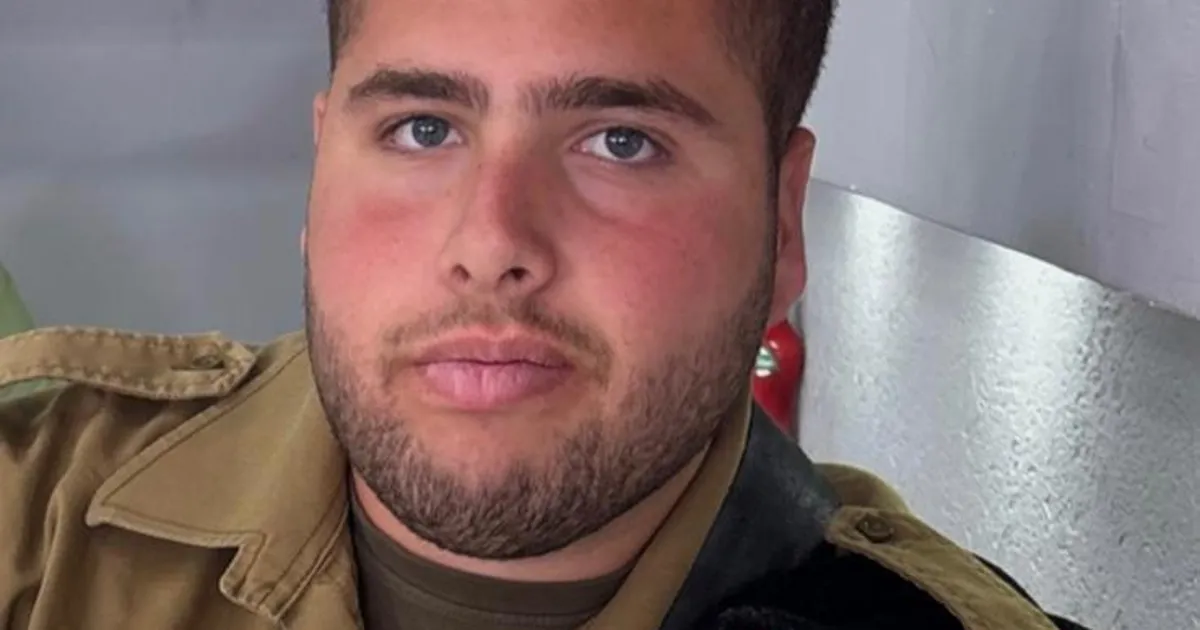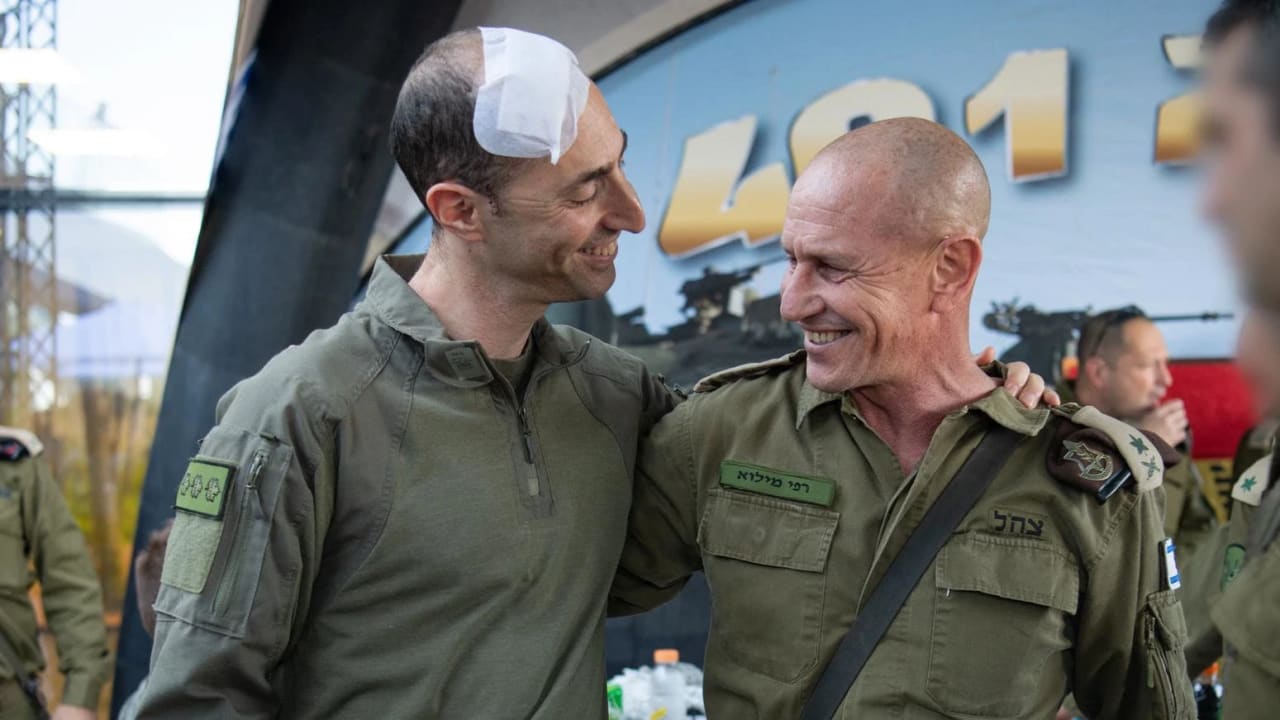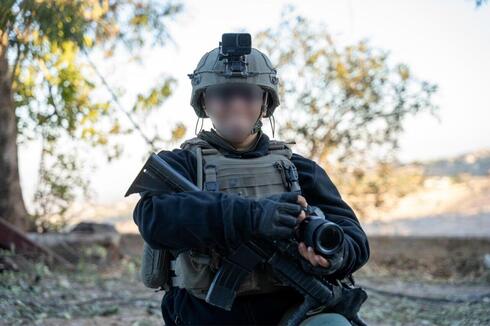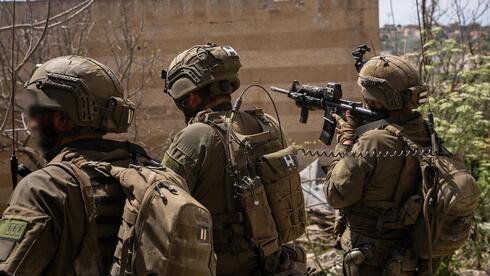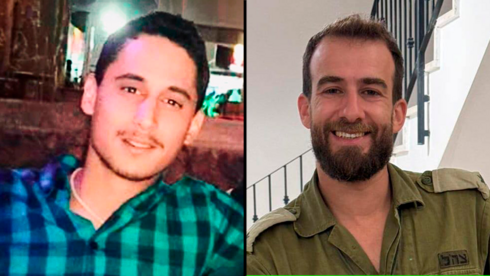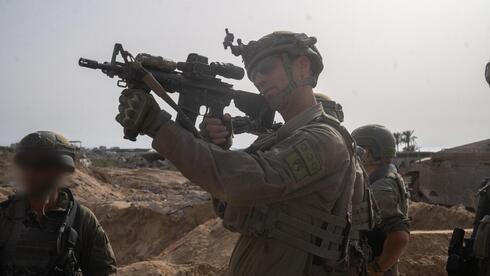
Col. Meir Biderman, who took over the 401st Armored Brigade after his predecessor was killed in Gaza, hit as troops reduce daytime movement due to worsening Hezbollah drone attacks and shortages in protective netsCol. Meir Biderman suffered a serious head injury in the attack. Another officer, a lieutenant colonel, was lightly to moderately wounded. Their families have been notified.Riding thorugh Gaza's Jabaliya with 401st Armored Brigade Commander Col. Meir Biderman (Video: Yoav Keren)Biderman took command of the brigade in October 2024 after his predecessor, Col. Ehsan Daxa, 41, of Daliyat al-Karmel, was killed by an explosive device in Jabaliya in northern Gaza. Daxa had received a citation after the Second Lebanon War for aiding paratroopers who had called for assistance in southern Lebanon.In an interview with ynet last July, Biderman recalled the moment he learned of Daxa’s death. He said he was at a work meeting when he was told of the incident in Jabaliya.4 View gallery 401st Armored Brigade Commander Col. Meir Biderman (Photo:IDF)“I stood up and went to the division commander, Itzik Cohen, now head of the Operations Directorate,” he said. “He told me, ‘This looks serious, let’s head to the field.’ We each left in our own jeep. During the drive, the bitter news came: the brigade commander, Col. Ehsan Daxa, had been killed. We got out of the vehicles, the division commander patted me on the shoulder and said, ‘You’re now the 401st Brigade commander. Good luck.’”Biderman described Daxa as a revered commander, a fearless fighter and an exceptional person. “We are the brigade that has spent the most cumulative time inside Gaza,” he said at the time, standing near his tank inside the Strip.4 View gallery Col. Ehsan Daxa Biderman, a resident of Modiin, is married to Michal and is the father of three. He enlisted in 2002 and rose through the 53rd Battalion of the 188th Armored Brigade, serving as a tank crewman, deputy company commander in the Second Lebanon War and later battalion commander.In southern Lebanon, IDF troops maneuvering near the so-called "yellow line" ceasefire demarcation use homes left standing between raids, ynet has learned. Because of the threat from first-person-view (FPV) drones, troop and heavy vehicle activity during daylight hours has been reduced, with most operations now carried out at night.4 View gallery Col. Meir Biderman (Photo: Yedioth Aharonoth)Troops move from house to house as they clear the area. To counter drones at various positions, soldiers camouflage the sites and install nets designed to trap aircraft.Forces also carry out deception operations to mislead Hezbollah terrorists. But anti-drone nets are still missing in some places, forcing troops to rely on whatever they can obtain themselves.4 View gallery (Photo: Kawnat HAJU / AFP)One of the main fears is that an FPV drone could enter a house where troops are staying. As a result, one soldier keeps his weapon pointed toward the sky to watch for and neutralize drones. Inside the houses, camouflage nets and drone-trapping nets are deployed.Hezbollah has improved its use of FPV drones in recent days. At times, it launches swarms simultaneously and now appears to be trying to fly them into positions where soldiers are located.While Israel’s political leadership presents the public with a picture of ceasefire and calm, soldiers in outposts, bases and along movement routes in southern Lebanon face what is effectively a daily war centered on Hezbollah’s FPV drones and UAVs. On Tuesday, an FPV drone launched at IDF forces detonated inside Israeli territory near the Lebanon border.Rather than broad defensive measures being funded and managed as a national priority, the reality on the ground has forced tactical units to rely on private initiatives. Worried parents are raising money to buy protective nets, and battalion-level officials have at times used personal credit cards to protect exposed weak points.The IDF says it has deployed about 118,000 square meters of protective netting, though military sources acknowledge there are still shortages in the field.“A brigade operating in a sector needs about 15,000 square meters of nets for infantry forces, armored combat vehicles and protection of hot spots,” one professional source said. “About 120,000 meters have been distributed so far, but much more is needed. There are deception operations and other elements that also require nets, so there are definitely shortages.”The lack of physical protection is especially noticeable at the most sensitive points in the sector. Explosives used with shells are stored outside armored vehicles. Those areas, along with antennas, communications trucks and radar systems, are high-value targets for enemy drones, as seen in Hezbollah propaganda videos.“The incidents we saw in Hezbollah videos are being investigated,” a military source said. “Most hot spots are protected, but some still are not, and work is underway to protect them too. The soldiers received instructional videos. It takes time.”
IDF brigade commander seriously wounded by Hezbollah drone in Lebanon
Col. Meir Biderman, who took over the 401st Armored Brigade after his predecessor was killed in Gaza, hit as troops reduce daytime movement due to worsening Hezbollah drone attacks and shortages in protective nets
794 words~4 min read