In brief
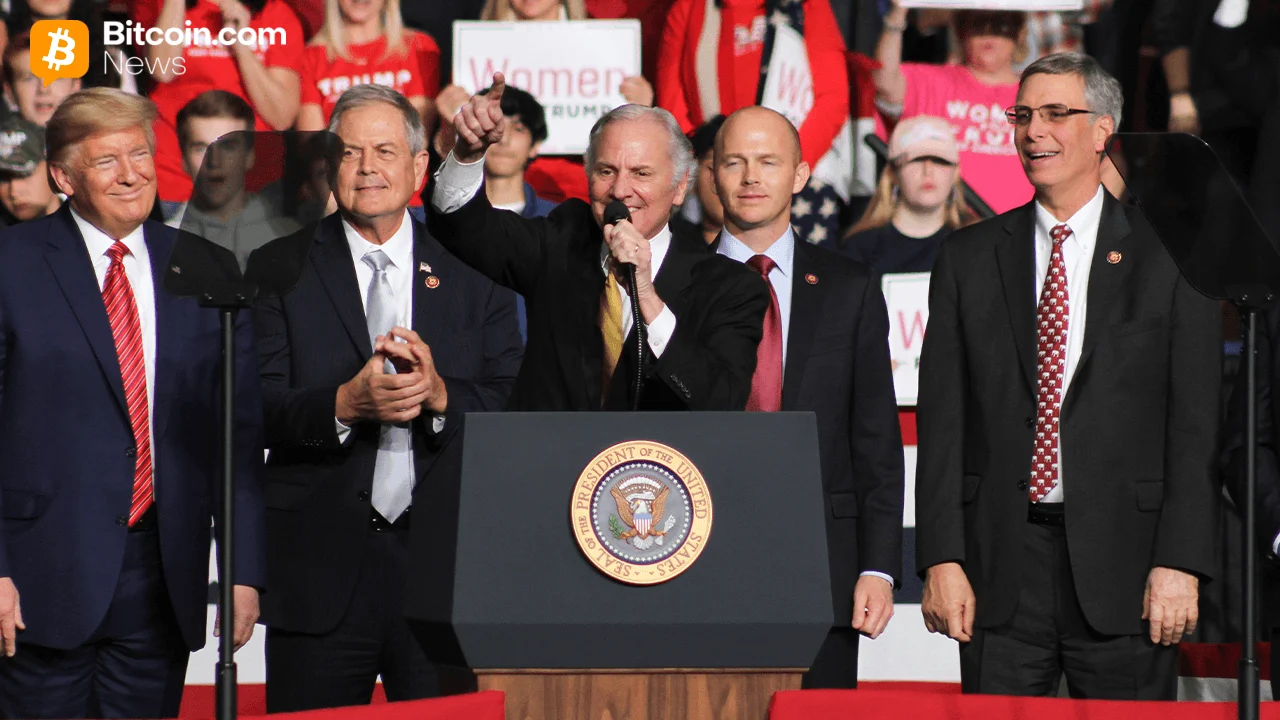
Senate Bill 163 was signed into law by South Carolina Governor Henry McMaster on Tuesday.
The bill effectively bans the use of CBDCs in the state and protects authorities from participating in any CBDC tests.
It also allows for the use and self-custody of crypto assets in the state, including offering protections to Bitcoin miners.
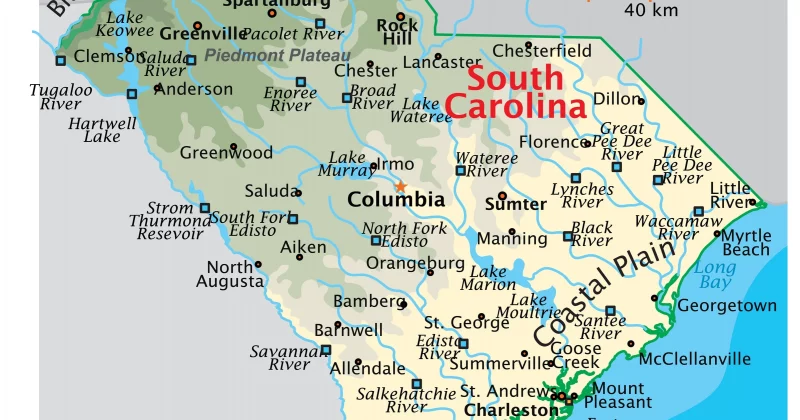
Individuals, businesses, and Bitcoin miners in South Carolina have earned protections for the use, custody, and mining of digital assets thanks to a new bill signed by the state’s governor Henry McMaster. First introduced in January 2025, Bill 163, also effectively bans the state’s use of any central bank digital currency (CBDC), also known as a "digital dollar," and its participation in any CBDC tests. “An individual or business shall not be prohibited, restricted, or otherwise prevented from accepting digital assets to purchase legal goods or services; or using a self-hosted wallet or hardware wallet, to maintain self-custody of digital assets,” the bill reads. It also notes that restrictions cannot be placed on digital asset mining businesses in areas that are designed for industrial use, so long as they comply with general sound pollution limits and don’t place “additional stress on the electrical grid.” The bill’s final section indicates that a money transmitter license is not required for miners, node operators, or those developing blockchain software. The bill was passed by the Senate in April 2025 and then referred to the House Labor, Commerce and Industry Committee that May—which came back with a favorable report nearly a year later, this April. In early May, a House vote registered 110 “yeas” and 1 “nay.” The piece of crypto-friendly legislation is not the only one to hit the general assembly in the state. Last year, a South Carolina representative introduced the Strategic Digital Assets Reserve Act, also identified as House Bill 4256.That bill proposed that the state’s treasurer be allowed to allocate up to 10% of select public funds into Bitcoin, as the general assembly found “inflation has eroded the purchasing power of assets held in state funds managed by the State Treasurer, as well as state retirement funds.”The bill was referred to the Committee on Ways and Means in March 2025, but has not been further updated. A representative for South Carolina Governor Henry McMaster did not immediately respond to Decrypt’s request for comment. Daily Debrief NewsletterStart every day with the top news stories right now, plus original features, a podcast, videos and more.