The presence of leasing companies and financial institutions at the meeting suggests policymakers are focusing as much on financing structures and lender confidence as on vehicle subsidies
| Photo Credit:
iStockphoto
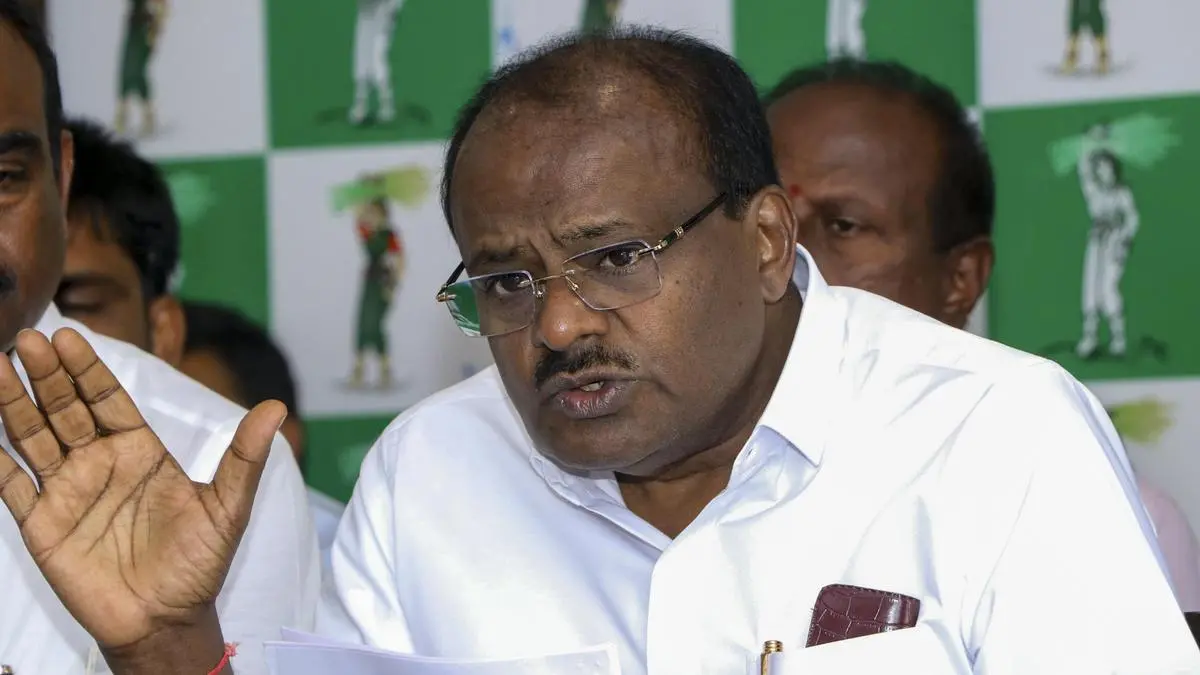
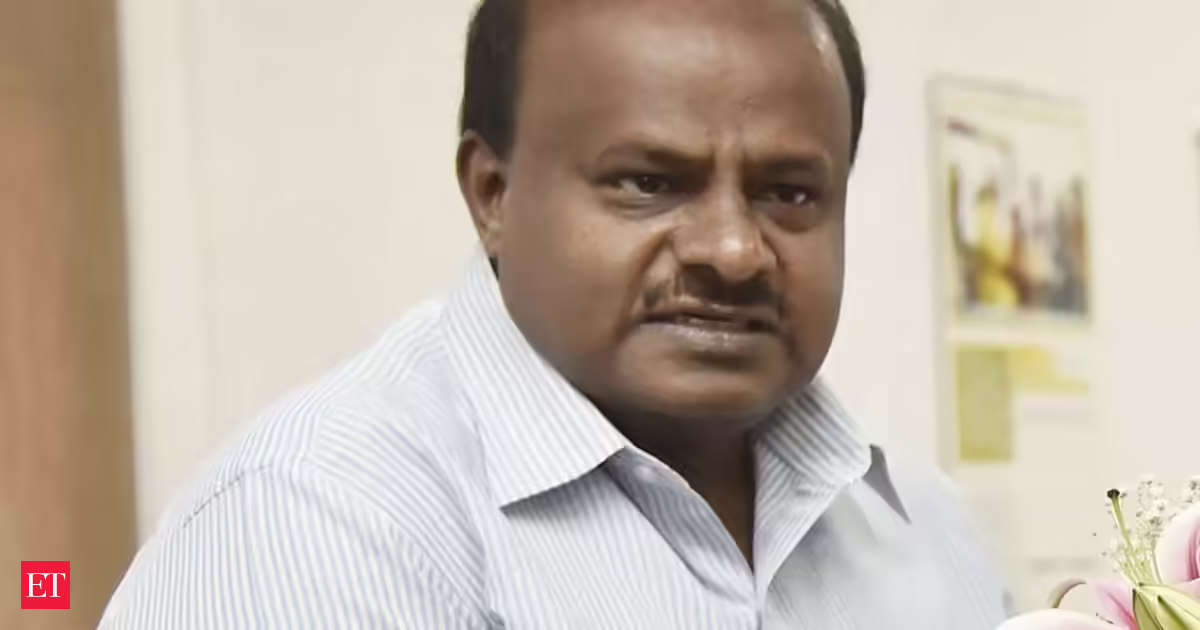
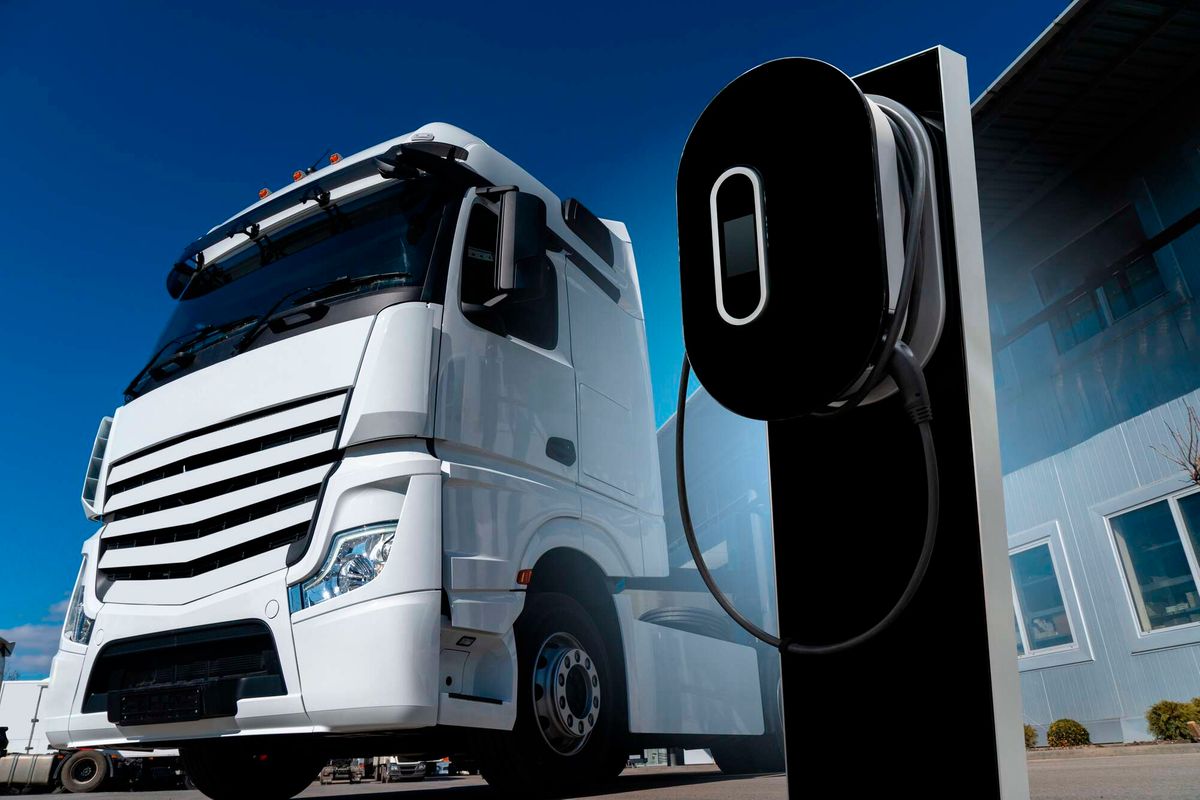
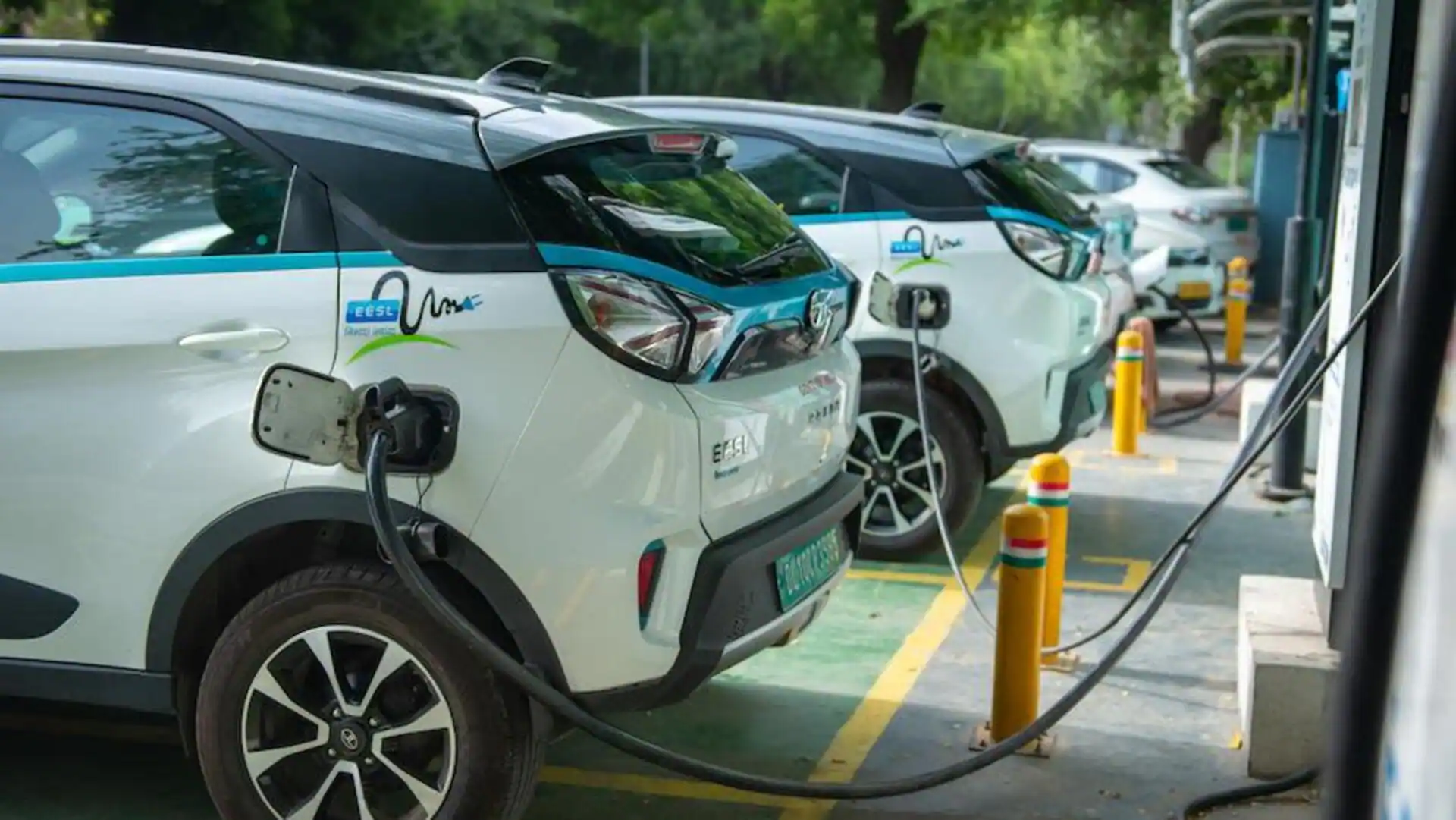
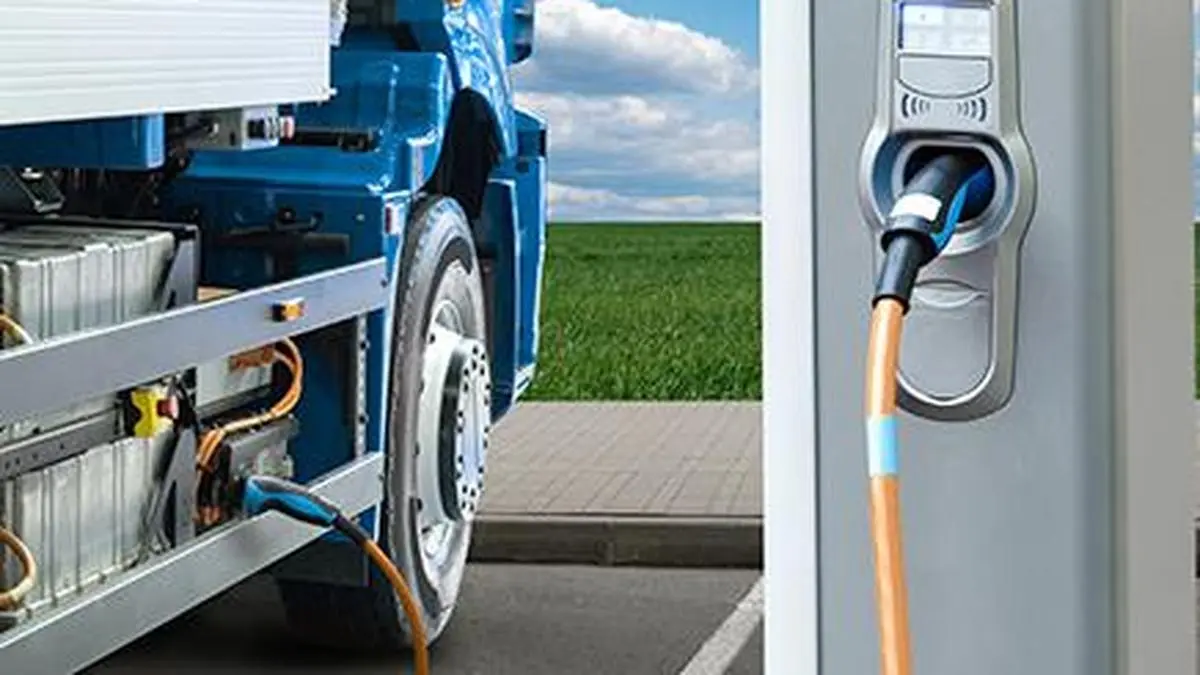
The Ministry of Heavy Industries (MHI), on Wednesday, convened fleet operators, aggregators, transport companies, financial institutions, leasing firms and industry executives to identify the practical hurdles slowing the adoption of electric buses and electric trucks, as the government sharpens its focus on decarbonising public transport and freight.The high-level consultation, chaired by Heavy Industries and Steel Minister HD Kumaraswamy, centred on issues such as financing access, charging infrastructure, fleet deployment, operational viability and long-term ecosystem support for electric commercial vehicles.“E-buses are the future of passenger mobility, and e-trucks will define the next era of logistics and freight transport in our country,” Kumaraswamy said, adding that the transition was both an environmental necessity and an economic imperative.The Minister said the consultation was intended to gather direct feedback from operators and stakeholders managing transport services on the ground so that future policy measures are practical, inclusive and commercially sustainable.Stakeholders shared operational experiences and suggestions on improving access to finance, expanding charging networks, reducing deployment risks and strengthening confidence in electric mobility across urban, inter-city and freight transport networks.Senior ministry officials, including Secretary Kamran Rizvi and Additional Secretary Hanif Qureshi, also participated in the discussions and outlined the government’s roadmap for heavy electric mobility.Financing pushWednesday’s consultation also lends weight to reports that the government is evaluating an incentive package of more than $1 billion (about ₹8,500–₹9,000 crore) to accelerate private-sector adoption of electric buses and trucks over the next decade.According to reports, the proposed framework could include interest subvention of up to ₹15 lakh per vehicle over its operating life and a partial credit guarantee mechanism to help lenders finance EV purchases by smaller fleet operators.The presence of leasing companies and financial institutions at the meeting suggests policymakers are focusing as much on financing structures and lender confidence as on vehicle subsidies.Existing policyThe government has already created a policy framework under the ₹10,900-crore PM E-DRIVE programme, which includes ₹4,391 crore to support deployment of 14,028 electric buses, a ₹500-crore incentive scheme for electric trucks, and ₹2,000 crore for public charging infrastructure.Published on May 20, 2026