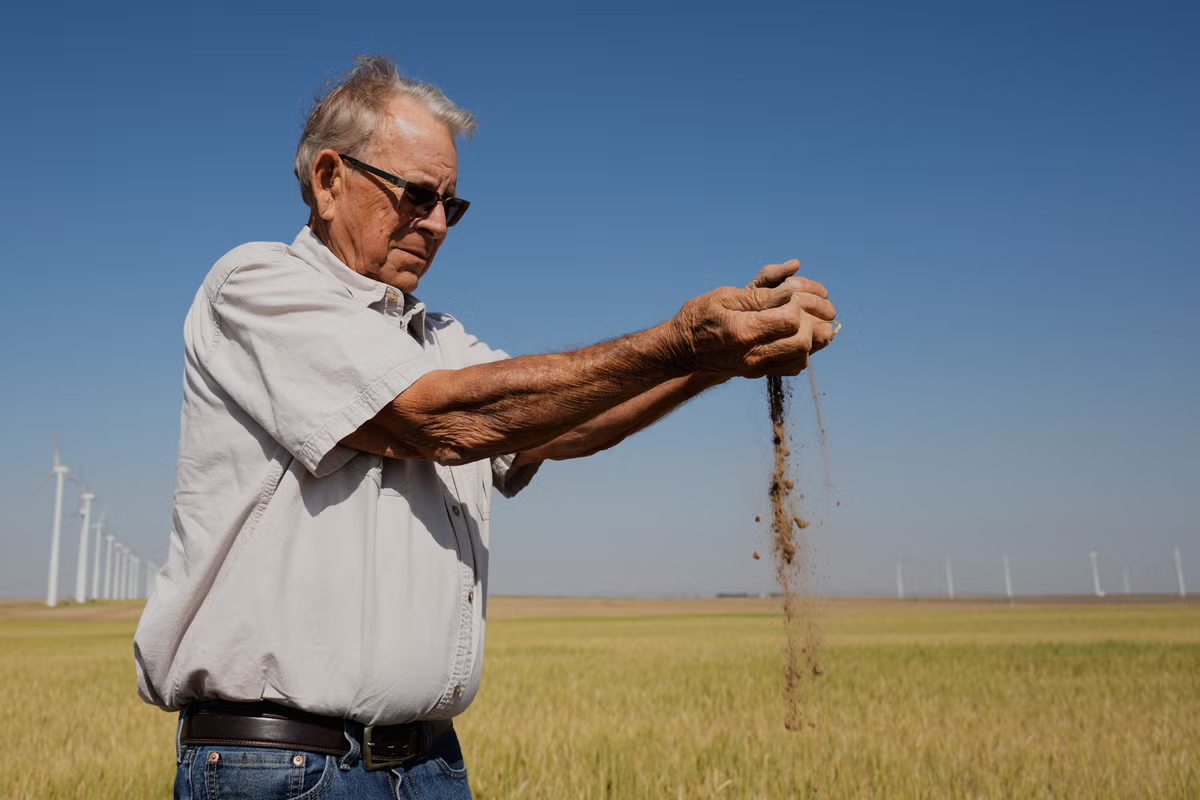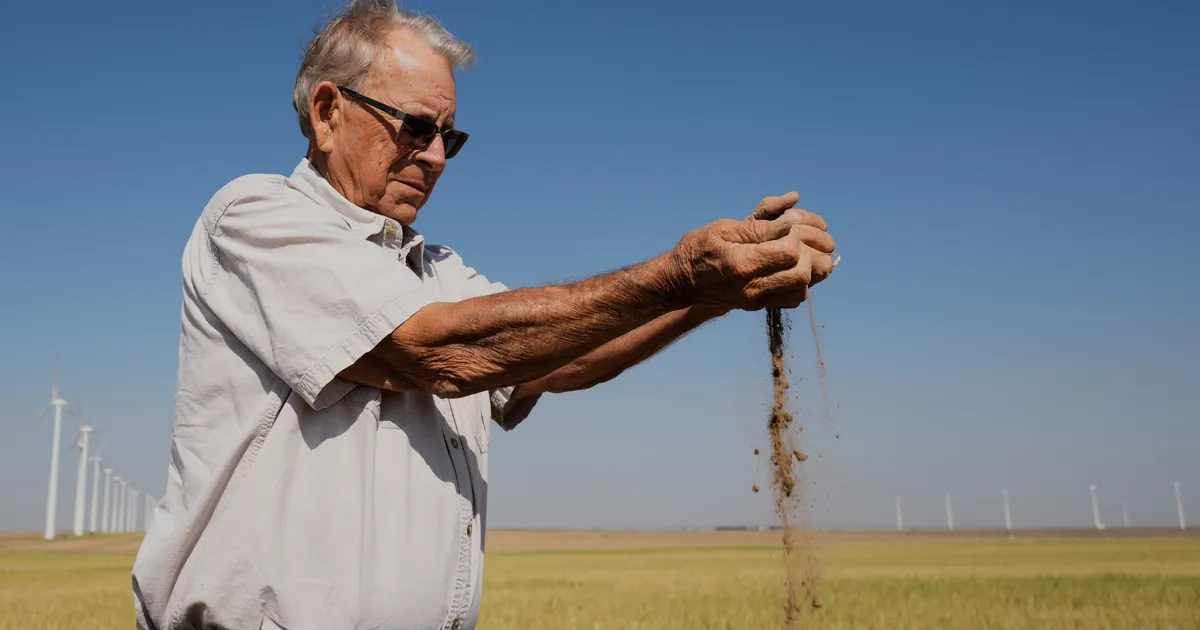
MONTEZUMA, Kan. (AP) — Orville Williams has had a healthy wheat crop on his 2,600-acre farm in Montezuma, Kansas, every year since he was a teenager.It hasn’t always been easy. For instance, there were challenging economic times through the 1980s and various degrees of drought affecting his yield through the years. But this season feels different.“All in all, it’s not going to be a good year,” said Williams, 76.Record-setting drought and hotter-than-average temperatures mixed with sharp drops have impacted much of the U.S. early this year, including the Plains region. Drought conditions have worsened the spread of the wheat streak mosaic virus and barley yellow dwarf virus, which impact the potential of the crop. Combined with climbing input costs related to fertilizer, diesel fuel and tariffs, longtime wheat farmers say they are feeling a lot of pain.
“It’s kind of a double whammy,” Williams added.
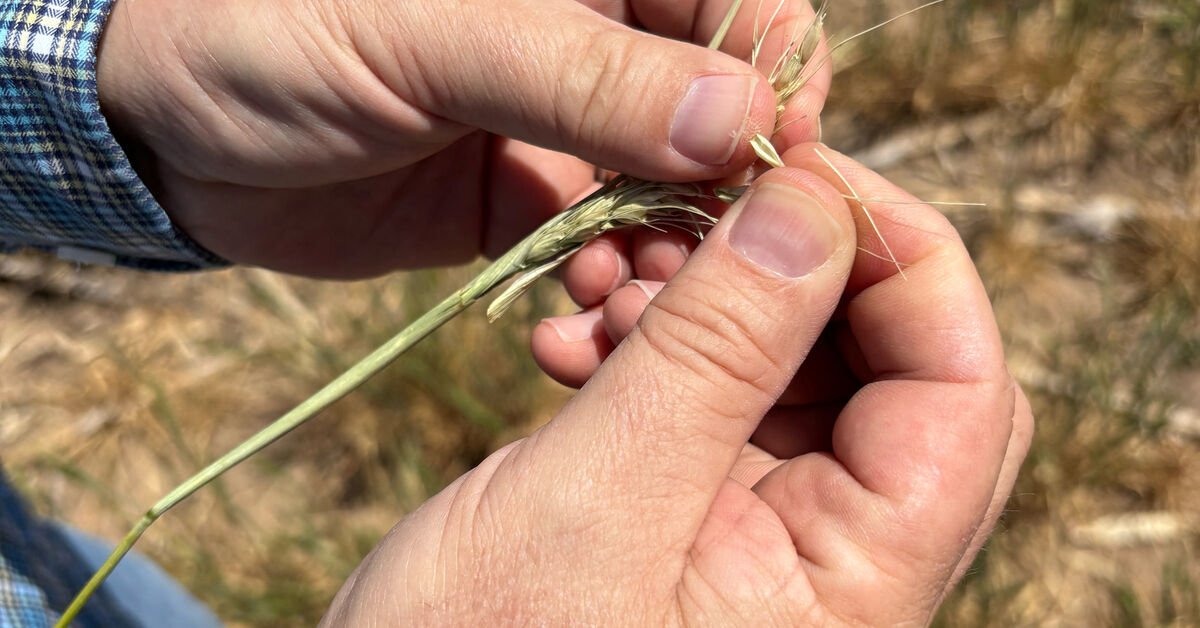
Farmer Orville Williams looks at drought-stressed wheat in one of his fields Saturday, May 16, 2026, near Montezuma, Kan. (AP Photo/Charlie Riedel)
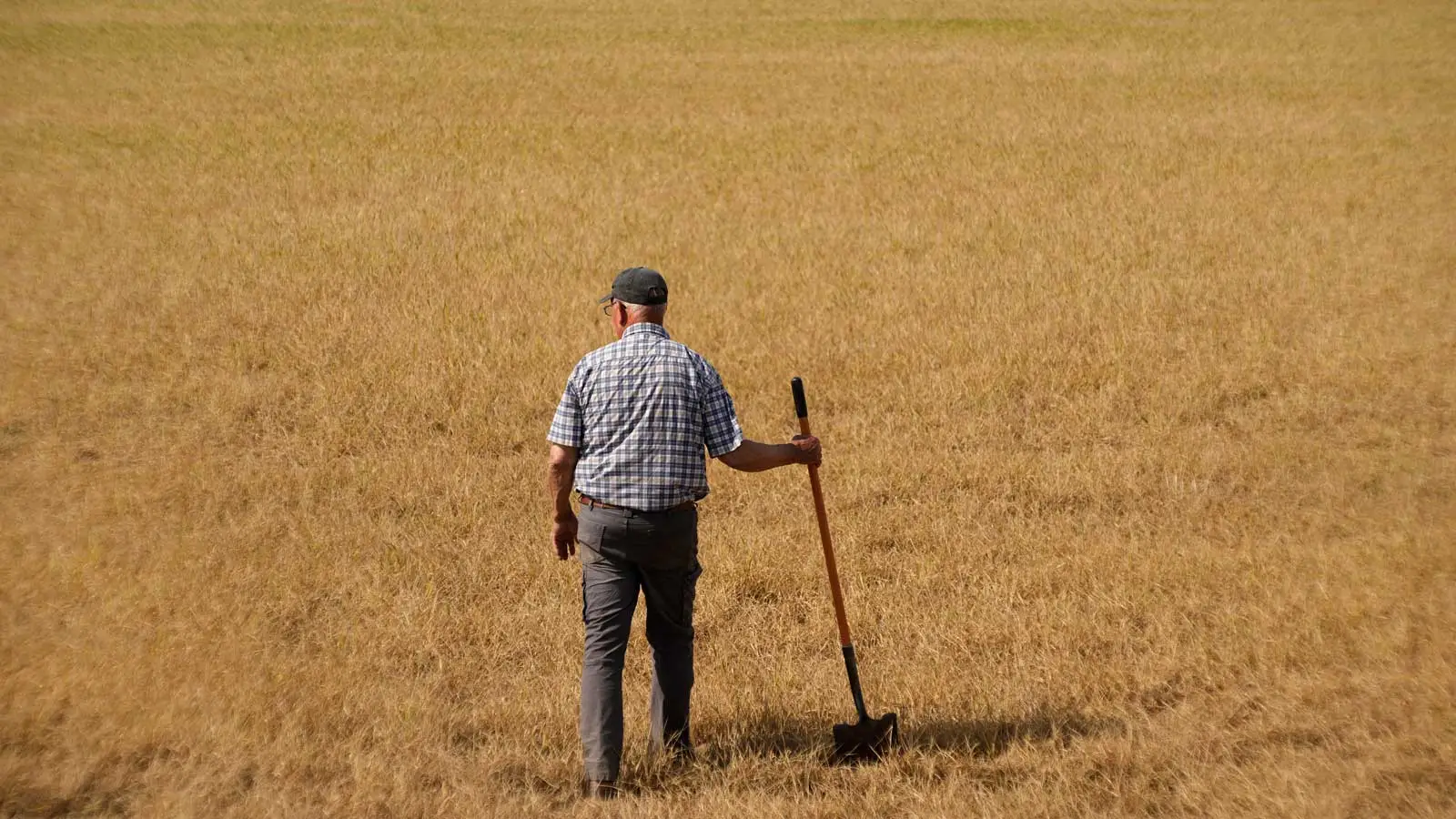
Storm clouds build in the distance beyond a drought-stressed wheat field Friday, May 15, 2026, near Cimarron, Kan. (AP Photo/Charlie Riedel)
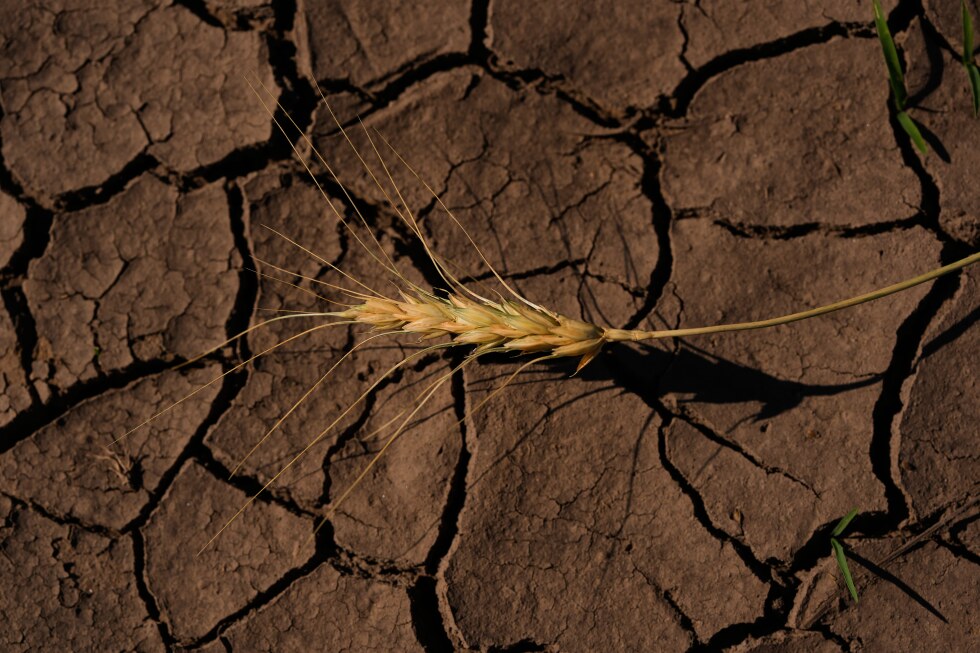
Crop estimates underscore just how bad the situation is. Growers will see their smallest wheat crop in terms of production since 1972, according to the U.S. Department of Agriculture; 1.56 billion bushels this year, down 21% from 2025. That’s especially harmful to Kansas, one of the top overall producers of wheat in the U.S.