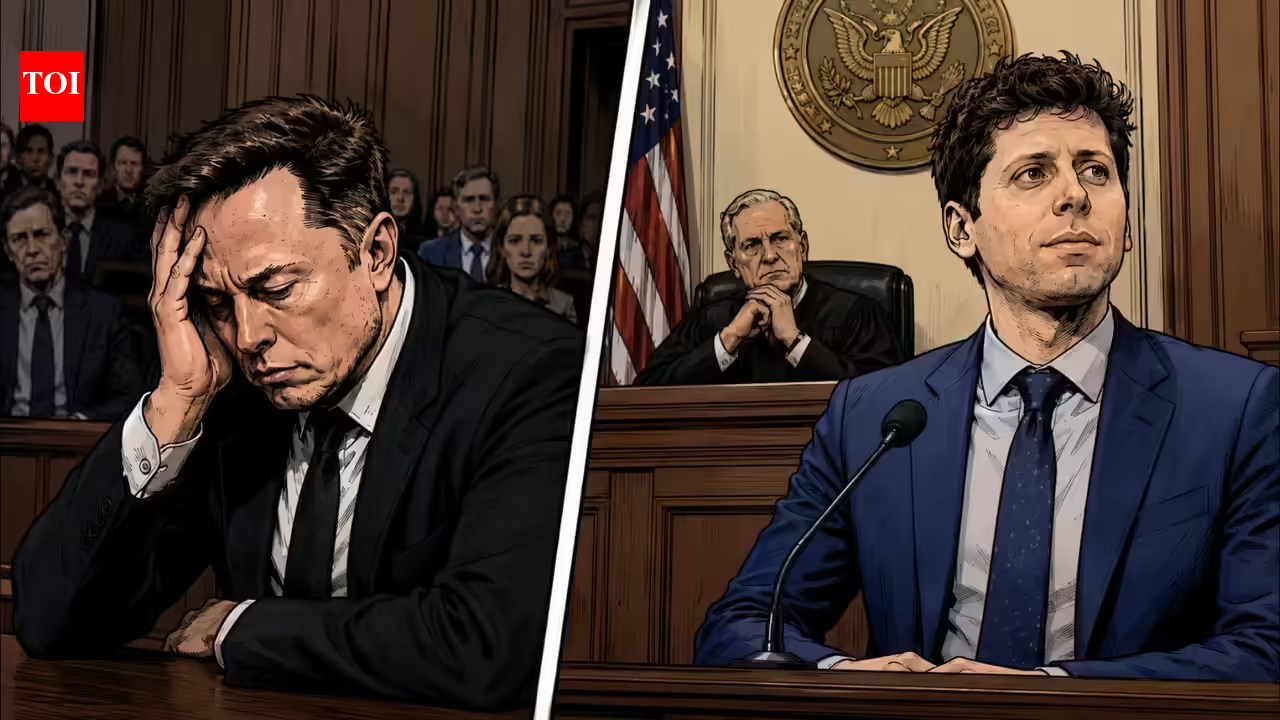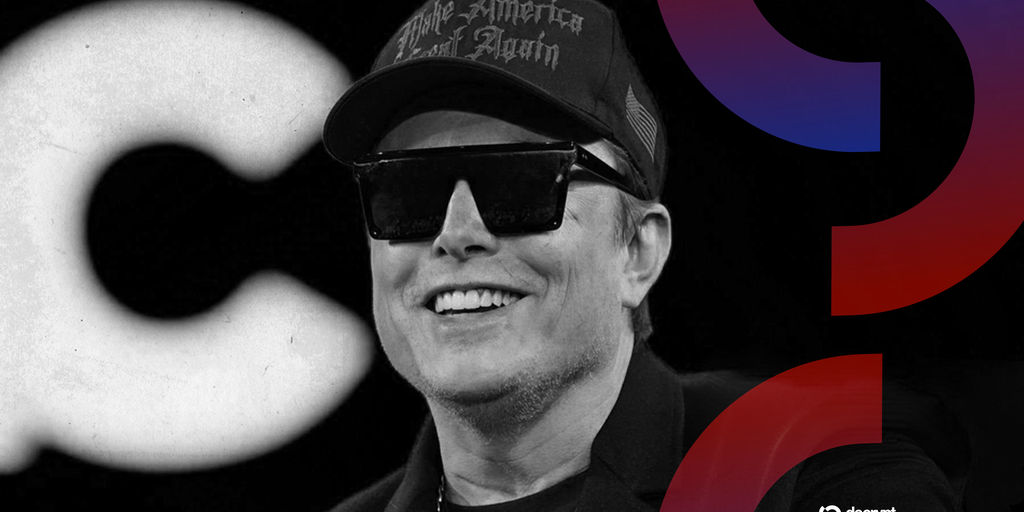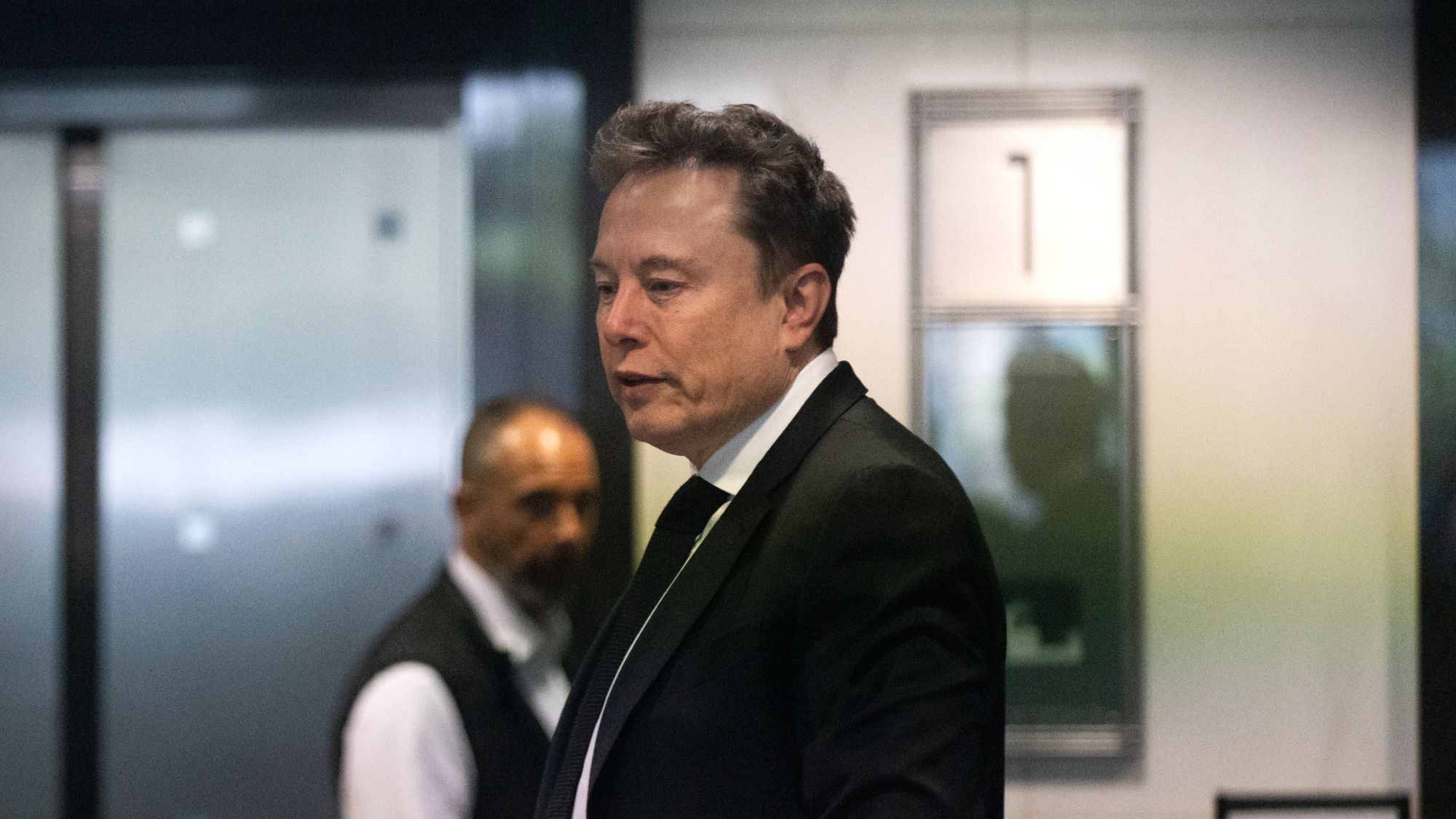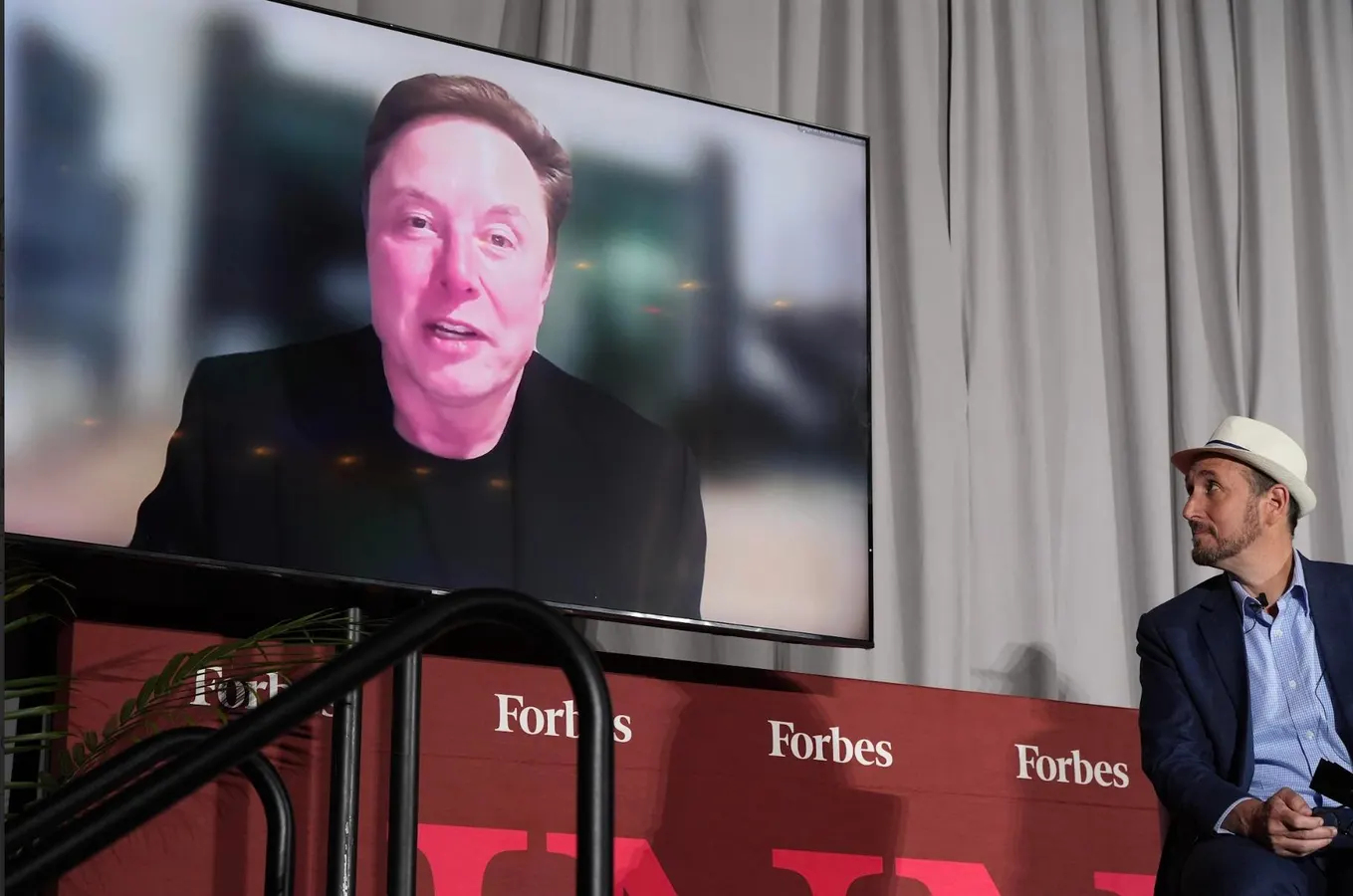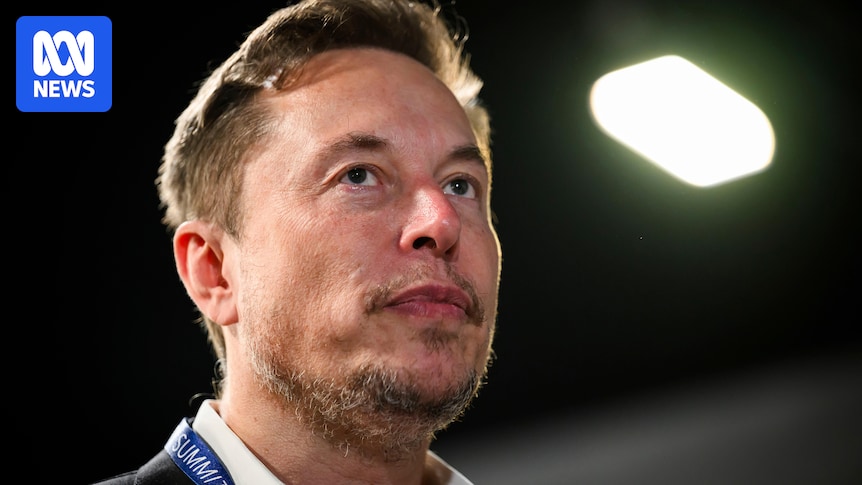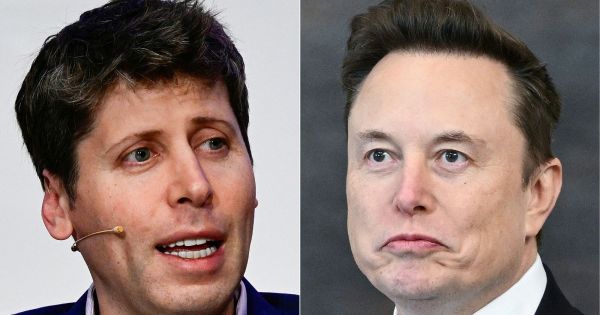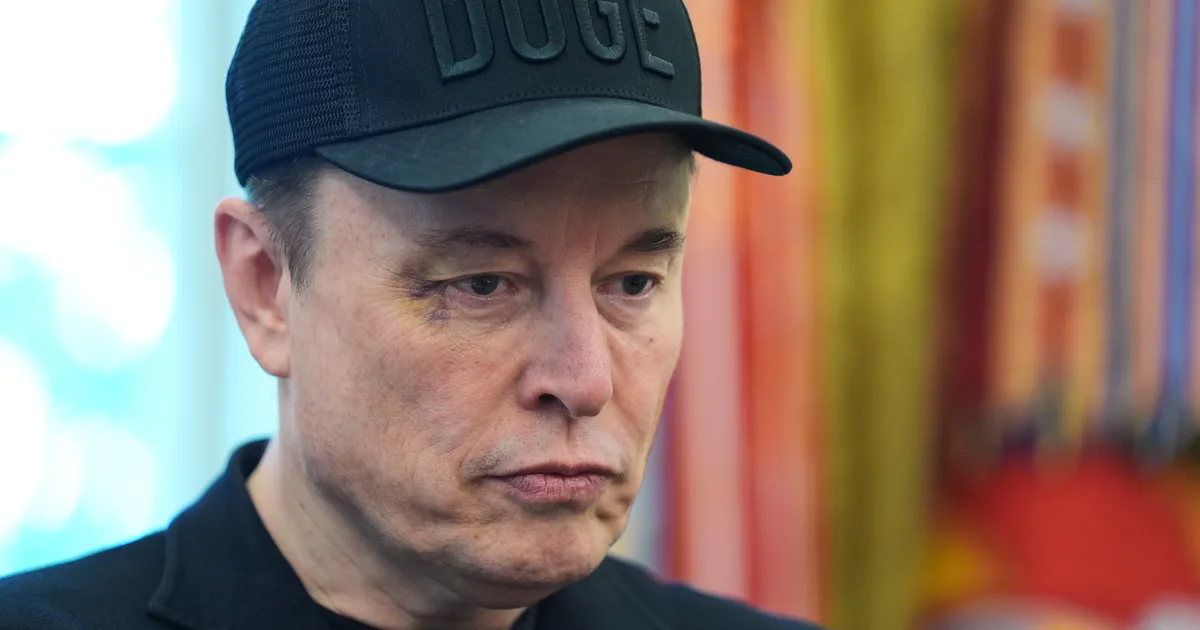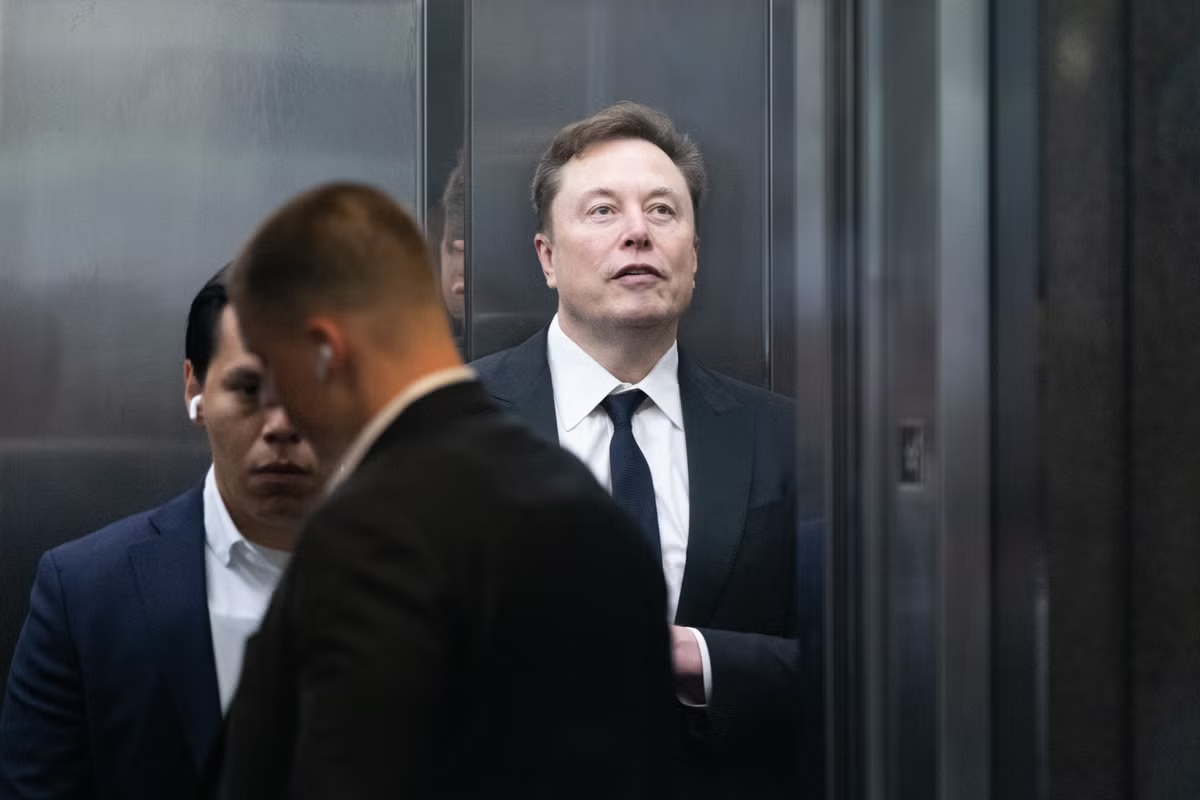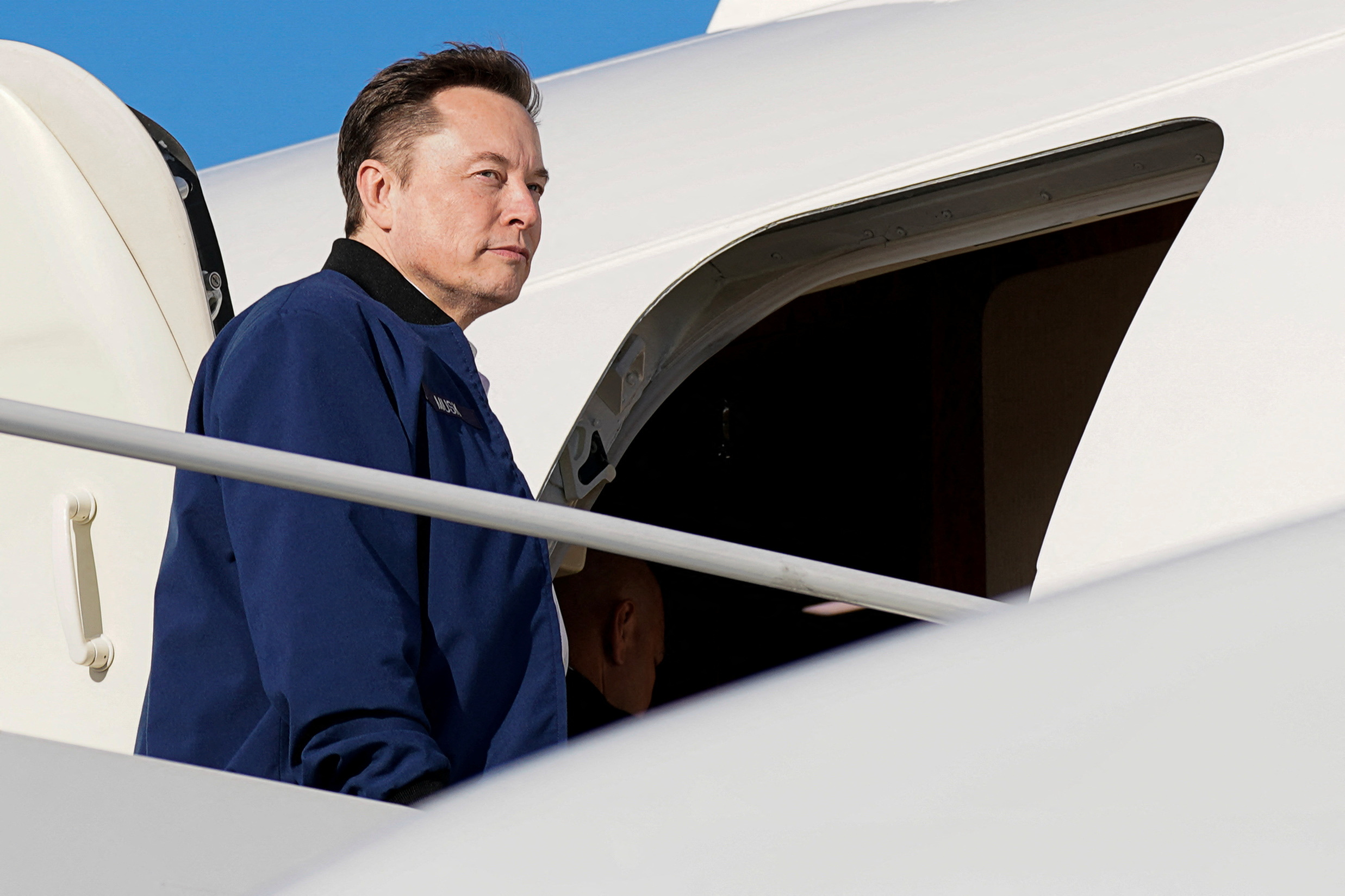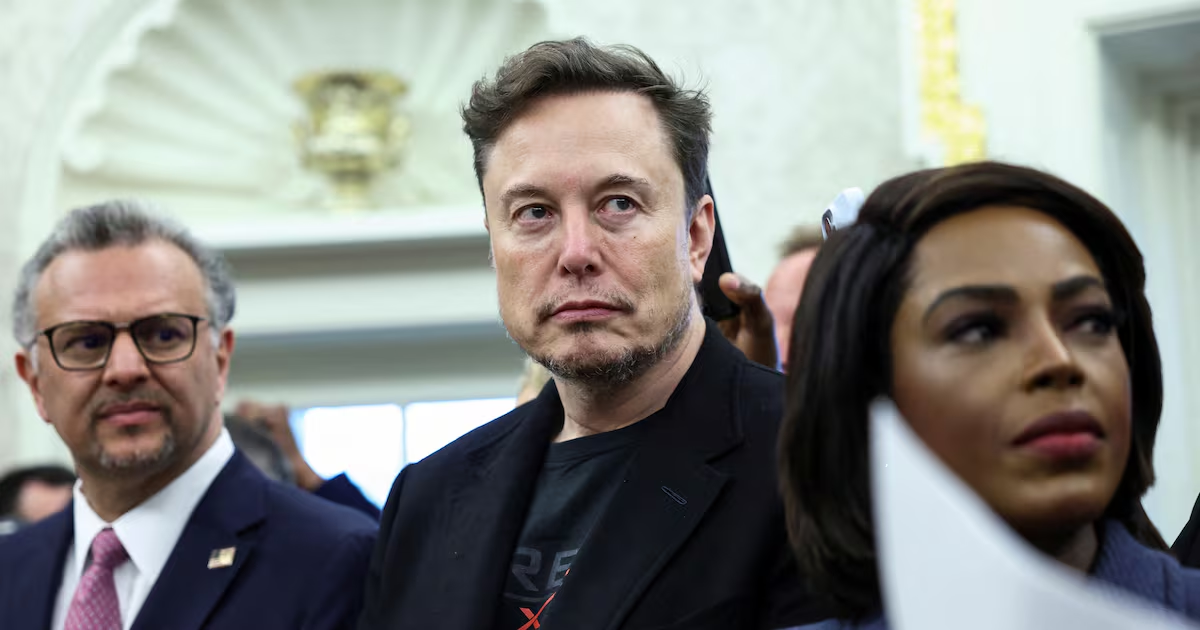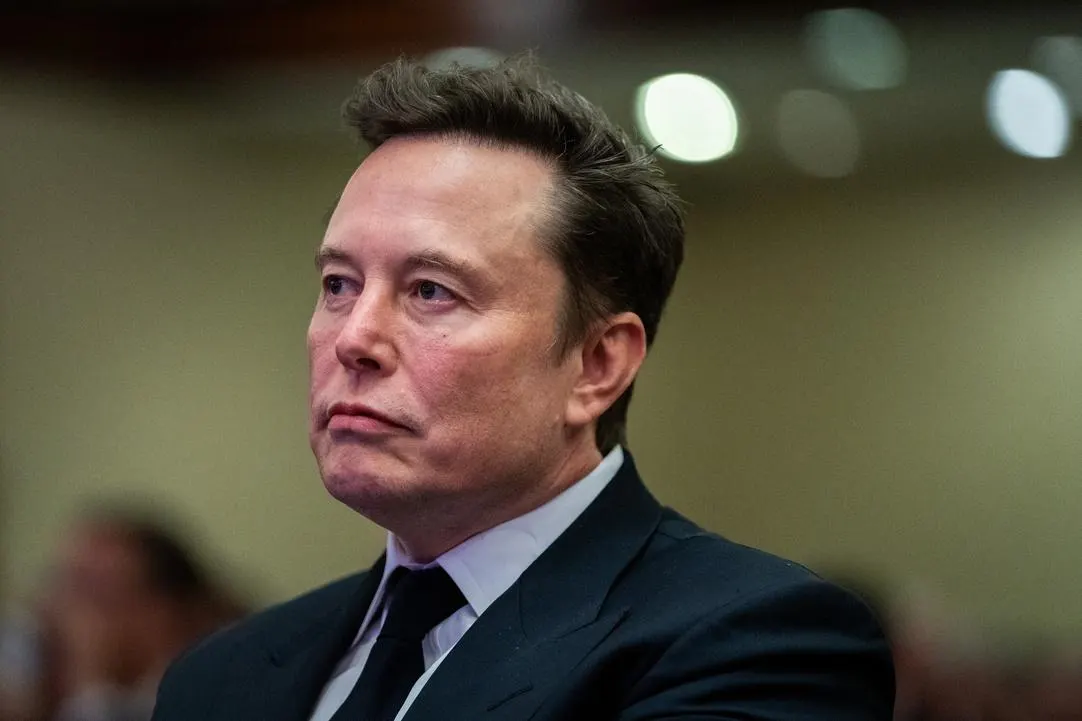
SpaceX and Tesla CEO Elon MuskGetty ImagesWelcome back to The Prompt, On Monday, Elon Musk lost his highly publicized $150 billion lawsuit against Sam Altman and OpenAI, ending the dramatic showdown between two of the AI industry’s most powerful players. A jury dismissed his claims that Altman and OpenAI had allegedly reneged on their promise of operating the company as a nonprofit when it transitioned to a profit-driven enterprise, saying Musk was too late in filing the lawsuit. Musk accused Altman of ”unjust enrichment” and “breach of charitable trust” and demanded that Altman and president and cofounder Greg Brockman be removed from the company. Musk said the decision against him was based on a “calendar technicality” — all this happened about seven years ago — and that the jury never ruled on the merits of the case, adding that he plans to file an appeal. “I think this is a dangerous precedent to set,” Musk said in an exclusive interview with Forbes Chief Content Officer Randall Lane at the Forbes Innovation 250 celebration dinner in Palo Alto. “It means if somebody can take a nonprofit and convert it to a for-profit, that undermines all charitable giving in America.”“The AI trial of the century ends with a whimper rather a bang,” writes AI critic Gary Marcus, echoing Musk’s statements that the jury didn’t weigh in on the question of whether OpenAI “stole a charity.” It’s a big win for OpenAI, which can finally put the trial behind as it prepares for an IPO later this year or in early 2027. For Musk, who helms rival xAI, which was recently acquired by SpaceX for $250 billion, the ruling comes at a pivotal time. SpaceX is expected to debut on the Nasdaq as soon as June 12. The blockbuster IPO is targeting a valuation of $1.75 trillion for the rocket maker, which would make the offering the largest ever and could annoint Musk the world’s first ever trillionaire. Now let’s get into the headlines. BIG PLAYS After months of uncertainty, chip startup Cerebras finally went public last week, making it the first of a series of highly-anticipated AI IPOs. The company raised a whopping $5.5 billion at a $185 per share offering price, making its CEO Andrew Feldman a billionaire, thanks to his 5% stake, Forbes reported. Cofounder and CTO Sean Lie also joined the billionaire club, with stock and options worth around $1.9 billion. With high-profile customers like OpenAI and Amazon, the company reported $510 million in revenue in 2025. HUMANS OF AIAI tools are incredibly powerful. But exactly how they come up with specific answers is still a mystery, even to those who built them. Enter Goodfire. The $1.25 billion AI startup released new research this week providing a striking insight into how AI models’ “brains” represent concepts: they use shapes. AI models “think” and store information through what’s called “neural geometry.” Knowing this can help researchers train and tweak AI models more effectively and have more control over their behavior. AI DEAL OF THE WEEKZyphra, a San Francisco-based AI startup building open source models, is in talks to raise $500 million in a new funding round, sources tell Forbes. The startup, which trains and runs its models on AMD’s chips, plans to raise at a $5 billion-plus valuation. The company also has a separate cloud business where it provides computing power to labs like OpenAI, Anthropic and Meta. DEEP DIVEAs Alexandr Wang walked down the staircase to the open atrium at Scale AI headquarters in San Francisco last June, employees didn’t know if he was still their boss. A day earlier, the data labeling company had announced a bombshell deal: Meta was acquiring 49% of Scale for $14 billion, and its founder CEO was leaving to lead Mark Zuckerberg’s newly-formed superintelligence lab. Amid a swirl of confusion, many Scale employees thought he had already left. So, surprised to see him, the workers applauded as he headed to the stage for the company all-hands. “I literally teared up,” Wang tells Forbes now. “In another life, I'd be so excited to continue at Scale.”He doesn’t remember exactly what he told them at the meeting, but according to one person in attendance, Wang began by recounting how he’d started building Scale as a freshman at MIT, then started to cry. “This is so stupid. Why am I doing this?” the person recalled him saying.Wang’s remark was in reference to his tears, but it seemed like an apt question to apply to the entire situation. In the wake of the surprise deal, which had leaked a few days earlier, all of Silicon Valley was similarly asking: Why was Wang giving up his own growing company, then worth $13.8 billion, to go work for Meta, which was playing catch-up in AI to Google, OpenAI and Anthropic?Scale had been a powerhouse in the market of human data, where armies of clickworkers and experts — like PhDs, lawyers and engineers — generate data to train cutting edge AI models like Google’s Gemini and OpenAI’s ChatGPT. Scale had also become a go-to vendor for the Department of War since it first brought large language models to the Pentagon in 2020. And the operation had, for a moment, turned Wang into the world’s youngest self-made billionaire. Now the tie-up with Meta threatened to railroad what had become a stalwart business providing infrastructure to the most valuable companies in AI. After all, the thinking went, what frontier lab would want to entrust its data to a company almost half-owned by Meta?Wang, who took roughly ten Scale employees with him to Meta, says now that it was an “incredible opportunity” for both companies. The other half of the all-hands meeting was Wang formally introducing his successor Jason Droege, previously Scale’s chief strategy officer, and before that an executive at Uber and Axon, the company that makes the Taser gun. Despite all the drama of the previous week, the meeting itself was a tight 30 minutes, with no Q&A from employees. Instead, Wang and Droege kept it quick. “We shake hands, give each other a hug, say we're both excited about our futures,” recalls Droege. “And then the next moment, we've got to go do it.” (Droege still holds the “interim” CEO title, but internally he’s seen as its long-term leader.)Read the full story on Forbes. MODEL BEHAVIORResearch from Harvard Business School reveals that excessive interaction with AI tools can lead to a specific type of mental exhaustion dubbed “AI brain fry.” A survey of 1,500 workers shows that AI is leading to mental fog, cognitive fatigue and trouble focusing and making decisions. Employees are increasingly being encouraged to manage agents, with companies rewarding workers who consume more tokens. But that also often means more mental bandwidth spent double checking AI’s work, switching back and forth between different tools and fixing endless mistakes. Sounds exhausting.
Musk Vows Appeal After Losing $150 Billion OpenAI Lawsuit
A jury dismissed the billionaire’s claims that OpenAI improperly transitioned from a nonprofit to a for-profit entity, saying Musk was too late in filing the suit.
1,143 words~5 min read