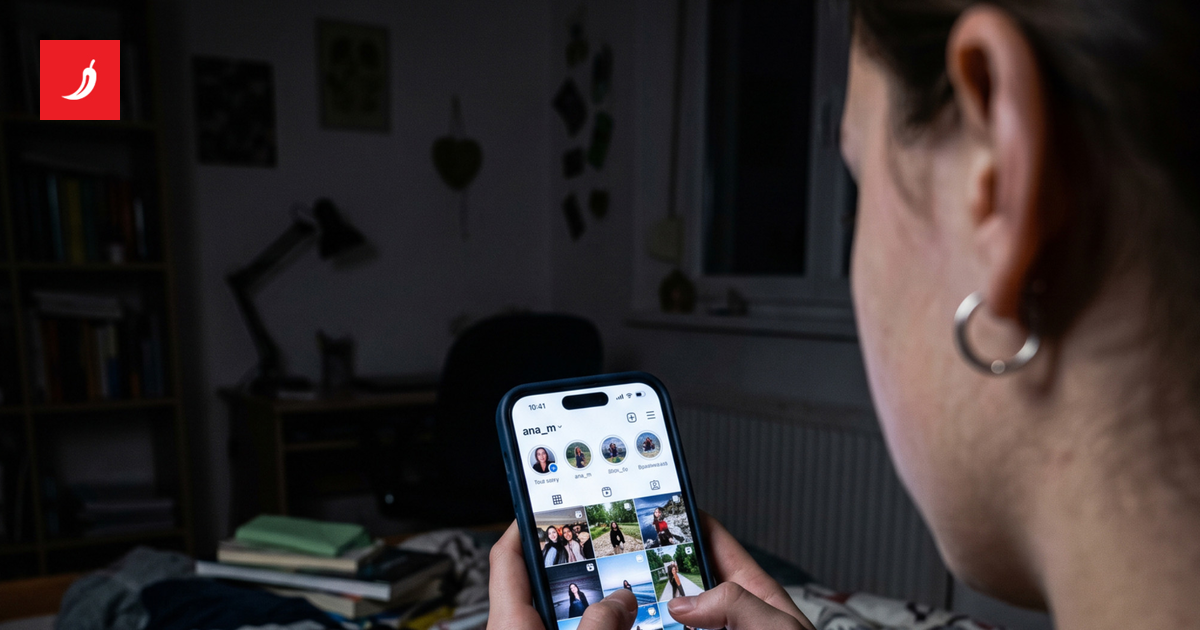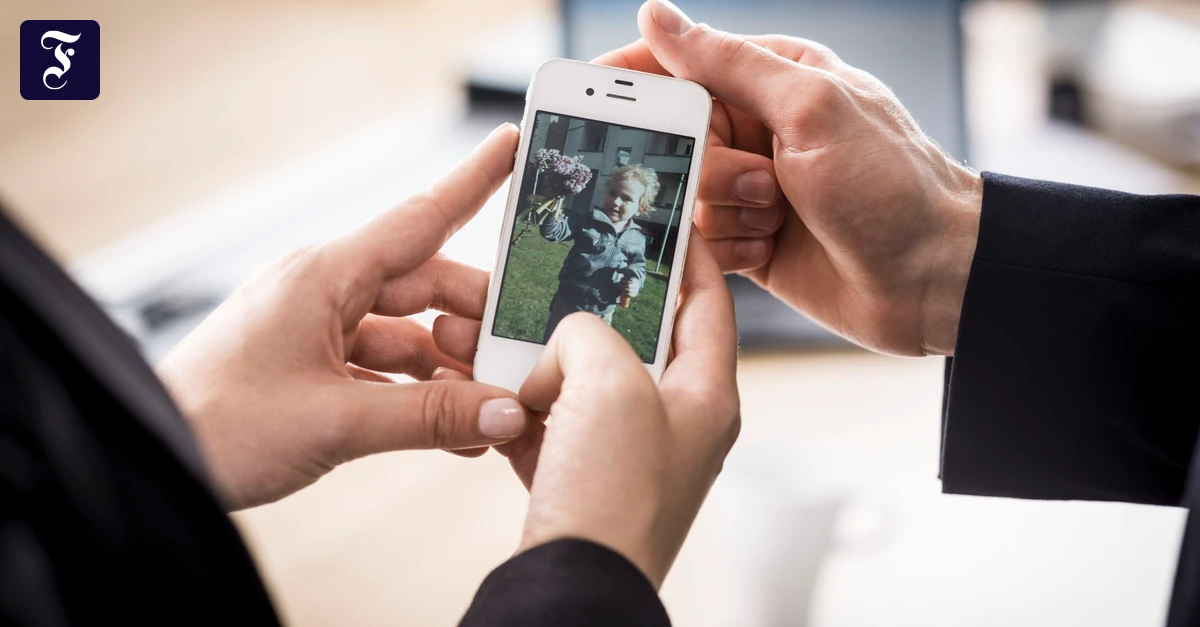
In a touching image, posted by influencers on the social media platform Instagram, a baby lies on its stomach, sleeping, arms and legs stretched out, relaxed. Parents publicly share photos like these along with emotional and intimate moments of their children, garnering significant attention, likes and followers. But are such photos actually good for the child?
Freely accessible images of children are copied, edited and manipulated; placed in different contexts; and used for bullying purposes. Often, sexualized comments are added. Such comments even appeared in the case of the sleeping baby, as documented in the latest annual report by Jugendschutz.net , a government-funded organization in Germany dedicated to protecting children and adolescents online.
The report shows that young people are still inadequately protected. Jugenschutz.net recorded more than 15,000 instances of sexualization, hate and violence in 2025. "That's just the tip of the iceberg," said Stefan Glaser, head of Jugendschutz.net, which was established by the federal government and the states.
The agency receives reports of violations of youth protection regulations, and also conducts its own investigations online. Platform providers such as TikTok, YouTube, Instagram, Snapchat, Discord and WhatsApp are confronted with the findings, and law enforcement agencies are also notified.