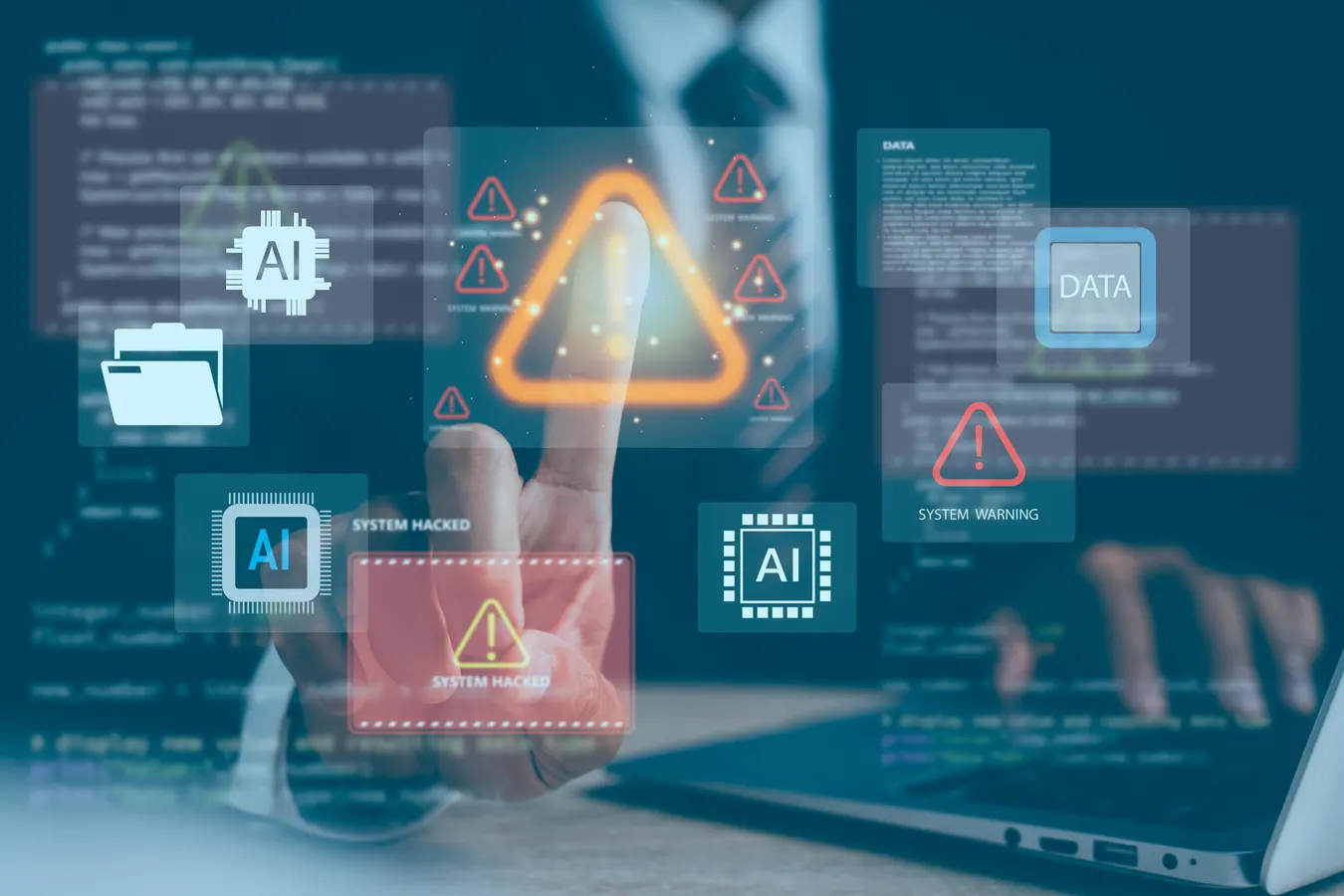
AI, and especially agentic AI, is remodeling attack and defense throughout cybersecurity.
Any distinction between emerging targets and primary targets in app security has dissolved, courtesy of bad actors’ rapid adoption of agentic AI. All apps should be considered primary targets, and security budgets should be allocated to reflect the new reality.
Two areas of focus are discussed in Digital.ai’s 2026 App Security Threat Report.
Firstly, the number of attacks against client-facing apps monitored by the firm has increased from 55% in 2022 to 87% in 2026. This increase is driven by the role of AI in permanently collapsing the cost and expertise required by bad actors to do so. Attackers focus on AI’s ability in reverse engineering, exploit generation, and dynamic analysis.
Secondly, the traditional security gap between iOS and Android closed significantly between 2023 and 2026. “In 2023, iOS apps faced half the attack rate of Android apps. In 2026, they face 97% of it,” states the report, “and the gap that remains is closing fastest in the most sophisticated attack category.” AI’s ability to operate in both iOS and Android environments is the cause.