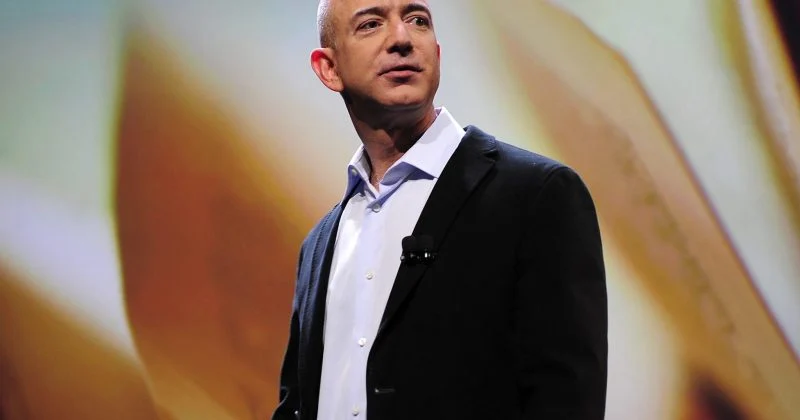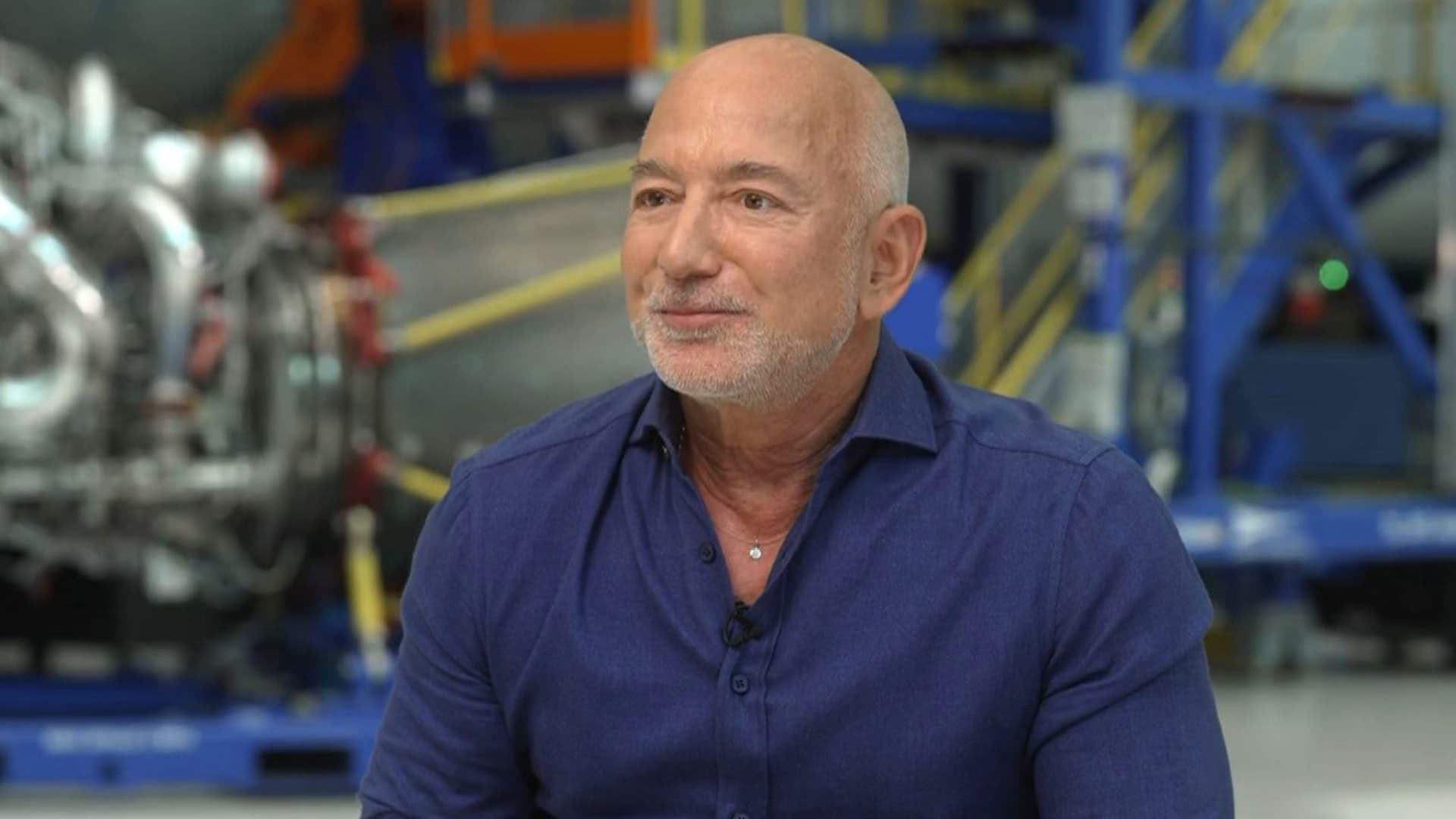
watch nowAmazon founder Jeff Bezos says bringing data centers into space is a "very realistic" outcome, but could take longer than expected to pan out. "Some of the timelines we hear are very short," he told CNBC's Andrew Ross Sorkin on Wednesday. "People would talk about two or three years. That's probably a little ambitious."Bezos, who founded space company Blue Origin, said one key barrier to entry is energy, and chip costs need to come down to make more room in data center budgets. Launch costs also need to get cheaper, he said. Space companies are racing to make data centers in orbit a reality, as limitless artificial intelligence demand skyrockets, sapping up energy resources. Proponents say orbital data centers offer better access to solar energy and resolve the issue of finding land to build these sprawling sites. Businesses are betting big on the prospect of space-based datacenters. In February, Musk said building "orbital data centers" in space was one of the main reasons for merging SpaceX with his artificial intelligence start-up xAI. Blue Origin in March submitted plans to the Federal Communications Commission to send 51,600 data center satellites into low Earth orbit, as part of an initiative dubbed "Project Sunrise."The satellites would be supported by Blue Origin's planned constellation, called TeraWave. Blue Origin has sought regulatory approval to launch TeraWave, saying it hopes to begin deploying the constellation in the fourth quarter of 2027.Read more CNBC tech newsSpaceX picks Goldman Sachs for lead left position on record-breaking IPO, sources sayOpenAI announces new Guaranteed Capacity offering for customers to secure computeGoogle debuts new AI models, personal AI agents in effort to keep pace with OpenAI and AnthropicPentagon taps Shield AI for low-cost drone program as Iran war accelerates demand for cheap drones— CNBC's Annie Palmer contributed reporting
Bezos says 2-3 year timeline for space data centers is a 'little ambitious'
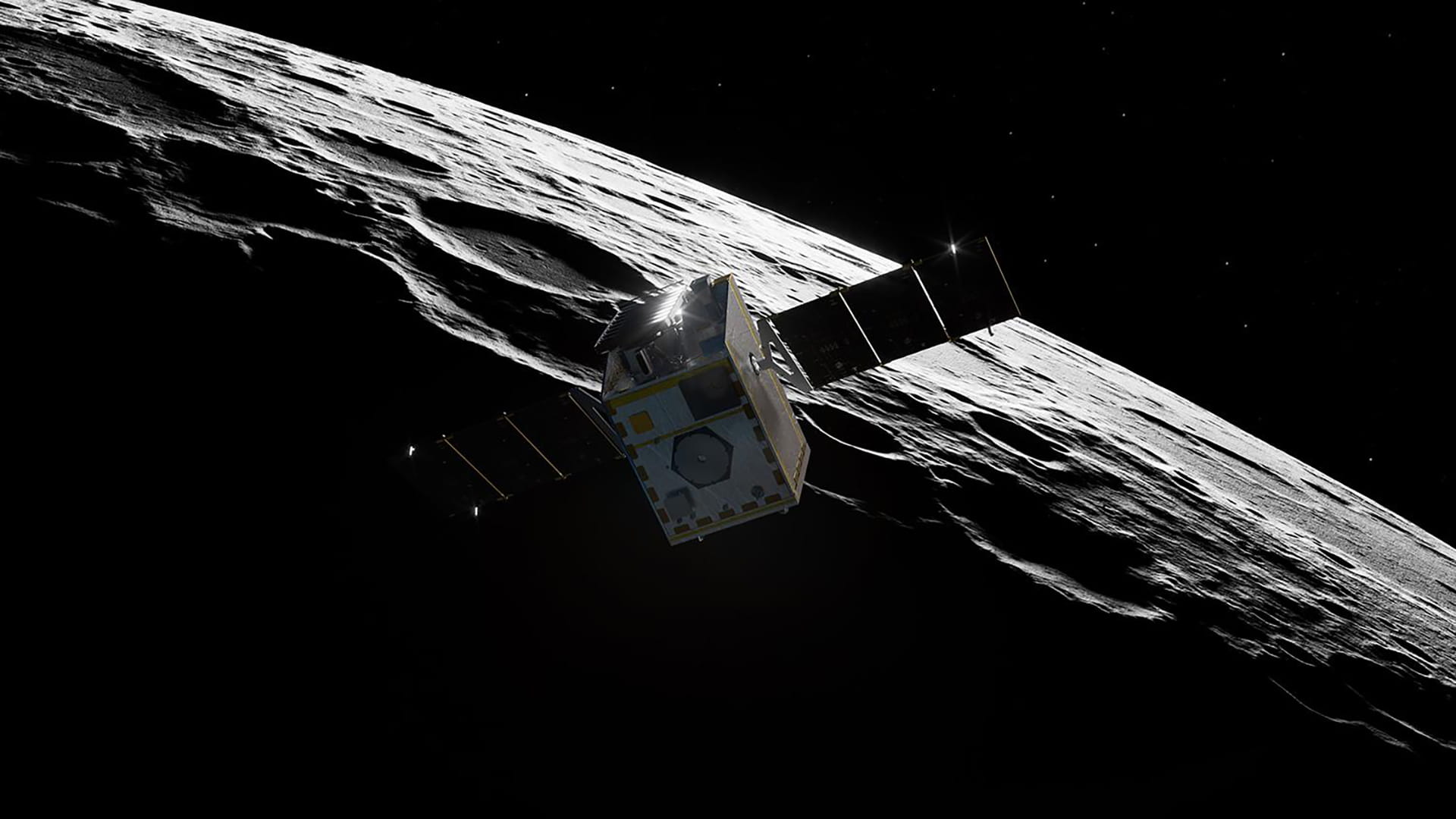
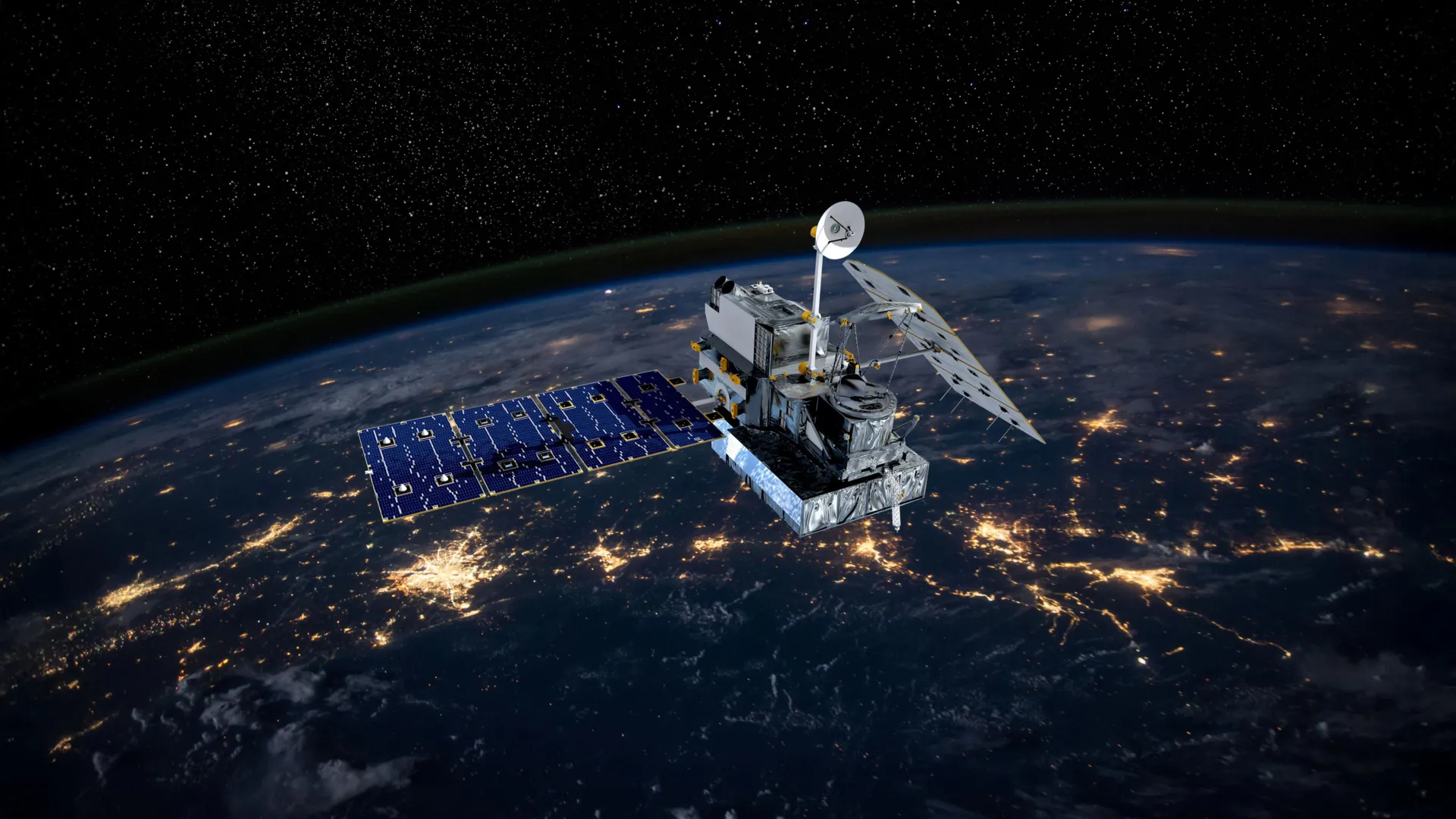
Space companies are racing to make data centers in space a reality, as artificial intelligence skyrockets demand for energy and land resources.
298 words~1 min read