Wednesday 20 May 2026 2:19 pm
| Updated:
Wednesday 20 May 2026 2:20 pm
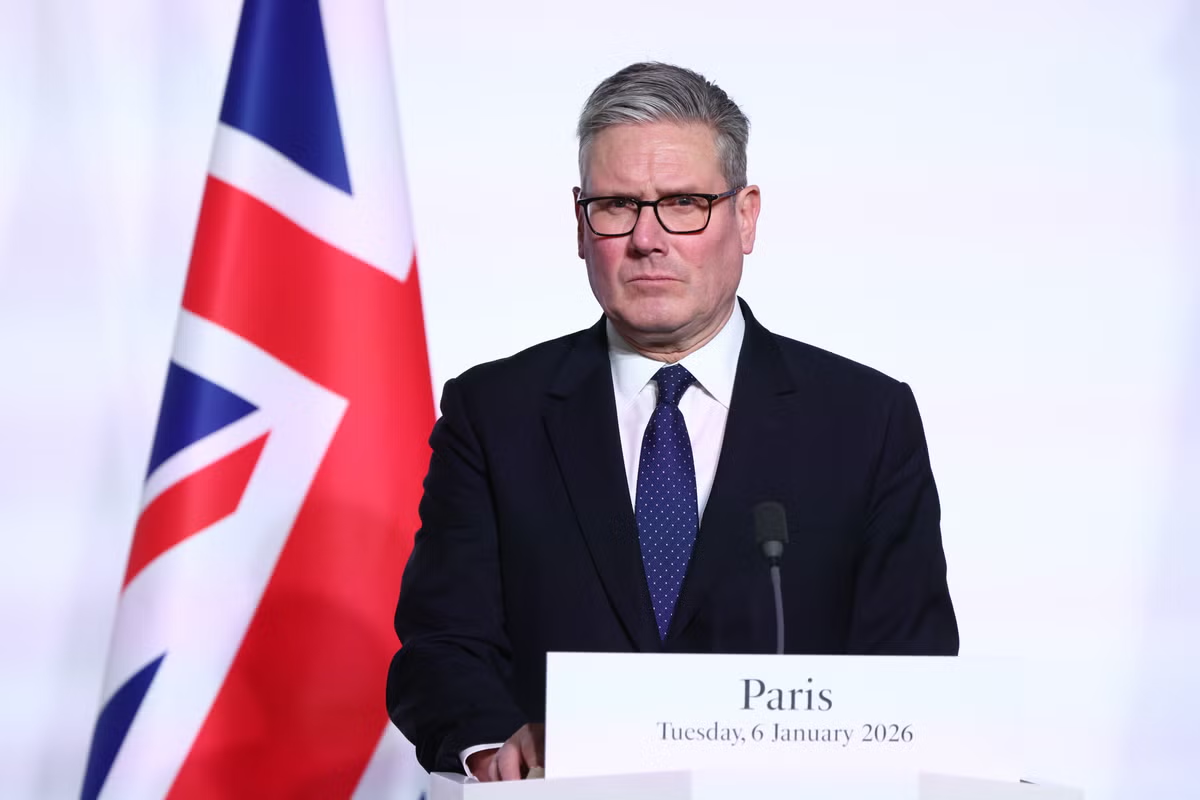
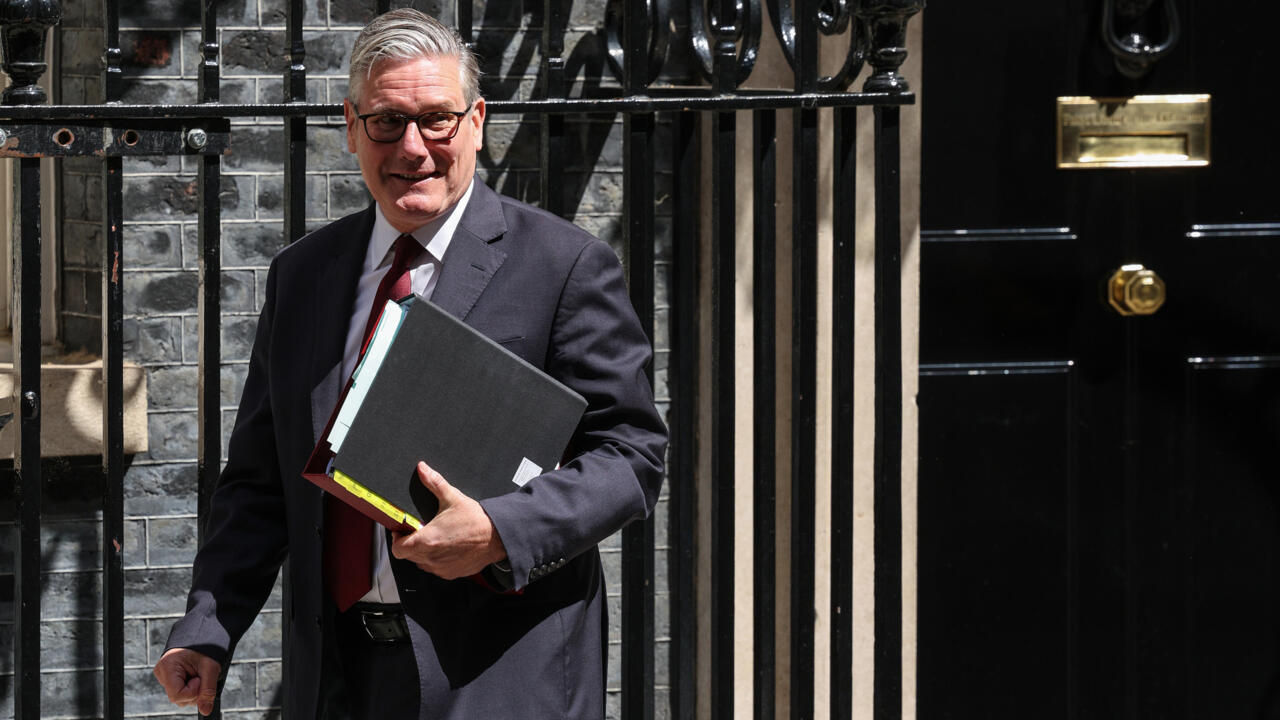
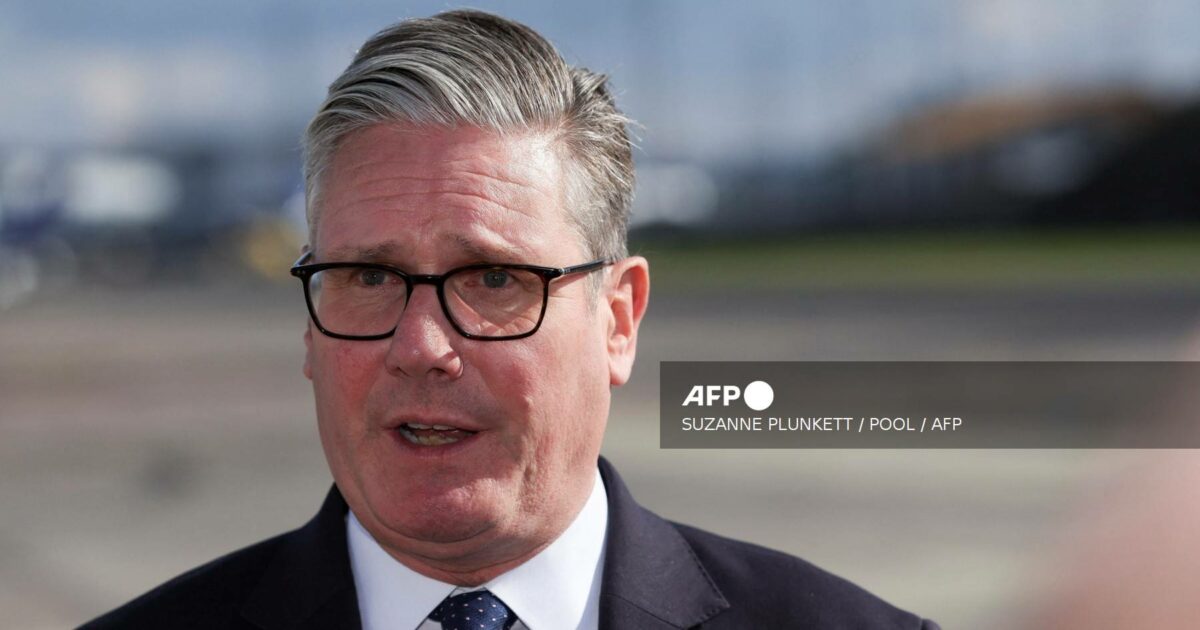
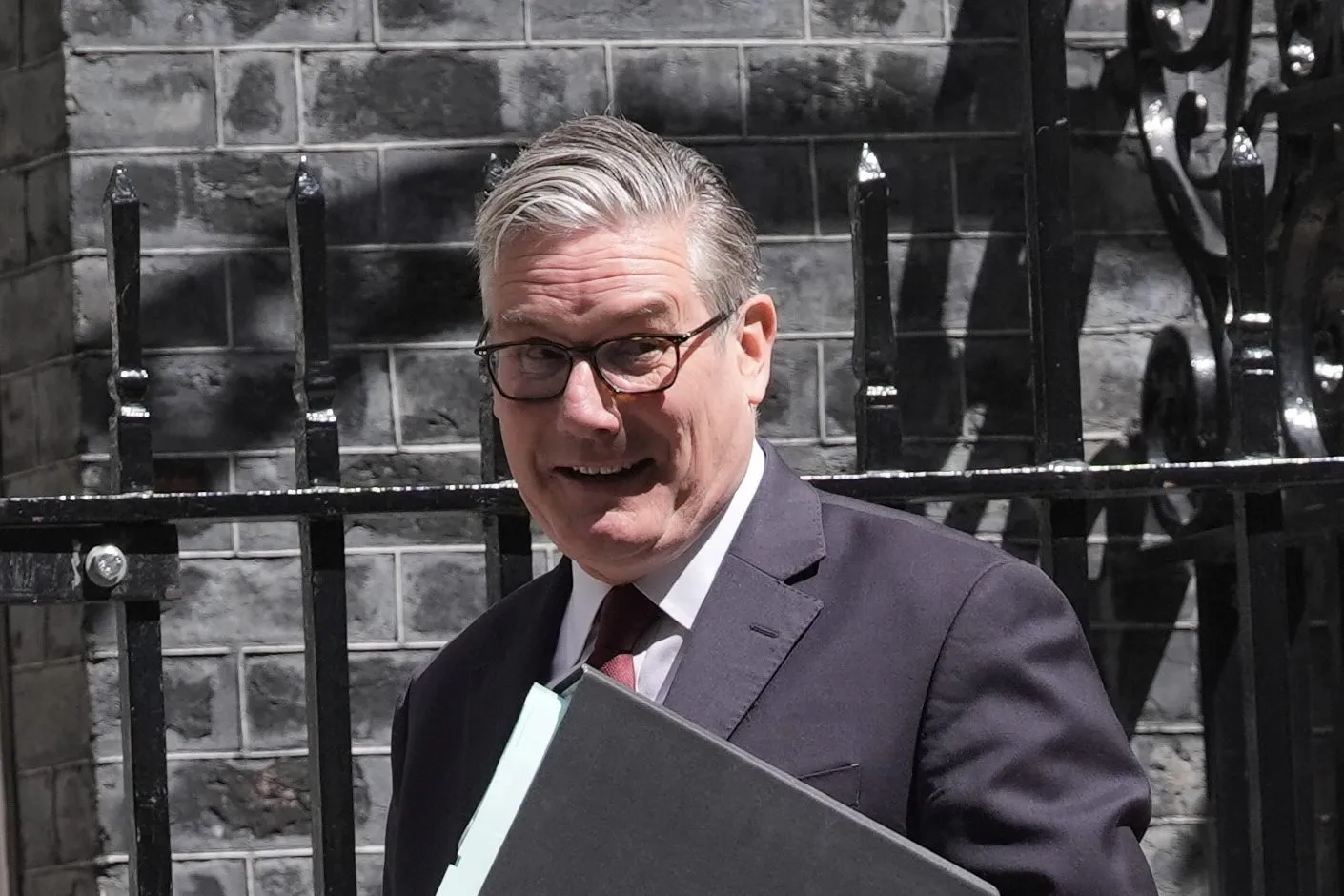
Sir Keir Starmer has set out policies to tackle potential fuel shortages. PA
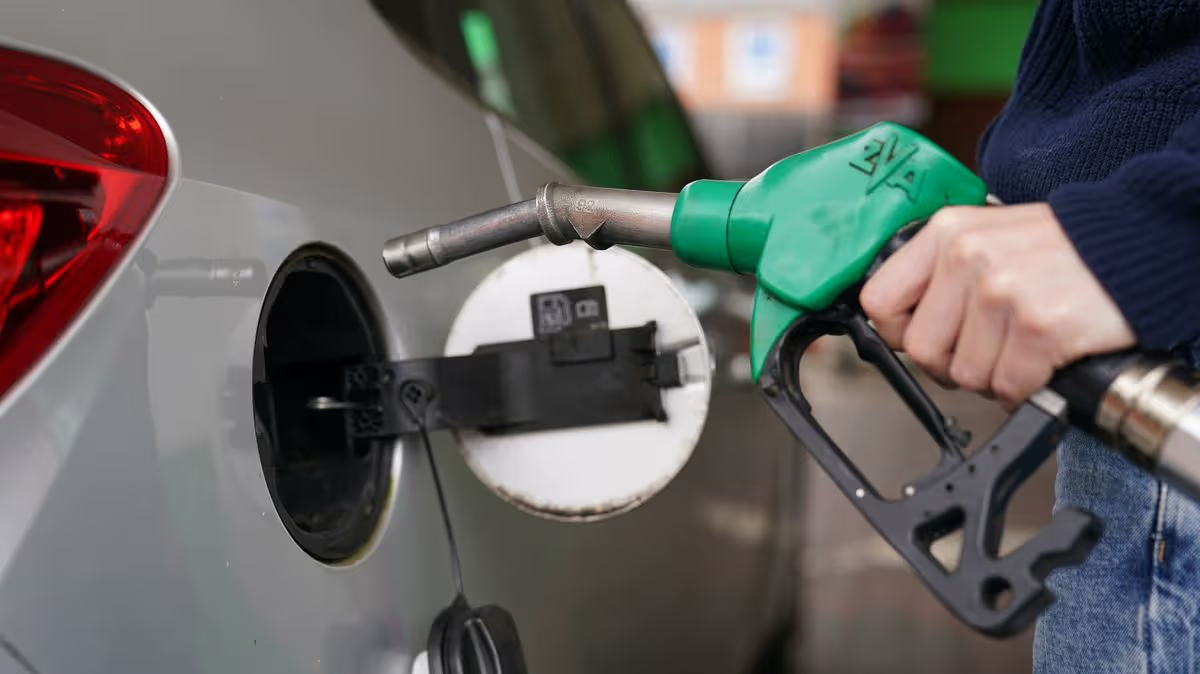
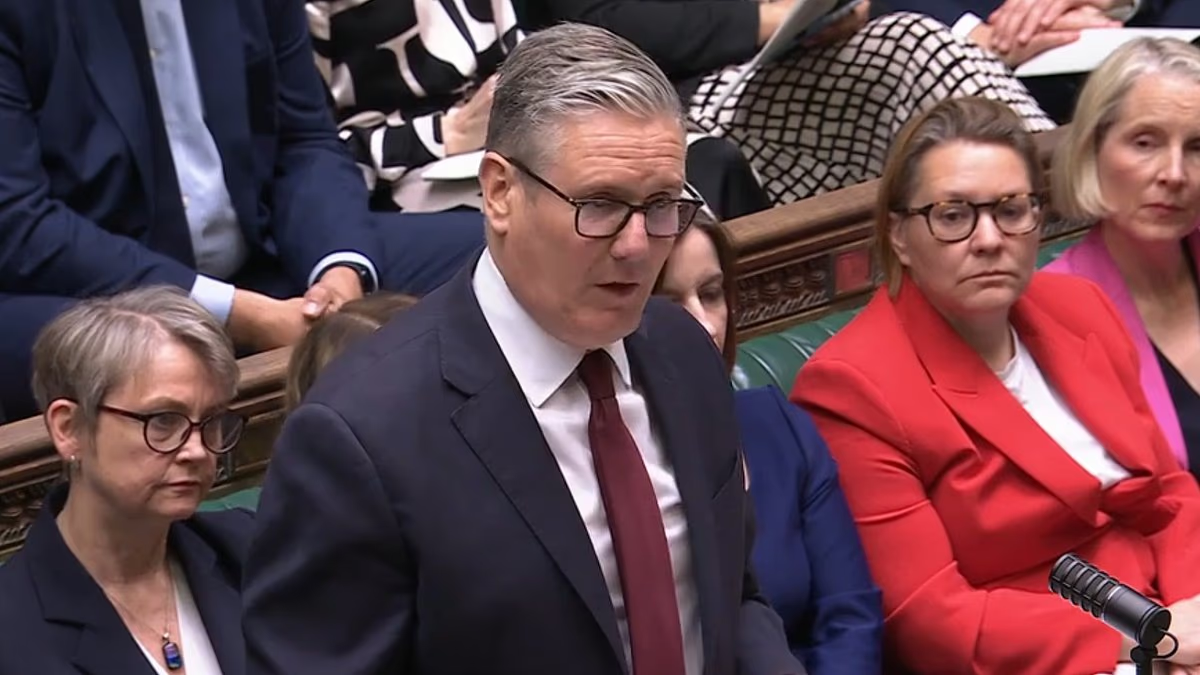
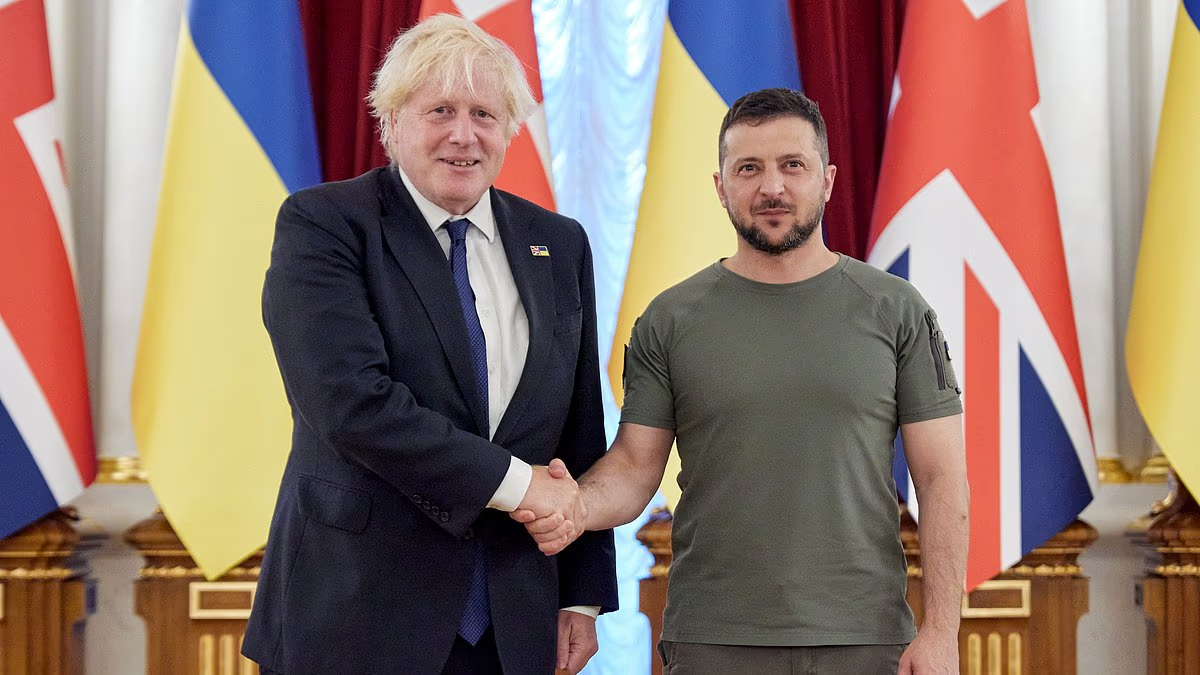
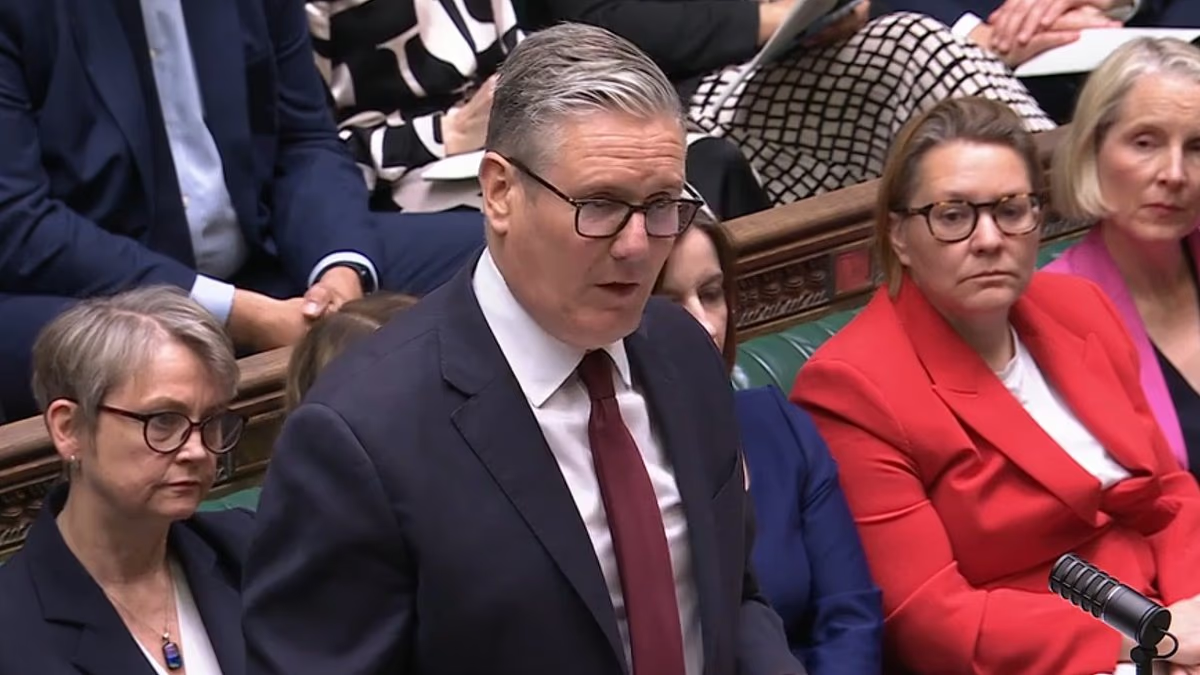
Sir Keir Starmer has spelt out a number of policies to address fuel shortages, signalling the government’s fears that the Iran war could hit motorists and households. During Prime Minister’s Questions, Starmer defended an announcement last year to “phase” new sanctions on Russia, while also trailing a policy to freeze a 5p fuel duty cut beyond September. The government pledged to introduce a new sanction on oil and gas flows from Russia that passed through third countries, announcing the measure last October. But amid fears of jet fuel supply shortages, the government’s sanctions department slipped out a notice late on Tuesday that the UK would allow imports of jet fuel and diesel that originate from Russia and are refined in other countries such as India. A separate licence for the maritime transport of Russian liquefied natural gas was also issued. Starmer has faced criticism from Tory leader Kemi Badenoch, who called the policy “insane”, while Foreign Affairs Committee chair Emily Thornberry said it risked undermining the UK’s support for Ukraine. While trade minister Sir Chris Bryant apologised to MPs for the “clumsy” handling of the sanctions policy, government ministers stuck to the measure, which would be part of a process for a “strong new package” to sanction Russia for its full-scale invasion of Ukraine. By contrast, the European Union has stuck to implementing the ban in full despite fears of fuel supply shortages. Analysts have warned that the UK is at a greater risk of suffering from shortages, although government officers said airlines had not seen any shortages while industry was working on “contingency” plans. Petrol prices hit the highest level since Iran began in late February this week, according to RAC, adding to concerns that inflation is surging across the country.“The last government used exactly the same technique,” Starmer said, not highlighting a specific example. “These are new sanctions being phased in.”‘Clumsy’ policymakingBadenoch also pressed the Prime Minister on the government’s move to fully ban issuing new oil and gas exploration licenses in the North Sea. She added that “this level of processology is not going to get him out” and accused the government of buying “dirty Russian oil”. The licences have been labelled as “temporary” but terms say they are “indefinite” and subject to regular reviews. Starmer’s spokesman said: “This new package is delivering on the commitments we made last year to introduce a new maritime services ban on Russian liquefied natural gas, and to strictly import from third countries’ sale of refined oil products from Russian crude oil. “The licenses are temporary and reviewed regularly. Licences are a standard practice for ensuring market stability, used by both this government and previous administrations.”Fuel duty freeze to continueStarmer, who is under pressure to take a more radical approach on economics policymaking from disgruntled Labour backbenchers, also revealed that Chancellor Rachel Reeves was set to announce that a fuel duty freeze would be extended beyond September. The Chancellor is set to deliver a speech on Thursday where she will set out policies around an energy support package. The continuation of the fuel duty freeze will cost around £455m next year, according to government analysis, but the full measure will be scored by the Office for Budget Responsibility at this year’s Budget. A report in the Financial Times also suggested that the Chancellor was asking supermarkets to impose a “voluntary” price cap on essential food items in return for suspending regulations on healthy diets and the packaging tax. The government said “government-imposed or mandated price caps” were not being considered, but that negotiations were taking place with supermarkets to tackle the cost of living. Starmer’s spokesman also did not rule out stripping regulation for supermarkets as the government targeted an administrative burden cut of 25 per cent for businesses.