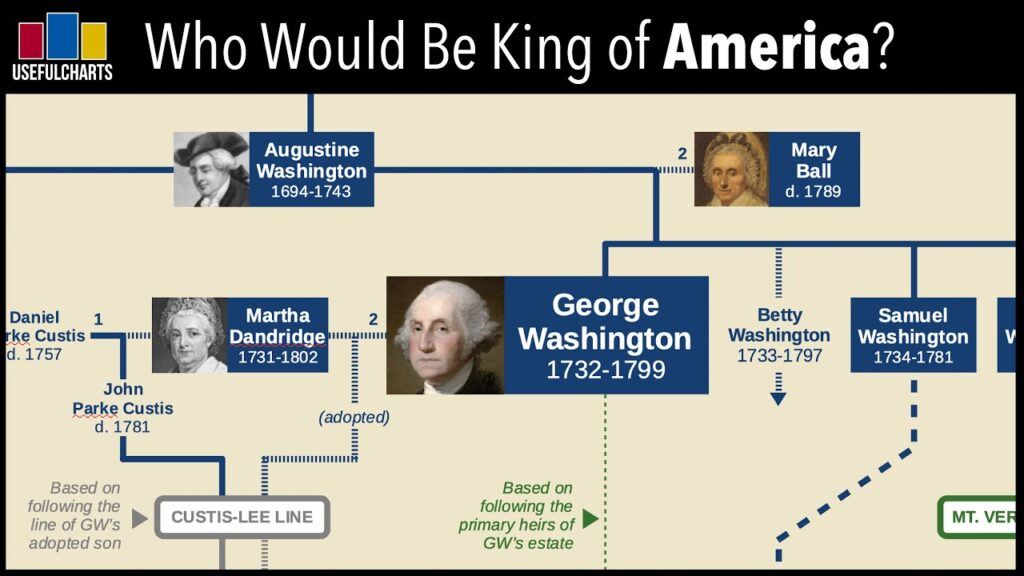
A young man seeking a career requires a role model, or at least benefits from one. George Washington’s father had been a planter and merchant, but Augustine Washington’s early death deprived the boy of direct observation during the years when he was becoming a man. Brother Lawrence Washington’s military service doubtless turned George’s British empires eyes in that direction, yet the temporary nature of Lawrence’s service gave George little more than a taste of what a life at arms entailed. And Lawrence’s early death, following the failure of the Barbados therapy for his tuberculosis, attenuated even that.Article continues after advertisement
Edward Braddock was different. The general revealed the full flowering of a military career in the British empire. Washington’s taste of battle had whetted his appetite for its drama and danger, and his time in command made him think he was good at giving orders and having them obeyed. He wanted more of the soldier’s life, and Braddock showed what more looked like. The British army might be his future.
It would have to be the British army. Washington had hit a wall in the Virginia militia. He’d been promoted to colonel after the death of Joshua Fry, but that simply meant that all the responsibility for the defeat at Fort Necessity fell on his shoulders. He offered the expected excuses: he was outnumbered, supplies ran low, the rain made defense impossible. He overreported the damage his men had done to the French. “The number killed and wounded of the enemy is uncertain,” he wrote, “but by the information given by some Dutch in their service to their countrymen in ours, we learn that it amounted to above three hundred, and we are induced to believe it must be very considerable, by their being busy all night in burying their dead.”