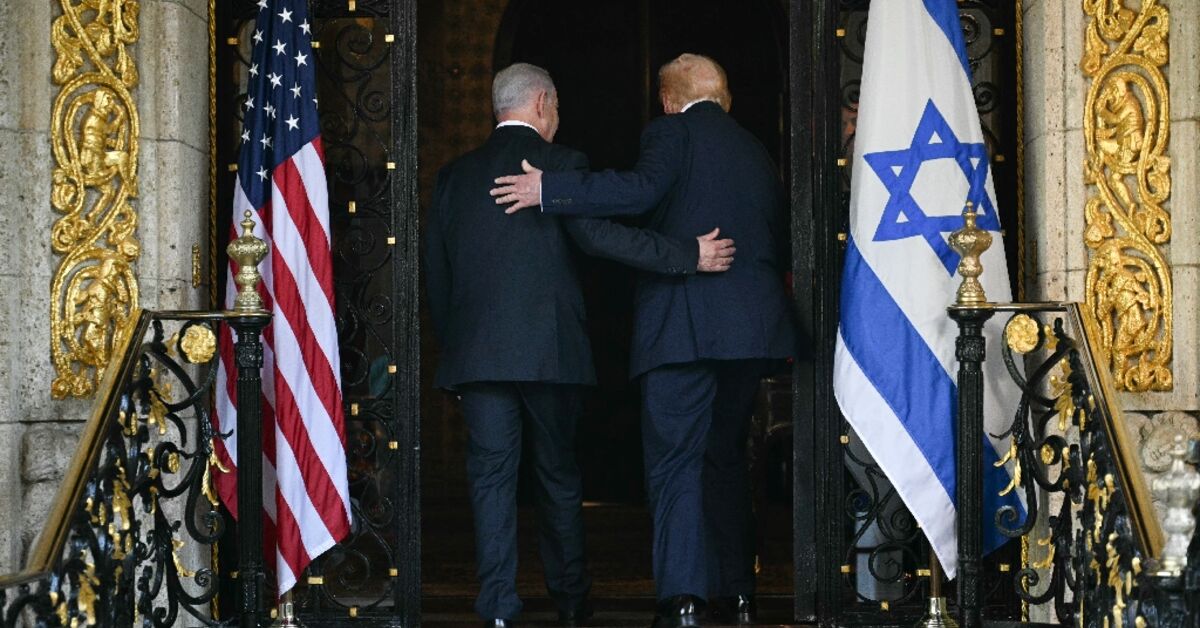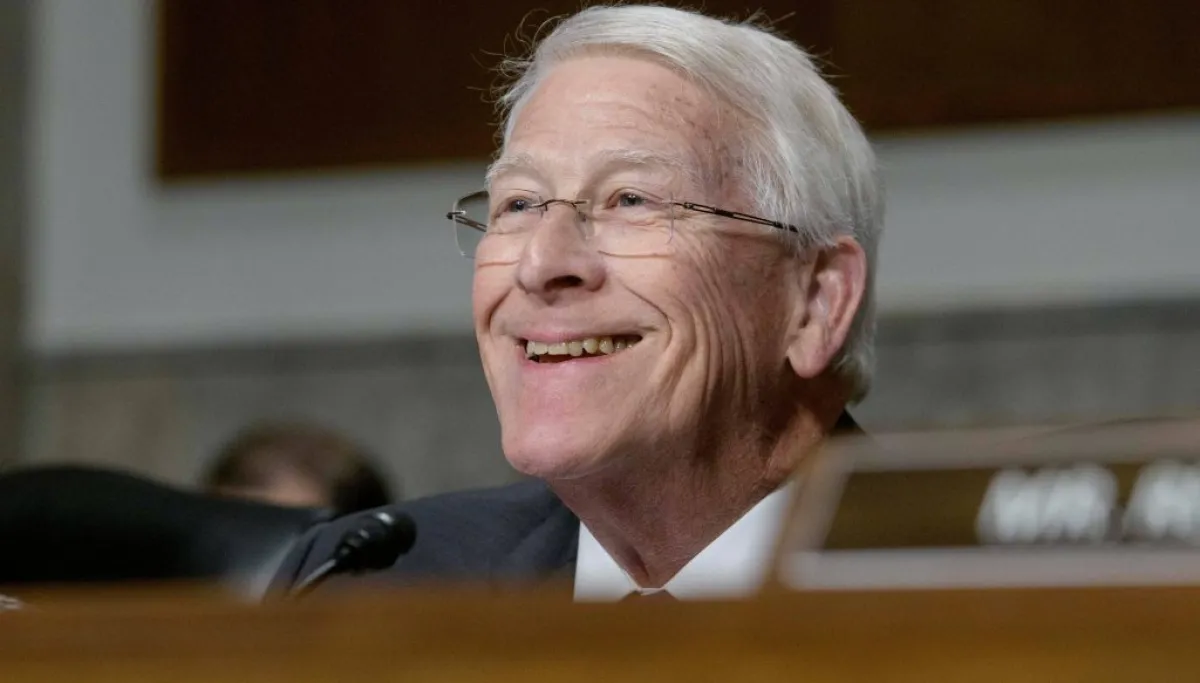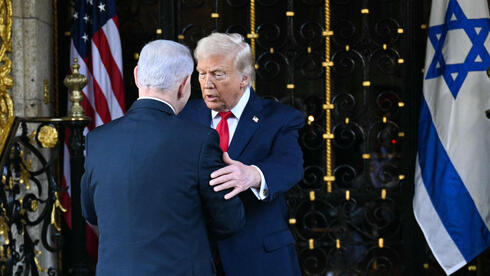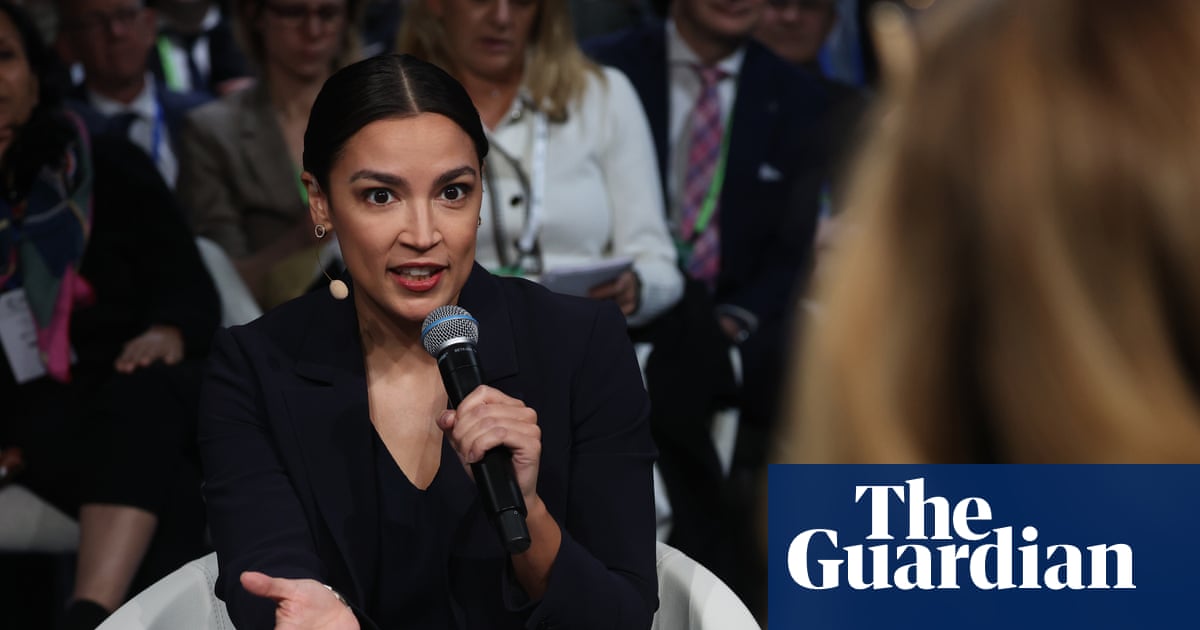
Washington is in the middle of a rare and long-overdue debate about whether U.S. military aid actually serves U.S. interests. From Sen. Lindsey Graham to Rep. Alexandria Ocasio-Cortez, lawmakers have recently called—to varying degrees—for the end of U.S. aid to Israel, forcing a reckoning with how the United States uses military assistance as a foreign-policy tool.
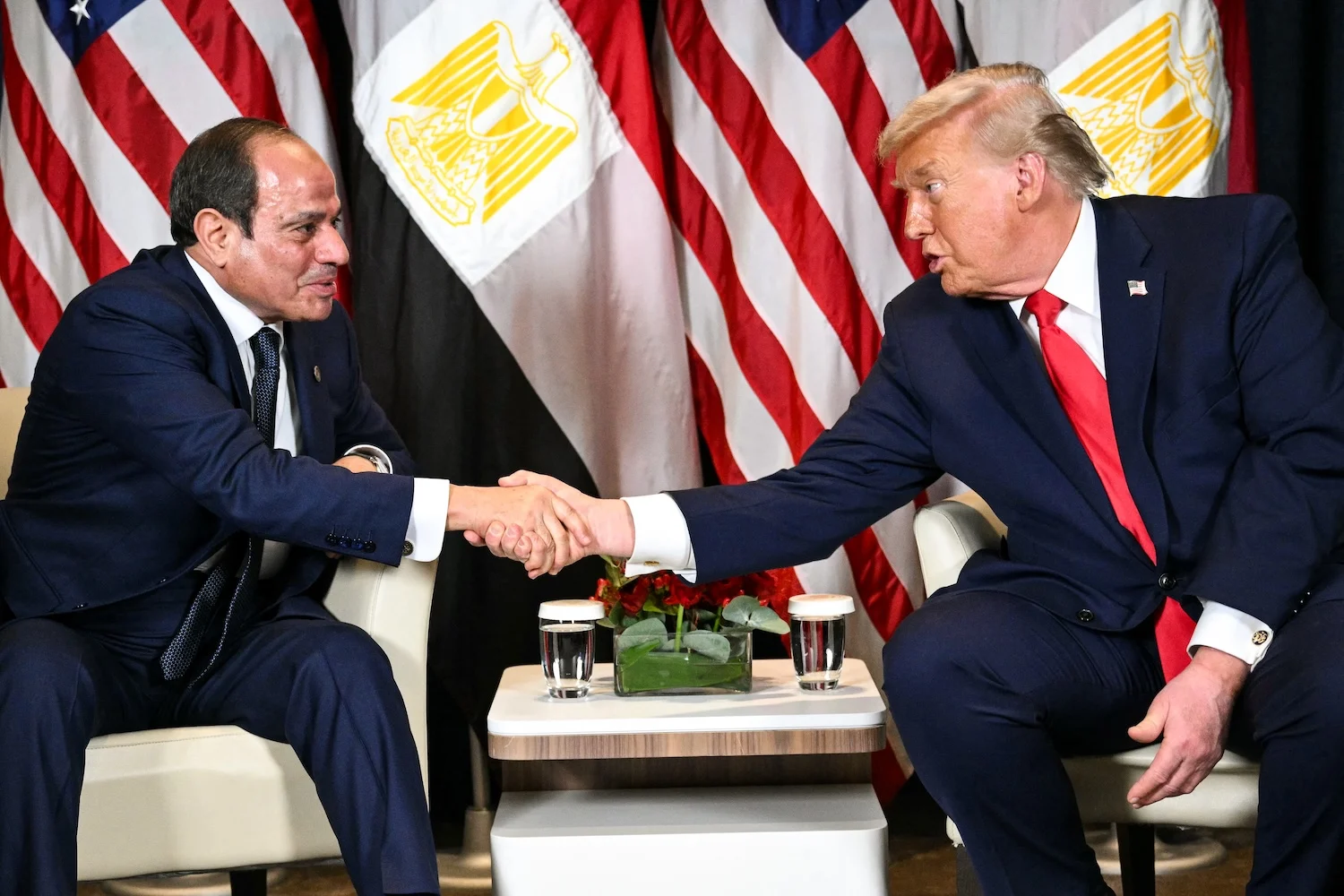
But Israel is not the only relationship that deserves scrutiny. Egypt has received $1.3 billion in U.S. military financing every year—and has for nearly four decades—despite bribing a U.S. senator, imprisoning Americans, and ranking among the world’s worst human rights abusers.
If the U.S. Congress is finally asking the hard questions about what U.S. military dollars buy, then Egypt belongs in that conversation. At least since the 2013 military coup led by Abdel Fattah al-Sisi, U.S. military aid to Egypt has failed to deliver a meaningful return on investment, advance U.S. interests, or meet the principled and strategic standards embedded in U.S. laws. Instead, assistance to Egypt has become an exercise in inertia: requested, appropriated, and obligated with little consideration beyond tired bromides about promoting regional stability and supporting long-standing partnerships.