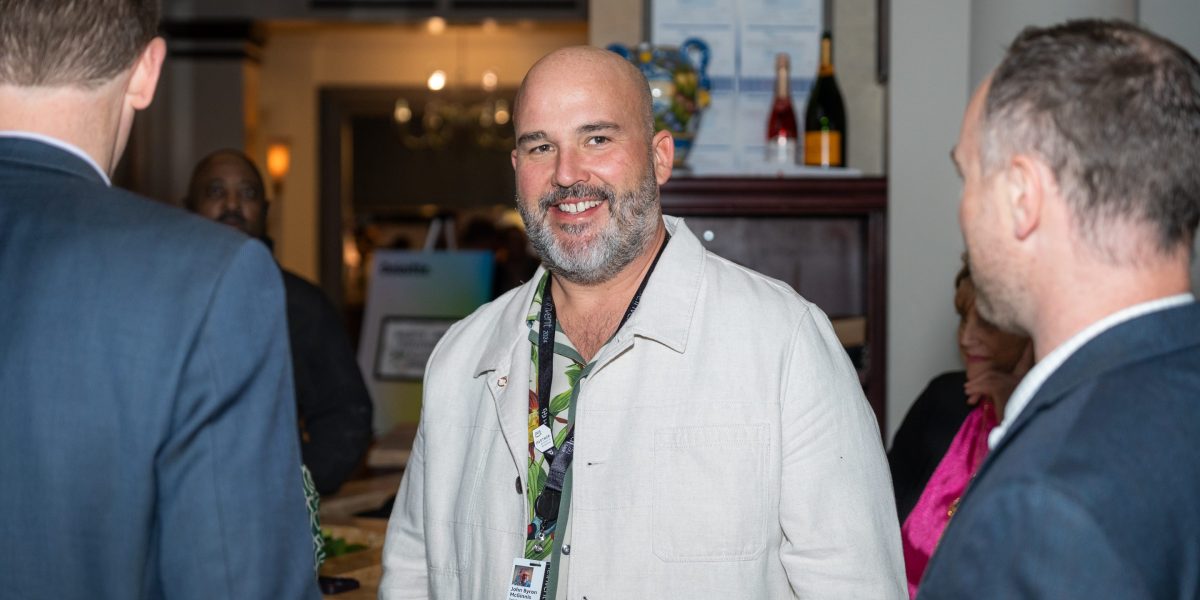
The simple founder lesson Bill Gates learned from working in customer support at his daughter’s startup.Organisations often perceive hyper growth as a numbers game where the focus is on macroeconomic metrics and strategy alignment. We have this impression that if the management team spends enough time analysing the market trends and going through the quarterly reports and planning meetings, the organisation will automatically attain its business objectives.However, this idealised narrative overlooks a harsh operational reality that many growing businesses encounter. Long before a company can successfully expand its reach or optimise its financial sheets, it must establish an intimate understanding of how real humans interact with its core services. When a management team distances itself from front-line realities, it inadvertently builds systems around hypothetical user actions rather than authentic consumer needs.This is because a very practical demonstration of leadership, which ran completely contrary to the norms of how business was done within most corporations, saw Microsoft co-founder Bill Gates pointing out this very bottleneck through an action. Rather than giving advisory notes from his office in the boardroom, he decided to post on his LinkedIn page that he would be joining the customer service team at Phia, an AI-powered fashion platform co-founded by his daughter, Phoebe Gates, and Sophia Kianni.Whereas the corporate culture tends to favour objective company reports, the seasoned technologist preferred to devote one day to responding to user queries himself in order to see where the product really works or fails under stress. Through exchanging his privileged strategic solitude for a common front-line desk stint, the seasoned executive managed to transform the whole debate from abstract indicators to actual consumer intimacy.Reengineering the speed of front-line consumer feedbackIn order to grasp the strategic significance of a mere support desk stint compared to conventional corporate reporting, one needs to focus on how critical performance data is dealt with inside the organisation. In contrast to filtered reports that travel several layers up the management hierarchy, front-line interaction provides raw data on consumer behaviour.If the organisation depends on the presentation by top executives only, the operational problems will be minimised or ignored in order to make the report short. The structure of such a reporting channel itself becomes an invisible filter that eliminates the sense of urgency and passion that refers to engineering errors.This dynamic is exactly what direct support loops seek to correct. According to an operational study published by Adam M Grant titled Outsource Inspiration, modern corporate leaders regularly possess an impoverished understanding of their company's actual impact due to severe operational distance. His research emphasises that when leaders explicitly prioritise regular contact with ordinary end users, they gather unfiltered data that immediately alters whether a high-level corporate decision adds real value or destroys it.Why Bill Gates spent time answering customer complaints at his daughter’s startup? Image credit - WikimediaIt provides a defensive layer that prevents a vacuum of knowledge from being created, wherein serious service conflicts remain undiscovered until they start to create customer churn issues. Getting involved in customer complaints will give the organisation a shortcut in detecting important product defects and delays in service delivery that would take time to be detected using a brainstorming approach.The structural change towards consumer retentionThere is a larger lesson to learn here about creating legitimate authority and alignment within extremely competitive modern industries. Customer retention cannot be engineered after the process through effective advertising campaigns; it can only be done at the beginning through resolving user confusion and unmet expectations.Whereas the manager moves beyond generalised statistics and examines an average onboarding process, a technical problem becomes no longer a statistic but a source of human irritation. Such an approach towards practical business design makes sure that the brand changes its strategy in response to real-life market conditions, especially when it comes to rapid growth.As per the PwC’s survey on customer experience until 2025, up to 52 per cent of customers claim that they decided to stop purchasing anything from a certain brand due to a negative experience with their goods or services. In contrast, another 29 per cent have left businesses because of their poor service, both online and offline.By deliberately closing the distance between planning and the human input, leaders will keep their organisation from becoming confused on a larger scale. By regarding the information coming from customer service as important intelligence rather than a minor administration job, the enterprise will be able to adapt its functions according to real human behaviours so that future marketing efforts won’t just speed up the disappointment process.
When Bill Gates worked a customer-support shift for his daughter's startup, it revealed a founder lesson most CEOs forget
Organisations often perceive hyper growth as a numbers game where the focus is on macroeconomic metrics and strategy alignment. We have this impression that if the management team spends enough time analysing the market trends and going through the quarterly reports and planning meetings, the organisation will automatically attain its business objectives.
755 words~3 min read