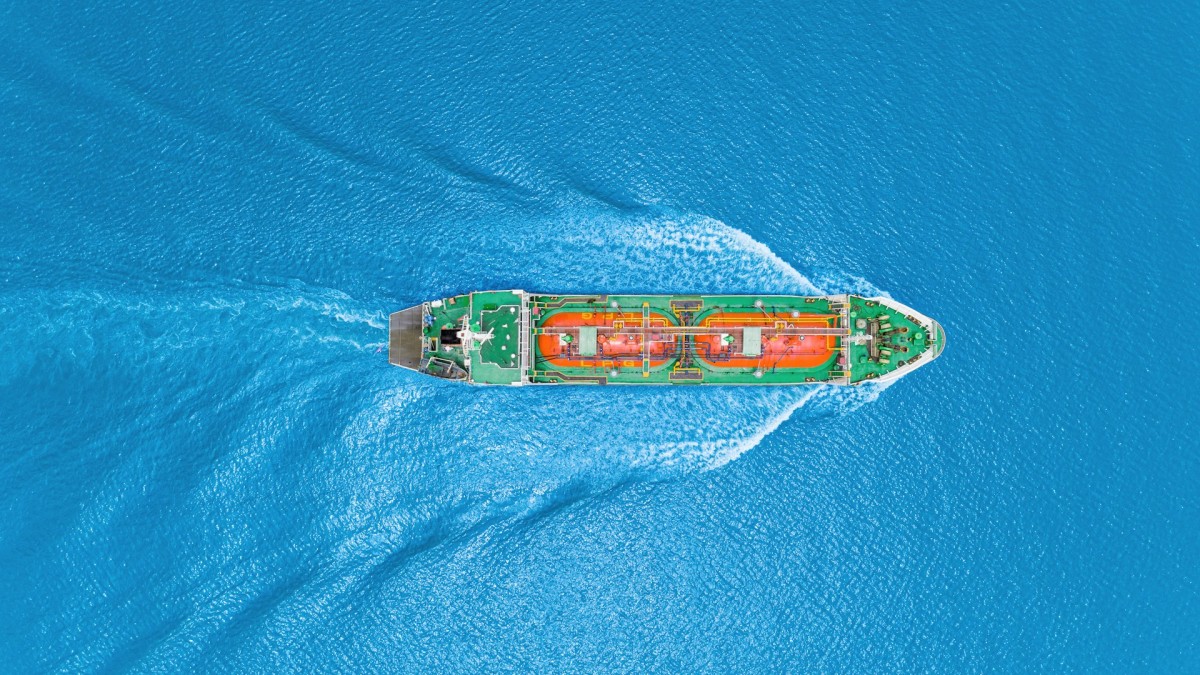
How to Measure a Ship's CO₂ Emissions From Land
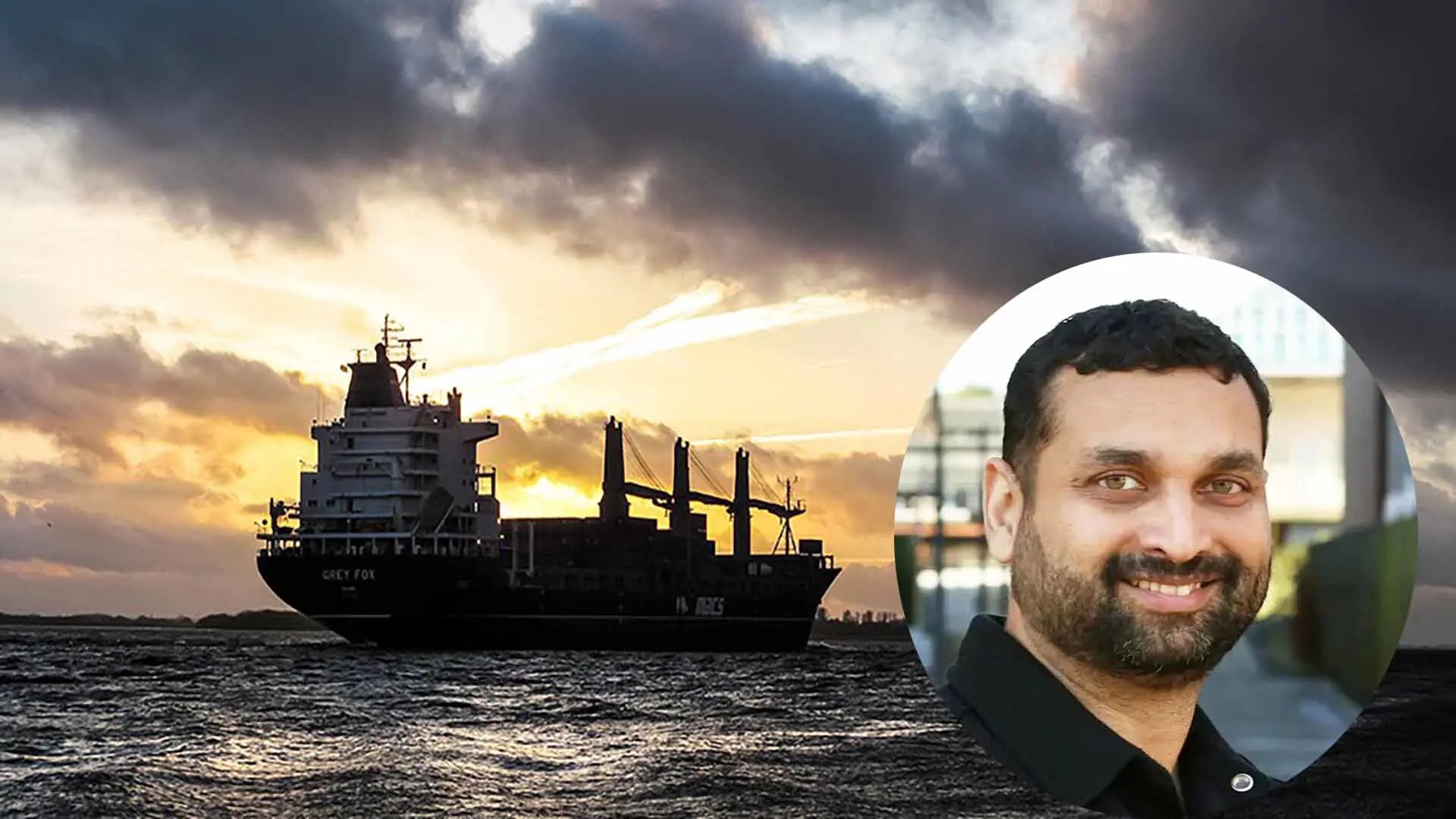
Here's a question that sounds simple until you try to answer it: how much CO₂ did that container ship just emit on its way from Shanghai to Rotterdam?
You can see the ship. You know roughly where it went, and roughly how fast. You can look up its size. And yet the honest answer — the one a regulator or a carbon accountant would actually accept — requires you to know things about that vessel that aren't printed on the hull. What fuel was in its tanks. What its engines were designed to do at three-quarters load. Whether its propeller has been polished this year. Whether the paint on its hull is the slick anti-fouling kind or the kind that's currently hosting a small ecosystem of barnacles.
This tutorial is about closing that gap. We're going to walk through how to ask our /emissions endpoint for the CO₂ output of a single vessel, and — more interestingly — how to understand what the API is actually doing under the hood. Because if you're going to make a decision based on a number, you should know where the number came from.
The thing everyone gets wrong