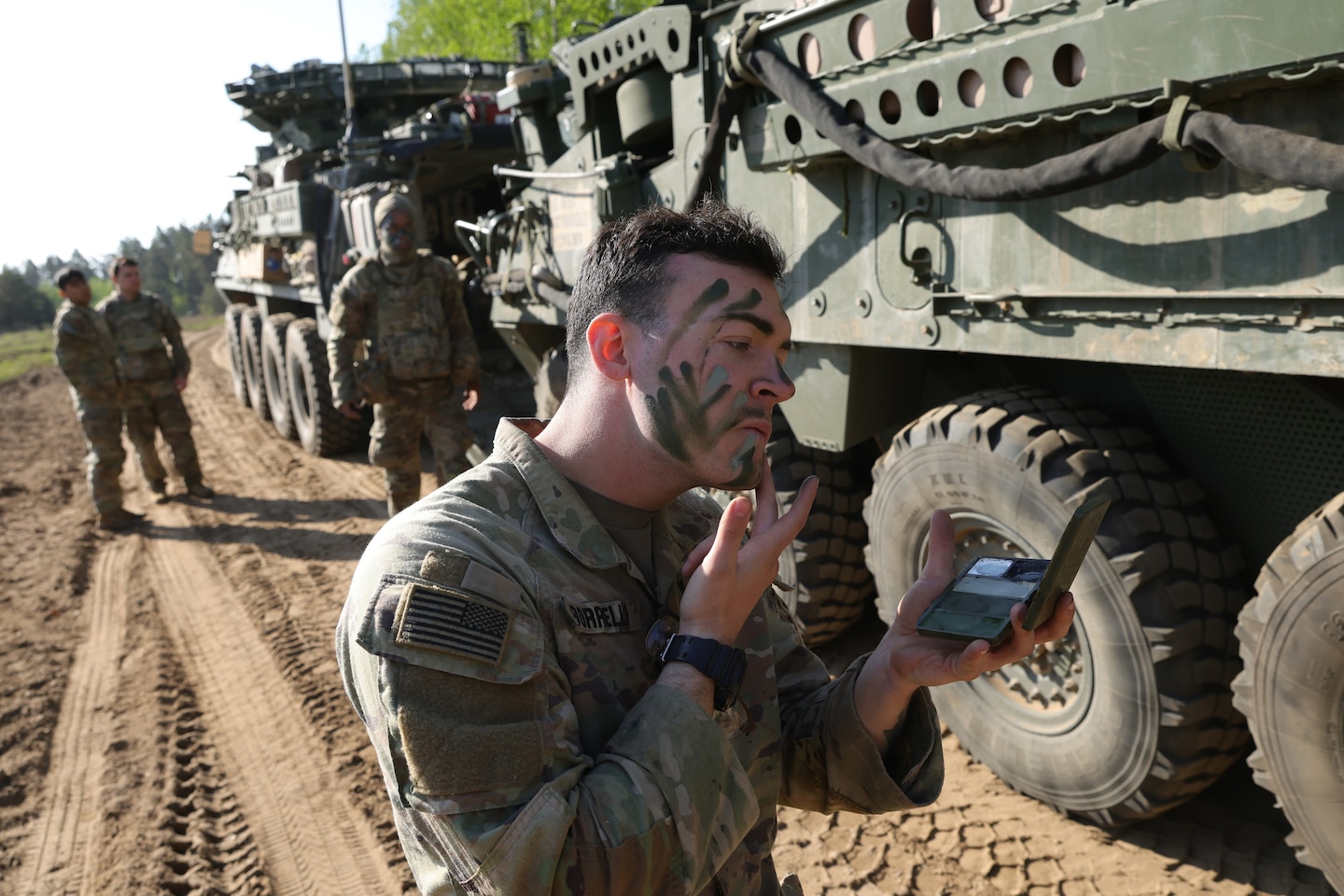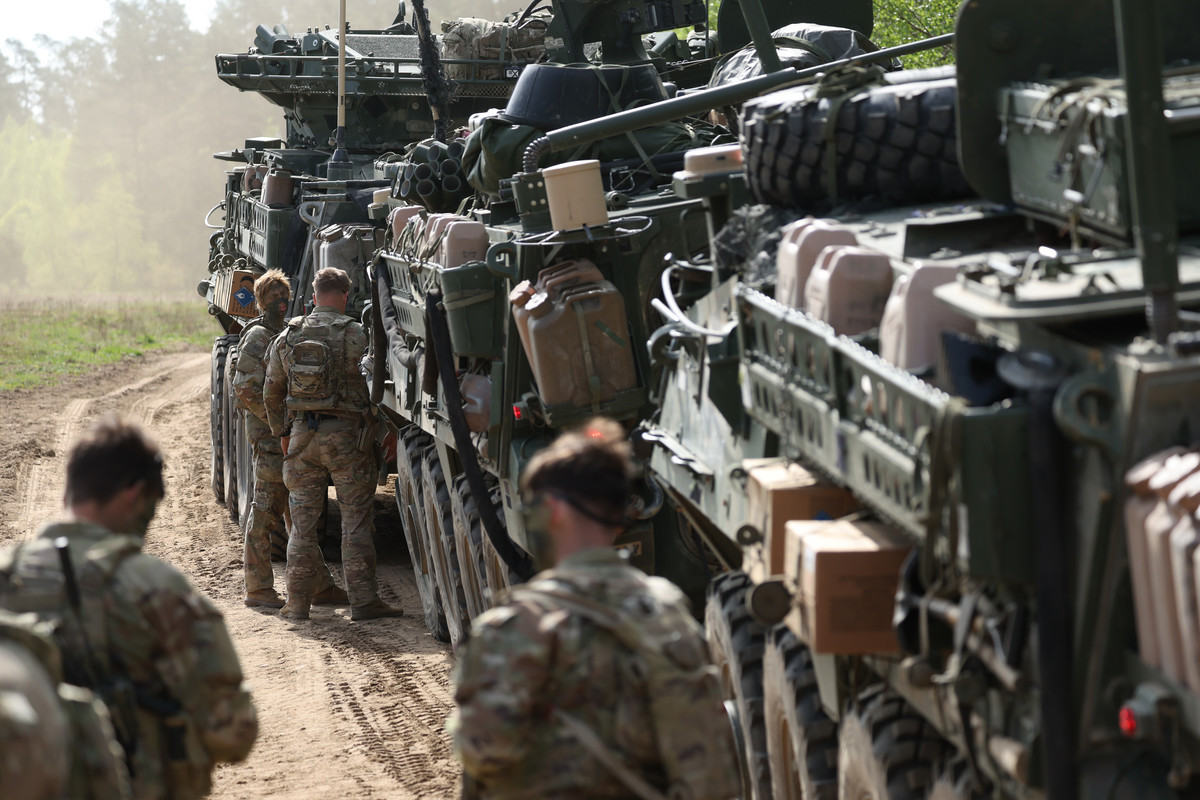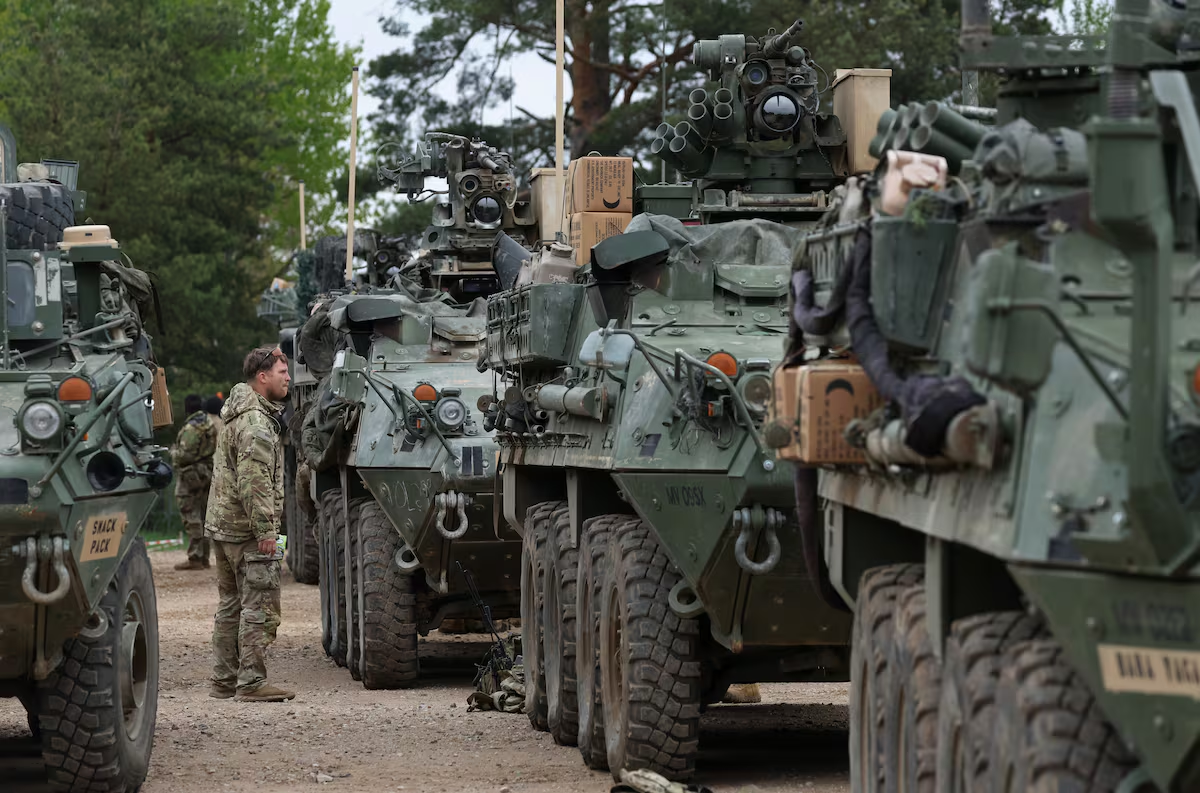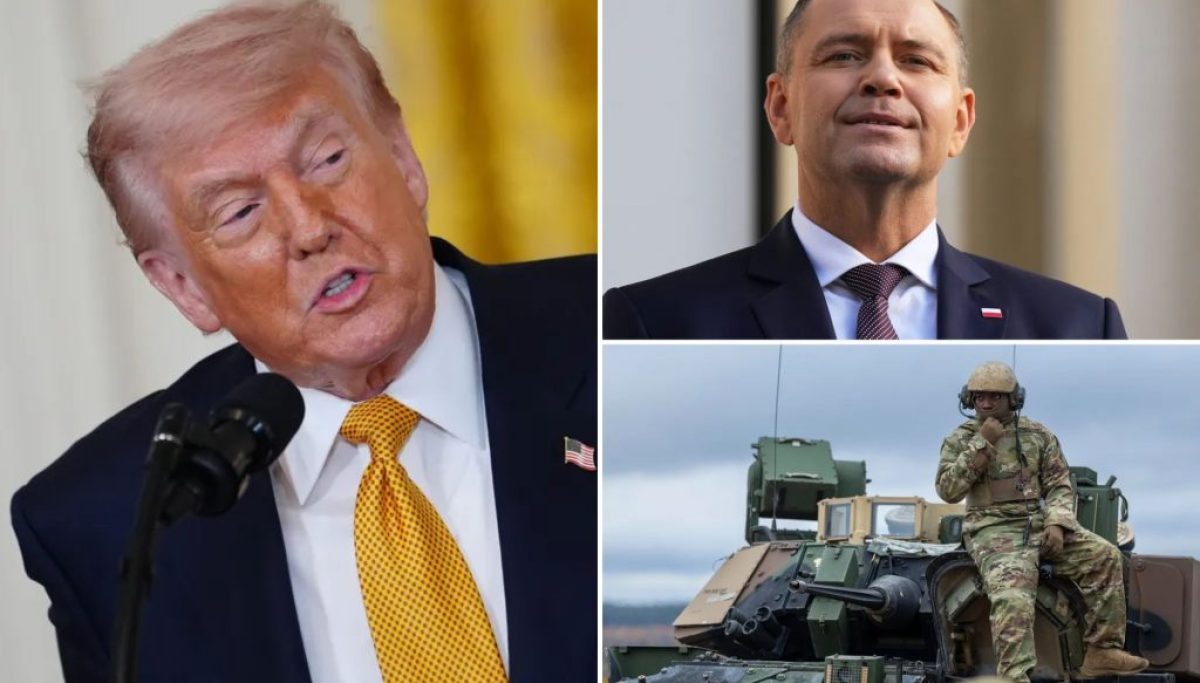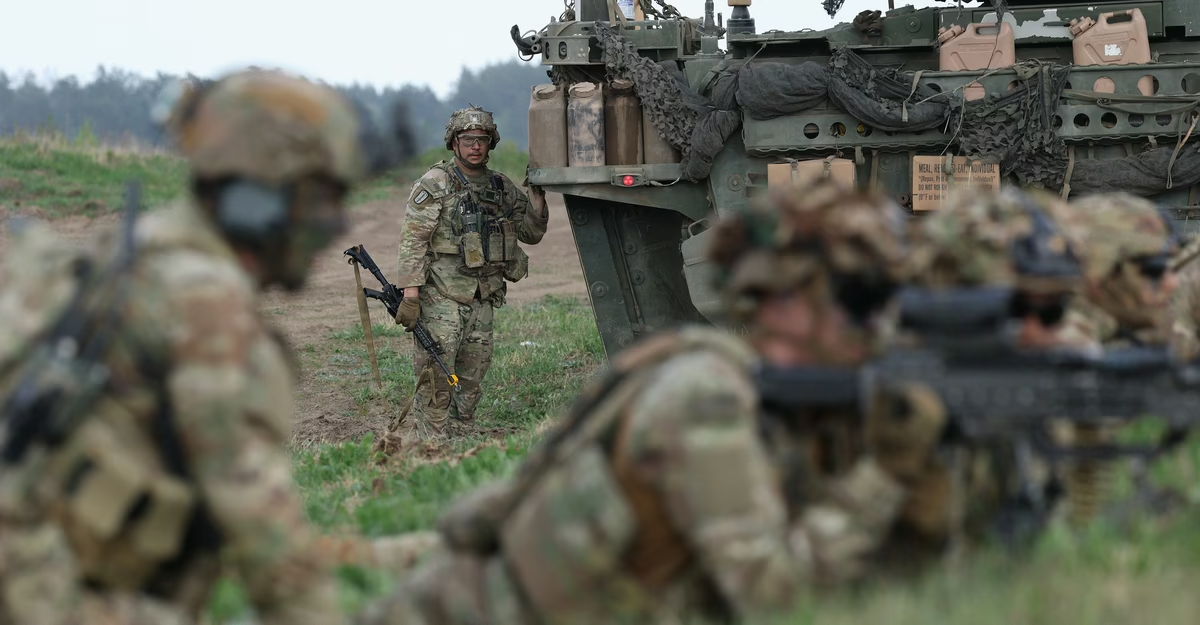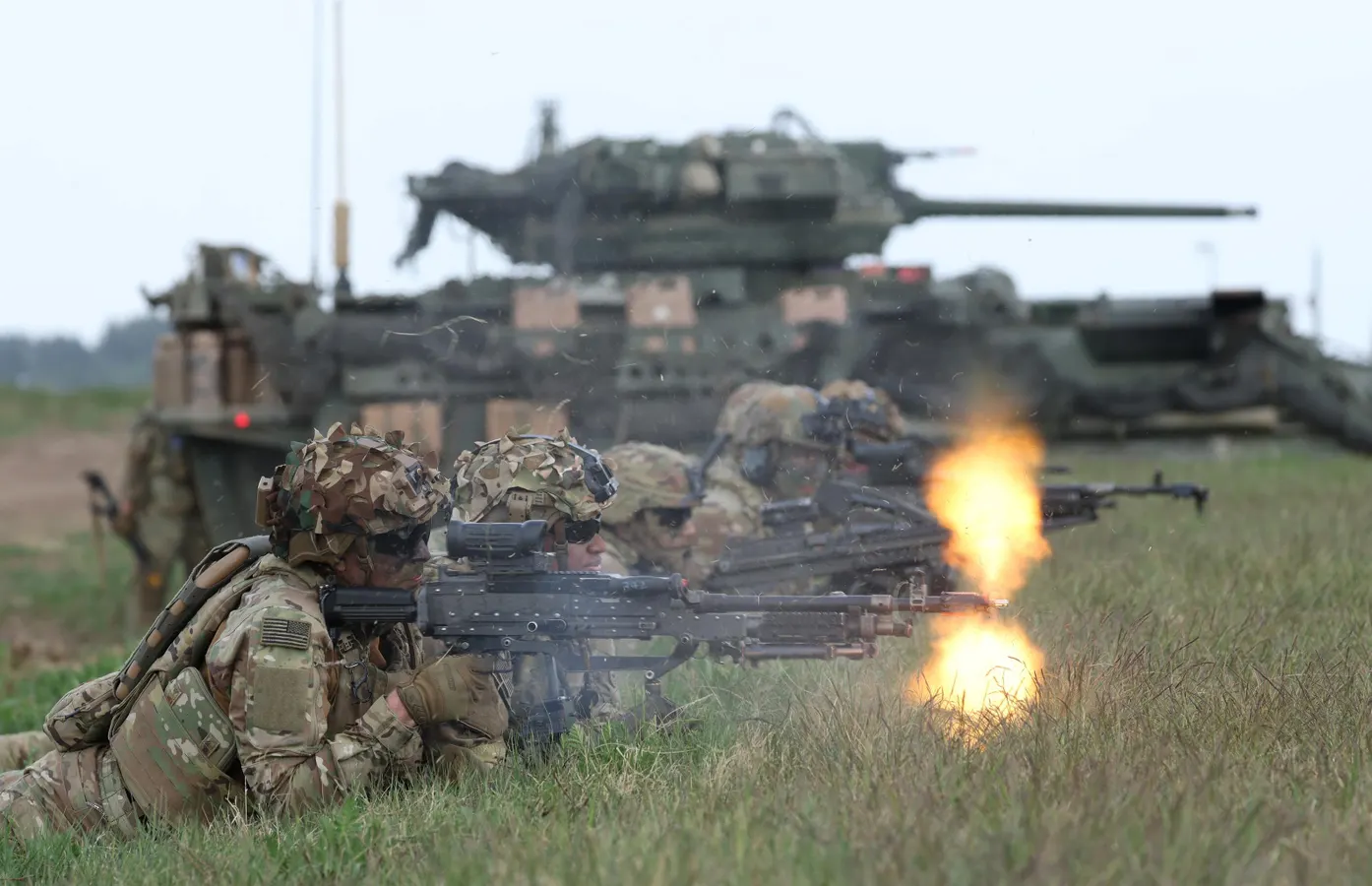
Soldiers of the U.S. Army 2nd Cavalry Regiment Stryker Brigade fire blanks during NATO military exercises on May 06, 2026 near Bemowo Piskie, Poland. Approximately 14,000 troops, including thousands of Americans, are participating in Saber Strike 26 in exercises across Poland and Lithuania. (Photo by Sean Gallup/Getty Images)Getty ImagesContrary to what some Trump officials believe, Europe remains critical to our defense and, indeed, to securing the Free World. Therefore, the sudden, unexpected cancellation of a U.S. Army armor brigade’s deployment in Poland raises a deeply disturbing question: Is Washington retreating from Europe? Such a pullback would be the biggest strategic mistake since the isolationist 1930s, an era that led to the Second World War.Last year the U.S. abruptly pulled a rotational brigade from Romania. A few weeks ago, President Trump decided to yank 5,000 American troops from Germany because the government was particularly unhelpful in aiding our efforts in the Strait of Hormuz. The president’s deep displeasure about Germany was understandable, but there were other ways to express his anger without a withdrawal, an act that, given the circumstances, seemed part of a broader U.S. retreat from Europe.Pulling back from Poland is particularly upsetting. It is the key frontline Central European country facing an aggressive Russia. Warsaw has been a stalwart in defense spending. Its outlays are proportionately higher than ours. Unlike most of the rest of Europe, the country has also been an outstanding economic success story over the past 30 years.The administration has been unsympathetic to Ukraine. Just like the Biden crowd, it has refused to provide Kyiv with what it needs to decisively push back Putin’s murderous efforts to conquer that democracy. Until congressional pressure was applied, the Pentagon recently stalled in providing Ukraine $400 million that had been appropriated. There’s an ominous attitude inside the U.S. government of “Who needs Europe?” The answer is straightforward: We do—economically, politically and strategically. NATO is part of a wider framework of American security. The alliance was absolutely crucial to winning the Cold War. It helped create the conditions that have made the kind of continental war that twice in the last century nearly destroyed civilization inconceivable today. Democracy in Europe has deep roots. Despite Russia’s very troubled economy, Vladimir Putin’s goal is for the country to dominate Europe. To that end, he wants NATO weakened and then destroyed. He’s delighted with what he sees unfolding regarding the U.S.’ future with NATO. A withering of NATO would give us a world in which each country looks out for itself, a situation that would lead to war. Or it would give us a world dominated by China.Make no mistake, what happens in Europe doesn’t stay in Europe. If we let Europe fracture, the rest of the world will see the U.S. as an unreliable ally and leader. In response, a number of countries will develop nuclear weapons, which guarantees a future nuclear exchange. Of course, until President Trump’s first term, NATO wasn’t pulling its weight militarily. But let’s not forget that U.S. defense spending had been dangerously small as well. And more of Europe needs to follow the examples of Poland, Sweden, Lithuania, Latvia and Estonia—not to mention the U.S.—in achieving economic success.The urgent task for both Washington and the chancelleries in Europe is to start the hard work of healing the current divisions. We’re in the same boat. A new isolationism will sink us all.
Europe Remains Critical To Our Defense And To Securing The Free World
A strategic rift with Europe would be disastrous for the U.S. and the Free World.
565 words~3 min read