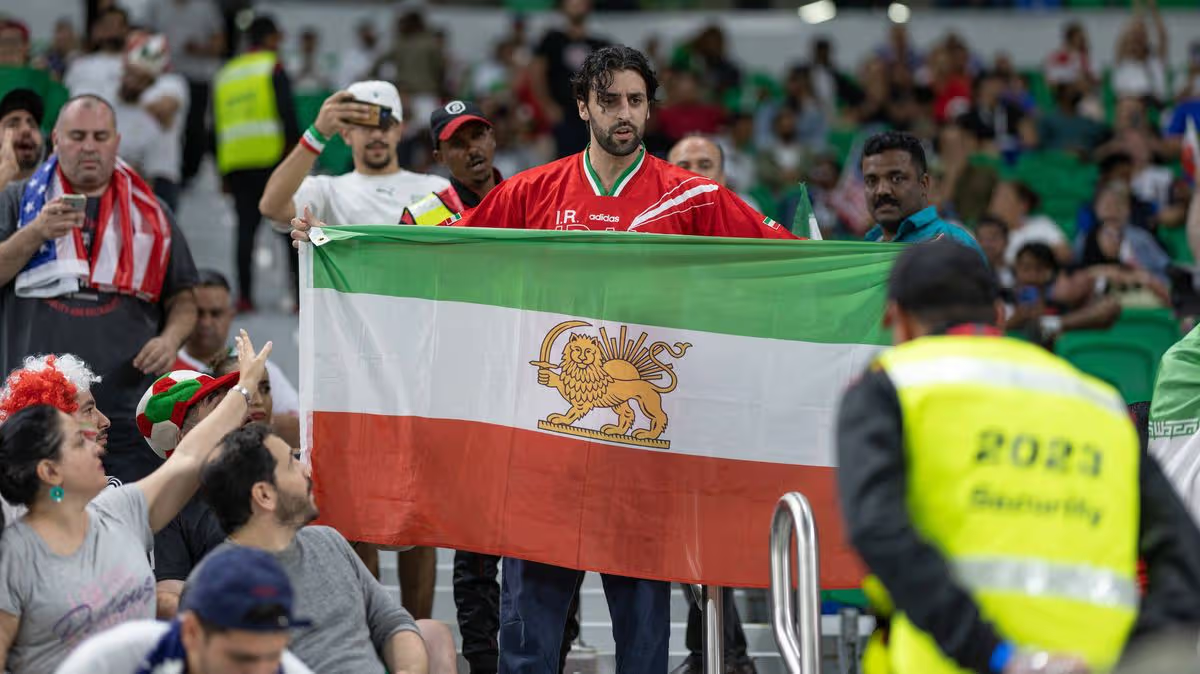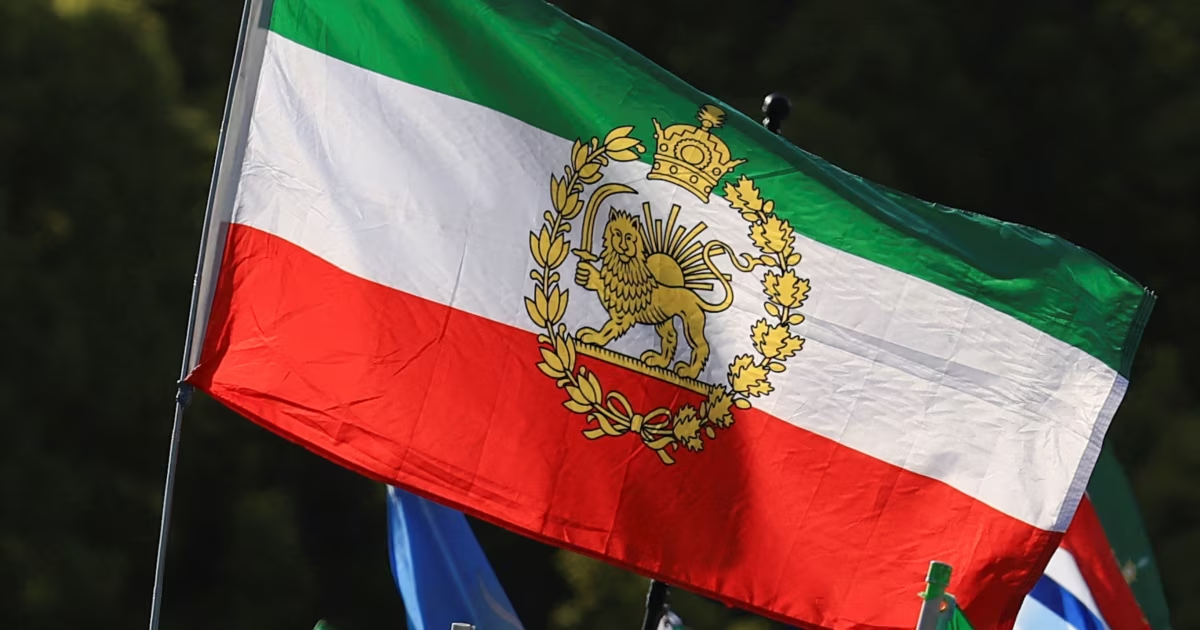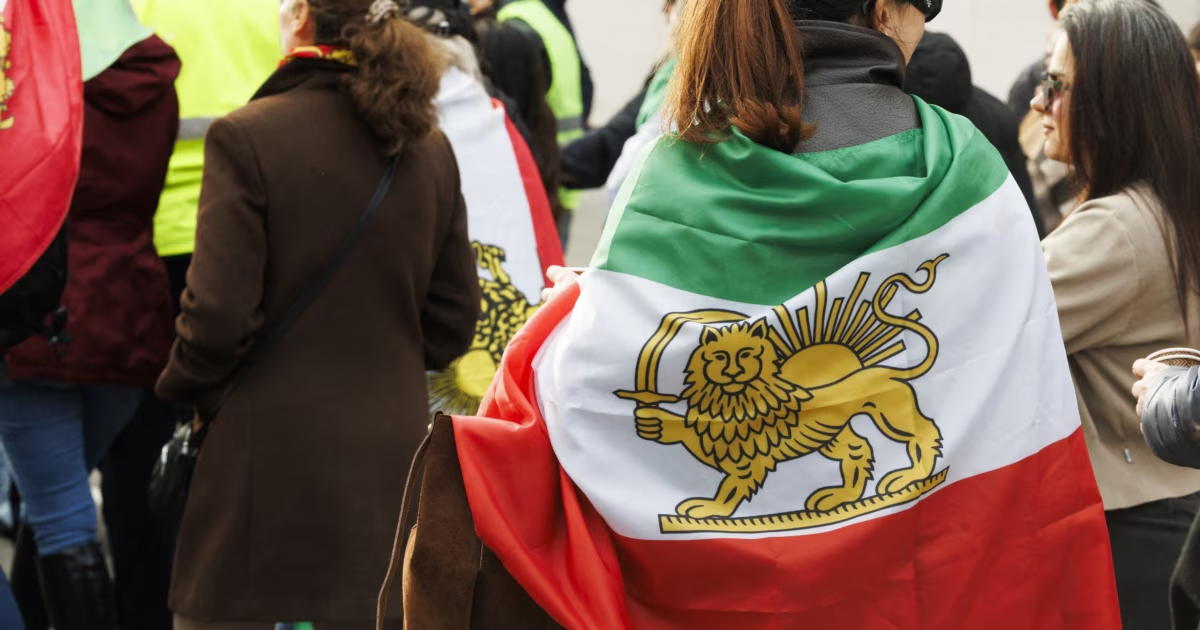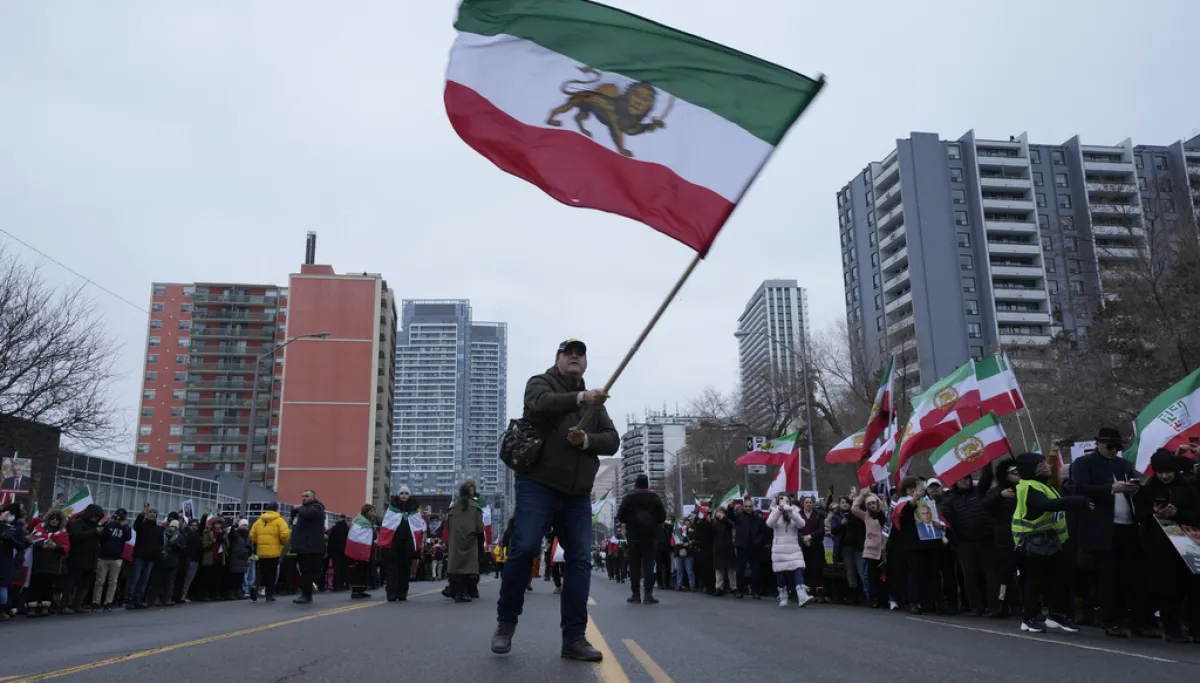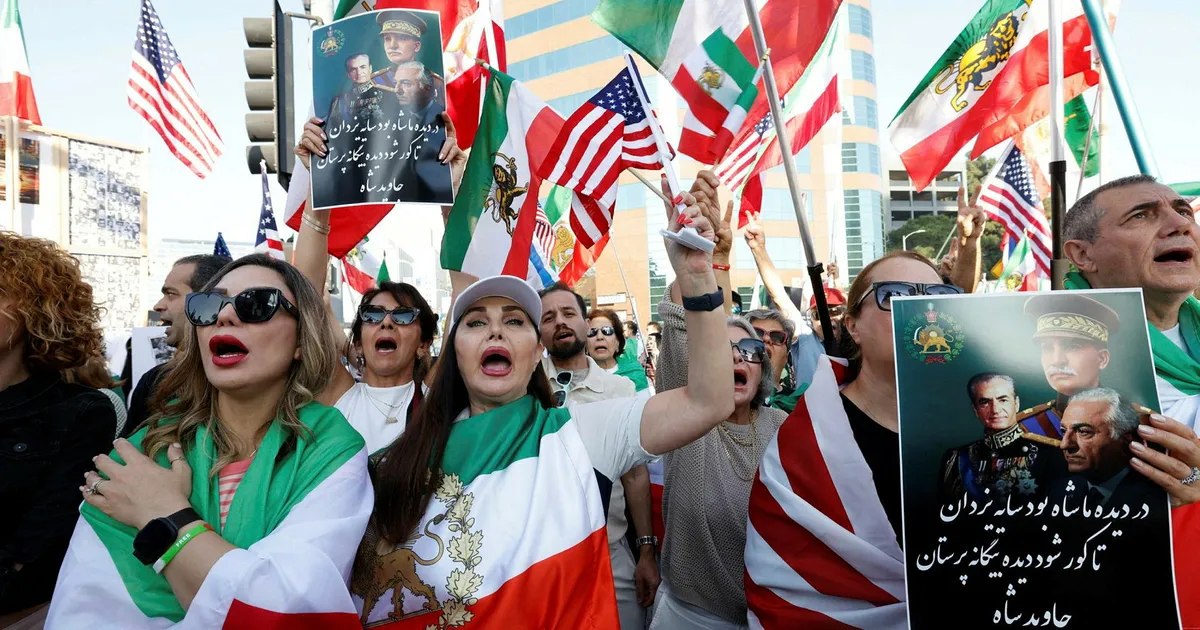
What is currently unfolding inside FIFA’s boardrooms over a single flag is, in reality, a continuation of the long-running conflict between the Islamic Republic and millions of Iranians living abroad - a conflict over identity, symbols, the right to narrate history, and even the meaning of the name “Iran.”
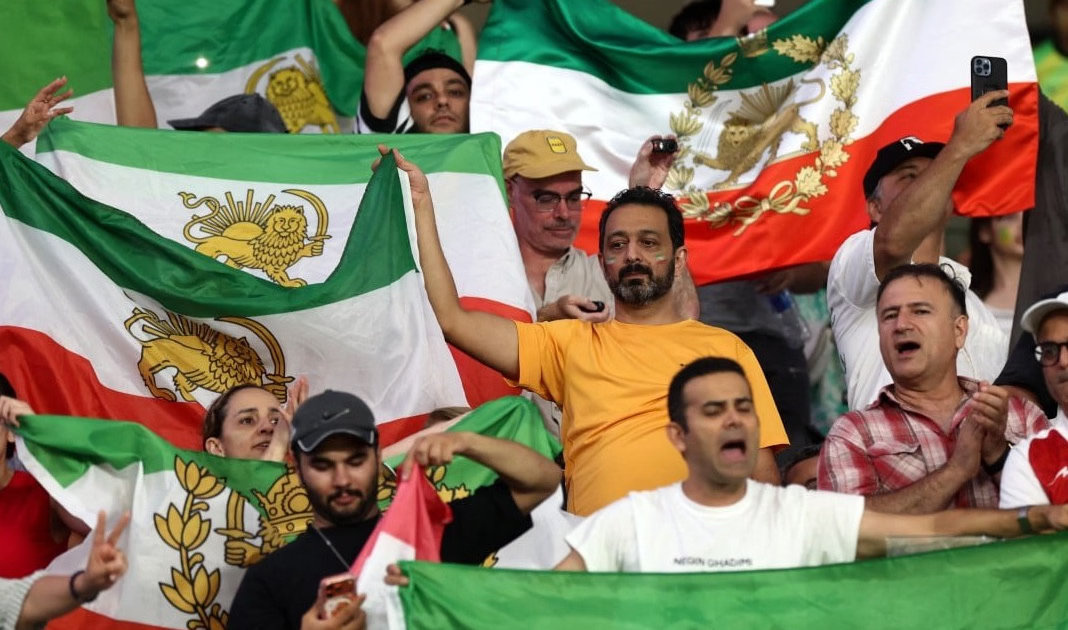
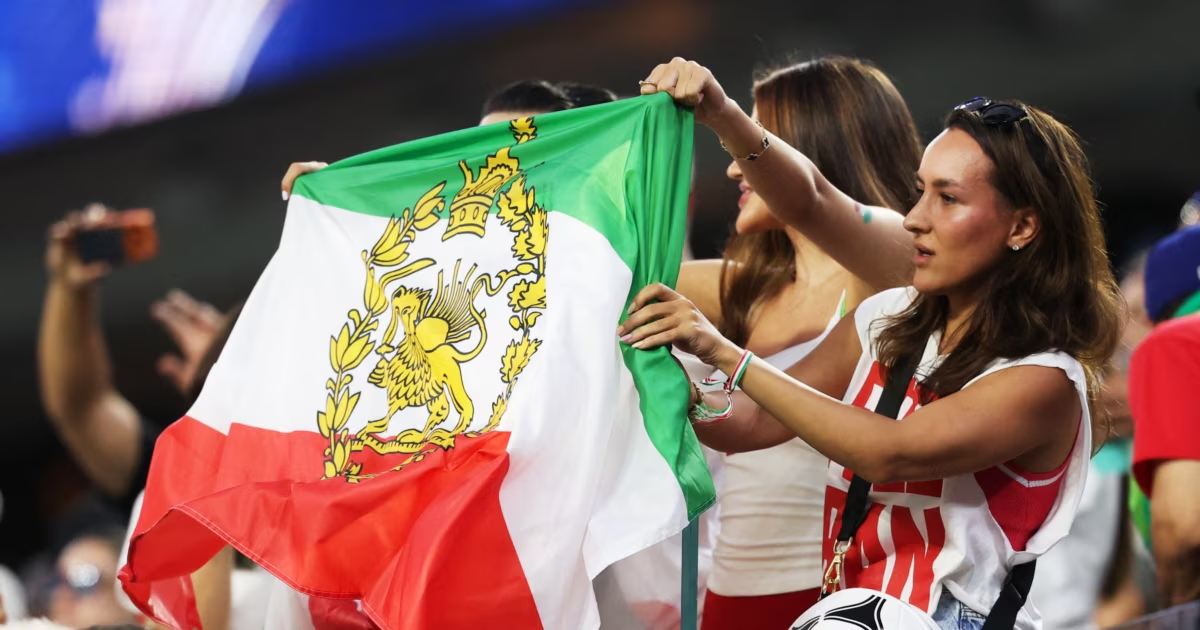
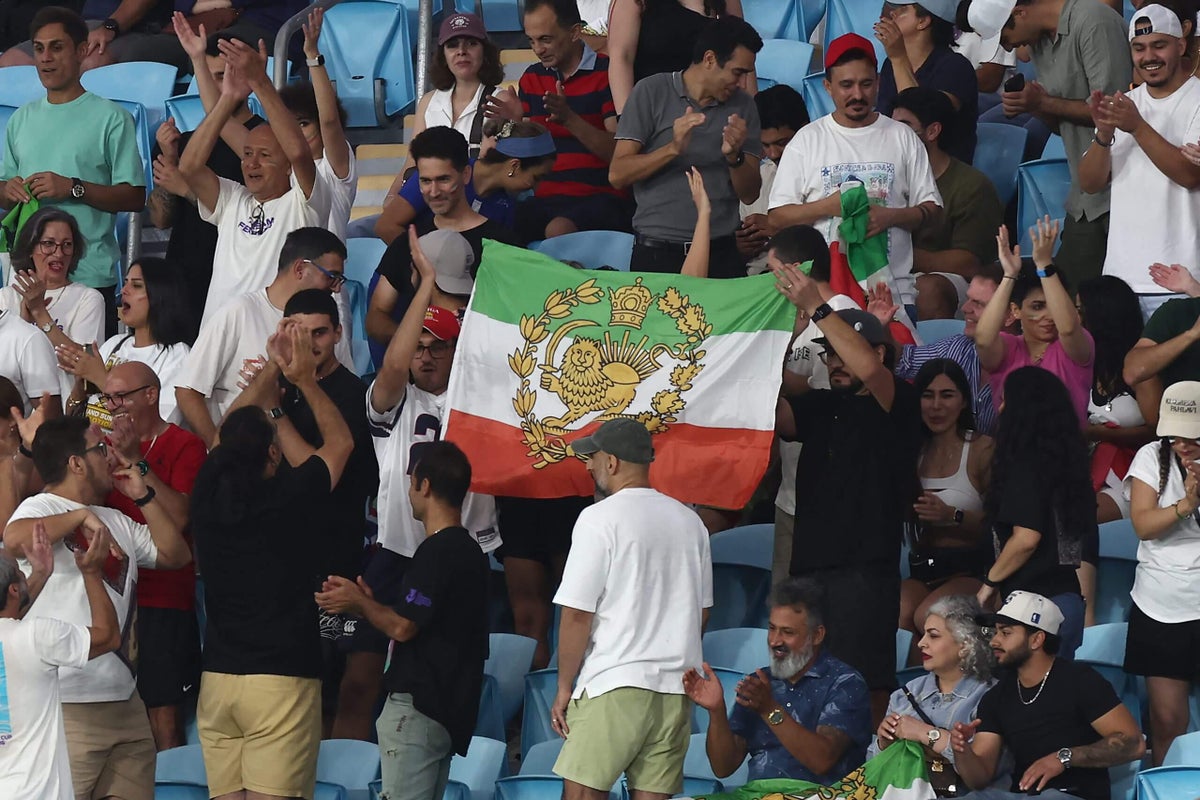
Under stadium conduct regulations, often referred to as the “FIFA Codes,” the display of “political, discriminatory, offensive, or provocative” symbols or messages is strictly prohibited. But the larger question remains: against which political faction, civil institution, or ethnic community inside Iran does the Lion and Sun flag in American stadiums actually constitute a provocative or offensive act?
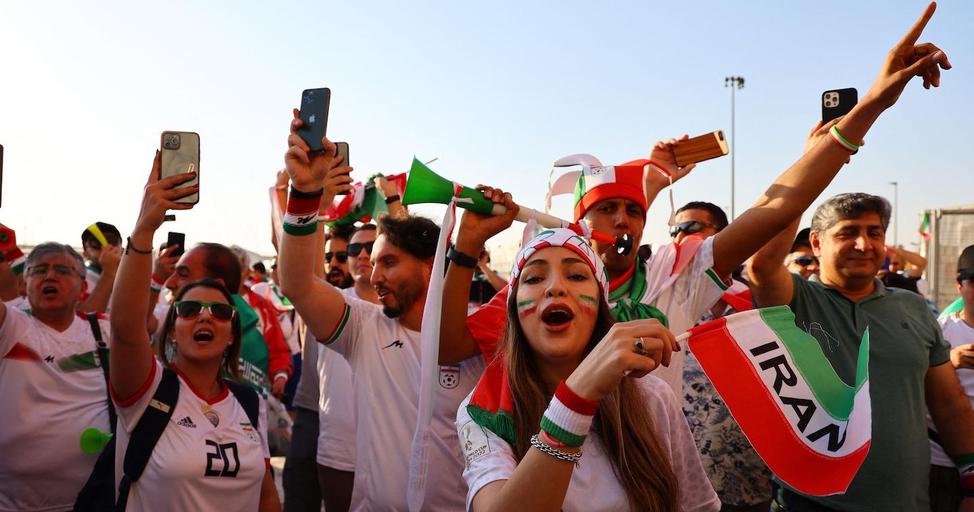
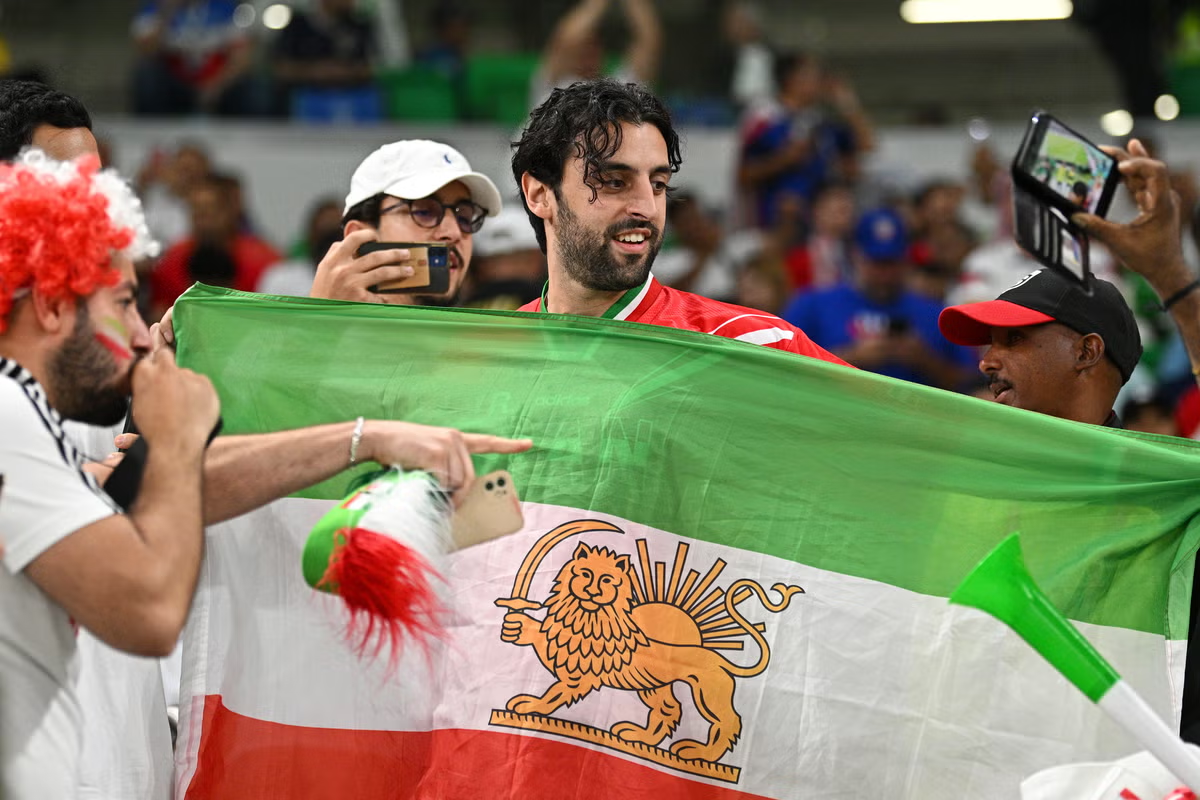
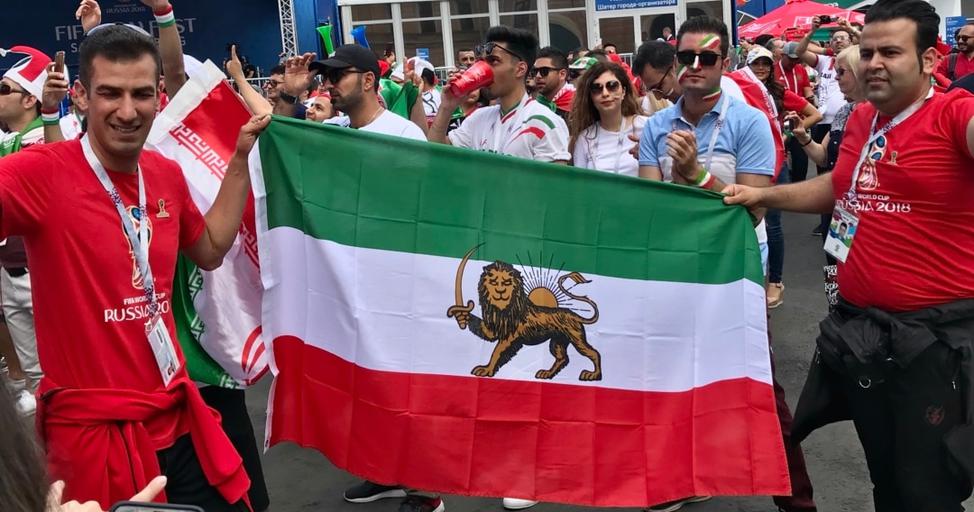
The Lion and Sun flag appearing in stadiums during Iranian national team matches is far from new. It was seen during the 1998 World Cup in France, when Iran qualified for the tournament for the first time, and became even more visible during the 2006 World Cup in Germany. Iranians carried the same flag during the 2014 and 2018 World Cups in Brazil and Russia, and even during the 2022 World Cup in Qatar despite the heavy restrictions imposed by the host country.
For FIFA, the issue surrounding the Lion and Sun flag is not merely an “isolated Iranian case.” Whatever decision the organization takes could become a precedent for how dozens of other political, ethnic, and historical symbols are treated in the future - from dissident flags opposing ruling governments to symbols tied to protest movements. At the same time, any ruling could place FIFA’s own commitment to human rights principles and its interpretation of its statutes under serious scrutiny.