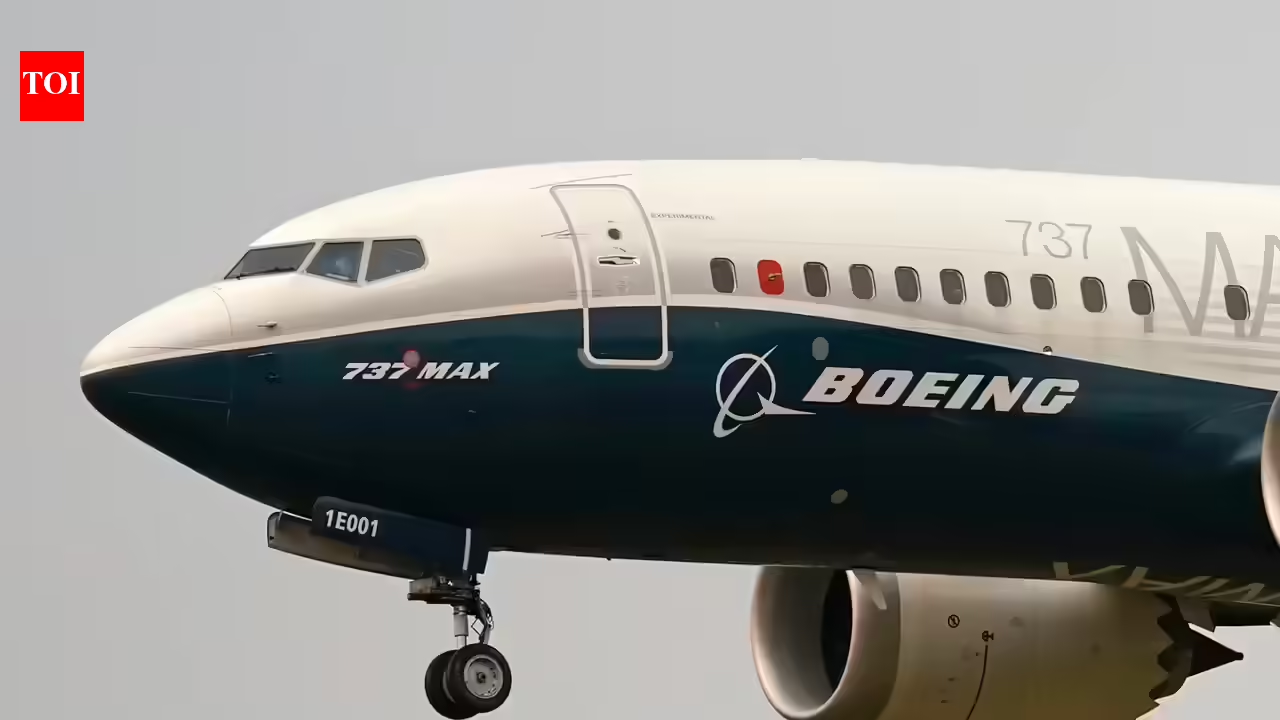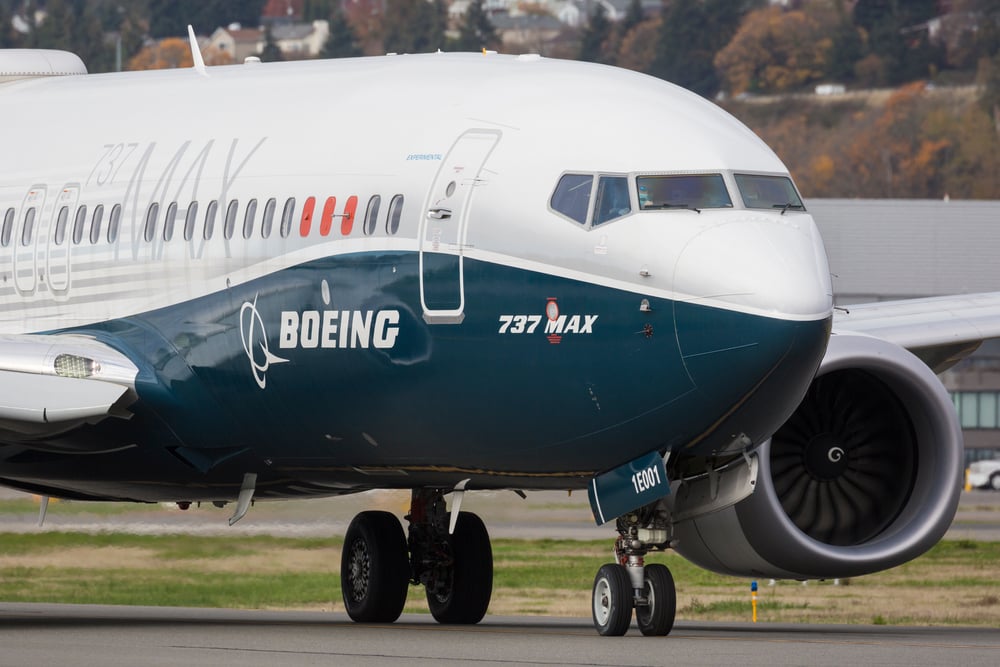
After years covering the jet’s troubled history, I took my first Boeing 737 MAX flight and felt completely at ease.Show Caption
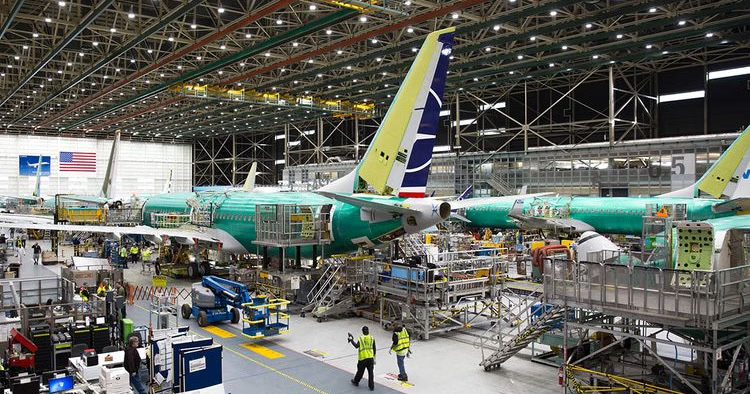
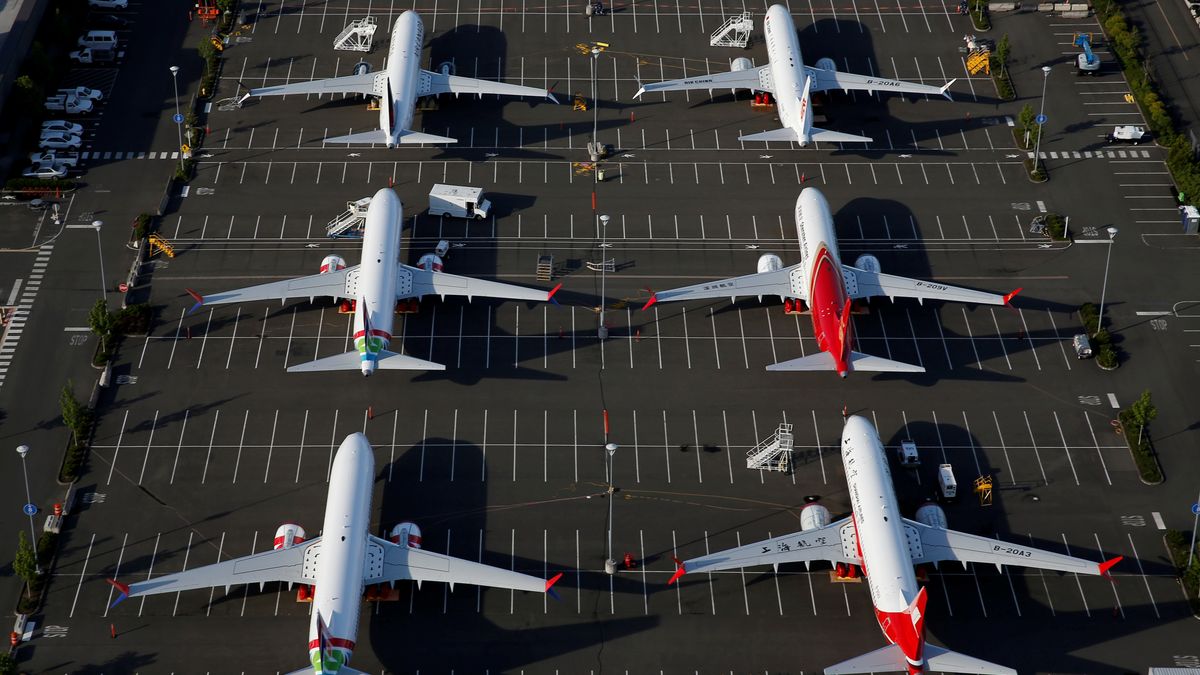
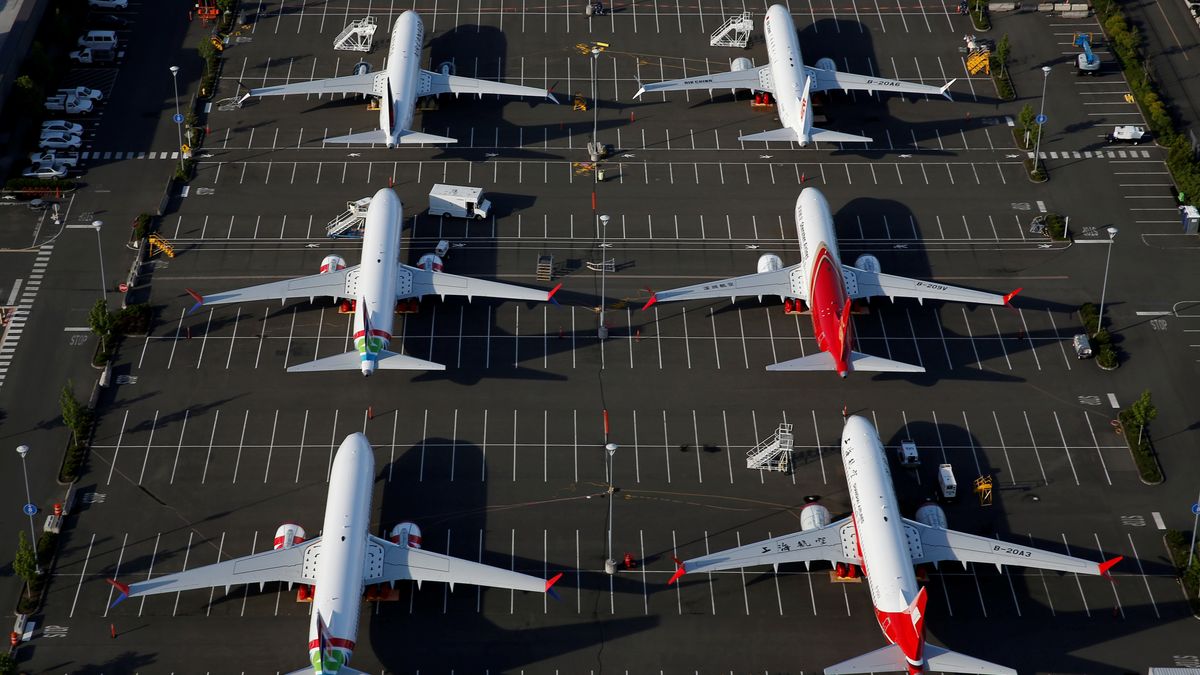
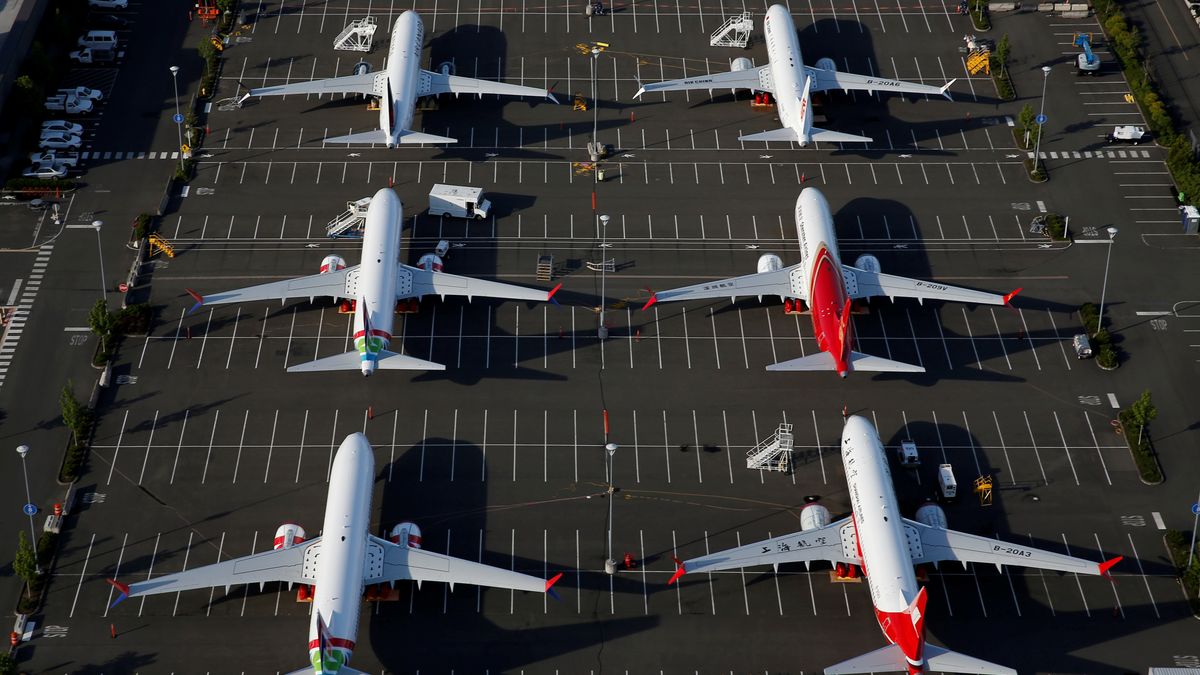
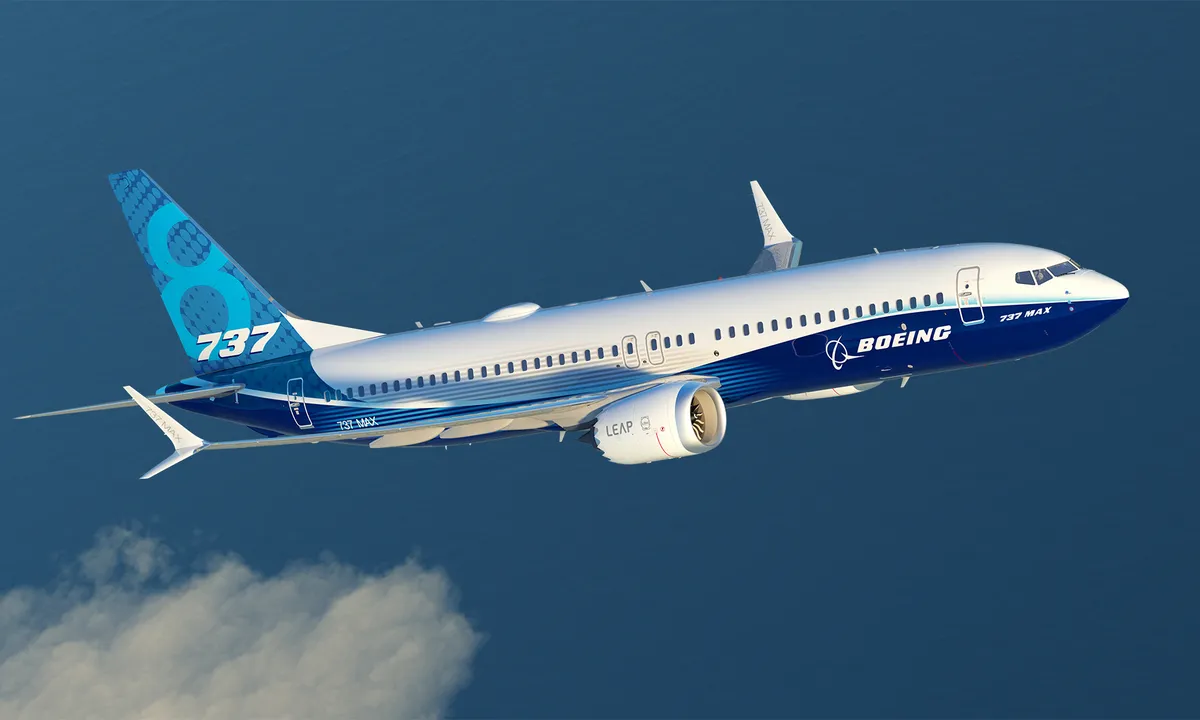
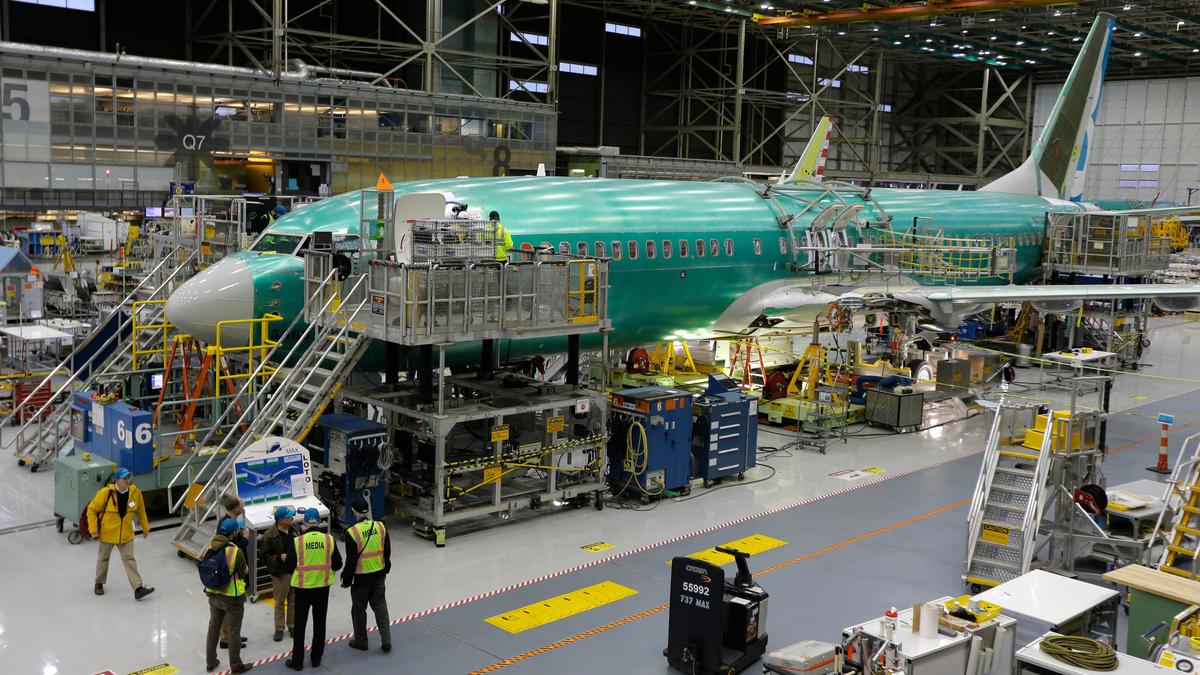
The Boeing 737 Max was grounded globally after two fatal crashes in 2018 and 2019 killed 346 people.Regulators and Boeing addressed the flight control issues, and the plane has since logged hundreds of thousands of flight hours.United Airlines uses the fuel-efficient 737 Max for its seasonal service between Newark, New Jersey, and Glasgow, Scotland.Cruising Altitude is a weekly column about air travel. Have a suggestion for a future topic? Fill out the form or email me at the address at the bottom of this page.ABOARD A BOEING 737 MAX — I finally had my first flight on a Boeing 737 Max after years of covering the history of the plane. I wasn’t nervous, and you shouldn’t hesitate to fly on one, either. The Boeing 737 Max is probably the most important plane in my career. Two successive crashes of this aircraft type in 2018 and 2019 were major news events that set me up to cover aviation. With the launch of United Airlines' seasonal daily nonstop service between Newark, New Jersey, and Glasgow, Scotland, I finally had a chance to fly aboard the plane that has been so instrumental in my career. Despite its tarnished early service history — the two crashes combined killed 346 people — the MAX has proven a capable plane. The global 737 Max fleet has already logged hundreds of thousands of flight hours, according to aviation analytics company Cirium, and after working out the significant early technical issues, has become a safe way to fly the friendly skies. Here’s how we got here, and why I wasn’t afraid about taking my first 737 Max flight. 737 Max crashes The Boeing 737 Max was developed to help Boeing compete with Airbus. The 737 family of airplanes had, for decades, been the best-selling single-aisle jet in the world, though Airbus got a leg up on Boeing when it introduced its A320neo family of jets.The A320 was Airbus' answer to the 737, and the neo (designating new engine option) was a more fuel-efficient version of the European manufacturer's jet. Boeing didn’t want to get left behind as orders for the neo surged, and didn’t want to take the time to design a whole new aircraft from scratch. So, Boeing modified the decades-long 737 design to be longer, with larger engines that were mounted higher and farther forward on the wings. Those engines made the new generation of 737s more fuel efficient, but also changed the jets' flying characteristics. To compensate, Boeing quietly introduced the Maneuvering Characteristics Augmentation System (MCAS), a computer program that helped the new 737s fly more like their predecessors, reducing the need for costly additional training for pilots. That system, however, would prove fatal. MCAS relied on just one sensor for an important data input, and could override pilot commands to control the aircraft. Those glitches were at the center of two fatal crashes early in the 737 Max service life. In 2024, another Boeing 737 Max lost a piece of its fuselage shortly after takeoff, adding further scrutiny to the troubled jet.How Boeing, airlines, and regulators responded The first crash, a Lion Air flight in Indonesia in 2018, killed 189 people. Boeing and regulators insisted that it was a tragic coincidence, but when a second Max crashed in Ethiopia just a few months later, killing 157, it was clear there was a problem. Ultimately, the global 737 Max fleet was grounded from March 2019 to November 2020 as Boeing and regulators addressed the flight control issues. Boeing didn’t provide a new statement for this column, but the company has previously emphasized how it was improving safety on the 737 Max production line, including by enhancing training and eliminating defects earlier in the manufacturing process. Subsequently, the plane returned to service and has not had significant safety issues since. How United chose the 737 Max for its Glasgow service For United Airlines, the 737 Max was an obvious choice for its seasonal daily flight from Newark to Glasgow. With its greater fuel efficiency compared to previous 737 generations, the Max is able to fly farther than its predecessors. "With Glasgow’s medium-sized market, the 166-seat 737 Max 8 is the best option right now to serve the market efficiently. It is also a great match for the demand profile, which includes primarily leisure travelers with some business travel," Matt Stevens, United’s international network vice president, told me in an email. "We always try to match our aircraft to the dynamics of the market, figuring out what option best suits our customers’ needs while remaining economical." Economy passengers get a standard seat and meal, but premium cabin passengers should be aware that the plane is configured primarily for domestic flights — meaning there are no lie-flat seats on the overnight leg to Europe. Is the 737 Max safe to fly? Without hesitation, I can say yes. That’s not to minimize the tragedies of the early 737 Max crashes, but to acknowledge that Boeing, airlines, and regulators took those events seriously and addressed the problems. My flights to and from Scotland were smooth, and if it hadn't been for the safety card that said 737 Max on the front cover, I could have easily forgotten what kind of plane I was flying on. It's easy to be nervous about flying on an airplane type that has been involved in high-profile disasters, but passengers should rest assured that there’s no need to be concerned. The aviation industry as a whole prioritizes safety, and the Boeing 737 Max would not be used on hundreds of flights every day if it were not ultimately a safe plane. The reporter on this story received access from United Airlines. USA TODAY maintains editorial control of content.Zach Wichter is a travel reporter and writes the Cruising Altitude column for USA TODAY. He is based in New York and you can reach him at zwichter@usatoday.com.