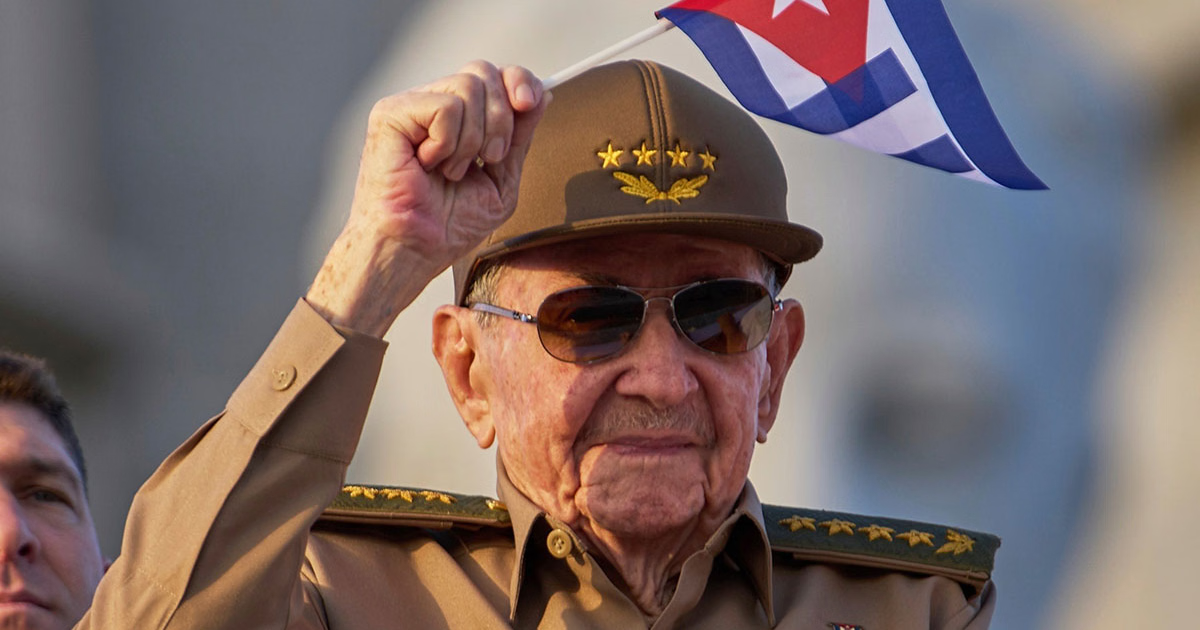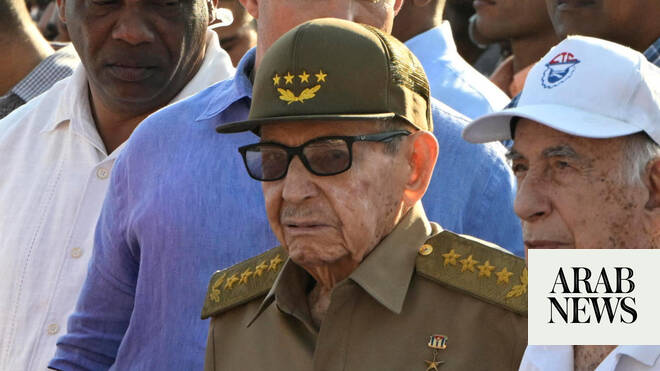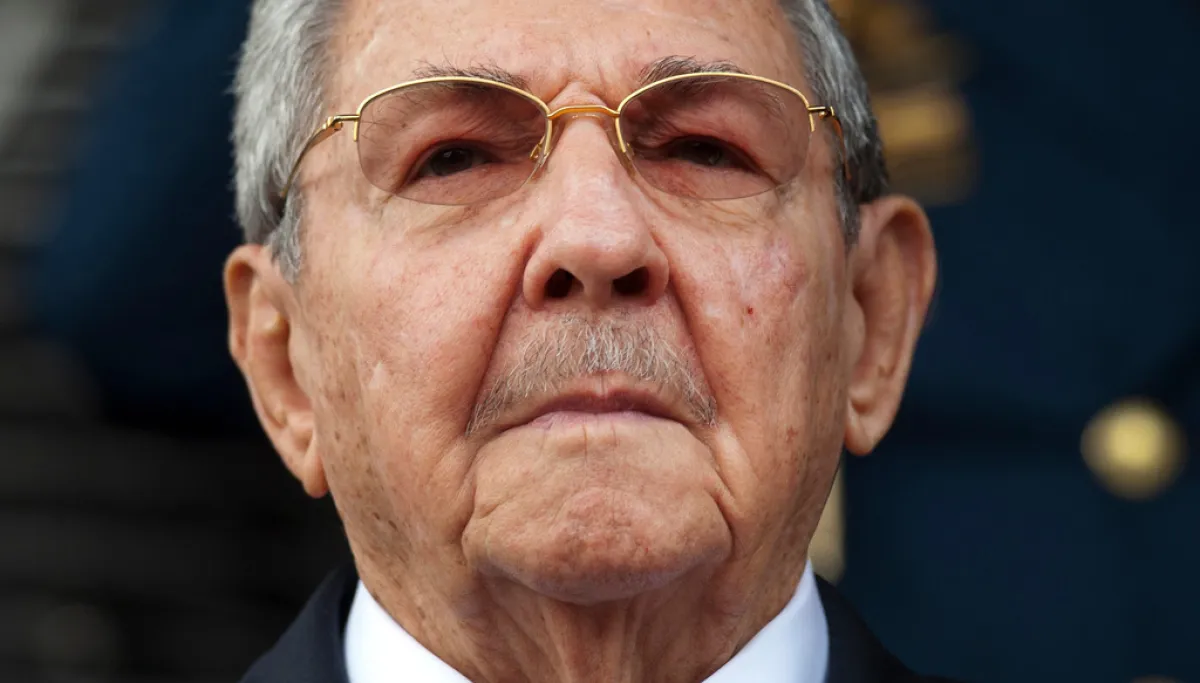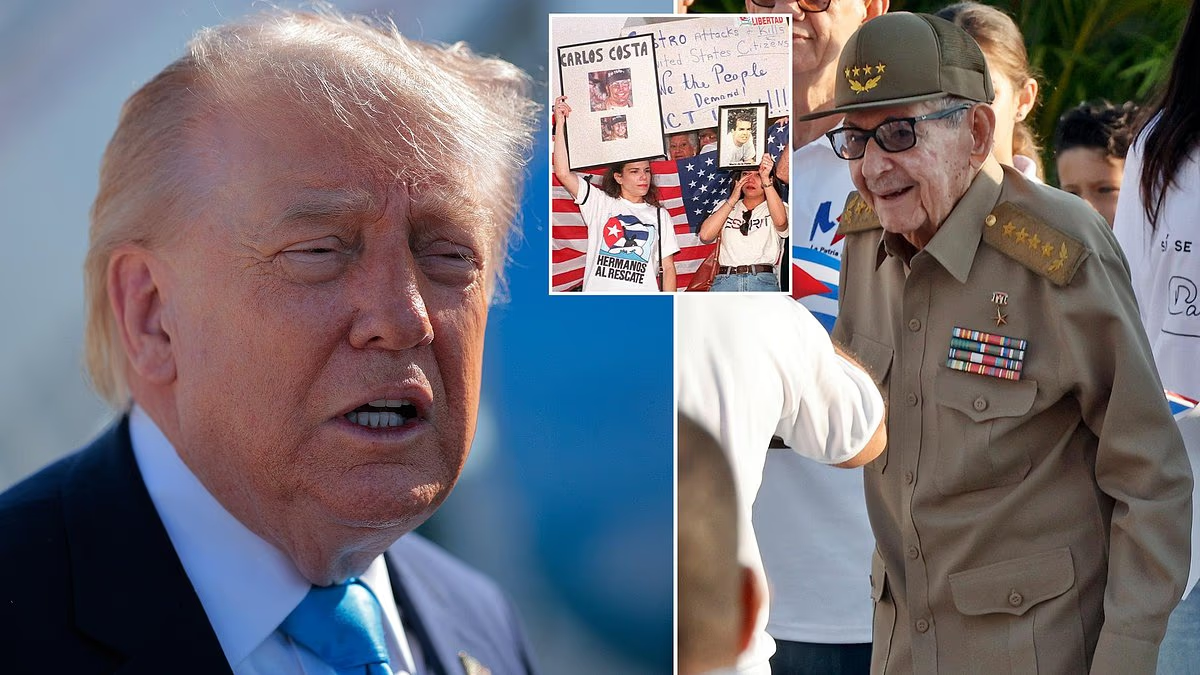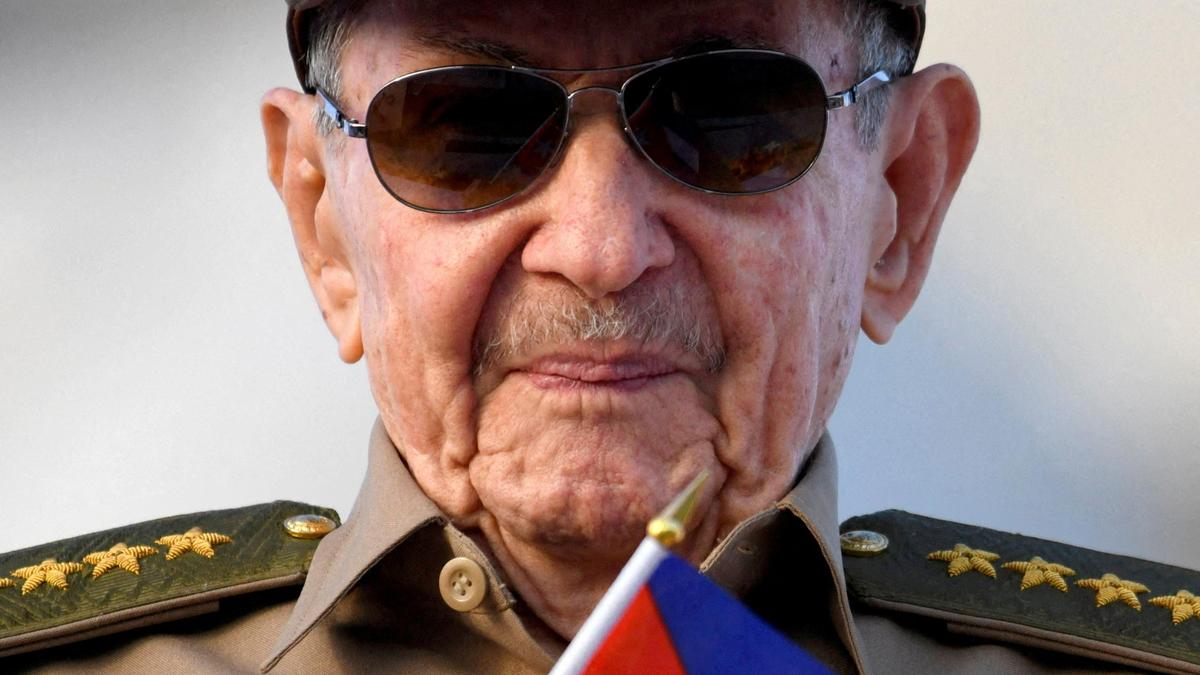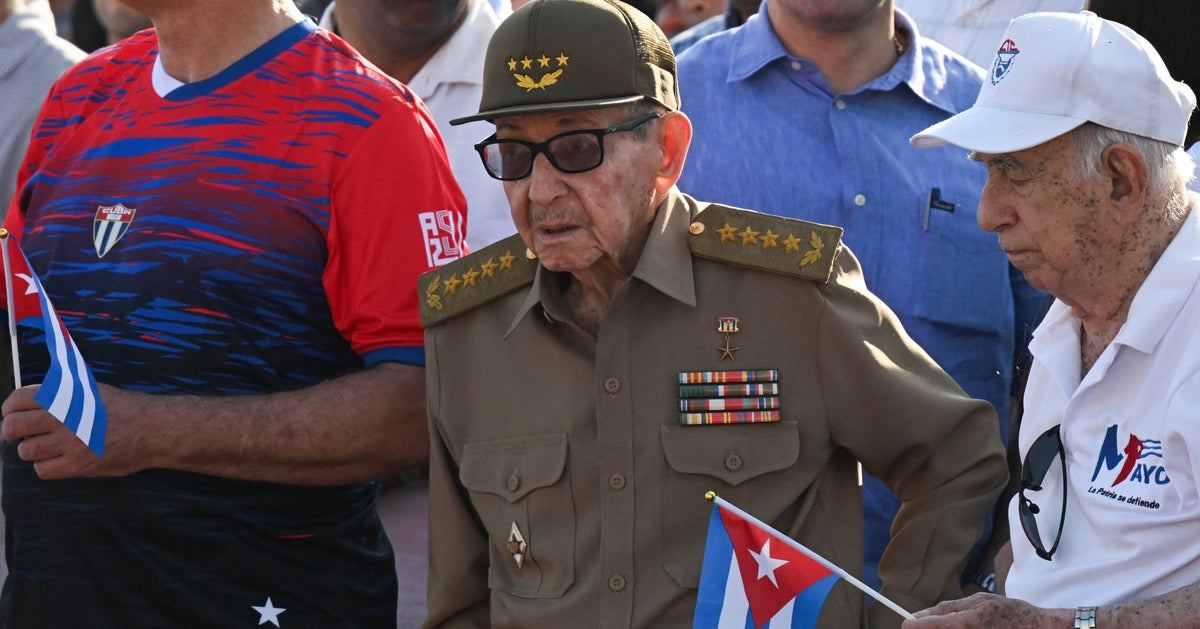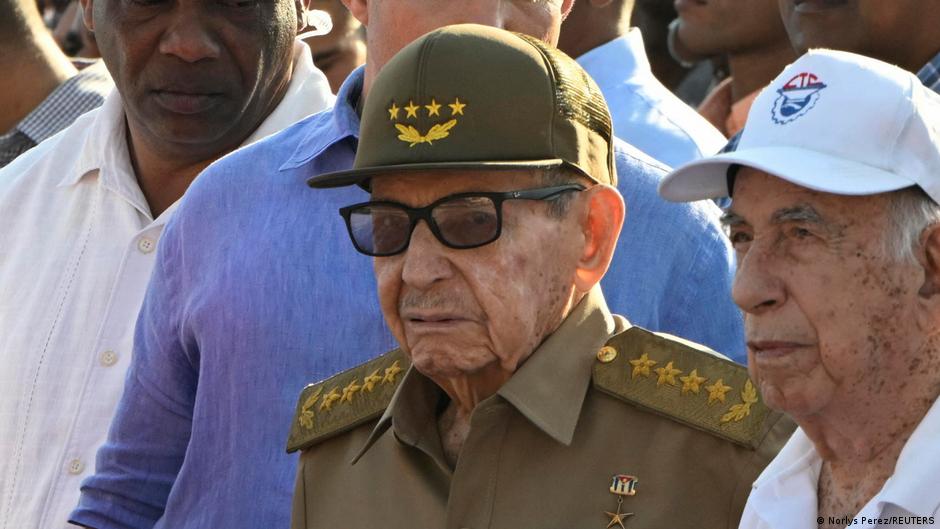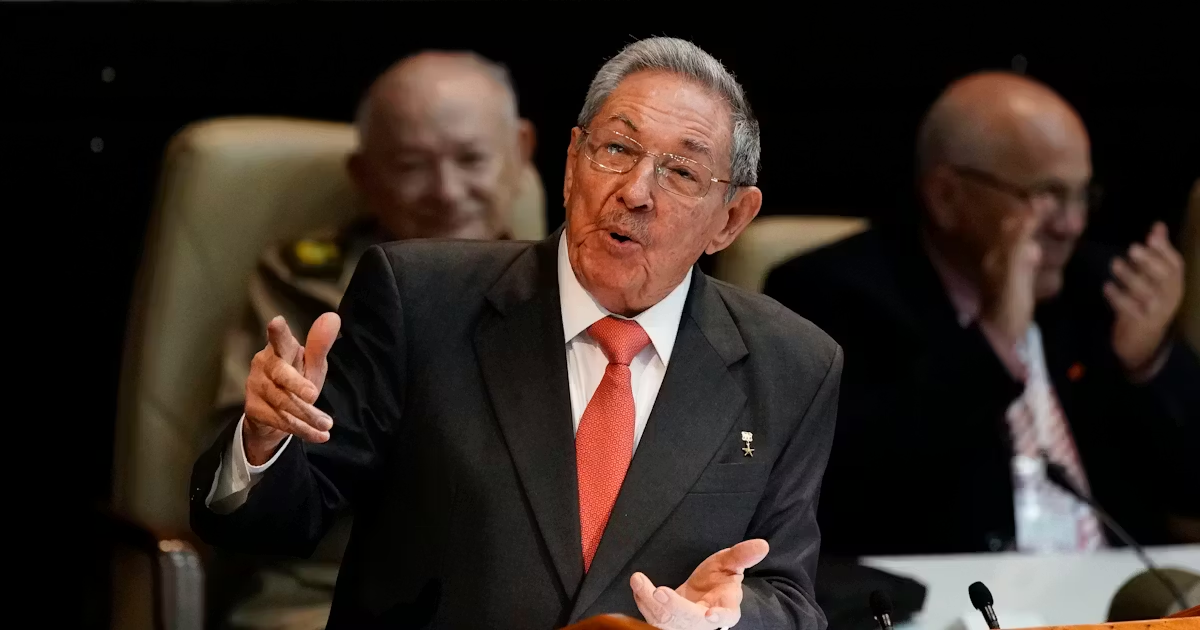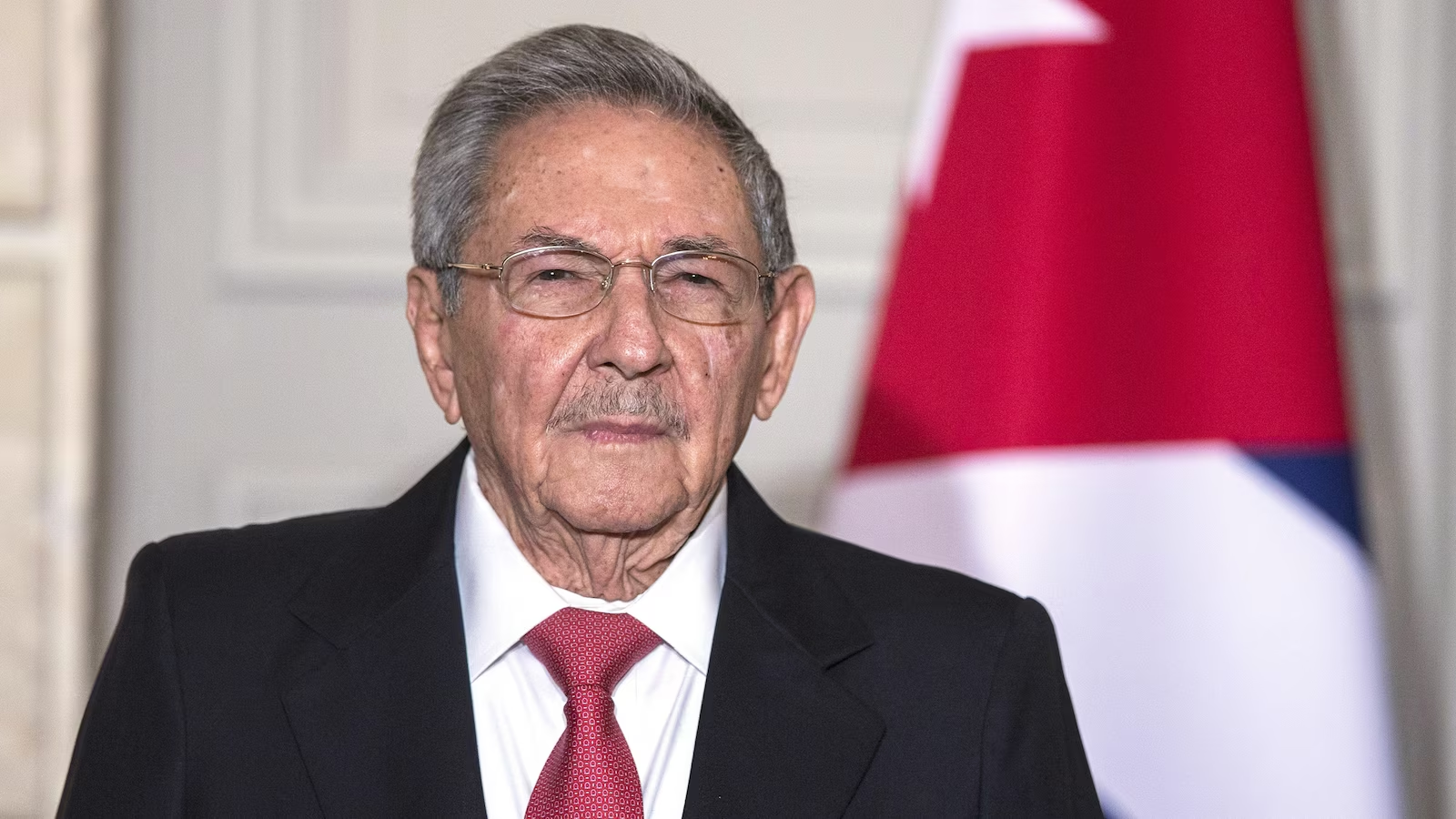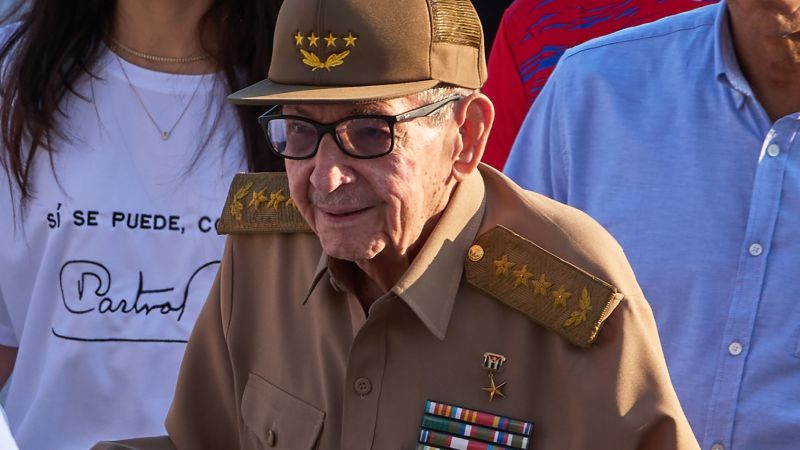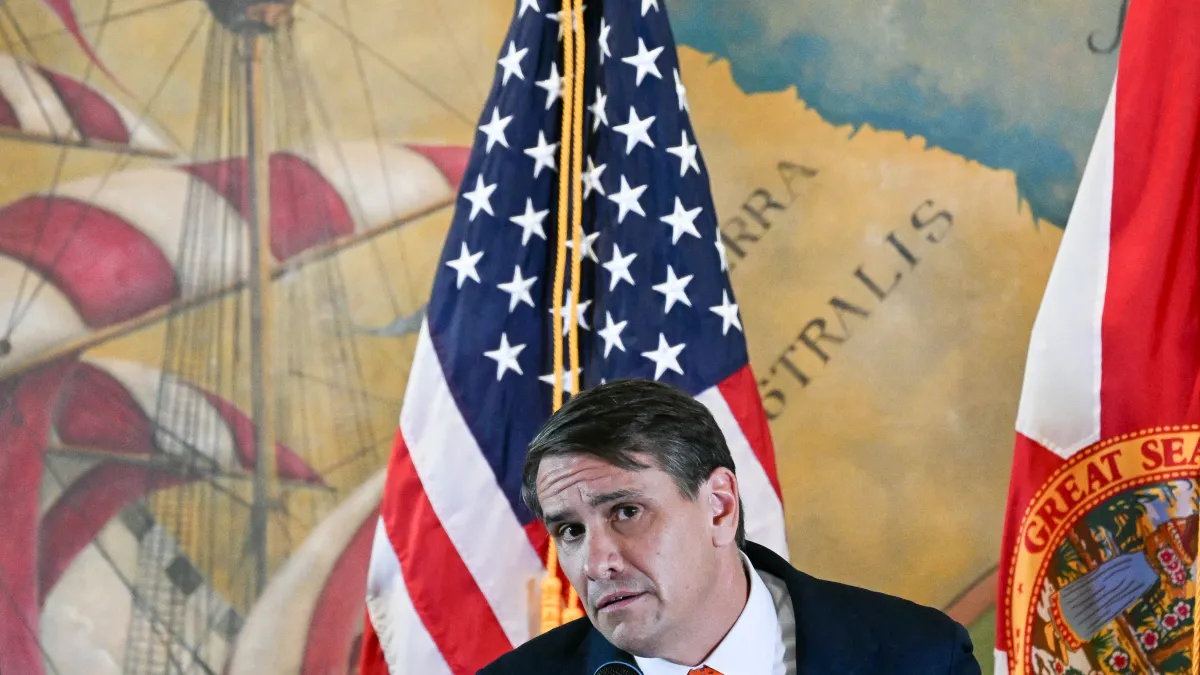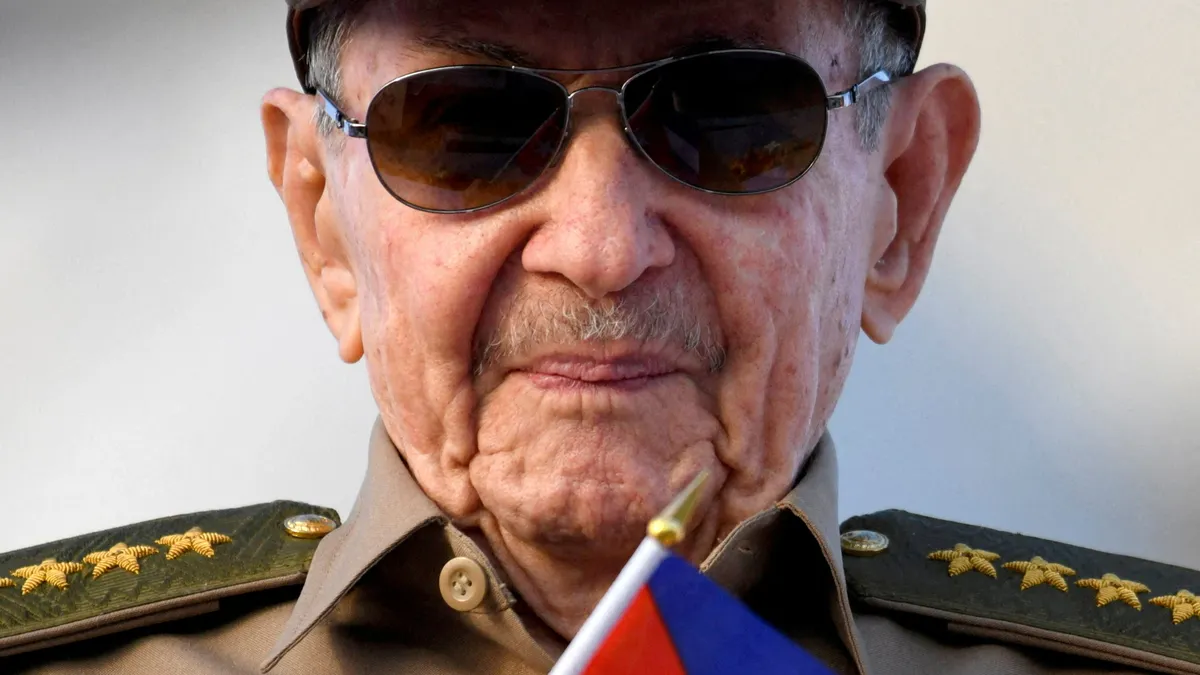
WASHINGTON – For decades, the secret audio recording of top Cuban officials was shared among U.S. intelligence officials and lawmakers – but never acted upon.Until now.The 11-minute audio recording, purportedly of Cuban leader Raúl Castro describing how he directed Cuban MiG fighter pilots to shoot down unarmed planes flown by U.S. citizens near Cuban air space, is now at the center of an explosive movement to indict Castro.Three Americans died in the 1996 incident that led to sanctions and the codification of the trade embargo on Cuba that remains in place today.The U.S. Department of Justice is expected to announce charges against Castro at an event in Miami today, May 20.“It's the first time we're starting to see some justice for the murder of these Americans,” Rep. Mario Díaz-Balart, a Republican from Florida who led the recent indictment effort, said in an exclusive interview.In the interview, he told USA TODAY that U.S. intelligence had copies of the tape, in which a voice purported to be Castro’s can be heard confessing, in the months shortly after the shootdown. But the audio was neither released by the administration of former President Bill Clinton, nor has it been acted on by any subsequent administration until now.The potential indictment, if unsealed, is widely seen as a step toward possible U.S. military intervention in Cuba. It’s the latest in a flurry of Trump administration moves on Cuba, which have included targeted sanctions against Havana and its elites and an economic pressure campaign that could shape U.S.-Cuba relations for years to come.USA TODAY previously reported that DOJ was moving to indict Castro over the plane shootdown. Neither the Justice Department nor the Cuban embassy in Washington provided an immediate comment.How the expected indictment came aboutWith President Donald Trump back in office, Díaz-Balart got to work. He contacted the Justice Department in 2025. He spent the next year developing and massaging the indictment strategy into something that Trump could support.DOJ put together a working group, led by the U.S. attorney for the District of Southern Florida, Jason Reding Quiñones, Díaz-Balart and another source familiar with the strategy said.The evidence was there, but the team had to start from scratch, the congressman said.“It wasn't like there was an old indictment there that they could just dust off,” Díaz-Balart added.The possible charges are related to the Feb. 24, 1996, shootdown of two Cessna planes belonging to the Cuban exile group Brothers to the Rescue by Cuban air force MiG fighter jets. The charge is expected to be “murder.”Heat-seeking missiles obliterated the small planes, and the bodies of the four people aboard were never found. Three of them were U.S. citizens.At the time, Clinton denounced the shootings and, a year later, signed the Helms-Burton Act into law, essentially codifying the U.S. embargo on Cuba.In the wake of the shooting, U.S. intelligence agencies acquired an audio recording of several Cuban officials discussing the shootdown, according to a declassified 1996 memo. In it, someone could be heard claiming to have directed the MiG pilots to shoot down the Cessnas.“I told them [the MiG pilots] to try to knock them down over [Cuban] territory, but they [the Brothers to the Rescue aircraft] would enter Havana and go away," the voice alleged to be Raúl Castro's said on the recording. "Of course, with one of those missiles, air-to-air, what comes down is a ball of fire that will fall on the city. ... Well, knock them down into the sea when they reappear." El Nuevo Herald acquired the recording and published a report on it in 2006. The publication said the voice belonged to Raúl Castro. But U.S. intelligence officers had their doubts.In the declassified memo, which describes a briefing between intelligence officials and U.S. lawmakers, the officials said they didn’t consider Raúl Castro was the person behind the voice until reporters called and made that connection.“It was highly unlikely that this was Raul,” the memo’s author stated, “but we did not know for sure.”Either way, the audio was left untouched. But as soon as May 20, it’s expected to be at the center of one of the most consequential events in the history of U.S.-Cuba relations.What to expect on May 20In a media advisory, the Justice Department said it will make an announcement on May 20 in Miami "in conjunction with a ceremony to honor the victims of the Brothers to the Rescue Murders of 1996.”The event will be steeped in symbolism: It’s scheduled to be held at the Freedom Tower, a soaring 1925 structure in downtown Miami that served as the Cuban Refugee Center from 1962 to 1974, assisting hundreds of thousands of Cubans seeking asylum in the U.S.Trump confident he can reach a deal with CubaDonald Trump says he is confident a deal with Cuba is possible and highlights support for Cuban Americans in Miami and across Florida.May 20 also marks the date in 1902 that Cuba officially gained its independence from Spain, and the U.S. ended its military occupation of the island.An indictment of Castro would signal a new chapter in U.S.-Cuba relations – and a U.S. administration potentially willing to re-intervene, said Randy Pestana, director of national security policy and strategic engagement at Florida International University and a former Defense Department official.“This is the highest pressure and profile in recent memory on the Cuban regime,” he said.Who else could be indicted?In February, Díaz-Balart and three of his Republican colleagues wrote a letter to Trump pushing for prosecutions against Castro and other Cuban officials involved in the incident.Díaz-Balart declined in an interview to say who the other officials might be. He referred to a Cuban pilot who defected to the U.S. in 2022 as a potential witness.The congressman said he also looked into narcotrafficking charges against Castro, which he claimed there’s evidence to support. But he decided to focus on murder, because there is no statute of limitations.Plus, the alleged audio of Castro provided “clear evidence” of an order being given, he said.US moving to indict former Cuban President Raúl CastroThe United States is looking to indict former Cuban President Raúl Castro on charges related to a 30-year-old case.Why is this happening now?In Trump’s first term, Díaz-Balart helped to convince the president to enforce Title III of the Helms-Burton Act, which allows American citizens and companies that had their property nationalized during the Cuban revolution to sue for damages.He said that Trump’s out-of-the-box approach to foreign policy signaled a willingness to consider a legal case against Castro.“This was a long thought-out thing that I wanted to do,” Díaz-Balart said, “and I thought this is the president that would do it.”Francesca Chambers is a White House correspondent for USA TODAY covering foreign policy. Follow her on X: @fran_chambersRick Jervis is a national correspondent for USA TODAY's Investigations team. Follow Jervis on X: @MrRJervis.
Inside the US strategy to indict former Cuban leader Raul Castro
A decades-old audio recording, purportedly of Raul Castro, is at the center of an expected move by Trump's DOJ to indict the former Cuban leader.
1,135 words~5 min read