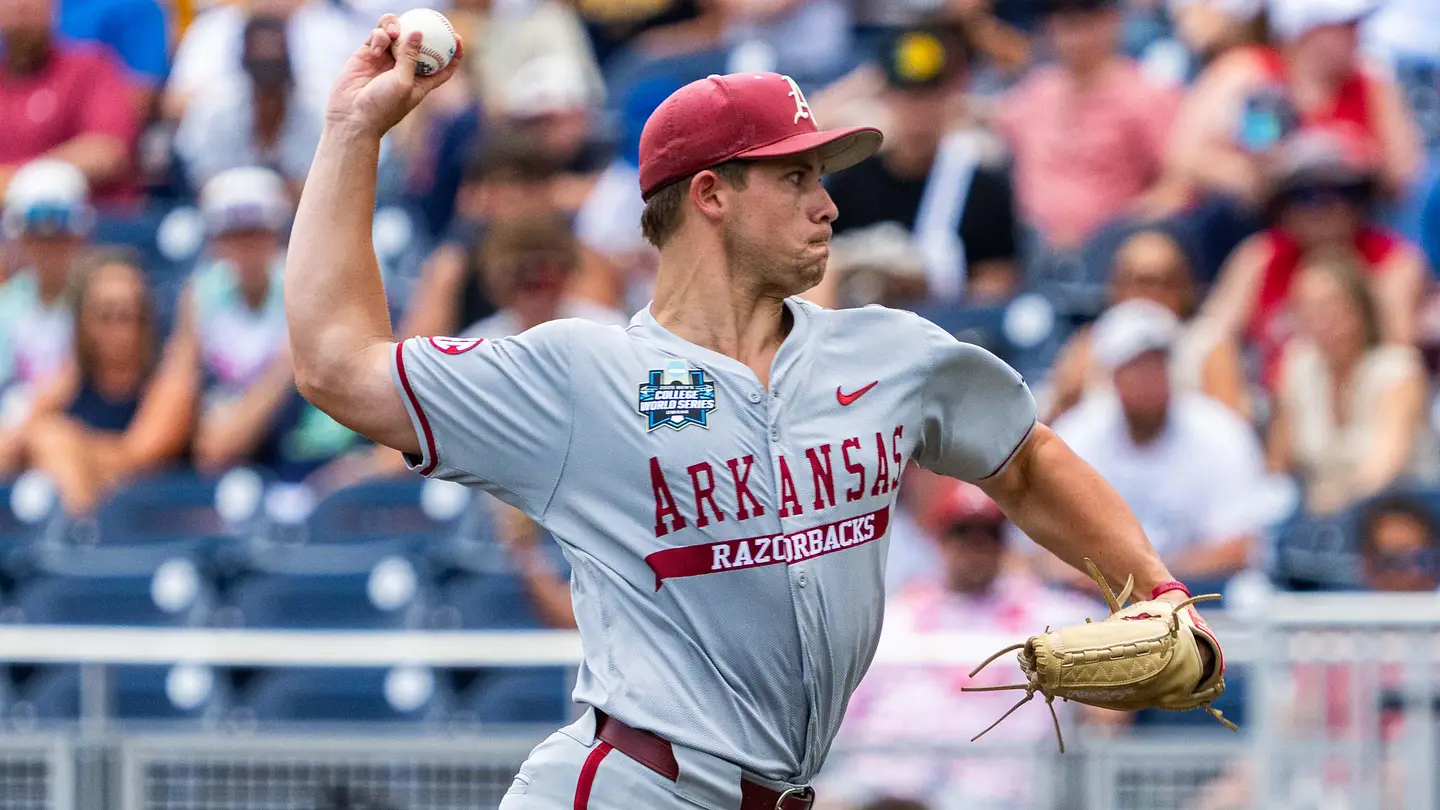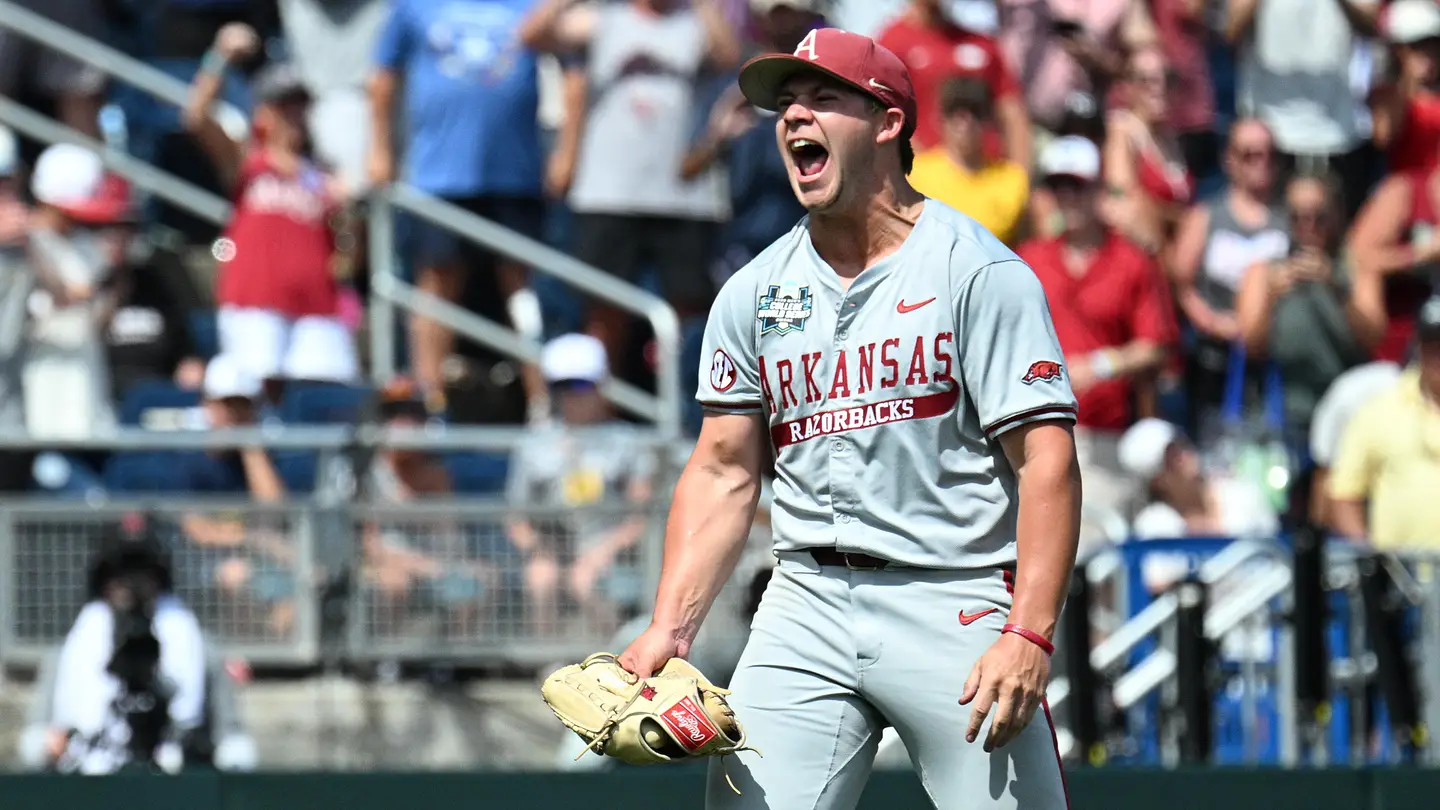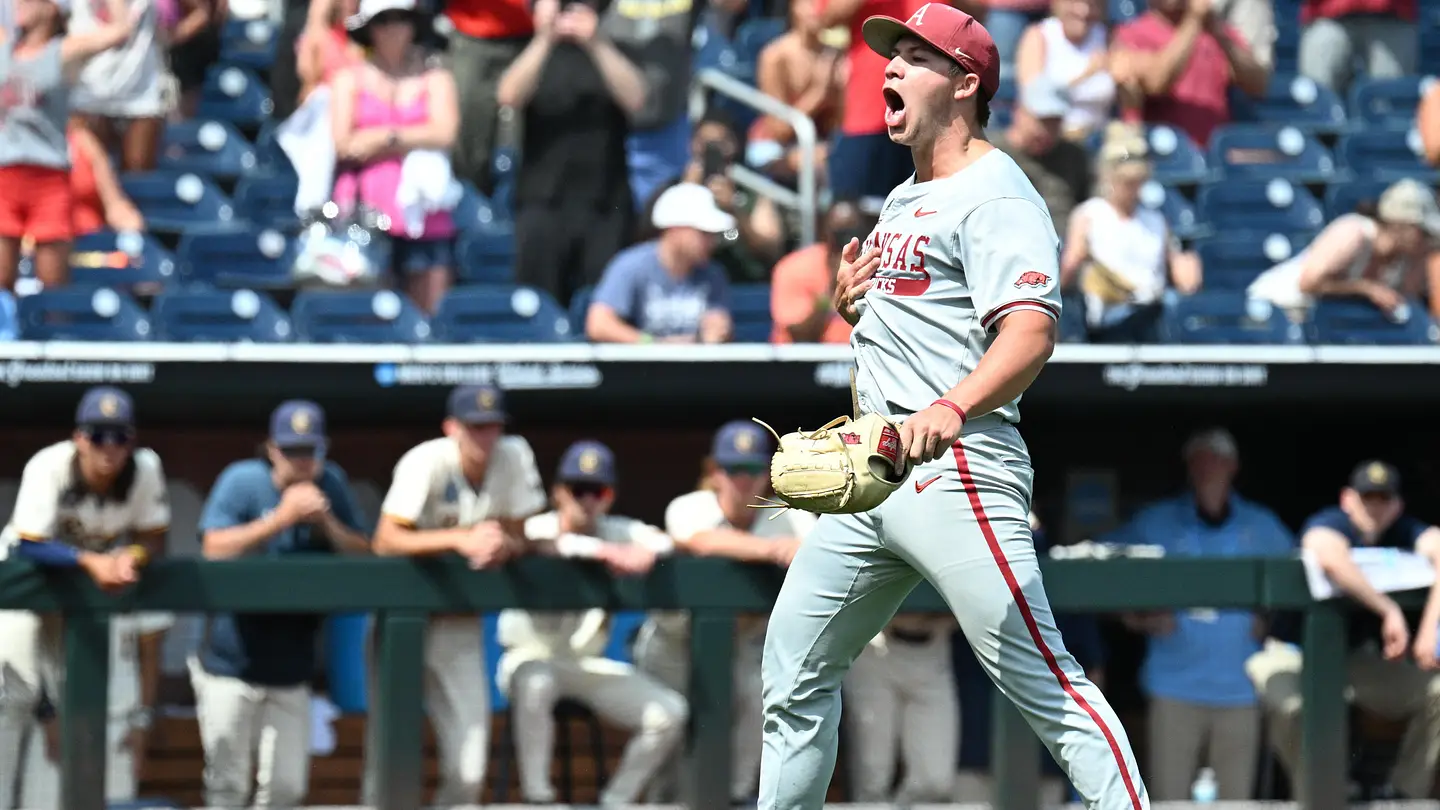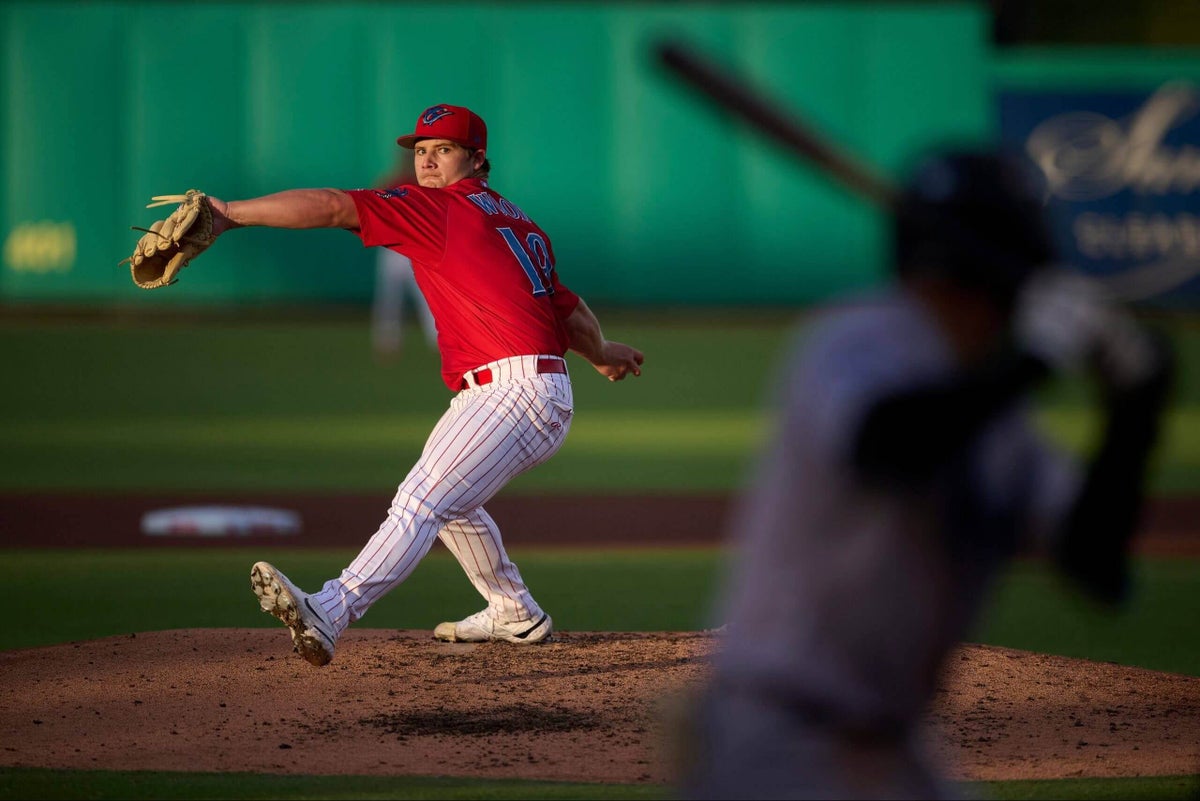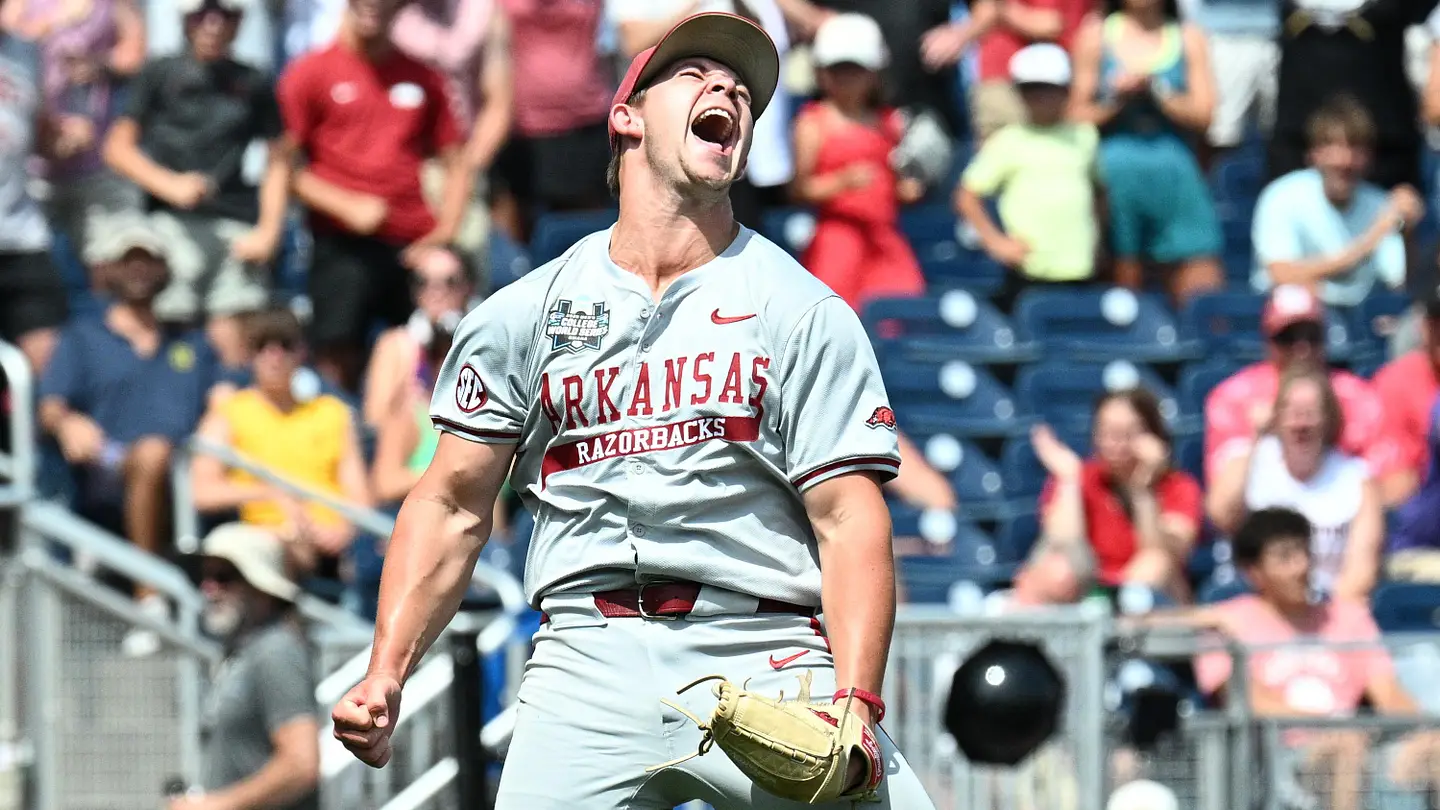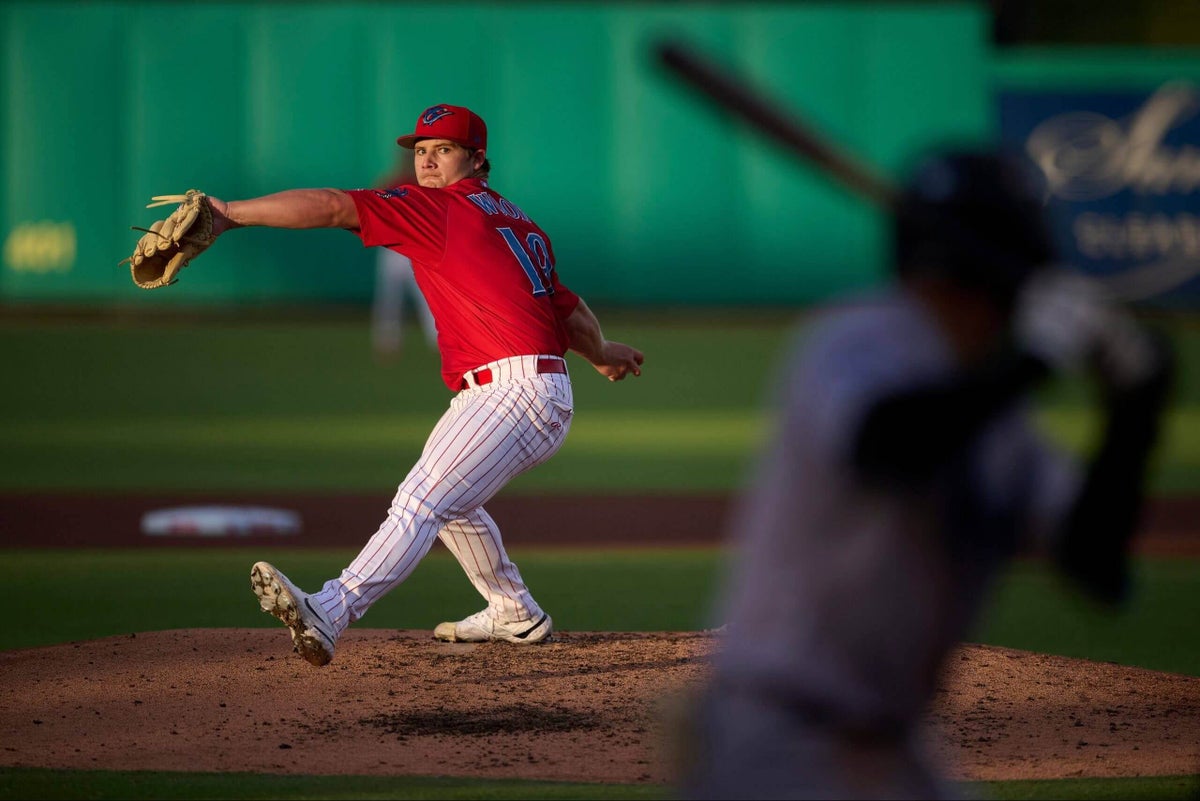
About two weeks ago in Palm Beach, Fla., Gage Wood threw an elevated fastball that was promptly hit back at his pitching hand at 103 mph. In a span of a few seconds, he shook his right hand, then sprinted for the ball and attempted to field it before the runner reached base.Trainers came to the mound. Wood threw a bit. He seemed fine. Then he struck out the next batter he faced, reaching 97 mph on his fastball as he ended his four-inning day.Phillies director of pitching development Travis Hergert watched from afar, heading to the airport after spending some time with High-A Jersey Shore.“I could hear his scream all the way from Palm Beach up to Jersey,” Hergert said. “(It was) a really cool moment that shows the competitor in him, and I think he’s going to continue to thrive in those types of moments.”Those moments will now come with Double-A Reading, where Wood was promoted Monday after eight starts with Low-A Clearwater. He dominated hitters with a fastball averaging 96 mph, striking out 40 and allowing 10 earned runs across 26 1/3 innings. Now Wood, less than a year removed from throwing a no-hitter in the College World Series, faces a new challenge with the Fightin Phils.The move to Double A, Hergert said, will require Wood to better navigate the zone and expand when needed against stronger hitters.“Low A to High A at this time of year is a bit more of the same from a hitters-quality standpoint,” Hergert said. “I think he would have been able to continue to dominate more with his fastball and not have to lean so much on his offspeed, and I think that’s the challenge we’re presenting him with in Double A.”Wood, 22, is one of the last college first-rounders from the 2025 MLB Draft to be promoted above Low A.He leaned heavily on his fastball in Clearwater, using it more than 60 percent of the time. The pitch was one of his best attributes when the Phillies signed him and remains so. He also threw three secondary pitches: a slider (26 percent), curveball (9 percent) and splitter (3 percent).His 96 mph average on his four-seam — topping out at 98.2 mph — put him well above the Low A average of 93.5 mph (per tracked pitches on Statcast). Hergert also noted the pitch’s release height and carry as key to overwhelming Florida State League hitters.“Just overpowering stuff for the level,” Hergert said.Wood also worked on his secondaries, particularly his slider and keeping its movement tight. In recent starts, Wood has focused on landing that pitch and his curveball earlier in the count — “more as a strike pitch,” Hergert said.“Then, obviously, when he gets ahead,” Hergert said, “he can expand a little bit. Maybe get a little bit more swing-and-miss, (a) little more chase, kind of landing the slider down and away, getting the curveball down to lefties.”Refining the secondaries will become all the more important in Double A, where hitters generally have better feel for the zone, game planning and patience. The Phillies plan to develop what Wood already has, with perhaps a greater use of his splitter in the future. When used in Low A, Hergert said, it was primarily to give him another weapon against lefty-heavy lineups.Several rival evaluators who saw Wood at Clearwater felt he was too good for the level. They felt it was difficult to evaluate him based on his competition.The move should not be confused with accelerated development. Wood, who threw 37 2/3 innings at Arkansas last year and a career-high 40 the year before, is a pitcher the Phillies intend to develop as a starter and treat carefully. But he must be challenged, and those challenges will come in Double A.Now, with Wood at Double A, several of the Phillies’ top prospects are concentrated in Reading, including Dante Nori, Aroon Escobar, Alex McFarlane, Bryan Rincon and Carson DeMartini. Wood will debut in Portland, Maine, on Friday, with his first start in Reading likely coming toward the end of next week.— Matt Gelb contributed to this report
What the Phillies hope to see from Gage Wood after promotion to Double A
It will be important for Wood to refine his secondary pitches in Double A, where hitters generally have a better feel for the strike zone.
700 words~3 min read