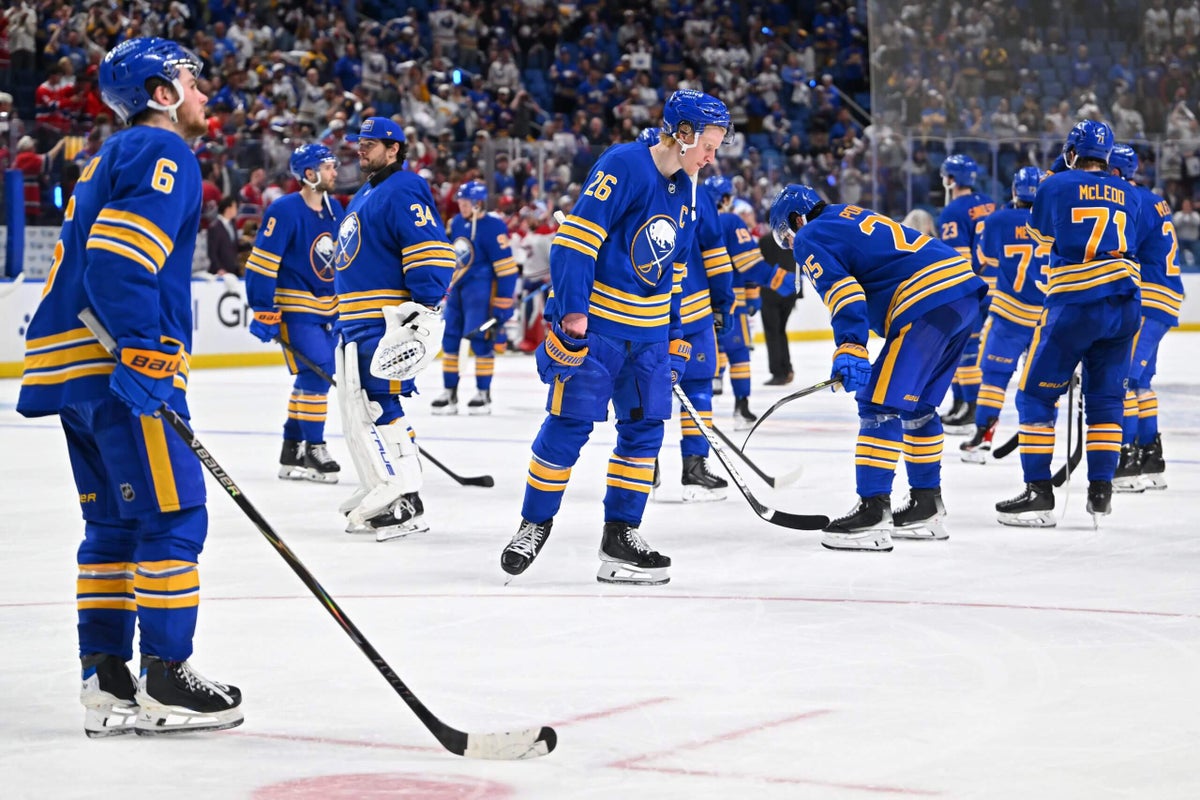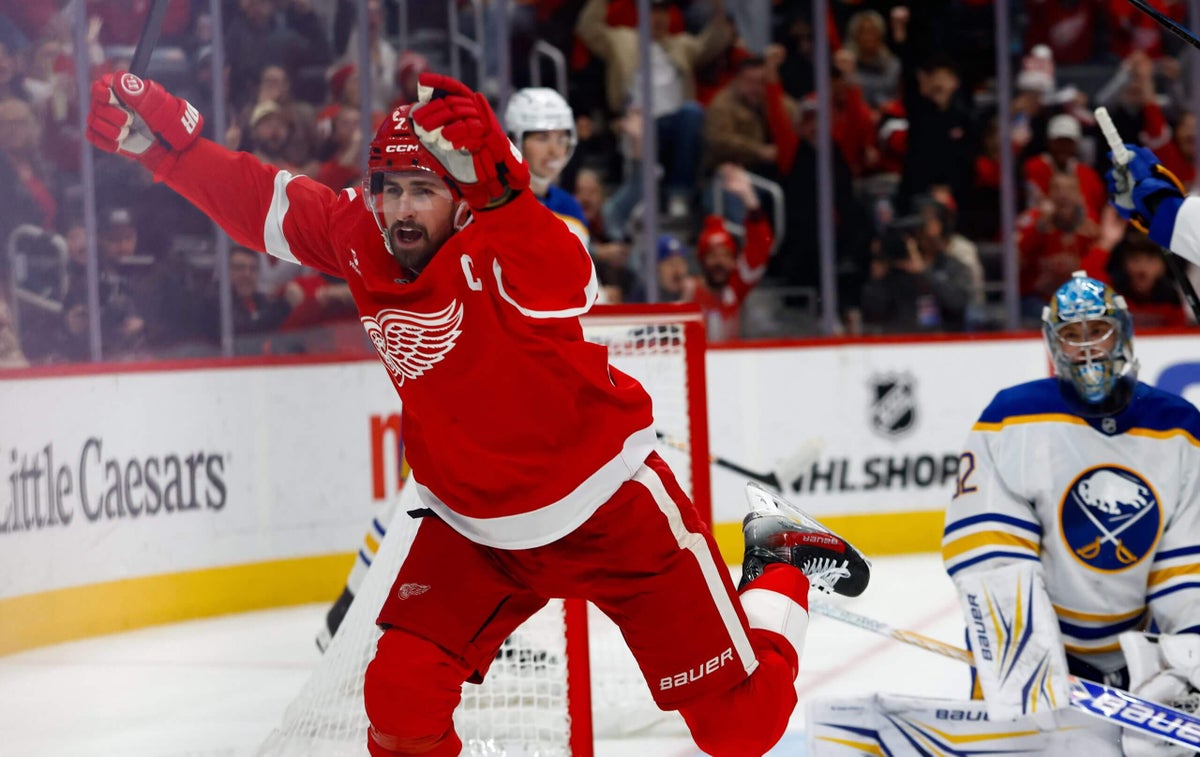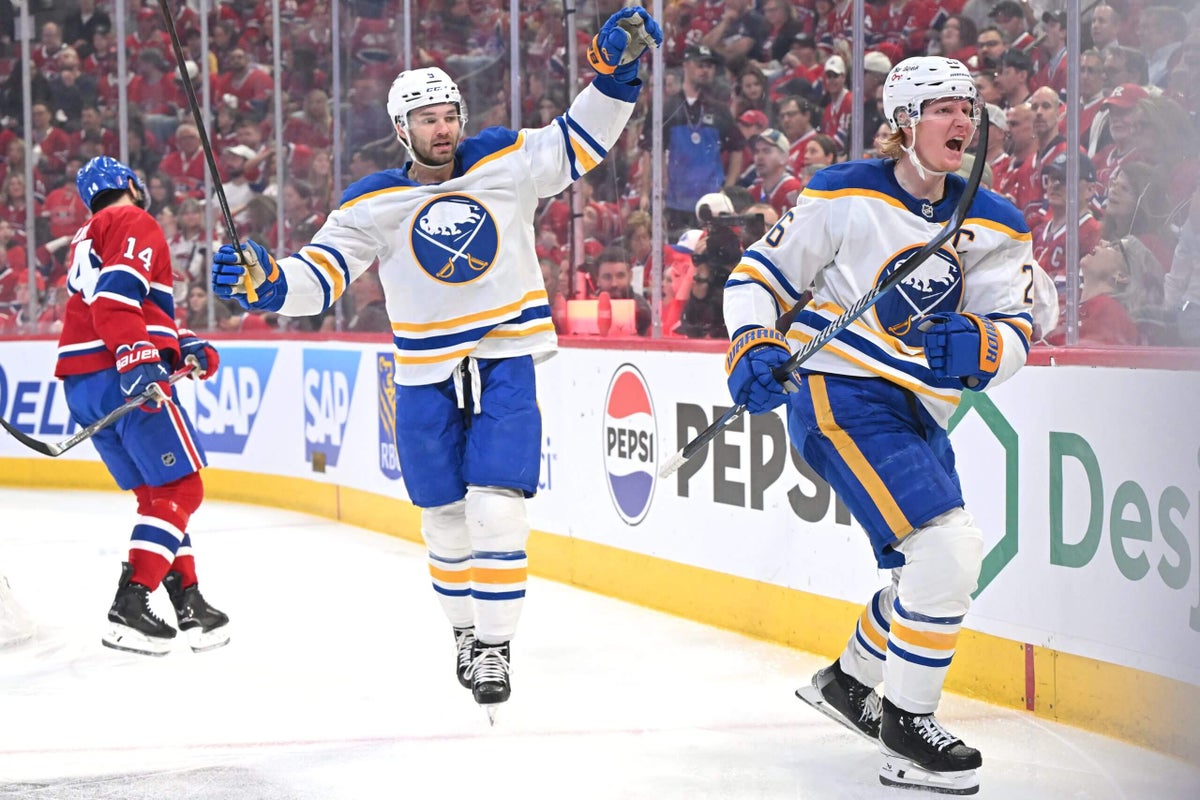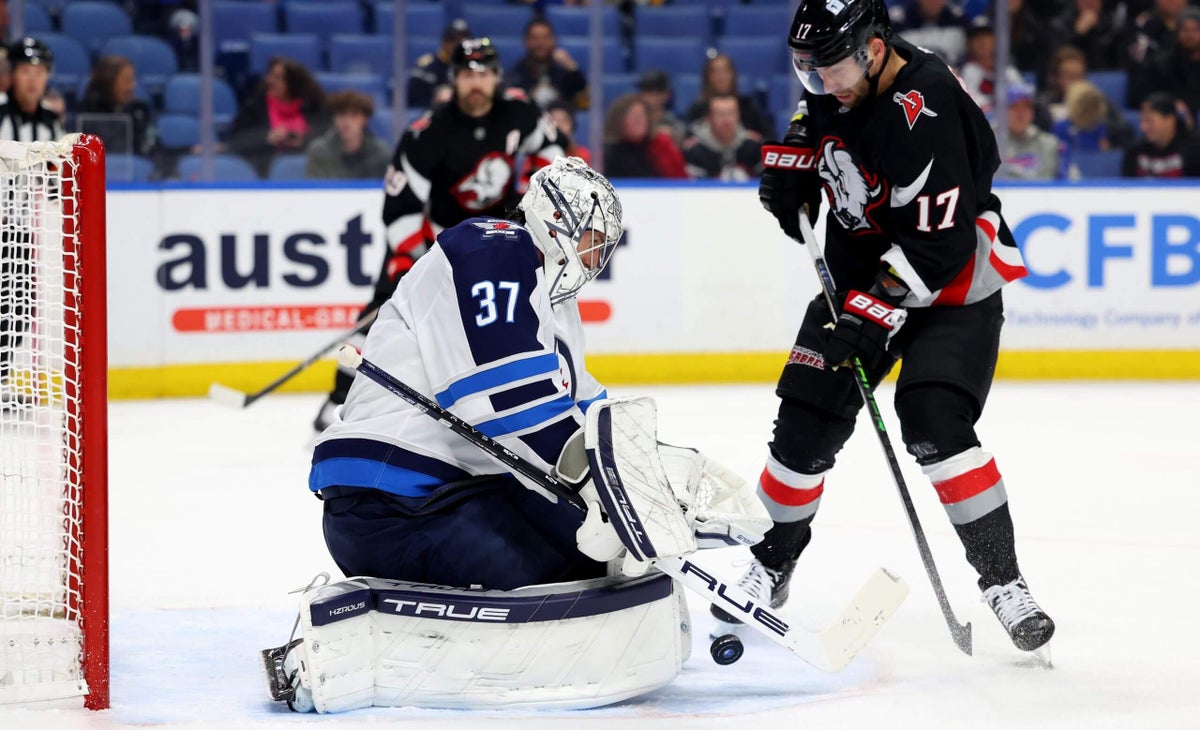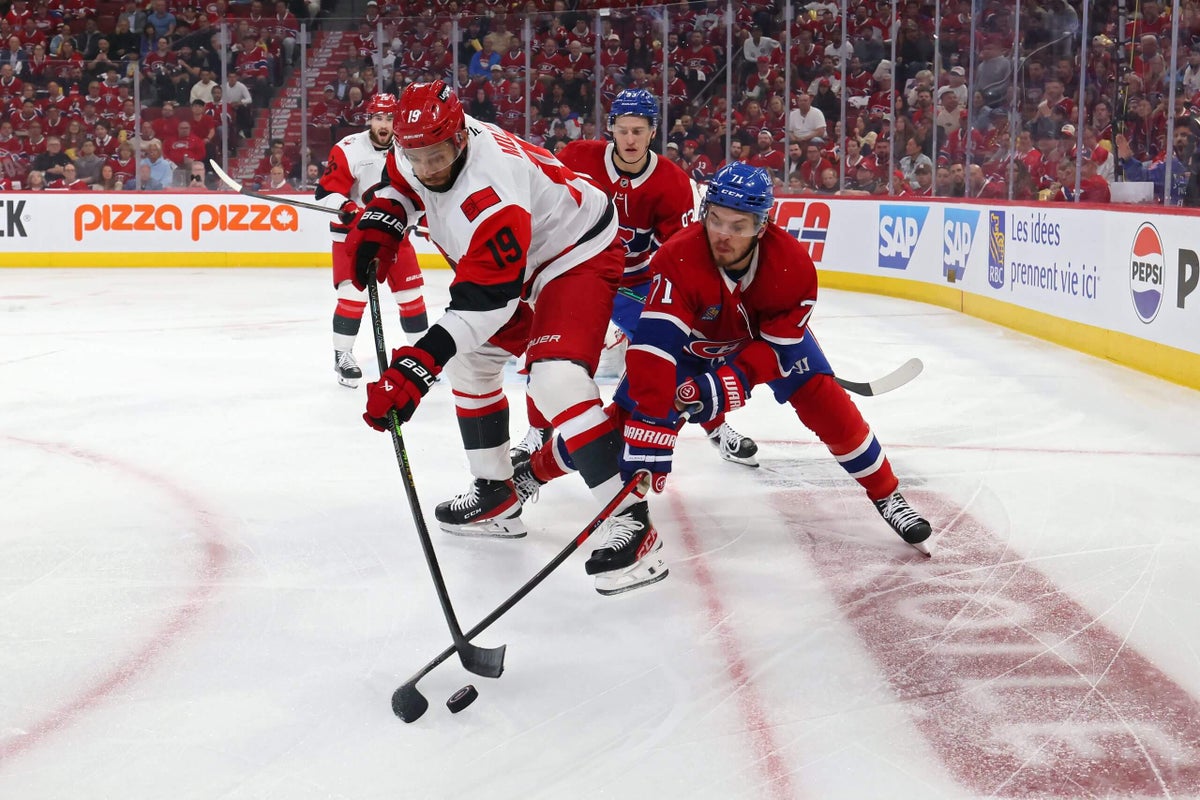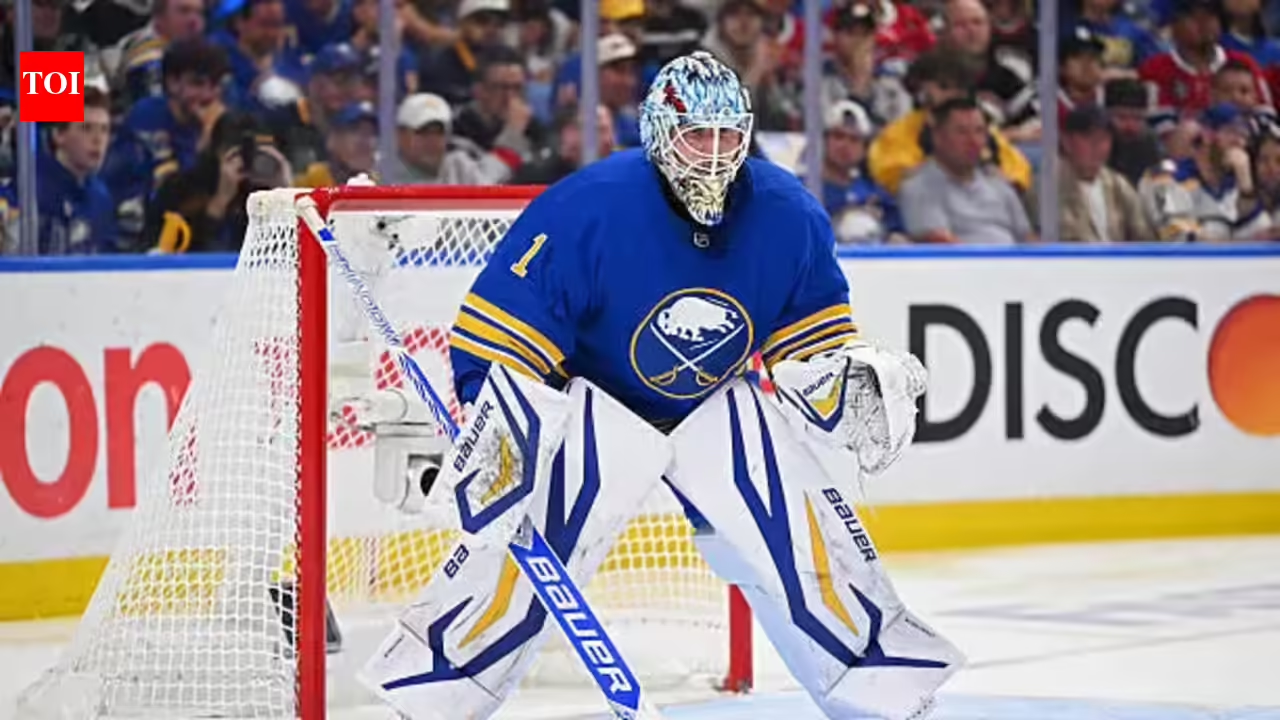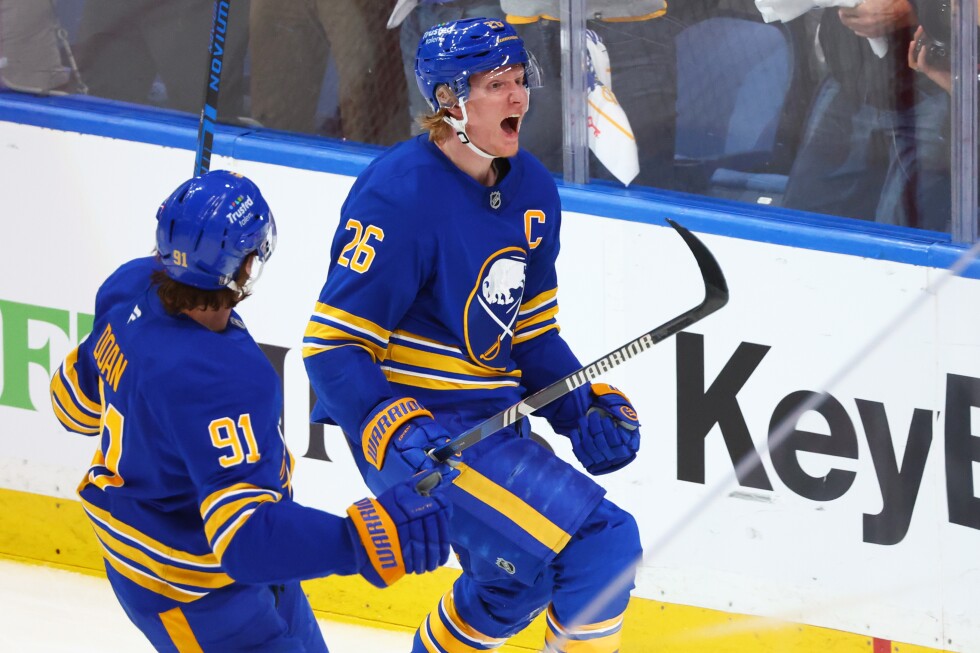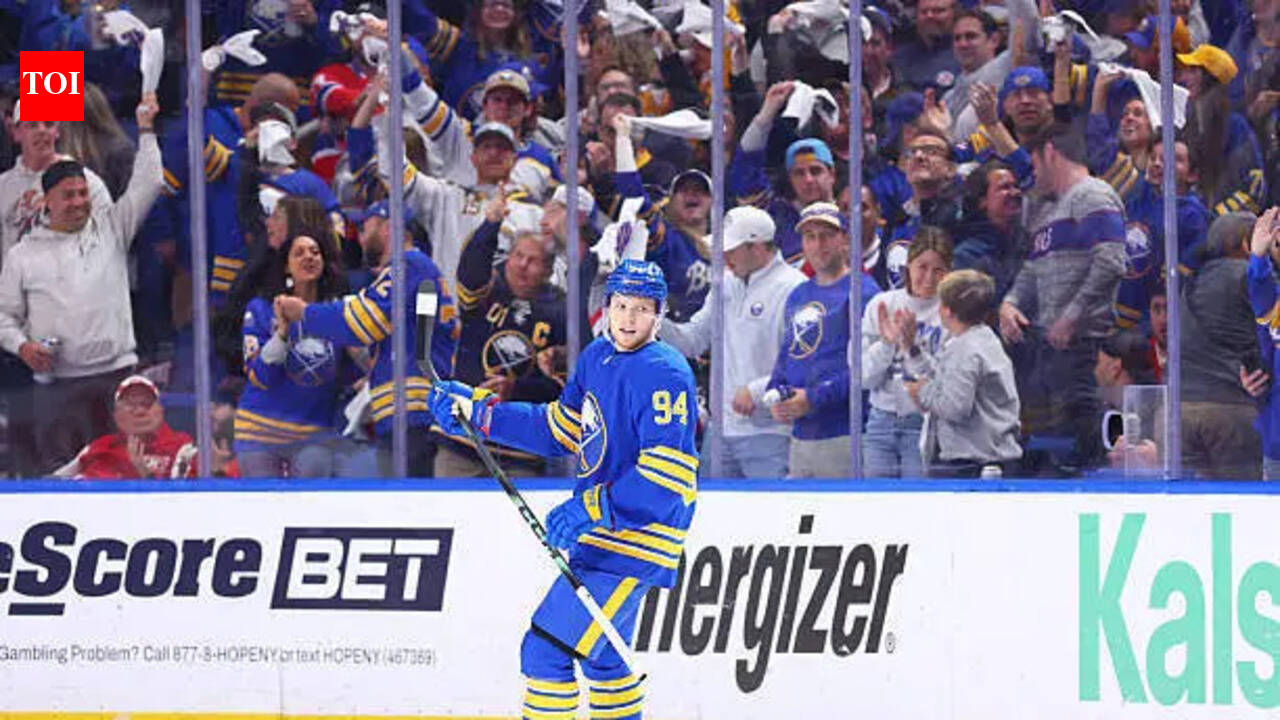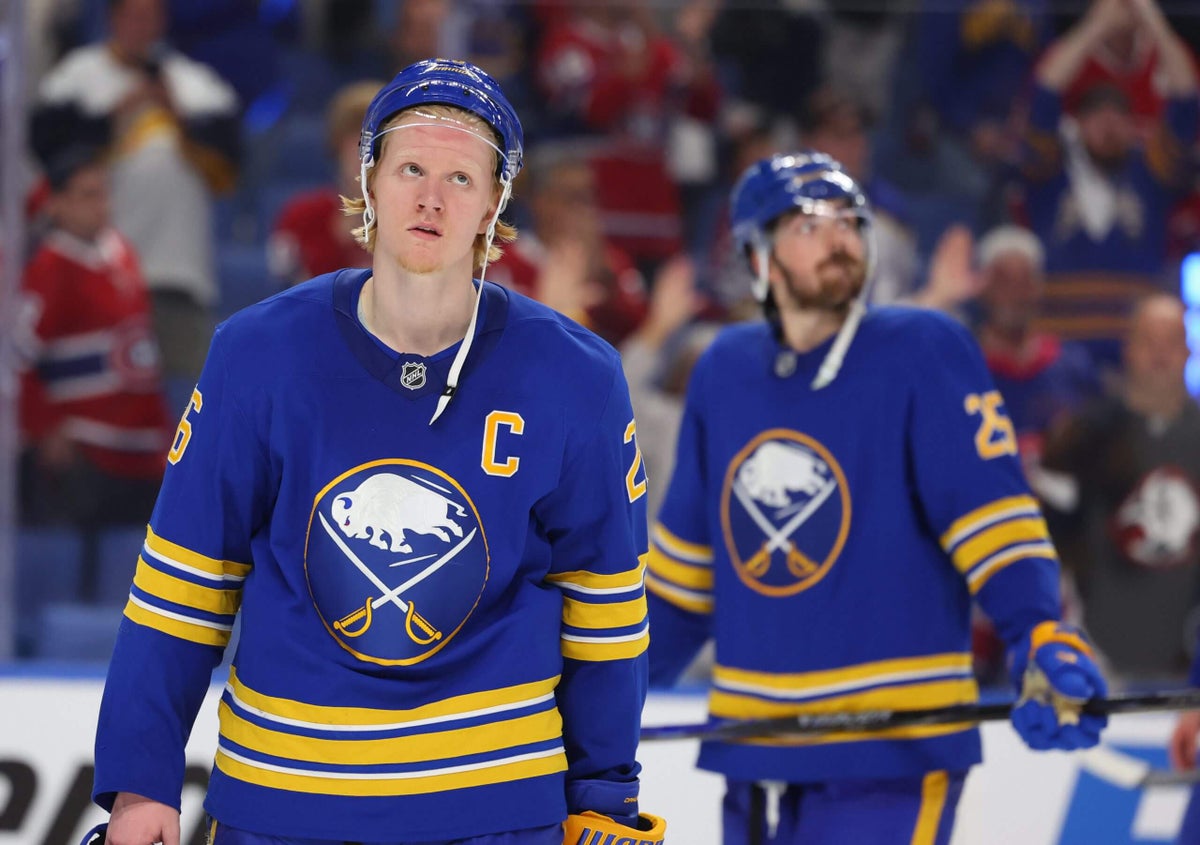
It’s easy to nitpick the little things and moments — especially after a heartbreaking Game 7 overtime loss.The Buffalo Sabres were inches away from reaching the Eastern Conference final. Instead, Alex Newhook’s game-winner ended their year and kick-started their offseason.Ukko-Pekka Luukkonen, after making some excellent saves to keep Buffalo in the game, should have stopped that shot. Tage Thompson and Rasmus Dahlin should have managed the puck better at the blue line. And there were moments and sequences before overtime that will be thought about all summer long.Those details all matter; just not in the context of game situations in this playoff run anymore. Now, it’s about how those apply to the big picture. So as painful as a Game 7 elimination is, it doesn’t have to define the Sabres’ season — not when this team made so much progress over the past year. Instead, this should be something for Buffalo to build from.Every playoff series has lessons and takeaways on both sides of the matchup. The winning side, rightfully, tends to take the spotlight and find lessons to apply to the next series, punting any long-term takeaways until the offseason.The losing side, on the other hand, officially has more time to start planning for next season. So here’s what we learned about those four teams eliminated in Round 2.Buffalo SabresThe playoff window is officially openAfter 14 long and tumultuous years, the drought is over, and the Sabres’ playoff window is officially open — and now it’s up to the team to keep it that way.This year’s player growth and core ages alone put the team in a strong starting position in the early phases of this window. Rasmus Dahlin looked like a top-five defenseman and, unlike years past, had a lot of support around him. Mattias Samuelsson bounced back in a big way and Owen Power took a step forward this year.But maybe the bigger story after two playoff rounds is the breakthrough performances up front.Zach Benson, who only turned 21 last week, was an absolute menace for the Sabres, with his puck-hounding, playmaking and overall two-way game. That all-around game is already showing similar traits to players like Seth Jarvis and Brad Marchand, while Josh Doan’s first season in Buffalo put him on the Brandon Hagel track.In the next tier, Konsta Helenius is quickly proving to be an impact player, while Noah Östlund showed a lot of potential when healthy, too.The Sabres still need work at center and on the right side of the blue line in particular. Plus, there are some questions around Alex Tuch’s future and the goaltending situation heading into summer. Still, there is a foundation with a lot of upside to keep building around.While Jarmo Kekäläinen’s first moves as general manager weren’t all sparkling — like the decision to add both Logan Stanley and Luke Schenn on defense, both of whom were in the press box to end this playoff run — the vision was there at the deadline. The Sabres did try to acquire a righty in Colton Parayko and were in the Robert Thomas mix. With the right moves and more internal growth, this team should be poised to take another step next year.Anaheim DucksThe future is brightPart of what has made this year’s playoffs so interesting is the rise of young teams. The next wave of contenders has started making an impact sooner than expected, and disrupted the playoff picture, and the Ducks have been at the heart of that.It wasn’t just that this team knocked out the Edmonton Oilers with ease in Round 1 or made a push against the Vegas Golden Knights. It’s who drove the bus for Anaheim.The Ducks have seasoned veterans up and down the lineup, from Mikael Granlund, Alex Killorn and Chris Kreider up front, to Radko Gudas and Jacob Trouba on the back end, among others. But the real question was how some of their up-and-coming stars would handle the pressure of a playoff environment, and whether they would be able to play to their strengths when play tends to tighten up.After the Oilers spoiled Game 1 with a late win, some of Anaheim’s young guns quickly answered those questions.Leo Carlsson was one of the best scoring chance creators across the whole playoff field through two rounds. The Ducks outscored opponents 9-7 at five-on-five and earned a 58 percent xG in his minutes, which helped him earn a team-best average Game Score of 1.89. Cutter Gauthier showed the national stage what a dangerous shooter he could be, and Beckett Sennecke came up clutch, especially against Vegas, when his team craved scoring.Jackson LaCombe looked like he could be on a Zach Werenski-caliber path during the regular season, and his postseason only added more weight to that comp. He had one of the toughest workloads in the playoffs, facing a heavy dose of Connor McDavid, Jack Eichel and Mitch Marner. Despite those matchup minutes, his two-way play still shone at times and helped the Ducks control play with a 61 percent xG share at five-on-five.While there were some rookie mistakes and lapses to learn from — and a lot of defensive work to be done — the Ducks showed a lot of promise earlier than expected.Philadelphia FlyersDefense alone doesn’t win championshipsThe Flyers have a strong defensive foundation. Thank head coach Rick Tocchet and John Tortorella before him for instilling those systems, plus a roster filled with shutdown threats. Philadelphia’s 1-1-3 neutral zone strategy and rush defense were a driving force behind the team’s Cinderella run down the stretch and through Round 1.But now it’s time to kick up play at the other end of the ice.In today’s NHL, the best defense is a strong offense. The Colorado Avalanche embody that better than any other NHL team. The Carolina Hurricanes’ high-pressure style is another nod to that line of thinking; yes, Carolina plays shutdown defense, but it also overwhelms opponents with waves of offense.The Flyers aren’t built for that yet. The roster isn’t loaded with scoring talent, and the systems aren’t fully in place to maximize it. There are signs that it’s coming; Porter Martone was a bright spot, Matvei Michkov still has untapped upside and Trevor Zegras bounced back in new surroundings. But even with a top-10 prospect pipeline, this team is still missing a game-breaker down the middle and some NHL-caliber talent to push Travis Konency and Owen Tippett a little lower on the depth chart. It’s understandable for a rebuilding team that jumped ahead of schedule, but it’s a crucial next step that has to be addressed.So does the power play.Teams can’t be too over-reliant on the power play in the postseason; just ask the Dallas Stars after their Round 1 elimination. It’s even tougher to rely on that scoring when fewer calls are made in later rounds. But when those opportunities come, it helps to actually have an advantage.A few teams in recent history have managed without. The 2011 Boston Bruins are the prime example of that, scoring just 3.83 goals per 60 on their way to the Stanley Cup. The key was that every other element of their game was so strong, the power play wasn’t as pivotal.The Flyers don’t have that luxury — not after generating the worst shot quality of the playoff field at five-on-five, and scoring even less. Operating at just 6.3 percent on the power play (3-for-36) was a glaring weakness. And it wasn’t just a new development in the playoffs, or bad luck. It was a genuine flaw that needs a lot of work moving forward.Minnesota WildSafe is deathWith their season on the line, the Wild came out swinging in Game 5 with the opening goal just 34 seconds into action. Minnesota played fast and aggressively, forcing the Avalanche into early mistakes to take a 3-0 lead in the first period.The Wild were 40 minutes away from extending their season. Then two things happened: Colorado flipped a switch and amped up the pressure, and Minnesota flatlined in response.Via MoneyPuckScore effects were a factor here; leading teams often go into a defensive shell to protect that edge, while trailing teams can pump up the shots and risk to get back into the game. But even after adjusting for that, and limiting to just five-on-five situations, the Avalanche were still the better team over the next 40 minutes. With two goals in the last four minutes of play, Colorado forced overtime, where Brett Kulak won it and ended the Wild’s season.As much as Colorado forced a short-handed Minnesota team to contain them in the second and third periods, the Wild’s game strategy was all wrong. Playing it safe against a team as dynamic as the Avalanche was the kiss of death.And it’s something that held this team back in the big picture, too.Sure, the Wild made the big swing back in December with a franchise-altering trade to bring in Quinn Hughes. But management didn’t do enough after acquiring him to maximize this season.Until Hughes extends (or leaves) Minnesota, this team is on a ticking clock to make the most out of his time there. Add in the rising costs of Kirill Kaprizov’s extension for next year, plus a potential new deal for Hughes in 2027 if he does stay, and this team will have less cap flexibility to work with. The goaltending situation is another pressure point, because a Jesper Wallstedt-Filip Gustavsson tandem won’t last forever; Wallstedt is trending toward becoming a starter in his own right, and there are only so many minutes to share.Bringing in Michael McCarron proved to be a solid bottom-six addition. But he became a lot more important than any contender should want or need. The Joel Eriksson Ek injury obviously played into that, just as Jonas Brodin’s forced Jacob Middleton into a top-four role that was above his depth in this situation. Teams can’t anticipate injuries like that, but it’s something every team has to prepare for at this time of year. That’s why depth matters so much, and this team had months to add some.If there was a time to go all-in, this was it. Even with the gauntlet path through the Central Division, adding Hughes gave the Wild their best chance to do some playoff damage.Now, next year has just become all the more important — so it’s up to this team to change its safe strategy, top to bottom, to actually make the most of it.Data via Evolving-Hockey, HockeyViz, HockeyStatCards, All Three Zones, HockeyStats and Natural Stat Trick. This story relies on shot-based metrics; here is a primer on these numbers.
What we learned about the 4 NHL teams eliminated in Round 2 of the 2026 playoffs
As four more teams shift into offseason mode, let’s take a look at what their losses say about their future trajectories.
1,760 words~8 min read