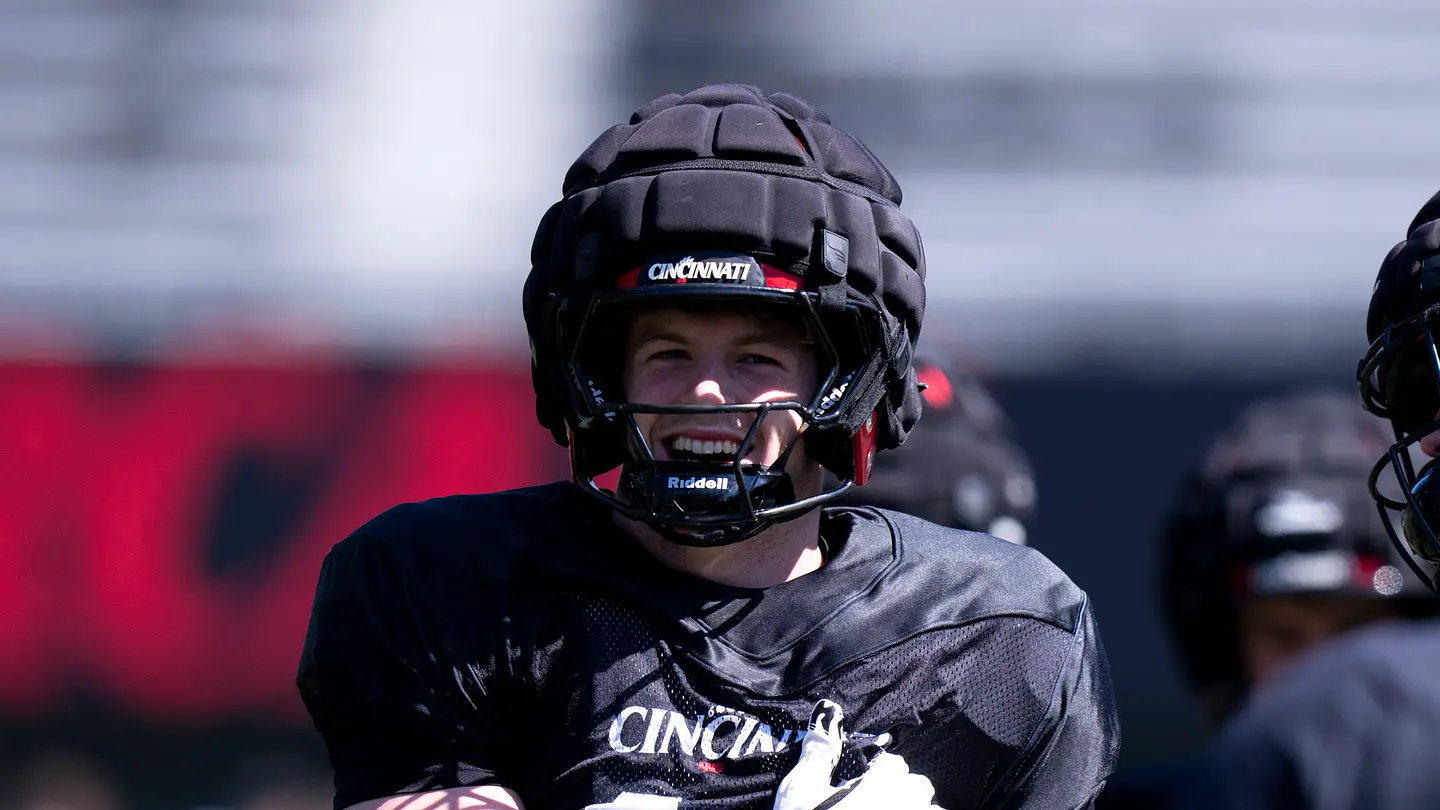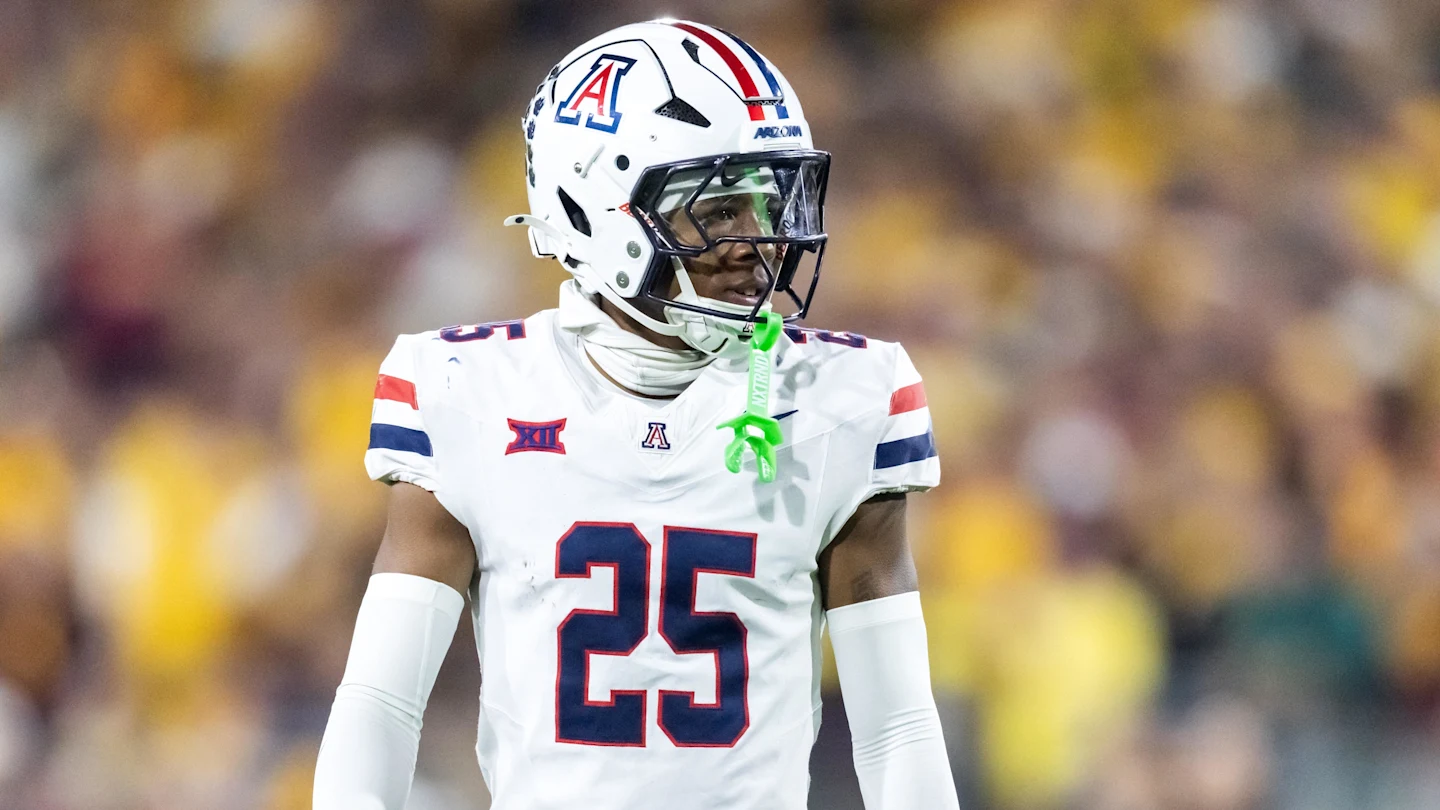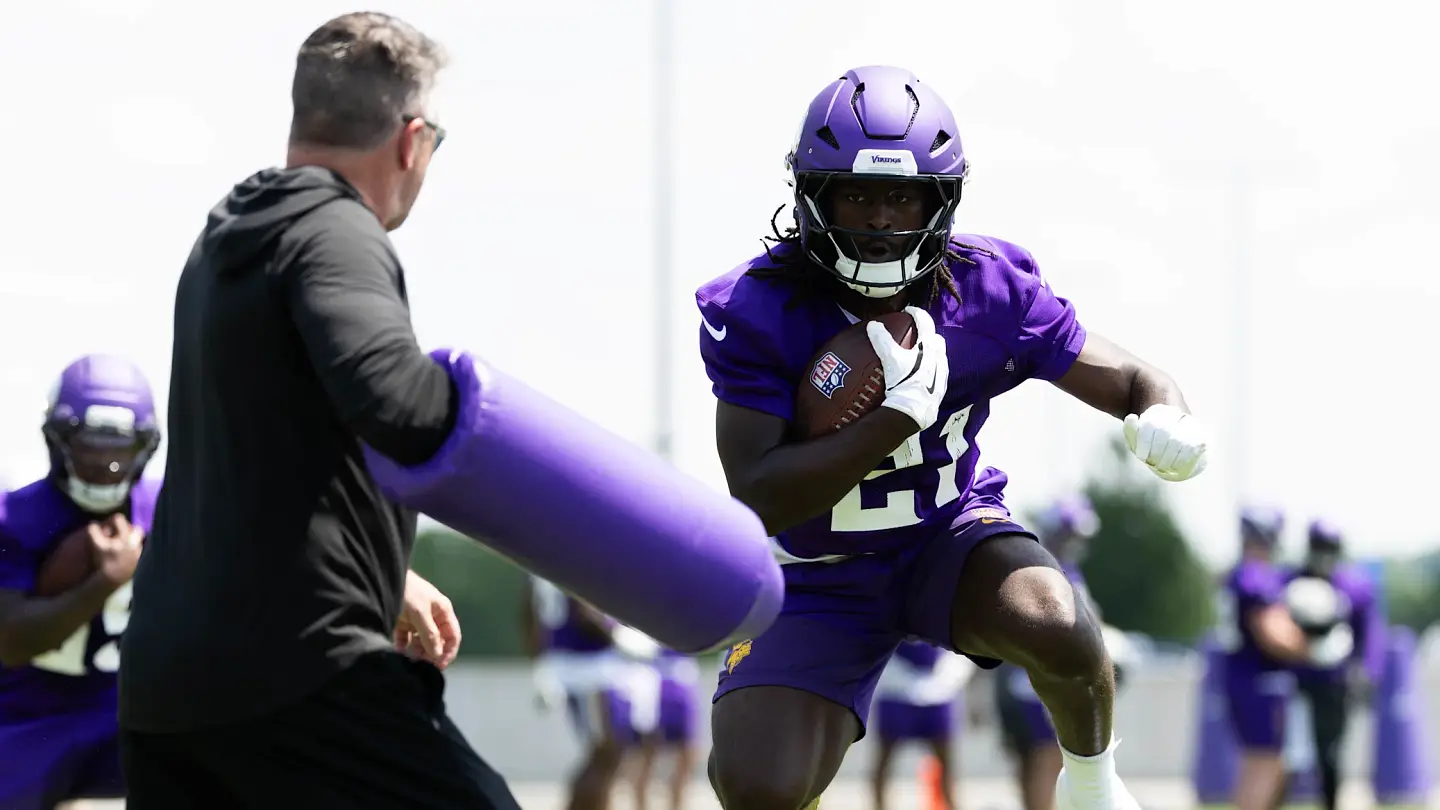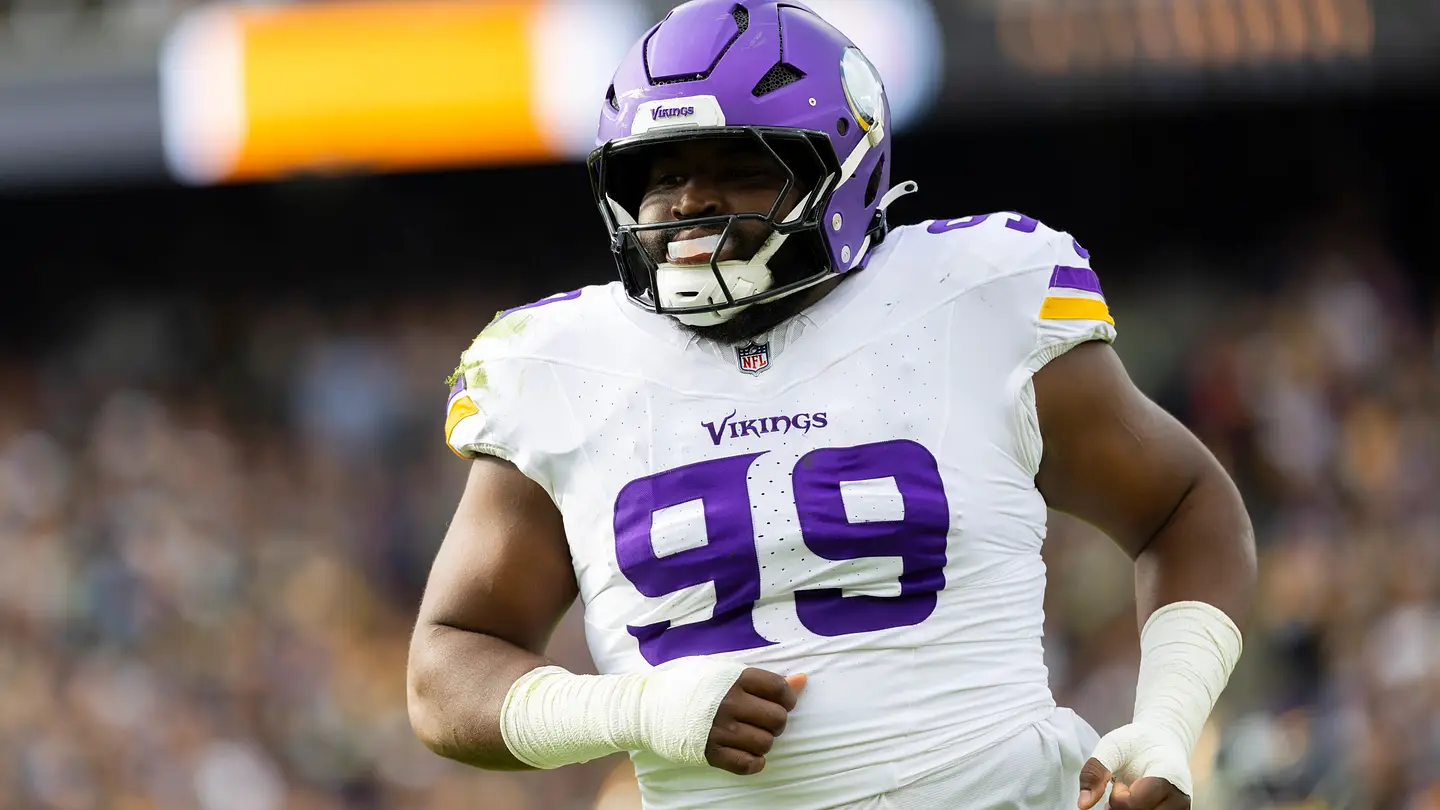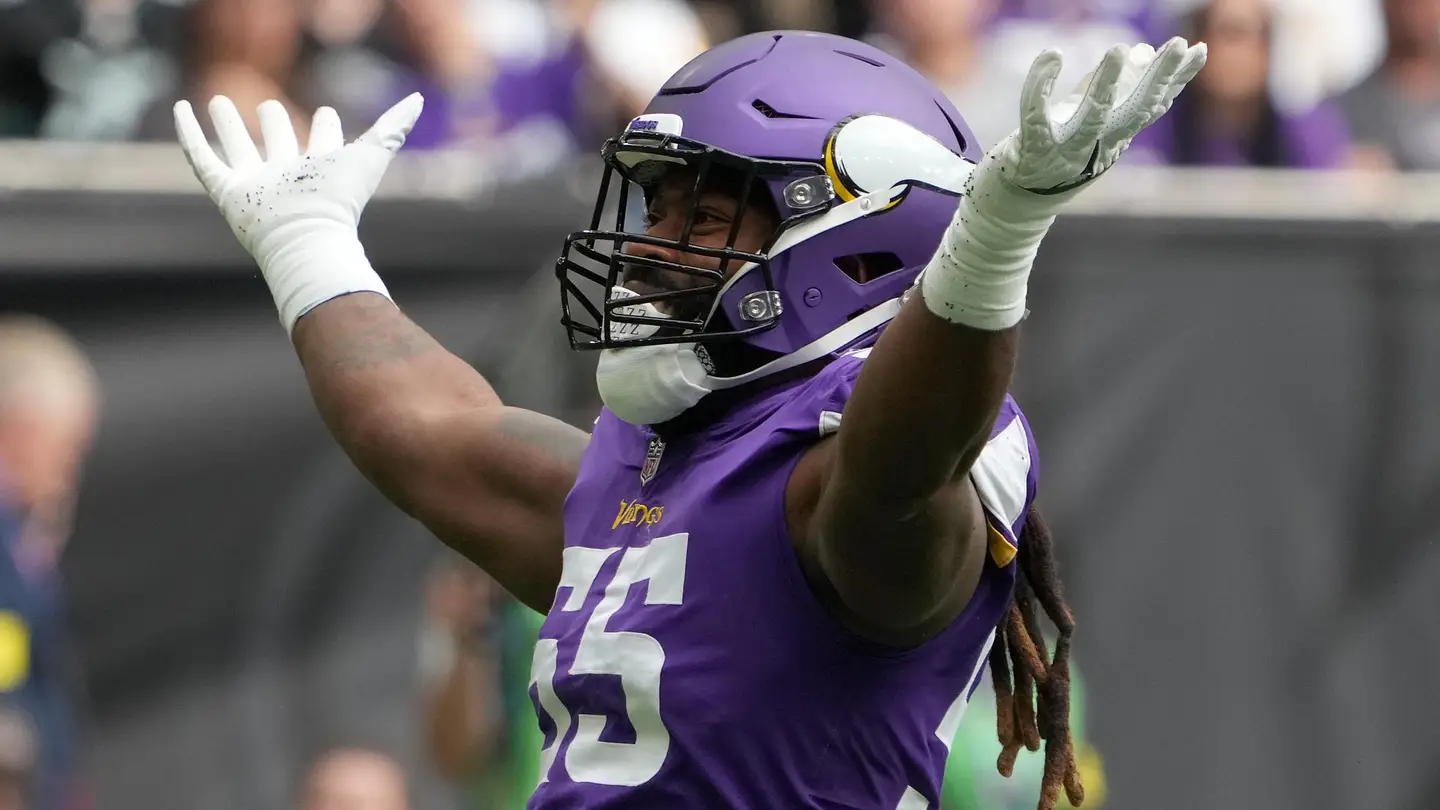
Every year, teams reach a crossroads during the NFL Draft. They’re on the clock, and the clock is ticking. Executives and coaches, huddling in a hushed room, mull a decision. Take the player at the top of the board, or zag from the initial plan and fill a different need.The Minnesota Vikings swore they wouldn’t shift on the fly in 2026. The ultimate test of their strategy arrived in the second round.Multiple teams had plucked prospects they liked in the lead-up to Minnesota’s pick. The Vikings eyed a center. Yet they recognized taking one at No. 51 would mean passing on Jake Golday, one of the few players in the draft truly capable of playing the most important position in Brian Flores’ defense.Calling the spot edge rusher simplifies the amount of responsibility. Eraser works. Maybe even Andrew Van Ginkel’s residence.“We think Jake is a guy who can learn from Gink,” Vikings coach Kevin O’Connell said the night of the pick. “He has some of those characteristics to him.”Like a potion, playing the Van Ginkel position requires a special concoction of traits, both physically and mentally. The arms must extend like golf ball retrievers to rush the passer. The brain must calculate angles in split seconds. Fluidity in space plays a big role. Conceptualizing formations, coverages, routes, blocking schemes and opponent tendencies does, too.If the film consistently revealed these elements in players, they’d be a dime a dozen. But it doesn’t. So, the Vikings’ search led them down paths both traditional and more modern.Conversations with coaches painted a fascinating initial picture. Interesting test results validated these impressions.In an alternate universe, Golday, a native of Arlington, Tenn., would have attended Samford and starred as a tight end. Central Arkansas interrupted this path during the pandemic when Tayler Polk, then the team’s outside linebackers coach, cold-called high school coaches in Memphis looking for athletes. Arlington High School sold him on the potential of the 6-foot-4, 200-pound Golday.“When you hear that, you’re thinking, ‘Let’s dock two or three inches off and 20 or so pounds,’” Polk said.Golday visited the school and proved the measurements accurate. It was a stunner, Polk admitted. And, in time, a gift.Following his commitment, Golday impressed in odd ways. For example, he kept blocking field goal attempts in practice and wreaking havoc on the field. Somehow, he effectively timed the snap. Somehow, he consistently leaped high enough to graze the football with his fingers.Because Central Arkansas rostered a star edge rusher, David Walker, who would become a fourth-round pick of the Buccaneers in the 2025 draft, the staff initially struggled to find a role for Golday. Then, defensive coordinator Greg Stewart suggested a position switch to off-ball linebacker. He thought Golday bent his body well enough to dip beneath offensive linemen.Gumby-ish, you could say.Other coaches bought the idea.“He could process. And you have to process,” Matt Kitchens, then Golday’s position coach, said. “You’re reading triangles. You’re looking at pullers. You’ve got all of the different things going on in front of you. It’s just processing. He can handle information you give him. Then he can see it. Then he can react on it.”Some NFL evaluators and front office members refer to this quality as “cognitive ability,” a scientific descriptor derived from decades of lab research on the effects of Parkinson’s and Alzheimer’s disease.For decades, psychologists and neuroscientists have used tools to determine brain speed and capacity. Results informed families about whether or not the patient could drive safely and handle other everyday tasks. More recently, some of these scientists branched out from the lab and founded companies such as S2 Cognition and AIQ that use testing technology to assess an athlete’s mental capacity.Prospects take these tests on iPads and gaming devices in quiet rooms away from the pre-draft cameras. They press buttons on shapes. They pinpoint patterns. Think, for simplicity’s sake, of Candy Crush. Rather than accumulating points, each move you make records feedback on your impulses and reaction time.Sound silly? Peer-reviewed research affirms in-game relevance.Golday scored exceptionally well on many of these tests. One of the company’s artificial intelligence models — which filters through the test results with a couple of clicks — spit out the following when asked what position Golday should play: Profiles as a versatile linebacker who can play off the ball and on the edge. … Spatial awareness is superior. … His navigation is strong. … He can feel the play, adjust and improvise when the picture changes. Close your eyes, listen to these lines, and you might even imagine Van Ginkel. He sniffs out screens like he was in the opponent’s huddle, and he corrals ball carriers like the football was embedded with a tracking device. Coaches often shrug when trying to explain his exceptionalism.It’s as if there’s some intangible missing piece.Golday’s arc contains similar qualities. Ask how he deflected a particular pass, and words like natural and instinctive flow from the coaches who benefited from his performances.“There’s just some stuff that God gives people internally,” Tony Davis, another of Golday’s coaches at Central Arkansas, said. “You can’t coach it. They’ve just got it. He’s just got it.”Golday’s burst and length should create an immediate opportunity on special teams, which should buy time for his ability to blossom as a defender. Erasers don’t emerge without seasoning.Van Ginkel sculpted his current role over a span of years, but his intuition made it possible from the outset. He, too, always had it.
The Vikings identified several special traits in LB Jake Golday. They weren’t alone
The Vikings see Golday, a rookie out of Cincinnati, as an instinctive linebacker who could eventually play an Andrew Van Ginkel-like role.
906 words~4 min read