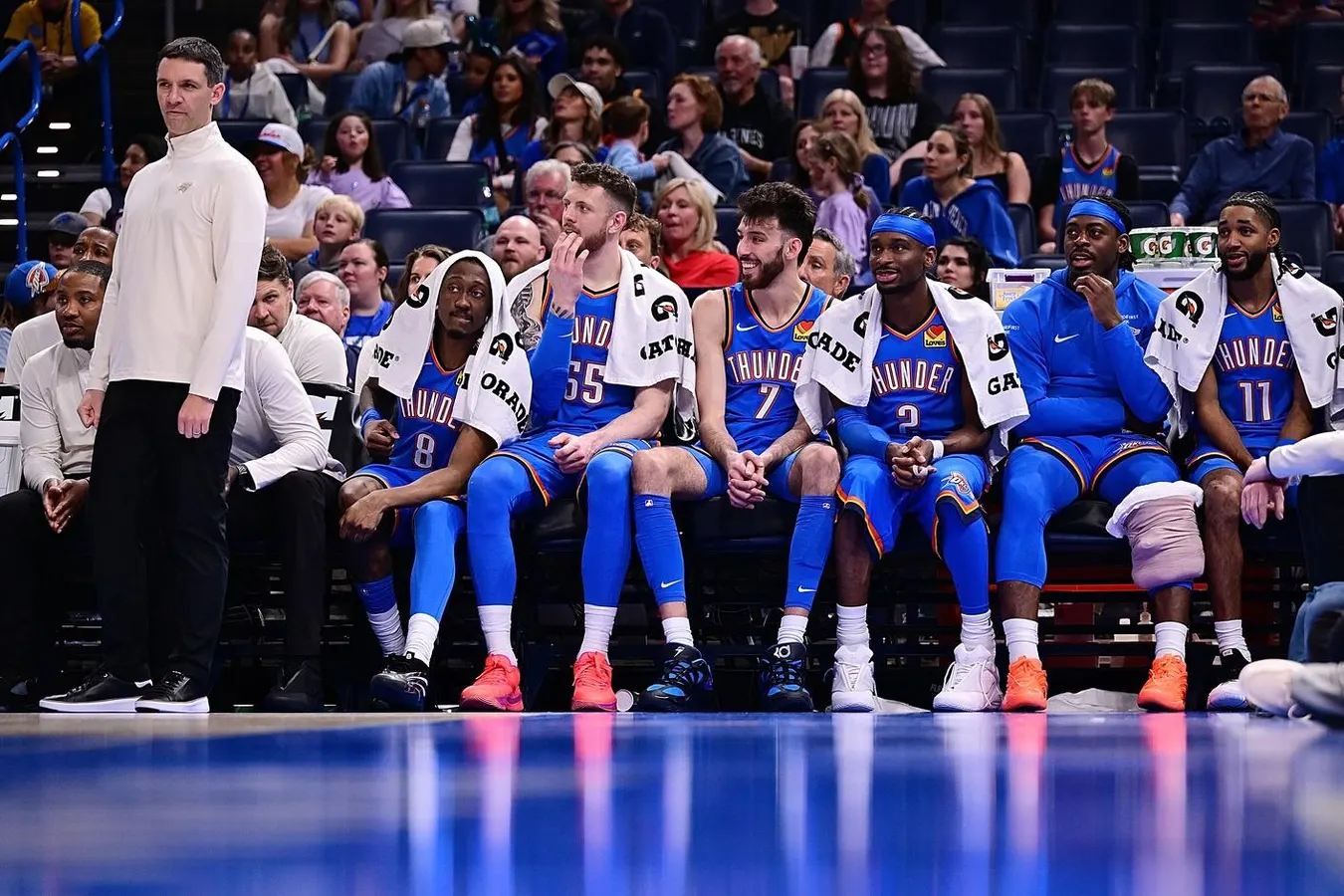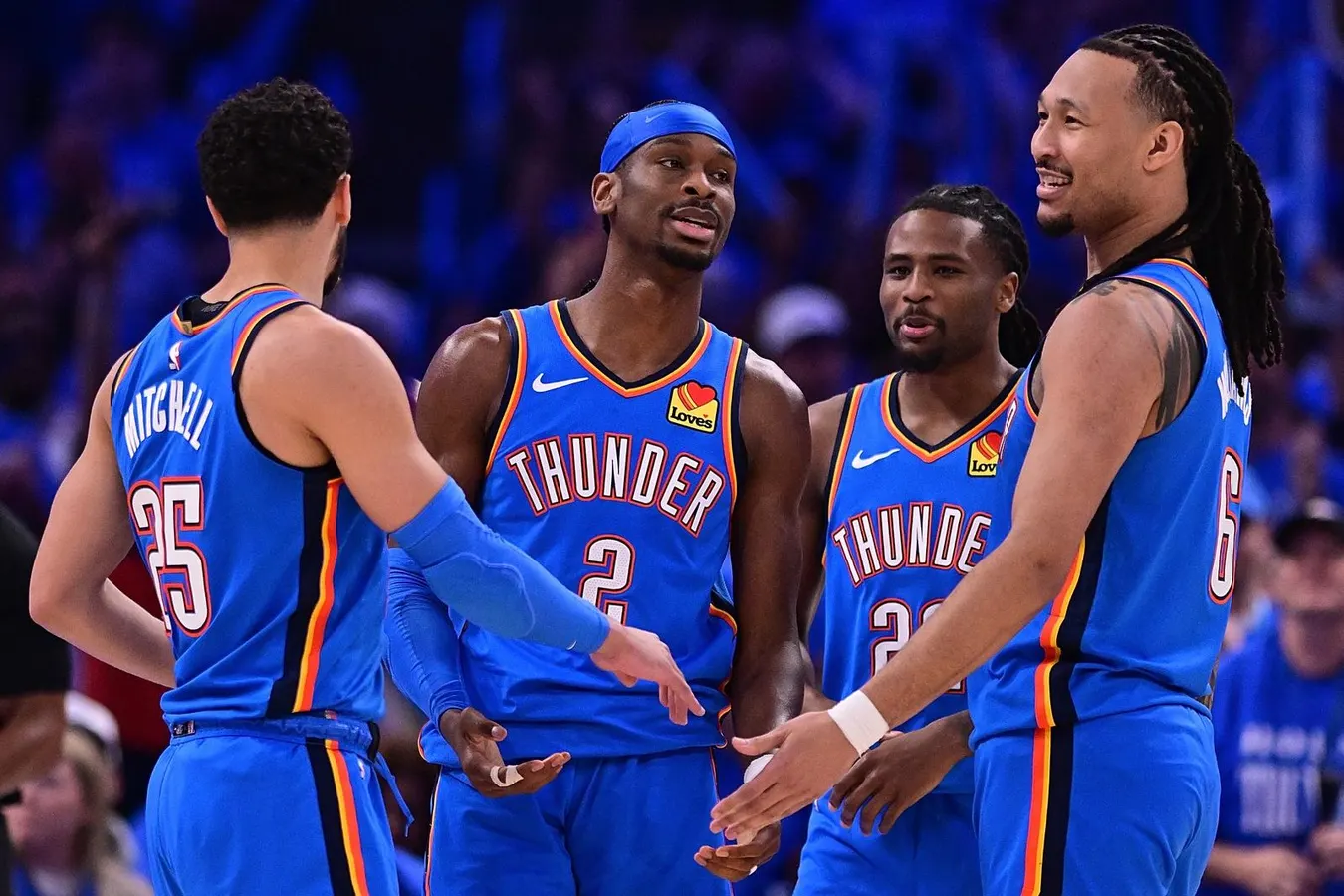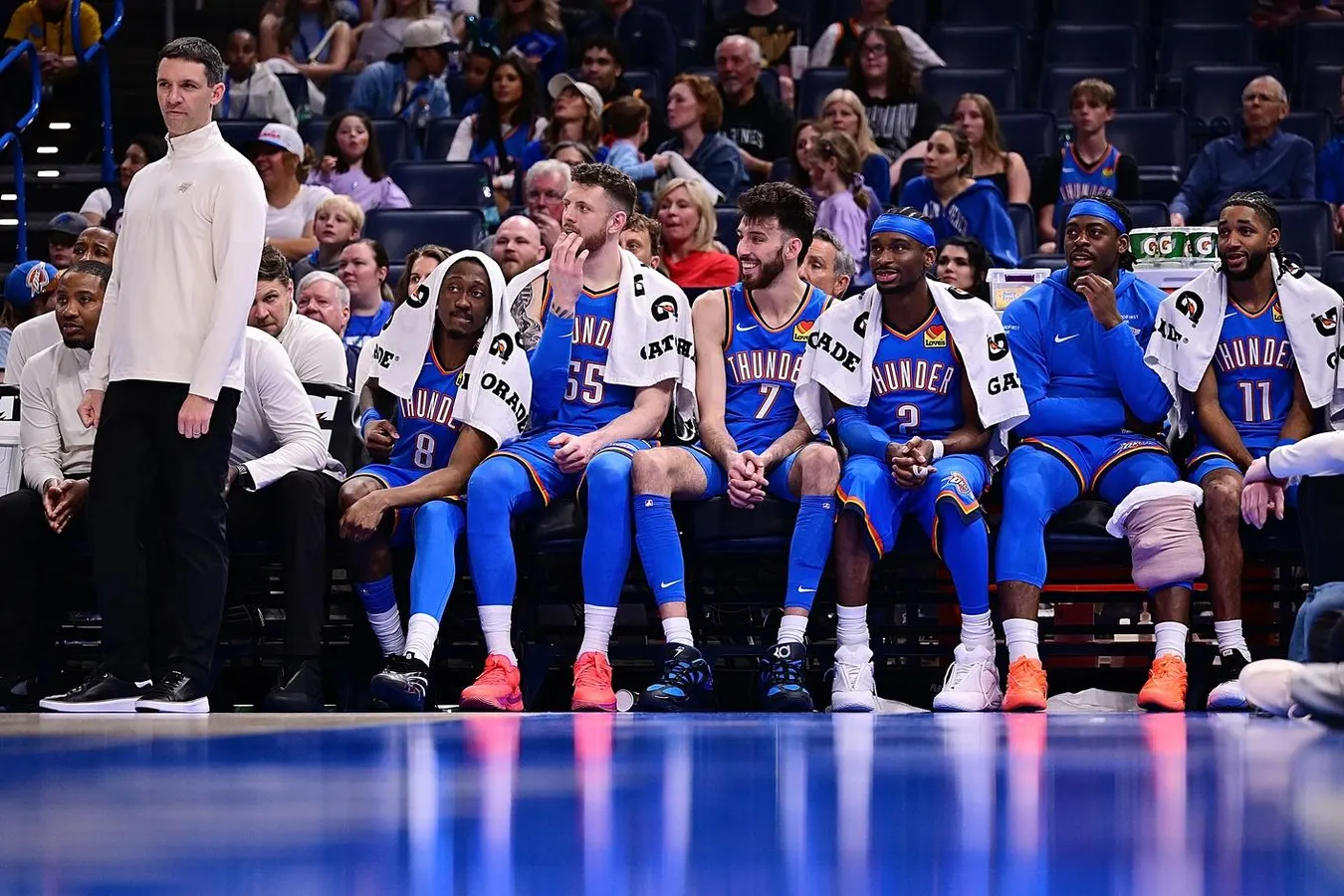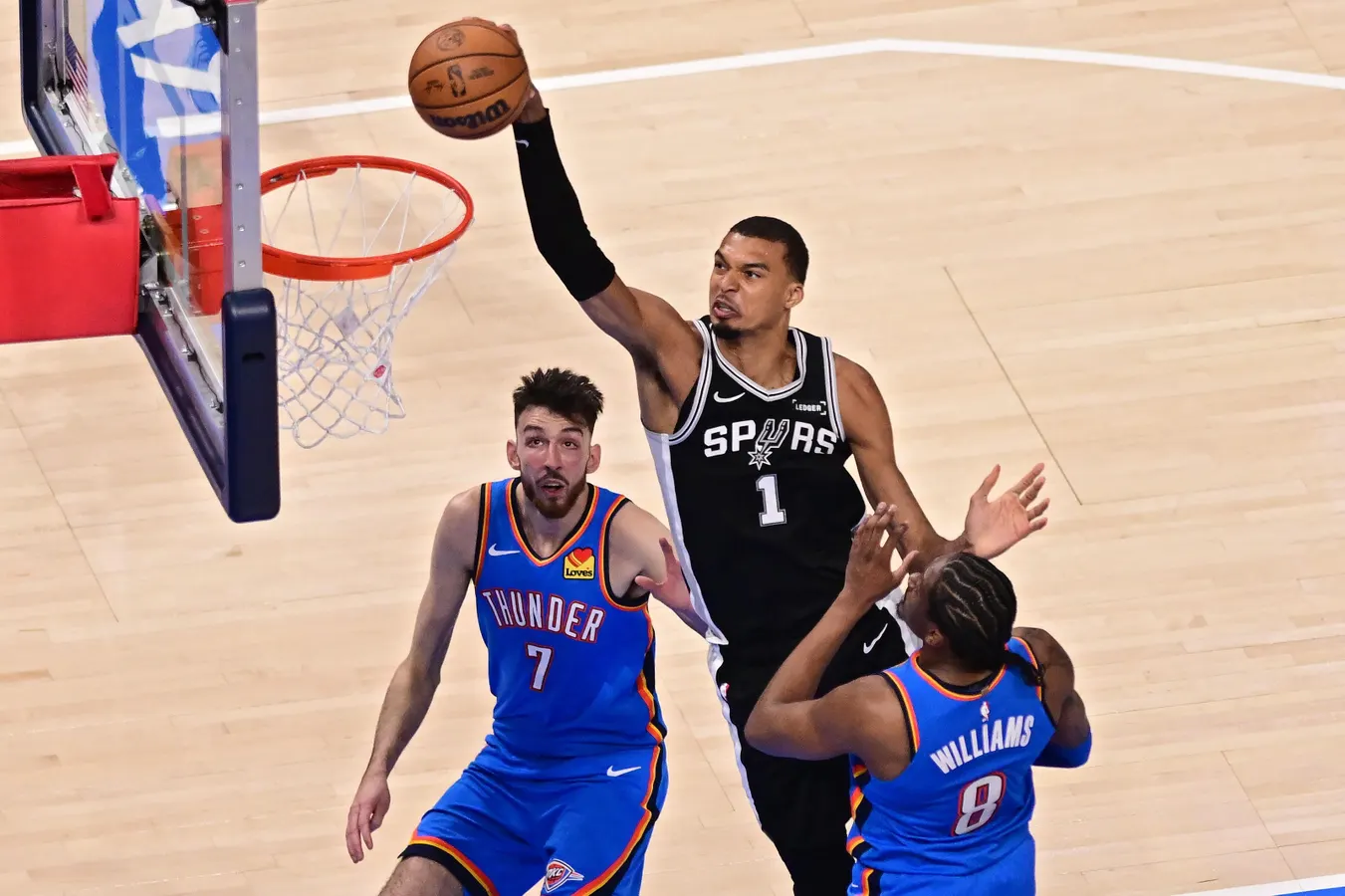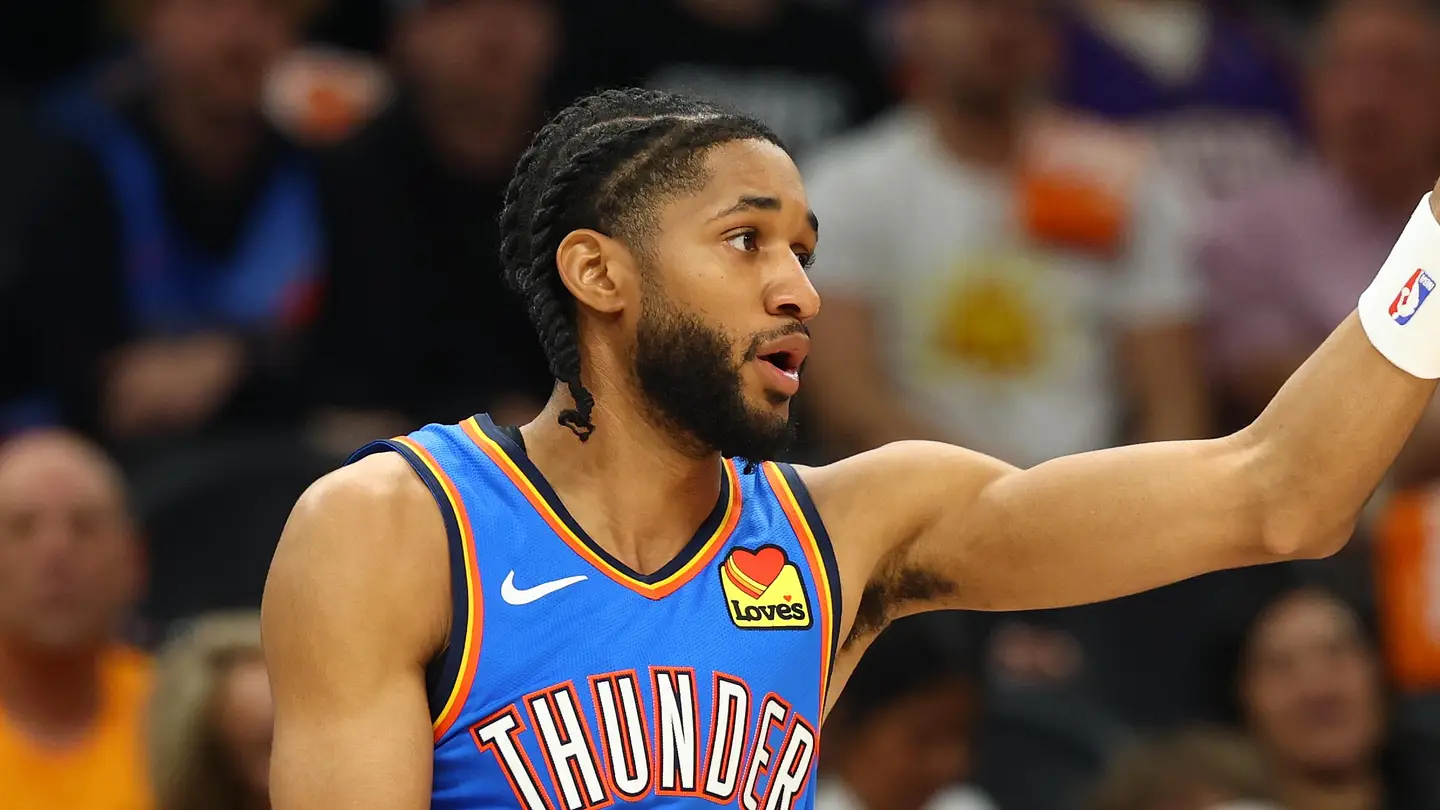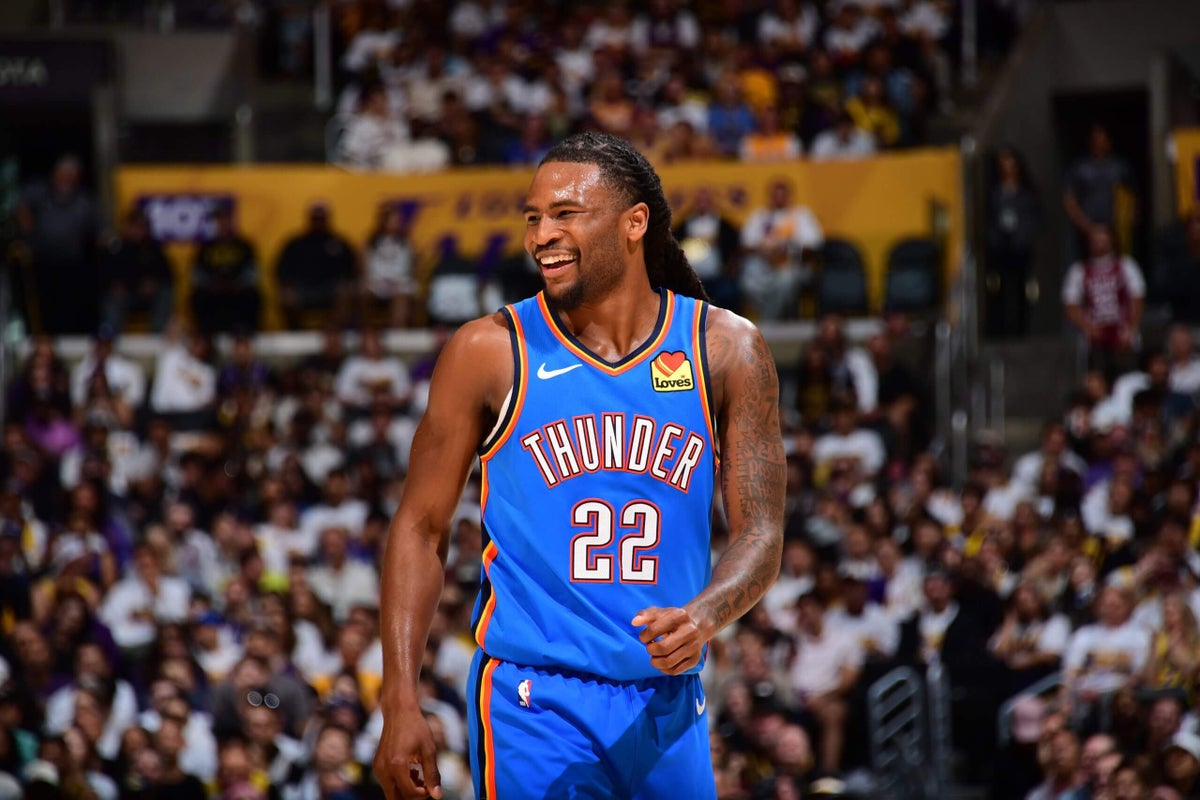
OKLAHOMA CITY — The towels are folded in exact alignment. The basketballs sitting on the racks embedded into the walls are flawlessly placed, with “Wilson” and the commissioner’s signature facing the right direction.That someone in the Oklahoma City Thunder’s practice facility cares enough about even the most mundane details shows this is a place that values organization and order. It helps explain 64 wins, the 2025 NBA championship and the eight-game winning streak that preceded a double-overtime loss in an epic start to the Western Conference finals.But a more critical eye knows there are pitfalls everywhere.“Talent wins in the end,” Thunder center Chet Holmgren told The Athletic. “But a lot can get in the way of that.”Roles change. Contracts need to be negotiated. Shots come and go. People tell you that you can be doing more, that you should be showcasing all you can do. But even the most obviously together teams have fractures hiding just beneath the surface.“Everybody has this ego to them. You don’t get to this level without it. Here, there is this sense of almost being greedy, which you should be greedy,” Holmgren said before the start of the West finals. “This is a business. It’s a sport where you have this window, and you have to maximize this window.“But at the end of the day, for any great thing to happen, there has to be sacrifice.”The avatar for that, as much as anyone on the Thunder, is third-year guard Cason Wallace, the No. 10 pick in the 2023 NBA Draft. Only one other player from his class (Toumani Camara) has played in more games. But despite Wallace being a gifted shooter (37.4 percent from 3-point range for his career), 20 players from that draft class have averaged more points per game.Yet Wallace was on the court Monday night, forcing turnovers and stepping into — and hitting — big second-half shots. If he played somewhere else, somewhere he didn’t have to play behind Shai Gilgeous-Alexander, Wallace might have a larger offensive role.But if he played somewhere else, he wouldn’t have been on the floor in the Western Conference finals, fighting for a second straight NBA title.“Honestly, you just go out there and be who you are,” Wallace told The Athletic. “If it’s your night then, you know, it’s your night, and we’re all gonna be excited, and we’re all gonna put our best foot forward. But when it’s somebody else’s night, we also understand that and we cheer them on.“I feel like we’re definitely one big family, so we all want to see our brothers eat.”Wallace has made it look easy — a young talent committed to the dirty work because it leads to winning, without much visible friction. His teammates and coaches say it’s just who he is.“He’s somebody who is super skilled, and he can do a lot of things that he doesn’t necessarily show every single night,” Holmgren said. “But that doesn’t stop him from doing what we need him to do every single night.“He goes out there, hounds the other team’s best perimeter player (over) 94 feet. And he doesn’t do it with the mindset of, ‘I’m doing this so that I get to shoot the ball.’ He’s gonna always make the right plays and be aggressive. But him playing that level of defense isn’t dependent on him being rewarded in other ways.”Thunder coach Mark Daigneault told The Athletic that this looks easy only from the outside. The reality is the Thunder haven’t been immune to dealing with the issues every team navigates.“We’re not perfect. Everybody’s human, and our players are human. We’re human,” Daigneault said. “I think the people that take responsibility first and foremost are the players themselves. I think most of them take responsibility for their own actions. I think the locker room sets a tone of responsibility there, and then we try to have an environment that is very honest and open, and we’ll have honest conversations about that.”Holmgren said the accountability culture the Thunder have built exists without a clear locker-room hierarchy. Whether it’s an All-Star, a seldom-used veteran or young player, expectations are consistent.“There’s a collective understanding of where the bar is,” he said. “And it’s human nature is to be imperfect. Nobody’s gonna be perfect. I might shoot a shot where it’s ‘S—, I ain’t shot one in a while.’ Human nature is ‘OK, let me get one up.’“But there’s an understanding that there’s human nature, that nobody’s gonna be perfect. But there’s also an understanding if somebody sees you drifting, hey, we’re gonna pull you back in.”Credit for that goes to general manager Sam Presti, for adding pieces to the roster who understand how to work within the collective. It goes to Daigneault, whose G League experience as a head coach helped players find the balance between individual growth and group success. And it goes to the roster itself — for having this be a part of the culture in Oklahoma City before the winning arrived.“We were sacrificing before we were winning,” Daigneault said. “Like, when we were a rebuilding team and when we were under .500 and we made the Play-In that first year. The seeds of what you’re seeing now were already planted — it already felt like this.”But everyone will acknowledge that winning makes the sacrifice a whole lot easier.“I don’t think any guy at the end of their career who got stuck in some situations where he never got an opportunity to win … I don’t think that feeds their ego,” Holmgren said. “‘Oh, I averaged 20, but I never won more than 25 games in a season.’ I don’t think that’s much of an ego stroke, either.“There’s different aspects of ego, and I feel like in order to get here with this organization, you have to be able to have the right consciousness of those things and have a good ability to decipher what your priorities are.“It’s not supposed to be easy.”That’s why the Thunder openly talk about the benefits of sacrifice.“We have a big focus on if you want to achieve stuff individually, awards, contracts, you have to do it through team success,” Thunder guard Alex Caruso said. “That’s kind of something that I mention to guys, too, when I first get to know them: Winners get paid.“If you’re on a winning team, you get paid regardless of what the situation is, whether it’s with the same team or with another team. If you’re on a losing team, that can’t always be the truth. The buy-in from everybody is kind of what you need.”At moments like this, in a playoff series where the talent advantages between the teams are so marginal, every piece of connectivity matters. Lineups change. Strategies shift. Players who seemed as if they would matter at the start might need to move to the background. All of it needs to be accepted without much fight even if ego pushes you in a different direction.“No matter what you do, it’s gonna be hard,” Holmgren said. “Life isn’t a yes or no thing, you know what I’m saying? It’s all on a spectrum, and you have to decide. You have to make decisions. You have to decide what’s important.”The Thunder, thanks to players such as Wallace, have chosen the whole.“That’s just who we are,” Wallace said. “We all want to win. We all have a common goal.”
Why the Thunder’s young stars embrace sacrifice: ‘We all want to win’
In Oklahoma City, sacrifice was part of the culture long before the wins arrived.
1,230 words~6 min read