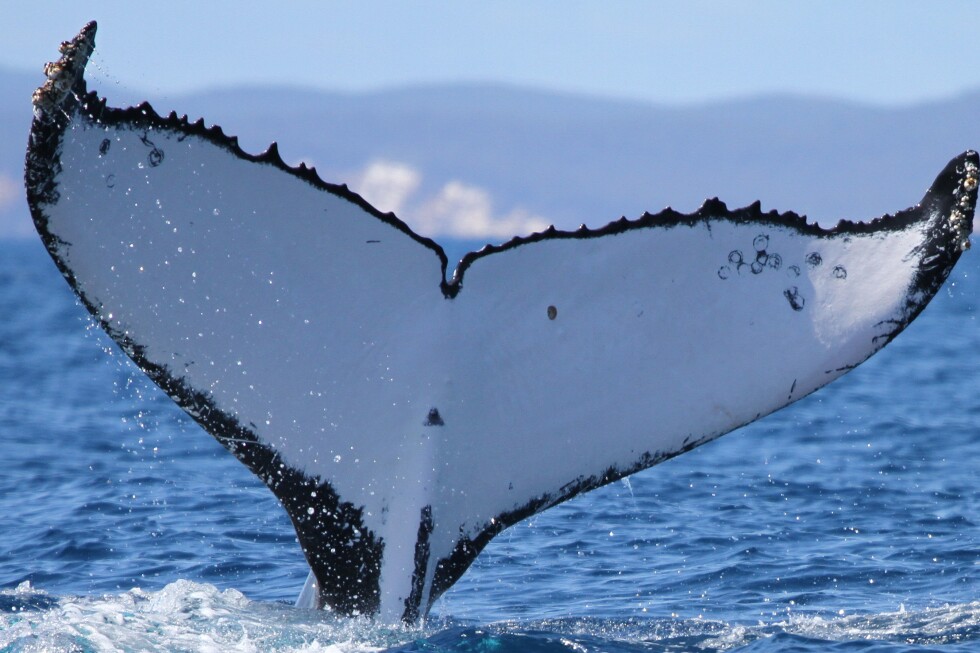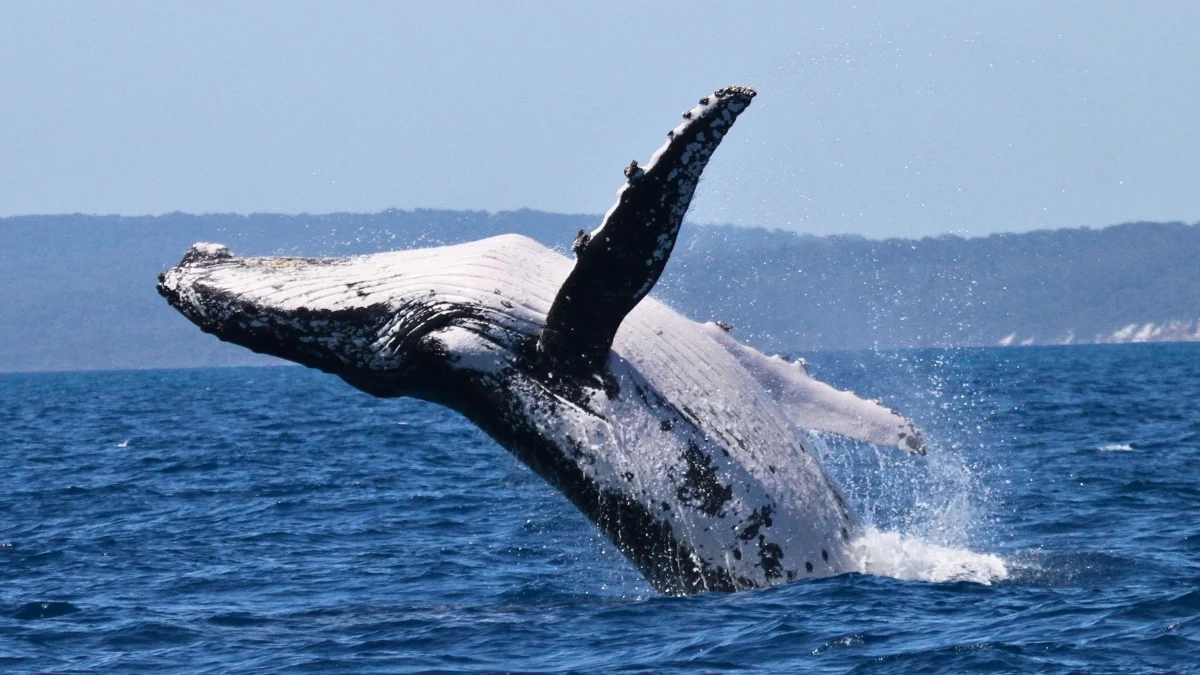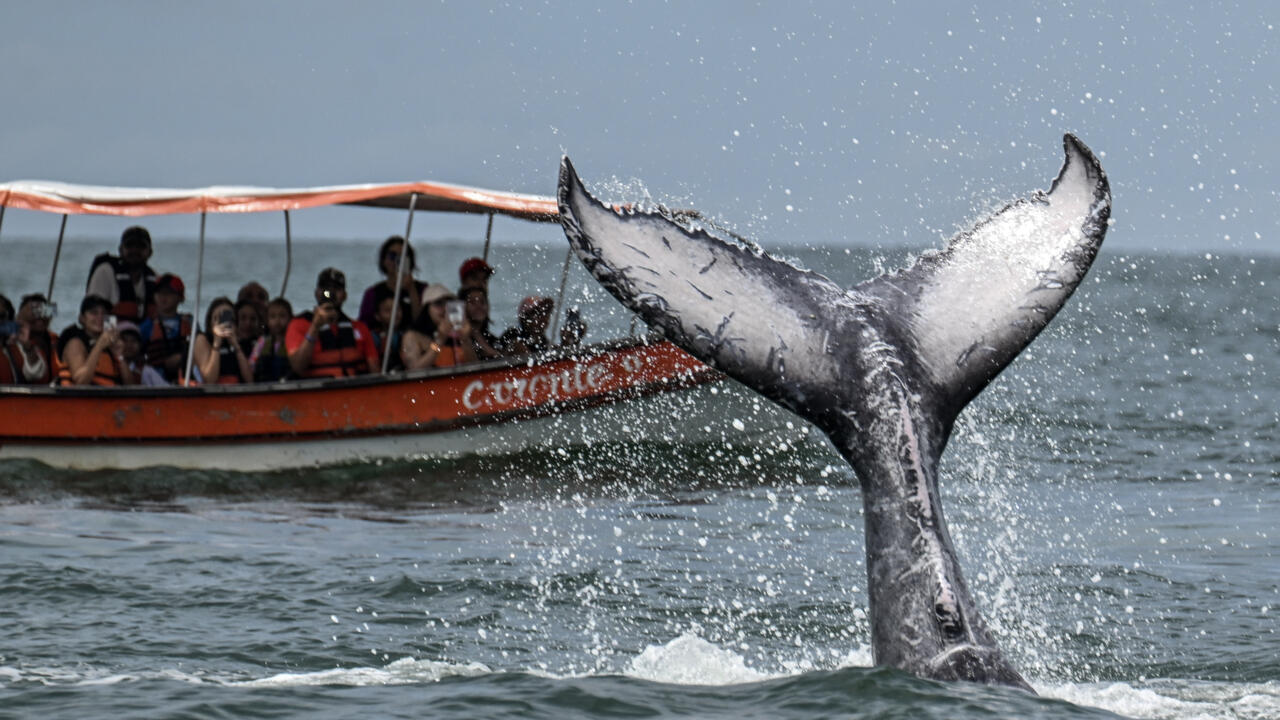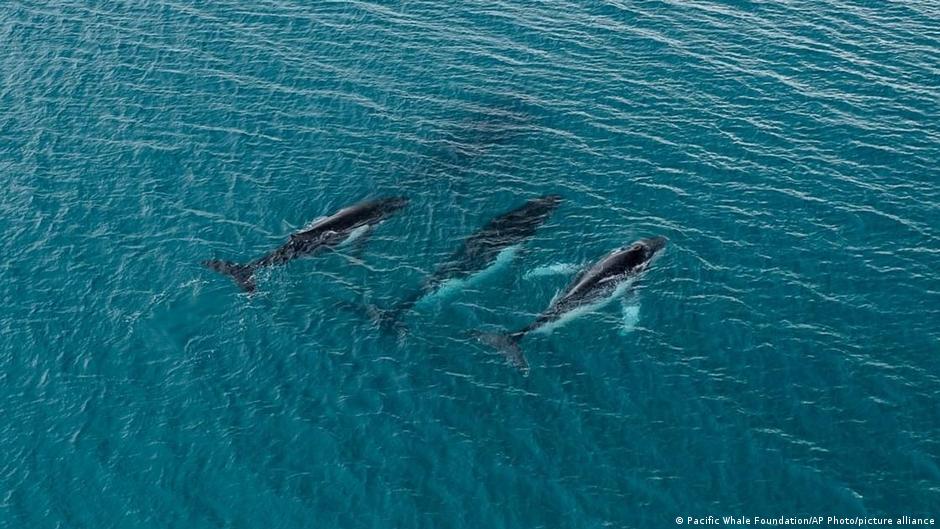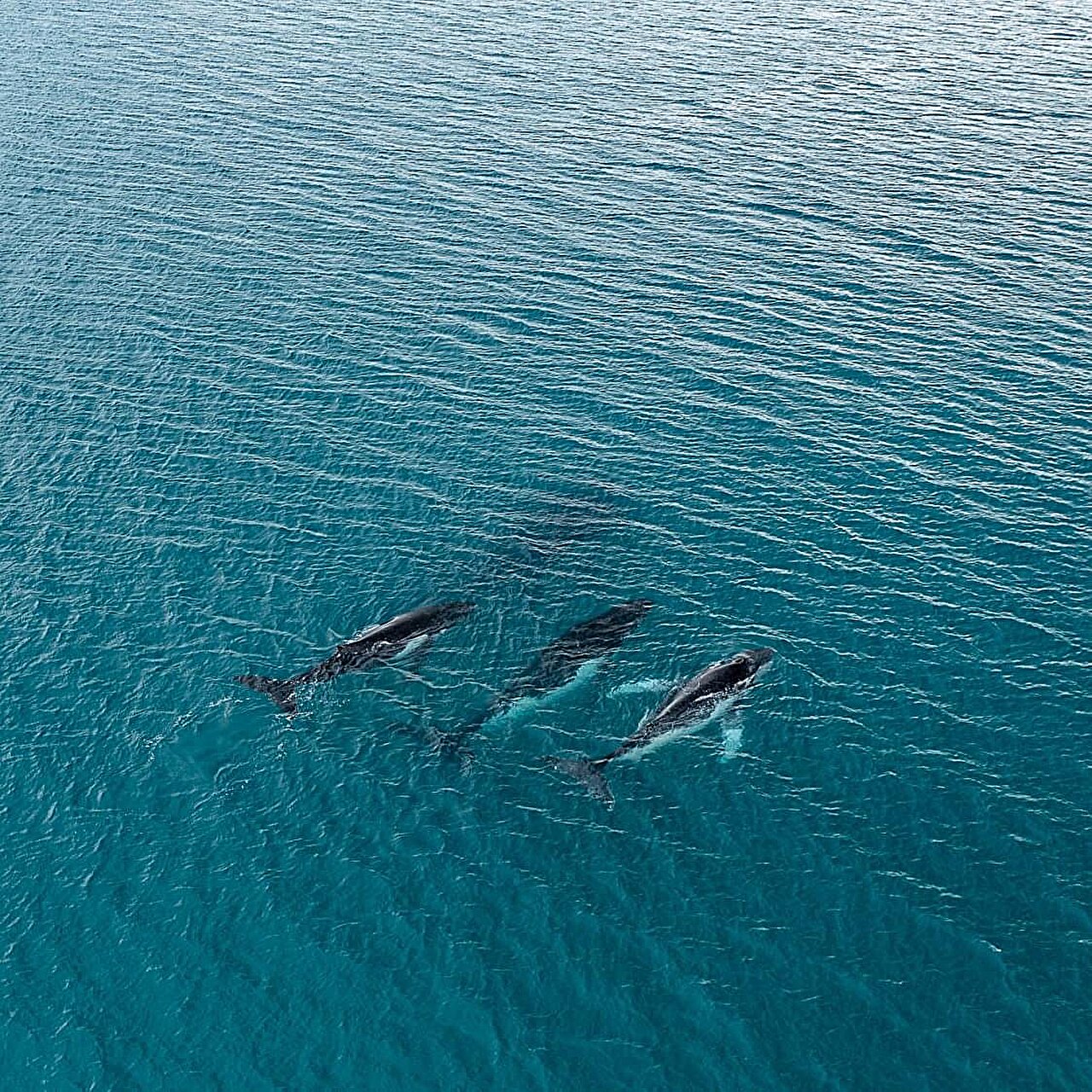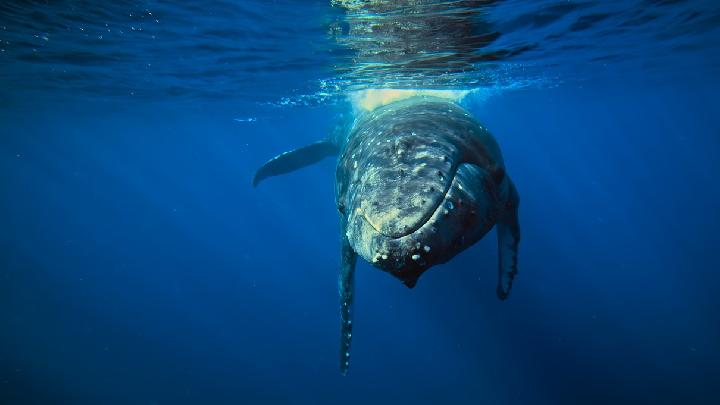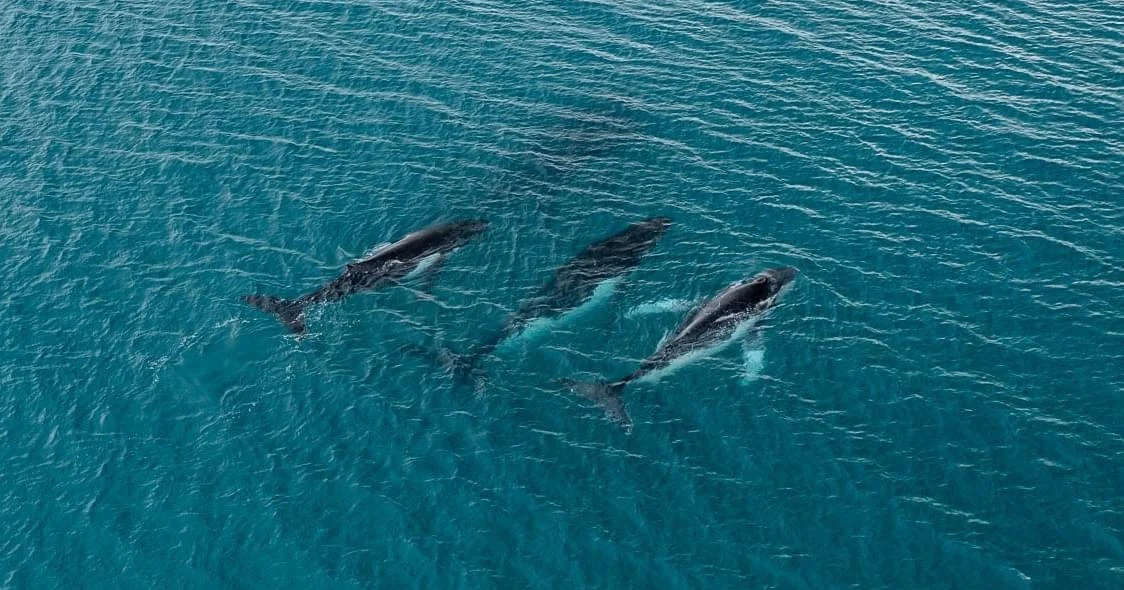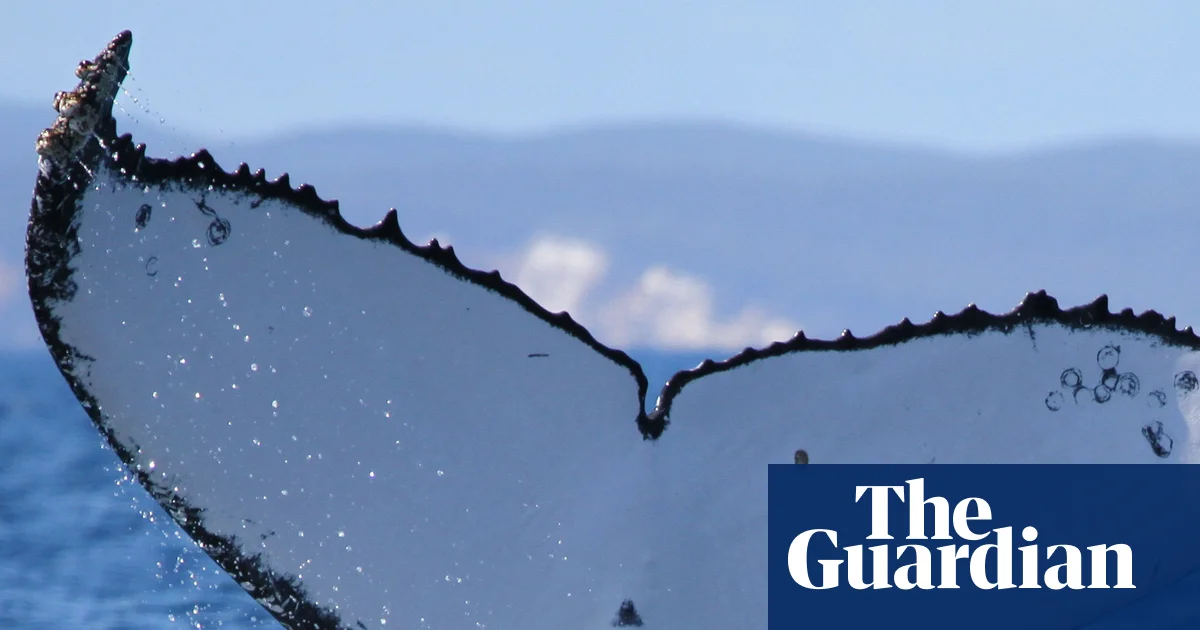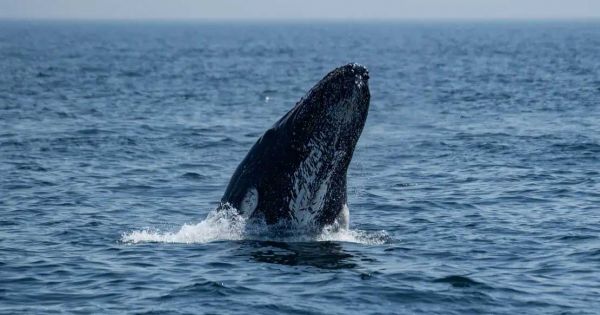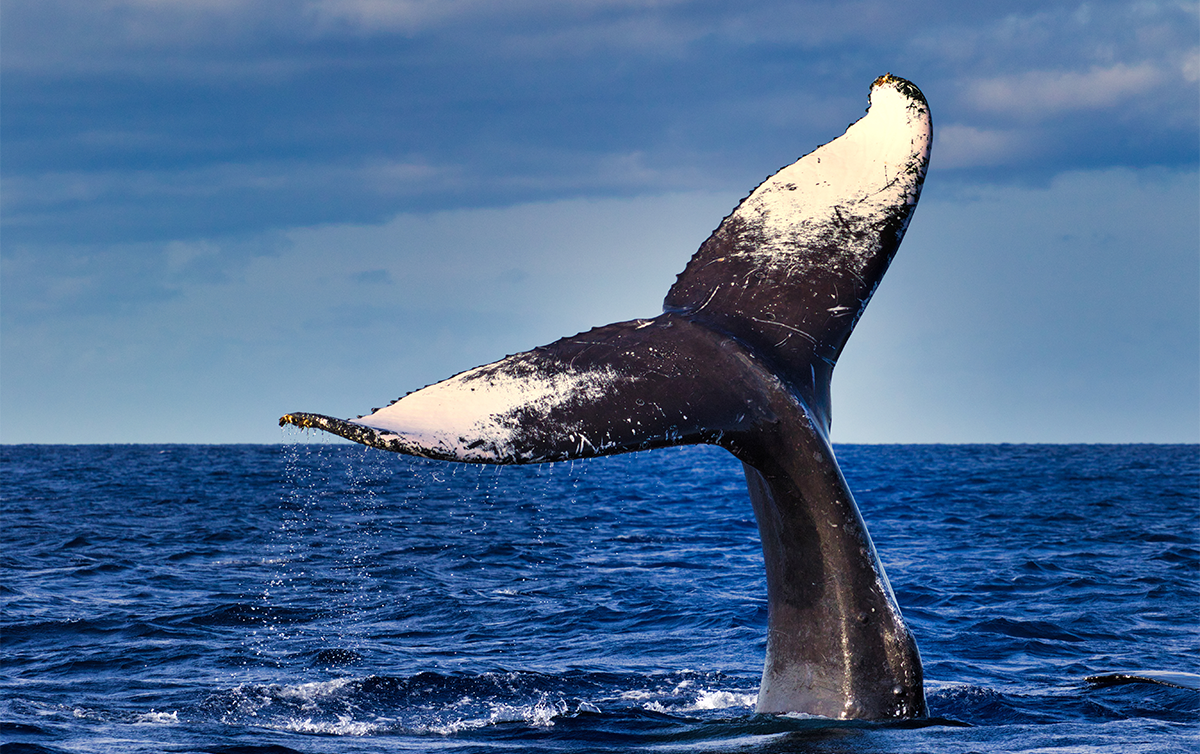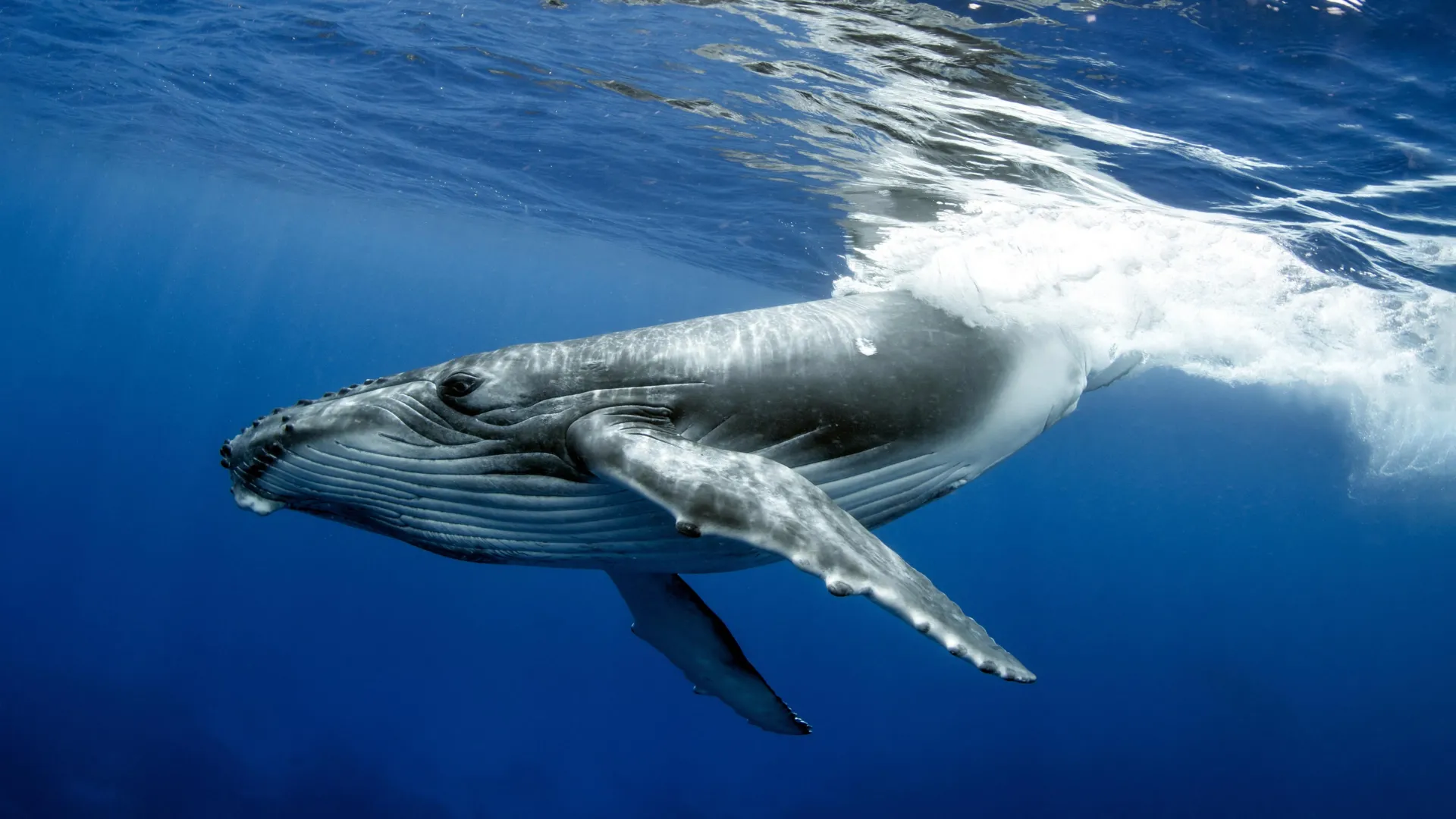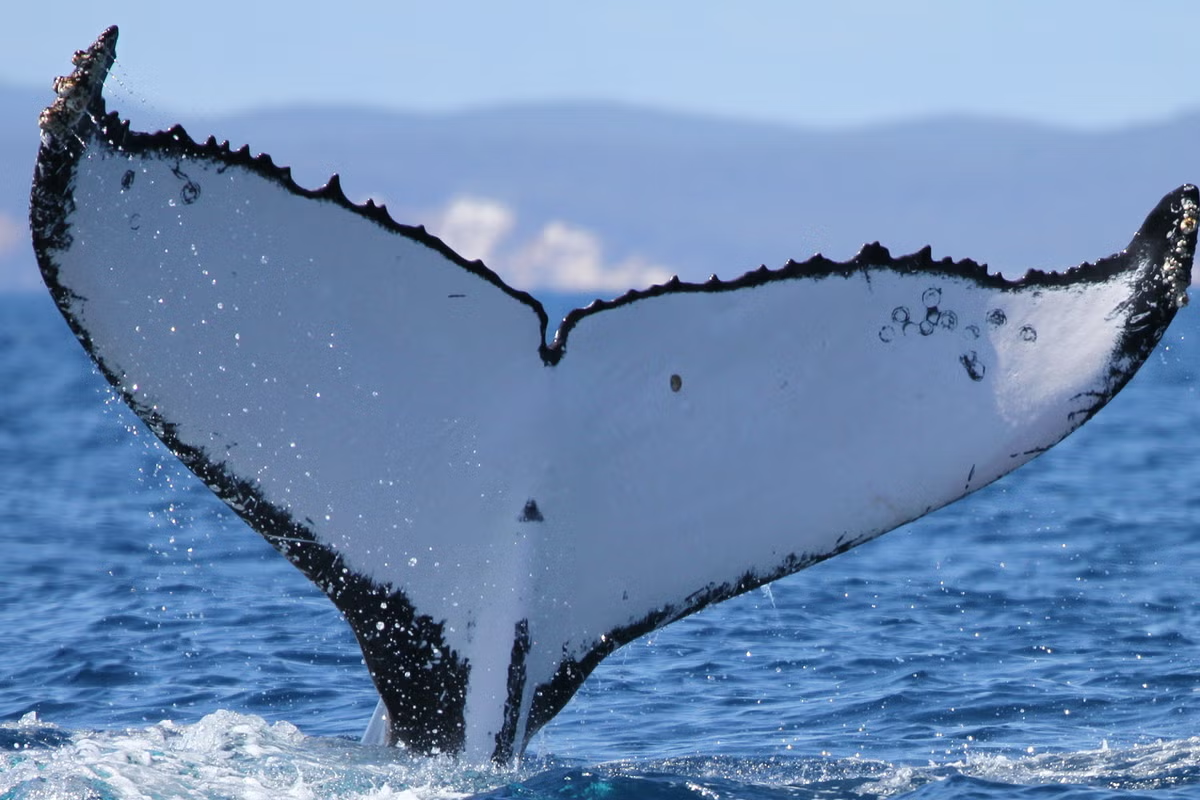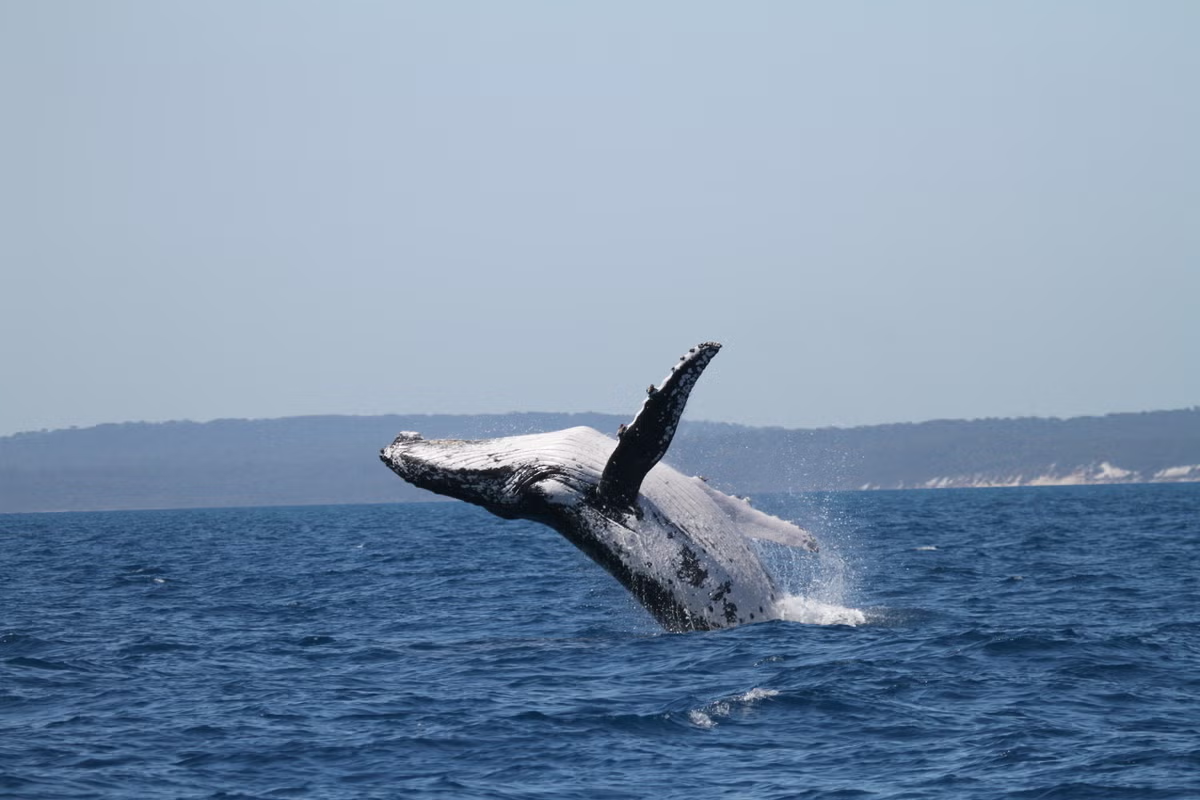
Scientists have documented an extraordinary feat of nature, revealing two humpback whales that undertook separate, record-breaking journeys across the Atlantic Ocean between Australia and Brazil. These remarkable crossings, spanning approximately 9,000 miles (14,500 kilometres), represent the longest known migrations for the species.The individual whales were identified through their unique tail markings, observed at both distant locations. Travelling in opposite directions, their epic voyages have astonished researchers. Phillip Clapham, a former head of a NOAA whale research programme not involved in the new study, described it as "a very rare event, but it is a really wonderful demonstration of just how wide-ranging these animals are."Scientists tracked the whales using their unique tail markings (Pacific Whale Foundation via AP)Humpback whales are renowned for their extensive travels across major oceans, typically following predictable migration routes learned from their mothers. They feed on krill and small fish during warmer months and breed in tropical waters over winter. Tracking the movements of creatures that spend the majority of their lives underwater presents a significant challenge.To uncover these unprecedented journeys, scientists meticulously analysed over 19,000 whale images collected over the past four decades by both research groups and citizen scientists. Recognition software played a crucial role, identifying the whales based on the distinctive colour patterns and jagged edges of their tails. This allowed researchers to pinpoint the same two whales at breeding sites in eastern Australia and Brazil across different years, confirming their incredible transoceanic travel.One of the whales covered an astonishing 9,300 miles (15,000 kilometres), surpassing previous record holders, including a humpback that swam from Colombia to Zanzibar. The findings were officially published on Tuesday in the journal Royal Society Open Science.As the photographs only capture the whales at the beginning and end of their expeditions, the precise routes they took remain unknown. Whales do not typically travel between mating sites, leaving scientists to ponder the reasons behind these two separate journeys. Three humpback whales migrating along the eastern Australia coast (Pacific Whale Foundation via AP)Study co-author Stephanie Stack, from the Pacific Whale Foundation, suggested via email that they "may have met other whales on shared feeding grounds and split off instead of returning to where they came from."Ms Stack added: "Finding not one but two individuals that have crossed between Australia and Brazil challenges what we thought we knew about how separate these populations really are." Such extensive odysseys are considerably more difficult for whales in the Northern Hemisphere due to the presence of massive continents obstructing direct oceanic travel.Scientists believe these record-breaking journeys highlight the incredible distances humpback whales are capable of covering. The tracking methods employed in this study could also prove vital in monitoring these majestic creatures as climate change warms the oceans, potentially altering the distribution of krill and the traditional feeding and breeding grounds of humpbacks.
Two humpback whales set new migration record with epic Australia to Brazil journey
The remarkable trip spanned an incredible 9,000 miles
467 words~2 min read