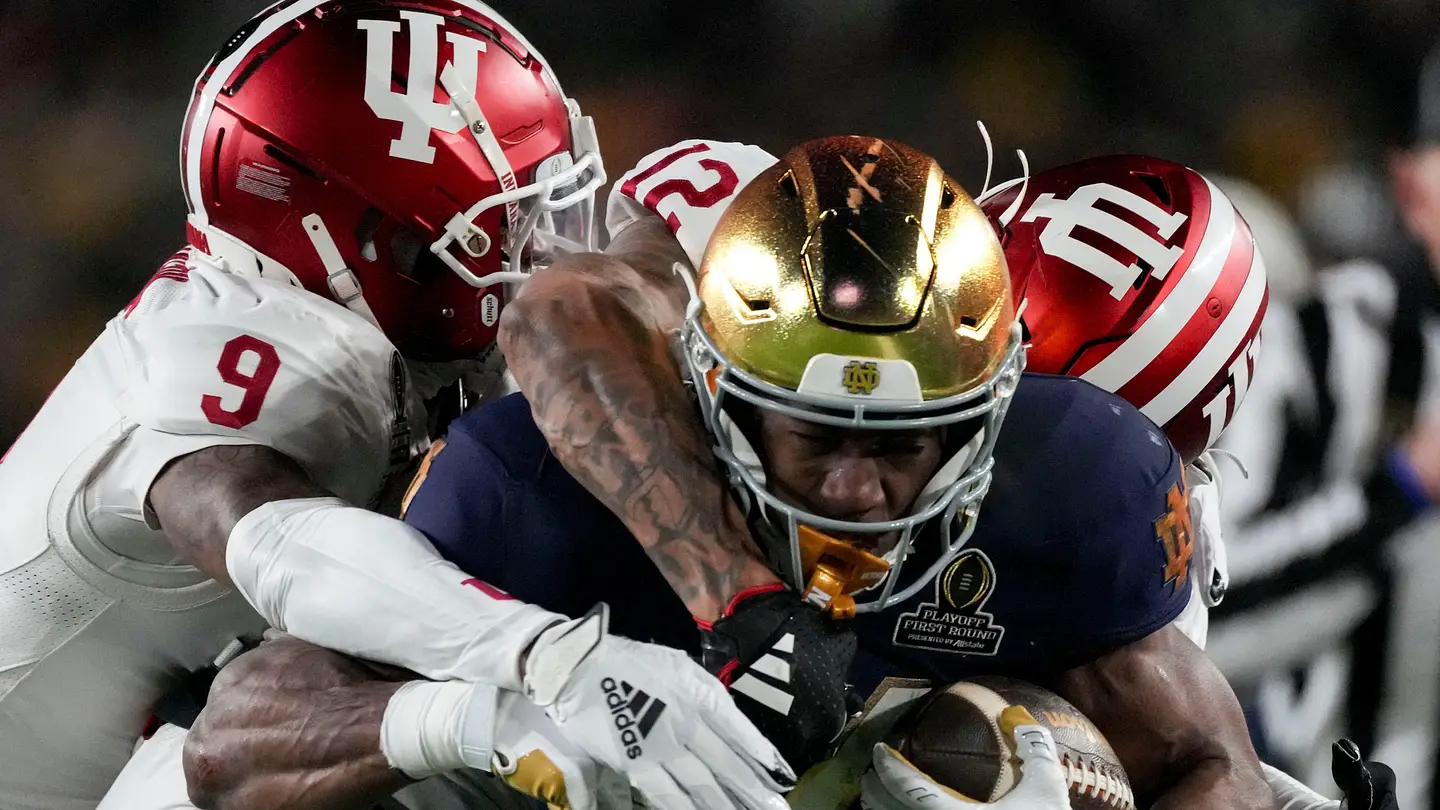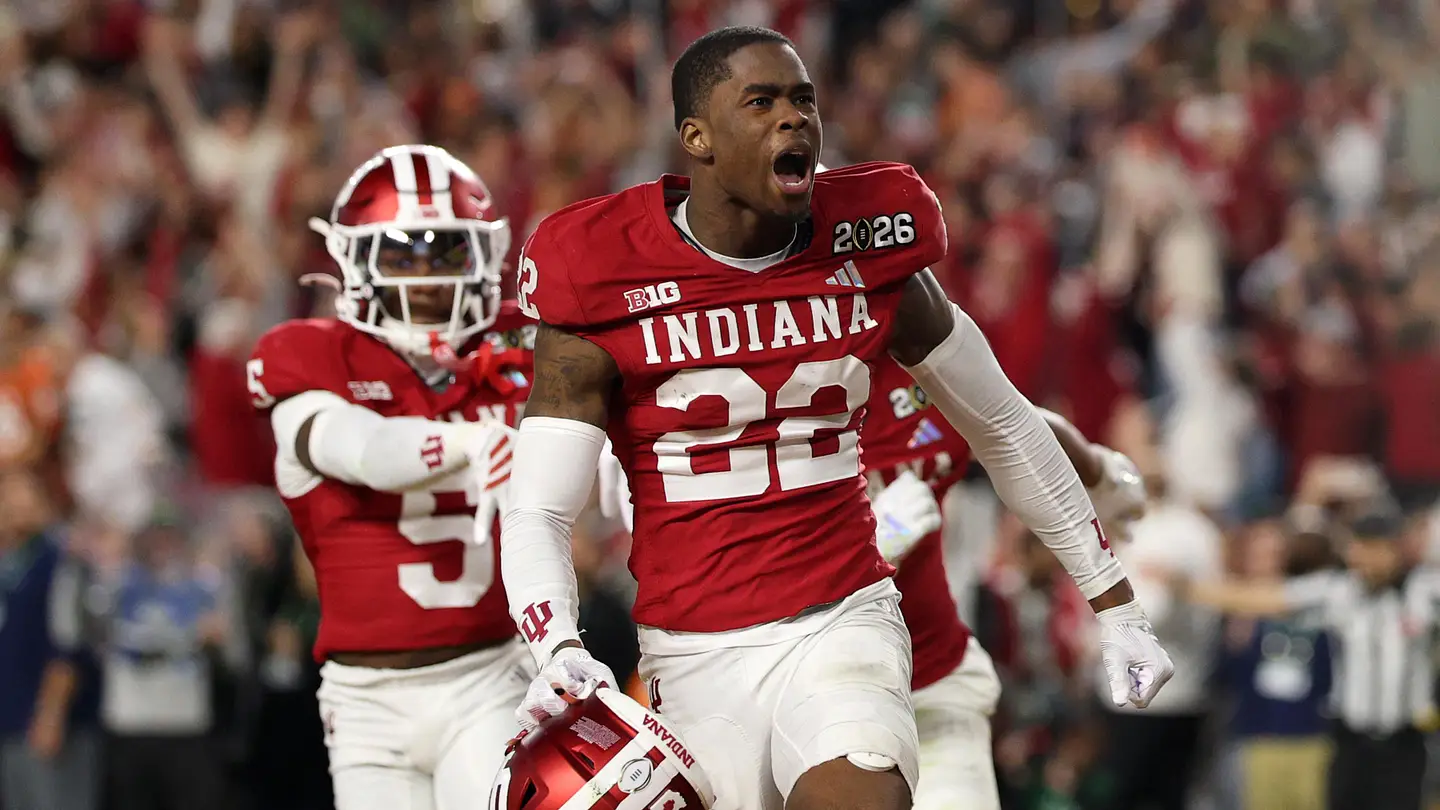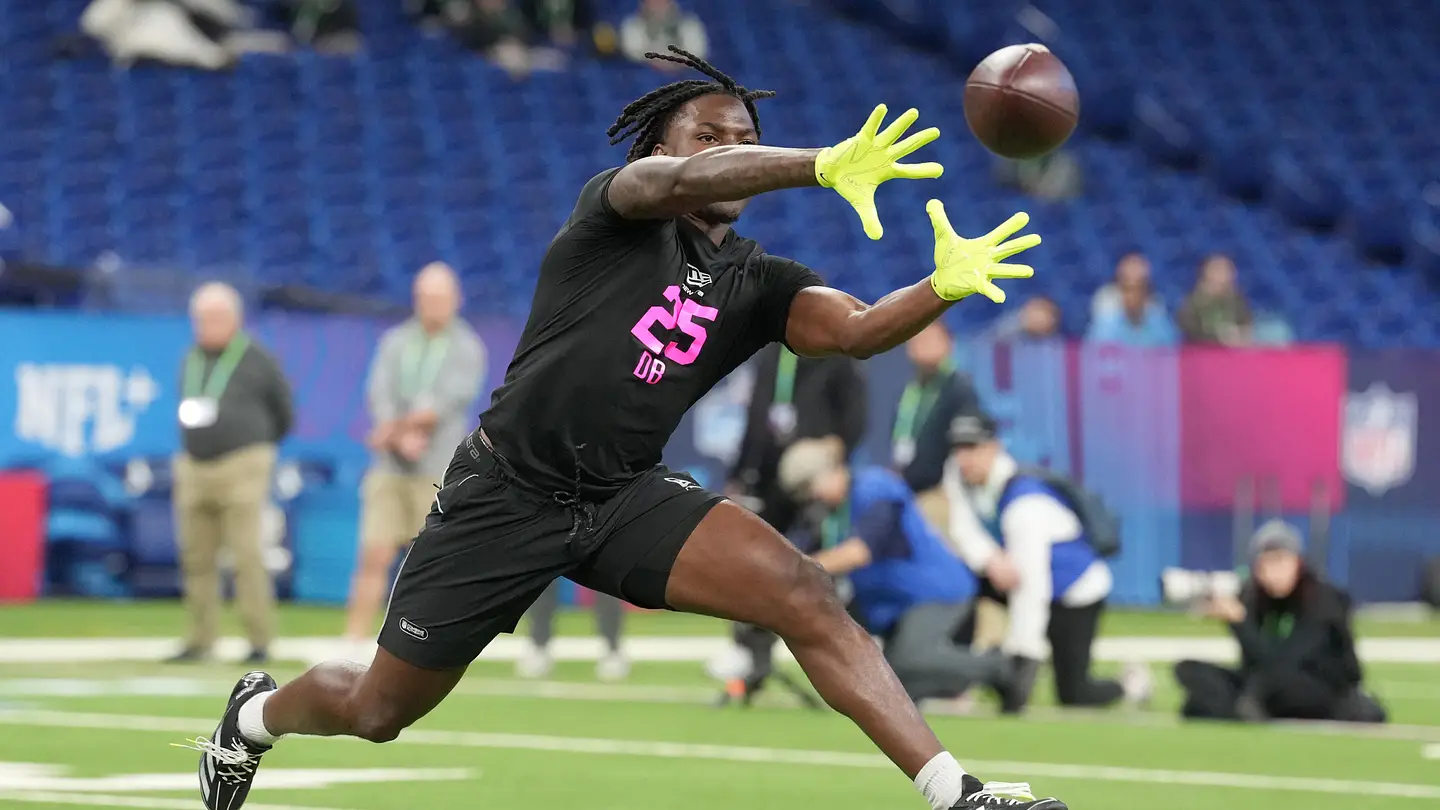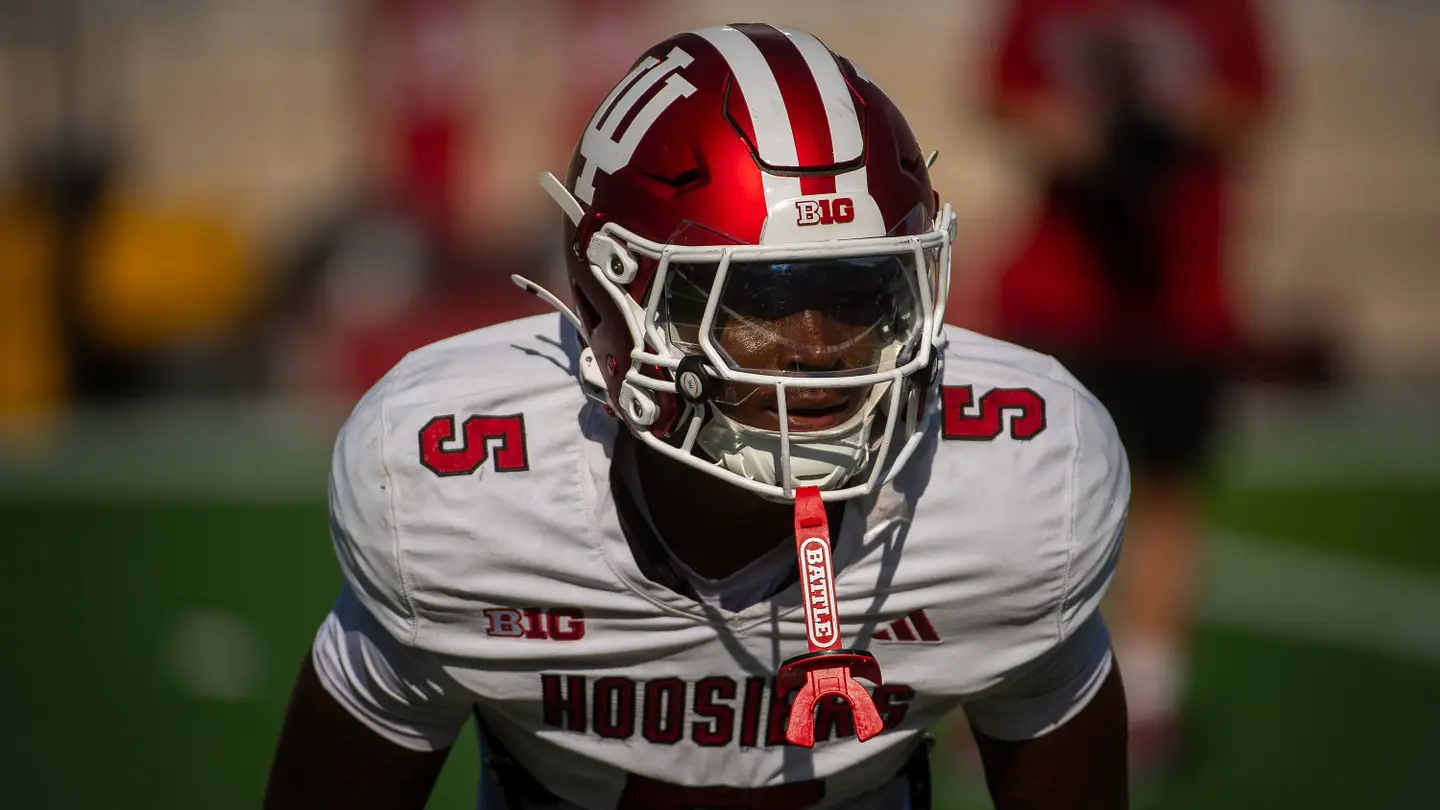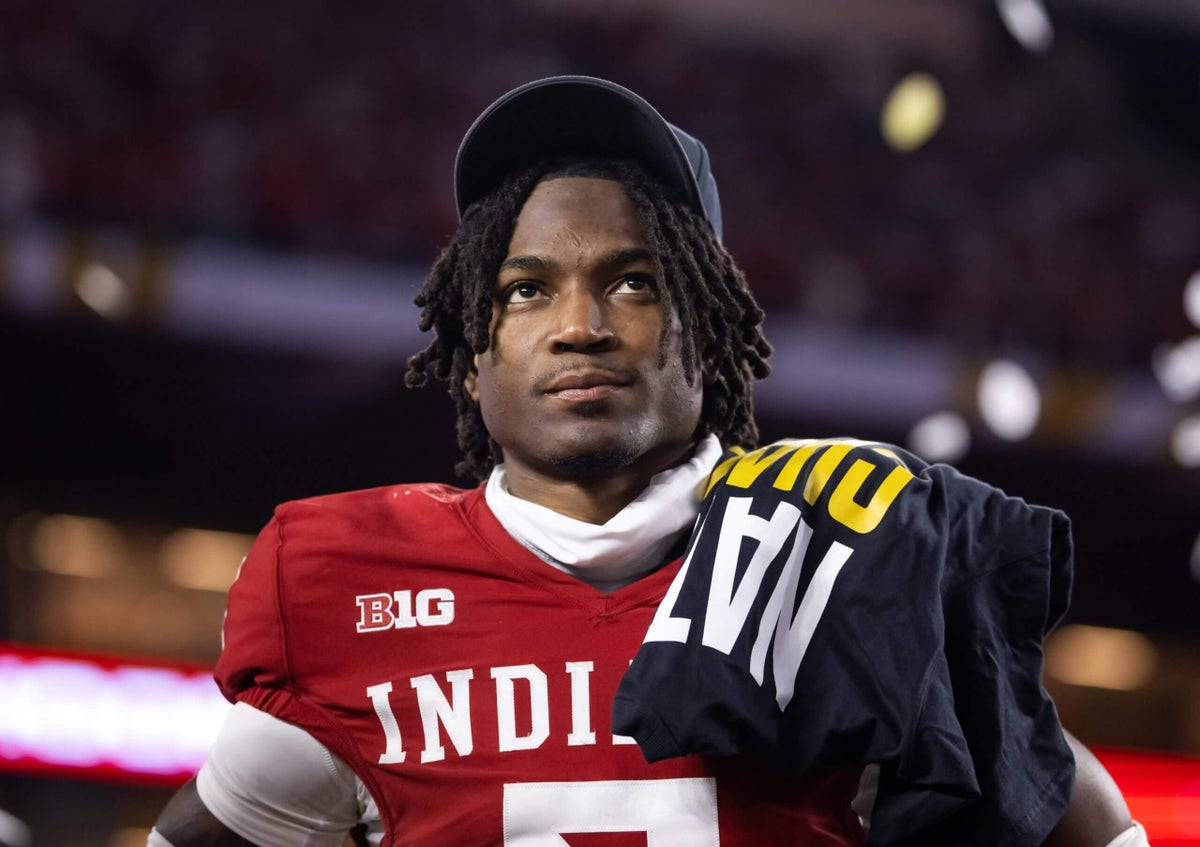
Wander over to Miller-Showers Park, a narrow, nine-acre piece of land on the north side of Bloomington, Ind., and you might find a colony of muskrats swimming around a pond at the base of the park.The park sits on the north side of Bloomington, a 10-minute walk away from the football stadium. That pond is important.Years ago, stormwater runoff from 170 acres of downtown Bloomington would rush into the park, causing erosion and flooding. So in 2004, the city of Bloomington completed a project involving development of a retention pond, designed to better hold the stormwater runoff and reduce flooding; it became home to those muskrats.Twenty-two years later, the water might have rumbled a bit, but there was no flood. Just the sounds of thousands of locals watching TV at bars and assembly halls and in their homes, Indiana football fans, in a pandemonium they’ve never experienced before.It was three seconds into a College Football Playoff semifinal game, the Peach Bowl, when an Indiana cornerback baited Oregon quarterback Dante Moore into throwing it his way. D’Angelo Ponds, No. 5, picked it off and returned it for a touchdown.A slogan was born: “Try five, get six.”The play set the tone in a 56-22 romp, the Hoosiers advancing to the national championship game. For a football program with little success in its 127-year history, this was a special moment, made by Ponds, their once-in-a-lifetime college star — all 5-feet, 8-inches and 182 pounds of him. He was undersized and overlooked at every step of his journey. His high school coach didn’t even want him.Four days after that pick six, the city of Bloomington temporarily renamed that retention pond. “Like a great cornerback,” the city’s press release read, “a well-designed stormwater pond knows how to contain and protect.”The new name: “D’Angelo’s Pond.”You can find the pond, once again unnamed, in Bloomington.And if you’re looking for D’Angelo Ponds now, he’s in Florham Park, N.J.A 5-foot-8 ½, 185-pound cornerback showed up to the NFL combine in 1994. He was small, and his body fat so low (2.4 percent) that league doctors wondered if something was wrong with him, so they ordered tests. Turns out, Aaron Glenn was fine — more than fine. He tested as one of that class’s fastest and most explosive athletes.But Glenn was just… small. Bill Belichick (then with the Cleveland Browns) and Bill Parcells (New England Patriots) both passed up on picking him early in that draft largely because he didn’t fit the size parameters they looked for in an NFL cornerback. Yet, the New York Jets traded up to draft him 12th overall. A few years later, when Parcells became Glenn’s head coach and Belichick his defensive coordinator with the Jets, Glenn, as the story goes, stormed into Parcells’ office to find out if he would be traded.Parcells didn’t trade him. Instead, it was the start of a long and loving union between a hard-nosed coach and a headstrong cornerback — who became a hard-nosed coach. Thirty years later, Glenn sits in the same chair that Parcells once did as the Jets head coach, and on the second night of this year’s NFL Draft, he stared at the television screen, beaming as commentators compared the player the Jets just drafted to the player he once was: a small, scrappy cornerback who takes it personally when a quarterback dares to try to throw it on him.Before the Jets picked him in the second round, Ponds had never really seen footage of Glenn, who played his final NFL snap in 2008 when Ponds was 3 years old. He heard the comparisons during the pre-draft process but didn’t look into it — mostly because he never seriously considered the possibility that he’d become a Jet. His family thought he’d wind up with the Dallas Cowboys or Houston Texans, the two teams he spoke to most often during the pre-draft process. The Cowboys flew him to the team facility not long before the draft, after already speaking to him three other times virtually.At the NFL combine in February, Angelo Ponds asked his son’s agent why the Jets were ignoring him, especially since Glenn was the coach — and especially if they were as similar as everyone wanted him to believe. Ponds’ only communication with Glenn, his father said, was brief, via Zoom call.The Jets, it turned out, were keeping their interest close to the vest. Under general manager Darren Mougey’s watch, they strategically planned their pre-draft visits with prospects. They got a lot of attention for their approach to the No. 2 overall pick — cancelling a visit with edge rusher David Bailey only to draft him anyway — but that secrecy was part of their approach elsewhere too. Quietly, Glenn and others in the Jets building had fallen in love with the idea of adding Ponds. They saw a player who used impressive strength, athleticism and tenacity to overcome his size disadvantage. They watched the clutch plays he made in big moments. They had a vision for how they’d use him.When the Jets called Ponds to let him know they were taking him with the 50th pick, Angelo Ponds was thrown off. “I never even had the Jets on my mind,” he said.On the phone, with Jets staffers celebrating in the background, Glenn told D’Angelo Ponds: “Everything we saw on tape, you just bring it here. You just be yourself. All the toughness, the challenge mentality, you be yourself and you’ll be just fine.”“I was like, ‘Wow. He was watching. He was watching the whole time,’” Angelo Ponds said. “Like, that is amazing. I told him: ‘You landed in the perfect situation.’”The landing was perfect, but the flight was turbulent.Ponds was 4 years old but playing with 5, 6 and 7-year-olds in Carol City, a neighborhood in Miami Gardens, Fla. Everyone could see the difference — he was smaller than all of them. Some kids, the bigger ones, laughed at him at first, but not for long. Ponds played quarterback and safety, his helmet looking so large on his head that it appeared gravity might make him fall to the ground. But the little kid was no joke. Coaches nicknamed him “The General” and marveled as he ducked, dodged and ran circles around the other kids. To overcome his lack of size on defense, his father told him, “You have to do everything that other people don’t do.” That included flying to the ball on every play, getting first in line for every drill and studying other positions so he knew what everyone on the field was doing.
D’Angelo Ponds might be the next Aaron Glenn. It doesn’t mean his path to the NFL was easy
The Jets' second-round rookie cornerback starred at Indiana, but had to start his collegiate career small first.
3,299 words~15 min read