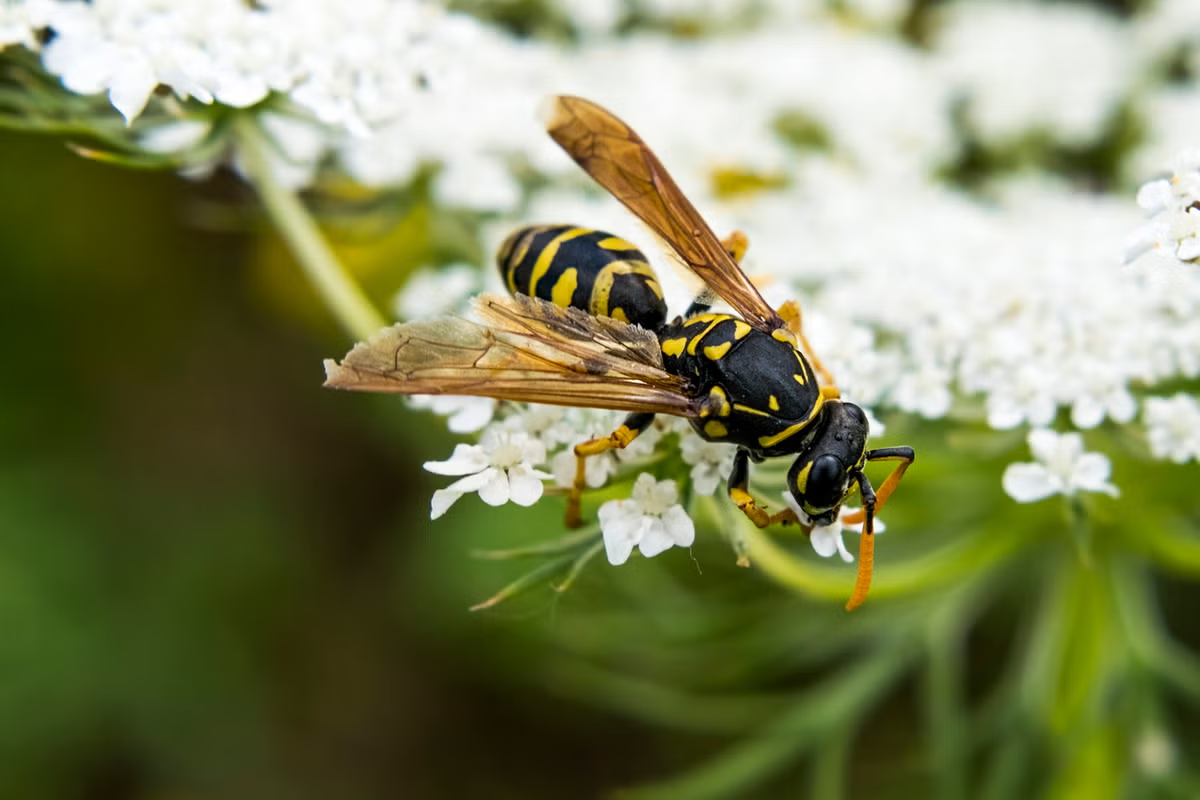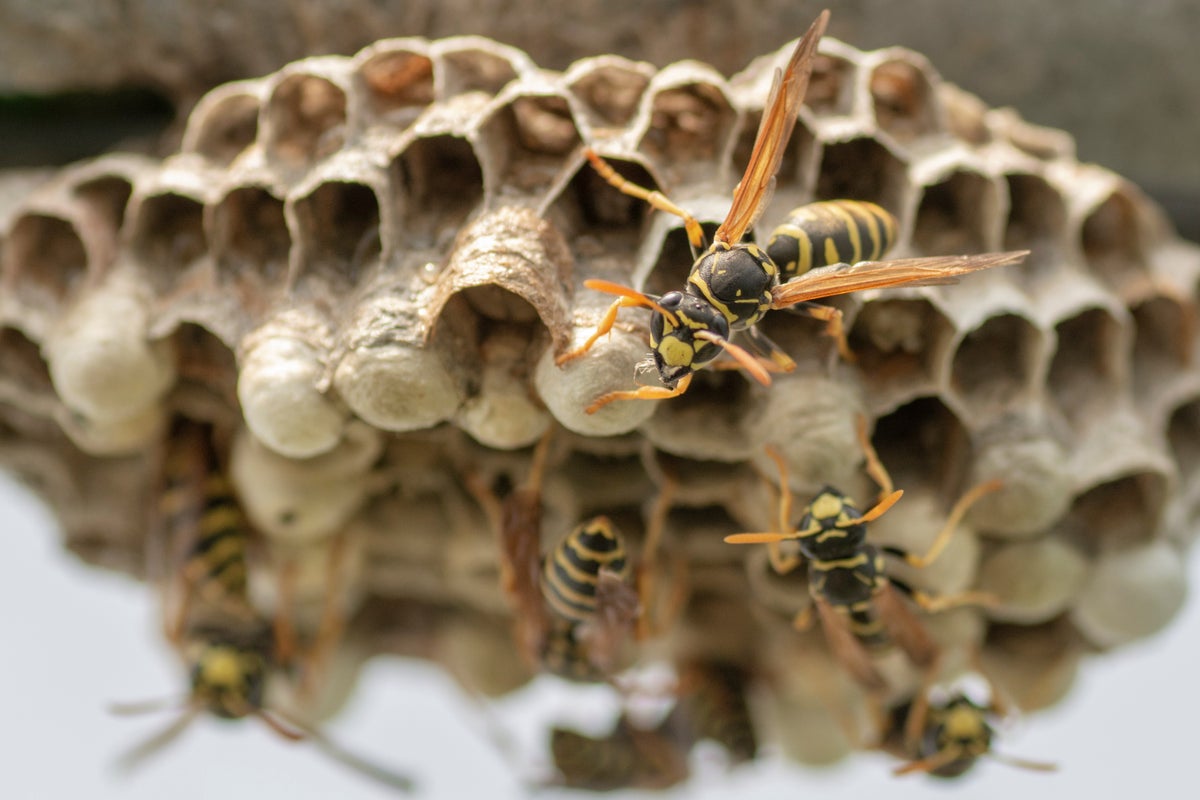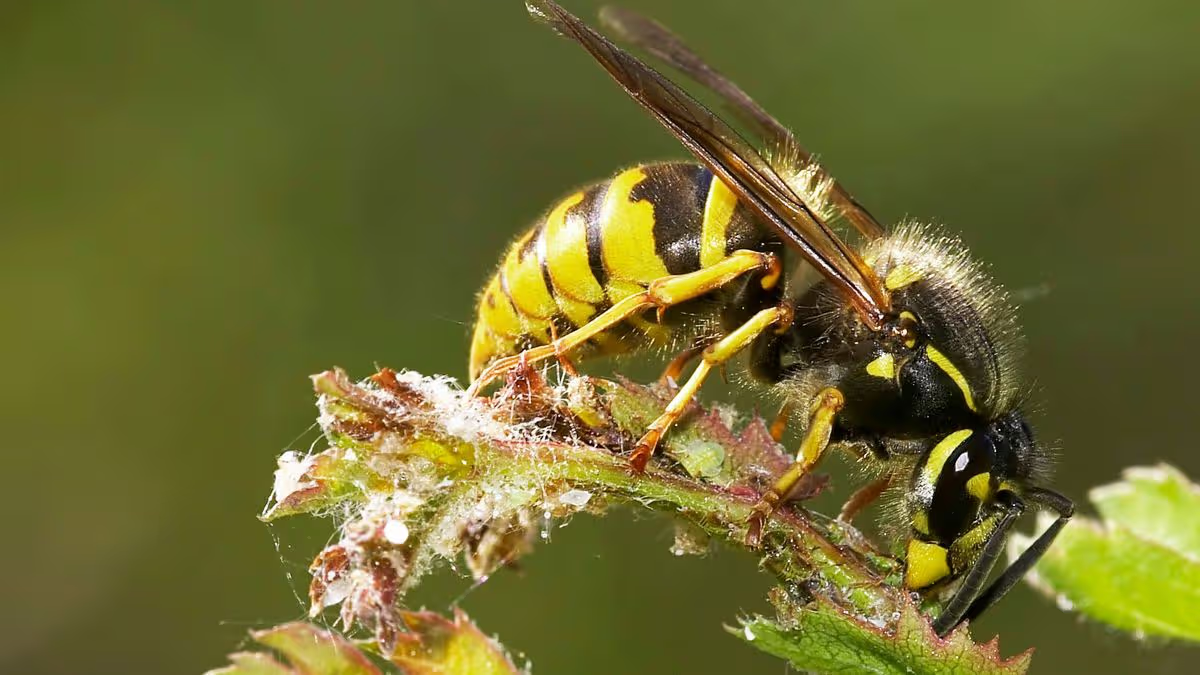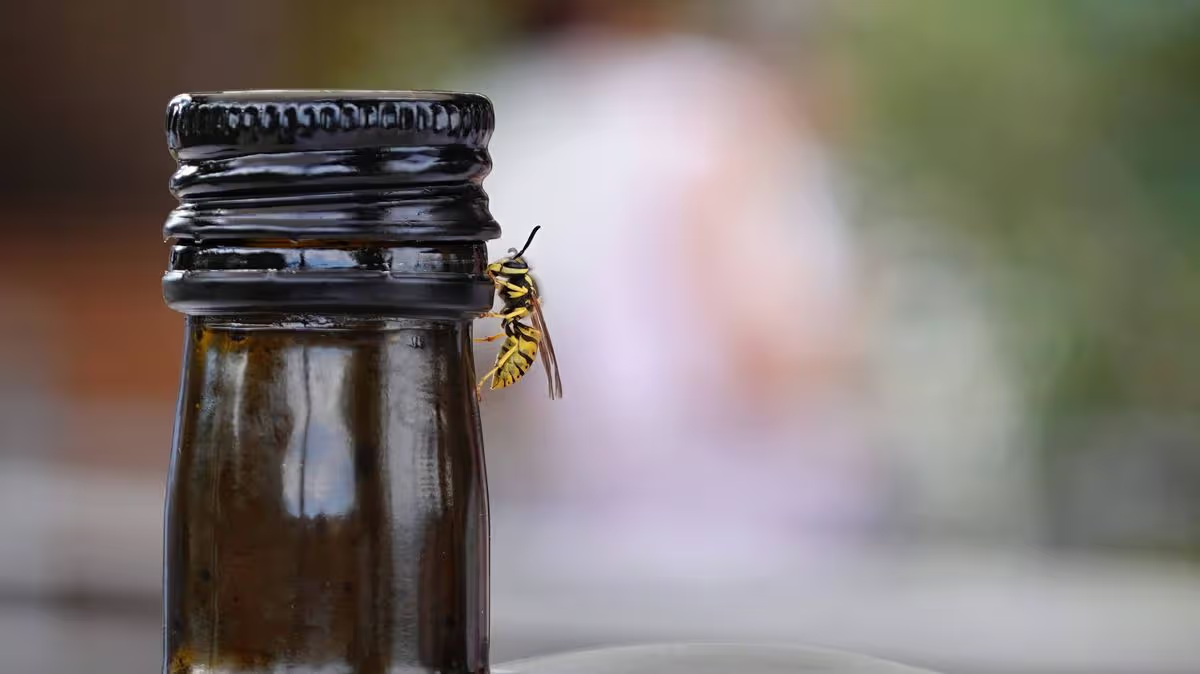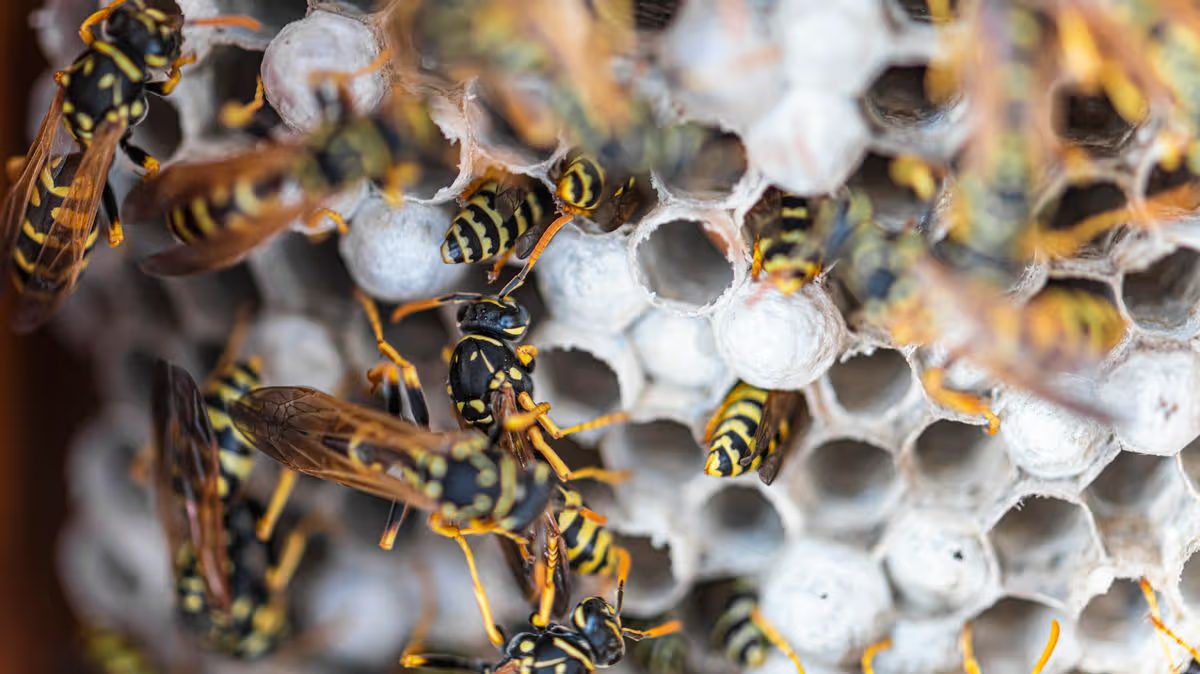
NewsUK NewsInsectsThere has been a 61 per cent increase in wasp activity year on yearNeil Shaw Assistant Editor (Money and Lifestyle)10:20, 20 May 2026Pest control experts are warning people to be on the lookout for wasps in unusual places after technicians said nests have been found hidden inside Wellington boots, handbags, sofas, car bonnets, chimney stacks and even a child’s cuddly toy. The warning comes as Rentokil Pest Control said residential wasp nest activity has increased by 61% year-on-year.“As daylight hours increase and temperatures begin to climb, queen wasps emerge from their winter hibernation in search of somewhere to build nests,” said Paul Blackhurst, Head of Technical Academy at Rentokil Pest Control. “They’re not fussy about where they set up home, and anywhere warm, sheltered and undisturbed will do. Which is why people can find nests tucked into bags left in the garage, inside their wellington boots, or deep inside garden furniture.“What starts as a small nest in spring can quickly develop into a large, highly active colony by the height of summer. The earlier a nest is identified and treated, the easier and safer it is to manage.”The pest control expert is also warning people who find nests to avoid dangerous DIY “hacks” they may have seen on social media, with research showing that nearly half of Brits turn to social platforms for advice on pest issues.“Tackling a wasp nest yourself can be extremely dangerous,” said Blackhurst. “Disturbing a nest may trigger aggressive behaviour and increase the risk of multiple stings.”Rentokil Pest Control particularly warns against:Article continues belowBurning - wasp nests are made from a highly flammable paper-like material, meaning attempts to burn them can quickly lead to property fires and serious injury.Flooding - trying to drown a nest often aggravates the colony, causing wasps to swarm and attack.Bashing - attempting to destroy a nest with a bat or other object significantly increases the risk of stings.Rentokil Pest Control advises homeowners to arrange professional treatment if they suspect a nest is present, particularly as colonies become larger and more defensive throughout the summer months.Choose Daily Mirror as a 'Preferred Source' on Google News for quick access to the news you value.AnimalsInsectsFloods
Wasp warning as people told to check boots, furniture and toys
There has been a 61 per cent increase in wasp activity year on year
362 words~2 min read