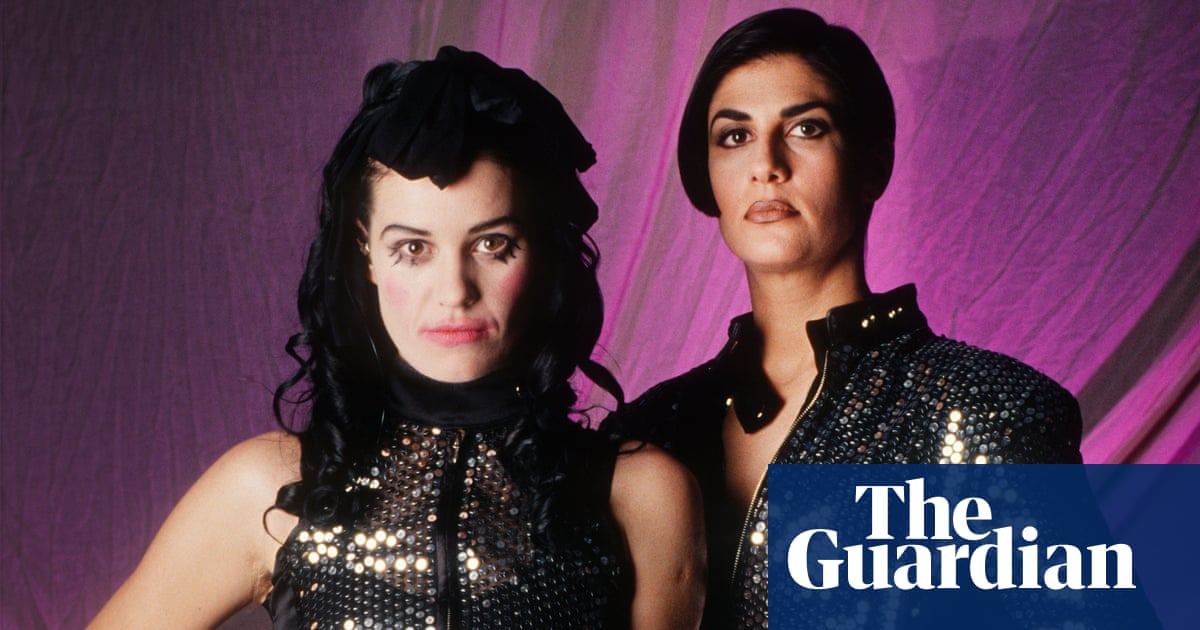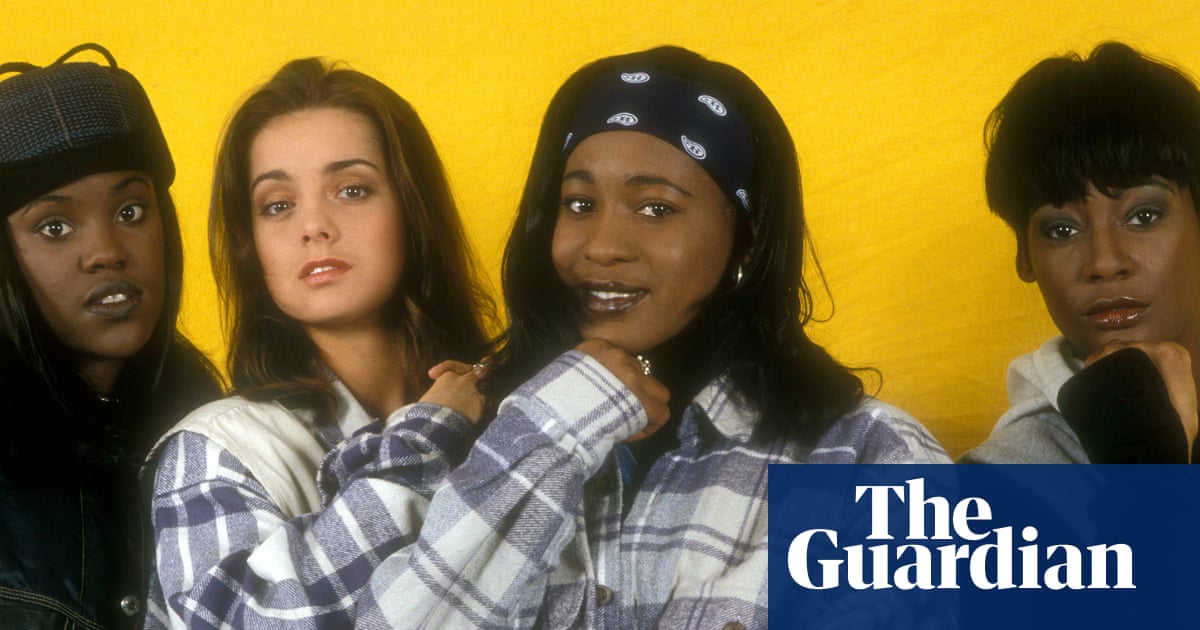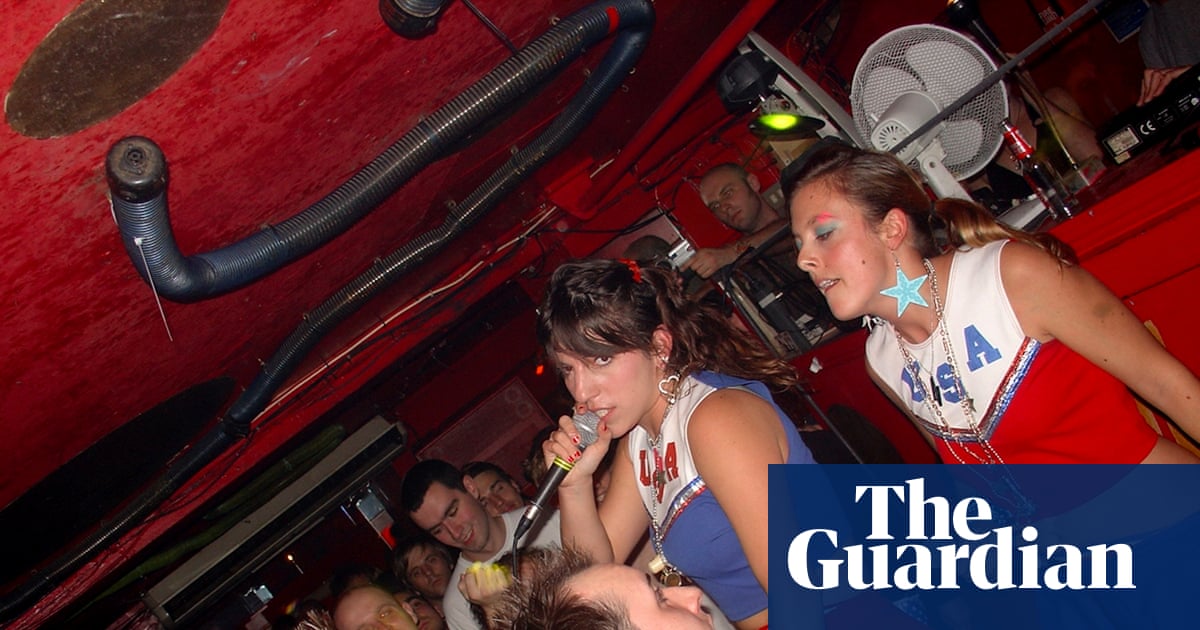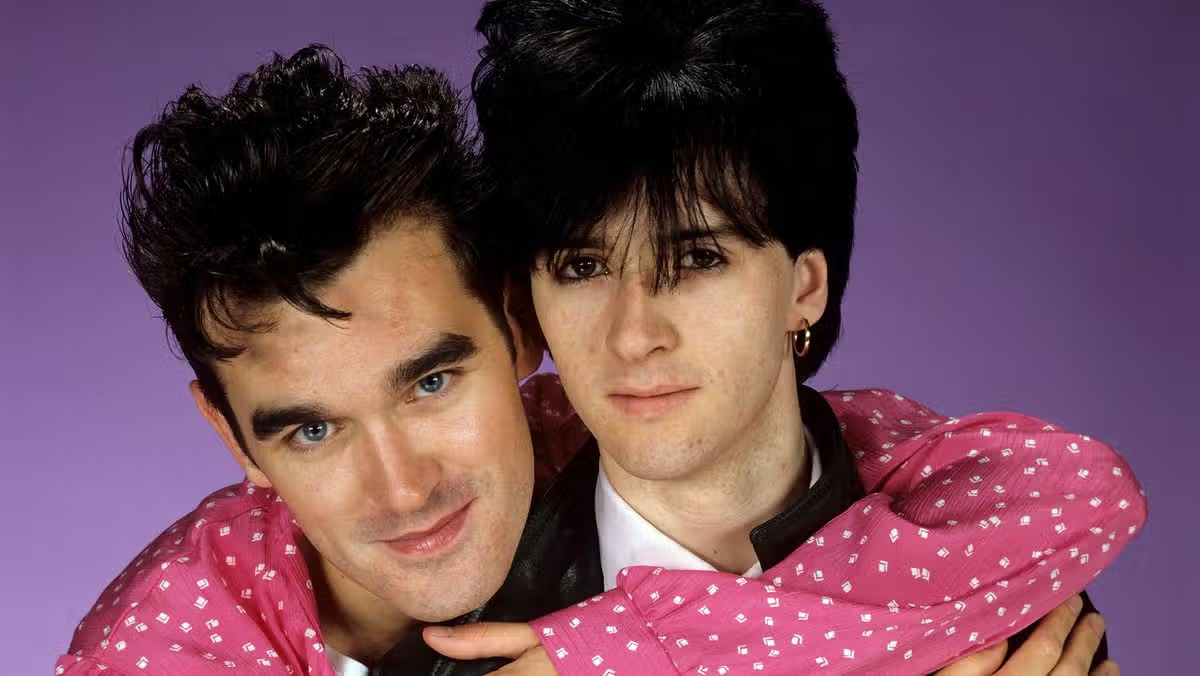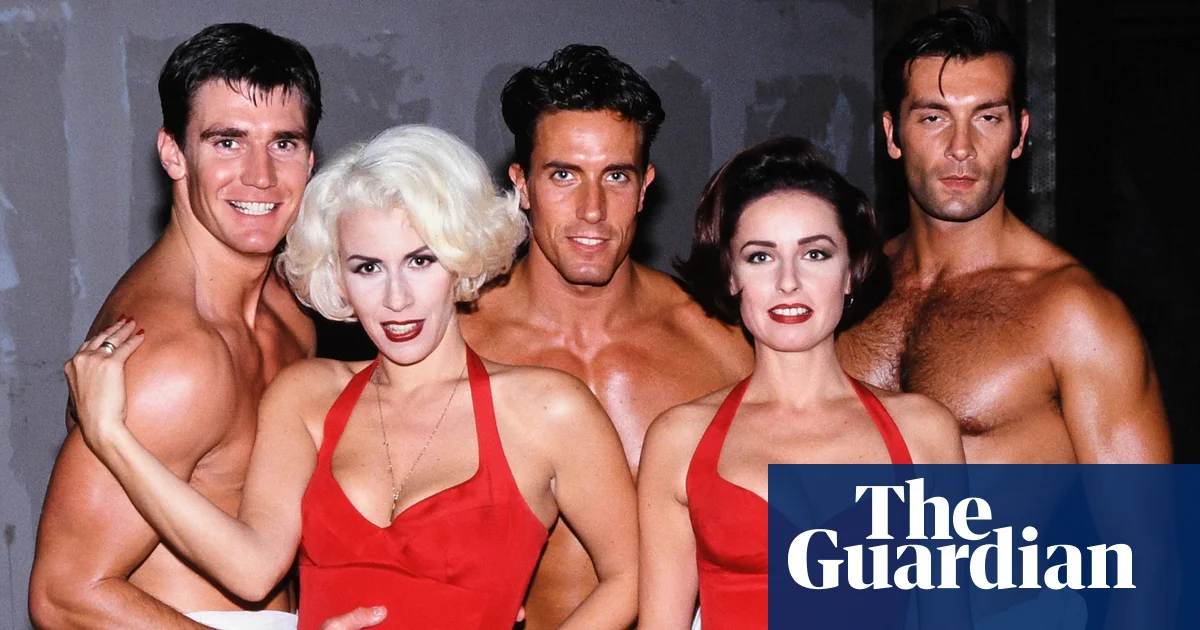
‘My eyes have started to fucking flicker because you just mentioned London Records,” says Goldie, having an involuntary physical reaction at the mere thought of his old label. “If a nightclub could be a record company, it would have been London Records. It was the equivalent of Studio 54. It looked like a normal record company from the outside – shiny, lots of nice cars on the driveway – but it was the craziest, most hedonistic madness.”A new six-part podcast, Hit That Perfect Beat – The London Records Story, is delving into its colourful history. The label was originally part of Decca Records, once home to the likes of the Rolling Stones, but when Decca was acquired by Polygram in 1980, London began a new chapter as an independent label operating with major label distribution. “We were put in there to develop it into a pop label,” recalls ex-managing director Colin Bell, who was a pivotal figure alongside Roger Ames and Tracy Bennet. “We were obsessed with being cool. We wanted to be easily identifiable for a generation of young people. We wanted pop that had an edge.”It also became known for its heavy-partying lifestyle. When I reach out to one artist who was on the label to ask about his memories, the email reply I get is: “London Records in the 90s? COCAINE.”Symbolically important … Bronski Beat in 1983, (from left) Jimmy Somerville, Larry Steinbachek and Steve Bronski. Photograph: Mike Prior/RedfernsLondon had early success with Blancmange and Bananarama but landing Bronski Beat in 1984 “was the moment where we became a real label” says Bell. “They exploded right across the world.” For Bell, who is gay, Bronski Beat was a symbolically important signing. “We were the only label in town prepared to market them exactly as they were,” he says. “We were not going to try and tell them, ‘Let’s hide the gay thing.’”While many labels forge an identity around a genre, London was more hodgepodge. It had several imprints, most notably the dance label FFRR headed up by Pete Tong, and by the 1990s they were home to Orbital, East 17, All Saints, Menswear, Dani Minogue, Utah Saints and Shakespears Sister. So what joined all this together? “Hits,” says Bell, bluntly. “We were a company of hits.”Pete Tong echoes this. “The mentality was to sign cool records that you thought could be successful,” he says. “But it was always left-leaning pop – pop with attitude. We didn’t sign Take That, we signed East 17. We didn’t sign Spice Girls, we signed All Saints. Not that we didn’t try to sign the Spice Girls …” Aside from the girl band’s weighty price tag, London’s efforts weren’t helped when the label took them out on a boat trip down the Thames and accidentally left their manager behind. But the broader point still stands: “We always ended up with the act that was slightly left of centre.”Pop with attitude … East 17 in 1994, with Tony Mortimer, second from right. Photograph: Andre Csillag/Rex/ShutterstockFor Tony Mortimer of East 17, being on a label that had both pop and dance music credentials meant they could enjoy the best of both worlds. “We were a boyband but we were still in NME and Melody Maker,” he reflects. “It was a very cool label to be on. And we had access to these amazing mixes by people like [US house music legend] Danny Tenaglia.”While the label was coming good on its hit-driven ethos, it got caught out in some illicit practices that helped generate that success. In 1991, London was fined £50,000 by the British Phonographic Industry for chart hyping: sending people to go and buy records of their artists. Terry Farley, part of the acid house crew Boy’s Own, who later got their own imprint on London, confirms this was happening a lot. “Me and Andy Weatherall used to go out on record-hyping missions for them,” he recalls. “I remember buying Bananarama singles. But that wasn’t unique to London, every record company was involved in it.”After Factory records went bust in 1992, London hoovered up their catalogue, such as New Order and Happy Mondays, adding to a weighty and even more eclectic roster. And during the peak of the CD sales era, money was pouring in, and the atmosphere around London Records became more and more hedonistic.‘I was simultaneously fascinated and horrified’ … John Niven in 2017. Photograph: Murdo Macleod/The GuardianThe author John Niven worked there from 1994 to 1997 and the culture he witnessed – cutthroat ruthlessness, ego and excess – proved inspiration for his debut novel, Kill Your Friends, a dark satire of the music industry (later adapted into a film of the same name). “I was simultaneously fascinated and horrified by it,” recalls Niven of his time there. “To come into this culture, where the artists were, at best, tolerated, and at worst regarded as an impediment, was a real eye opener.” (Former London Records bosses did not respond to questions about Niven’s description of the company culture, nor about alleged drug use at the label in the 1990s.)When Niven left to go and work at another label, it hit home just how wild London had been. “Having meetings at other companies was like doing cannabis and mushrooms in a summer meadow compared to the crack den that was London Records,” he says. “If you didn’t know your shit, you would get crucified in a London meeting. It was a very extreme, but kind of fun, grounding.”Goldie signed to FFRR to release his breakthrough album Timeless in 1995, and recalls his first ever meeting there. “I turned up and parked my car sideways in two parking bays,” he says. “I was with my Pitbull terrier and I bowled into Pete Tong’s office. The dog went in first and got up on the chair and then I sat next to him. I threw the cassette on the table and said, ‘You need to sign that.’” But Goldie was paying close attention to Tong’s response as he played him the album’s sprawling title track. “The fact that Pete sat there for 21 minutes without murmuring, that was why I signed,” he says.‘They made things happen’ … Siobhan Fahey and Marcella Detroit, AKA Shakespears Sister, in 1992. Photograph: Gie Knaeps/Getty ImagesMany people speak of a label that was hard-working and generous despite being rabidly hungry for success. “They got things done,” says Marcella Detroit, from Shakepears Sister. “They worked us very hard but they made things happen.” Similarly, Paul Hartnoll of Orbital – who signed a whopping seven album deal – recalls it being a haven. “It was a dream,” he says. “For a band like us, who were making neurodivergent music for neurodivergent people within dance music, to be left to do what the hell you want, was incredible.”Sara Dallin of Bananarama says her pop trio also had proper autonomy: “People probably thought, ‘Oh there’s three girls, so you’ve probably got some svengali behind them.’ But we knew what we wanted, and we pushed to get what we wanted. It was very much: this is what we’re doing, this is what we’re wearing, this is who we want to work with.”If there’s one artist that defines being given extended creative licence on the label, it’s Goldie. On his 1998 follow-up album Saturnz Return, the opening track, Mother, was an hour long. The unveiling of said track at the label offices ended up as a scene in Kill Your Friends: “People cross and recross their legs, sip their wine and pray for it to end. But it doesn’t.” While reading that scene Goldie was almost thrown off a British Airways flight because he was laughing maniacally so much. “Was it the most criticised work I’ve ever done? Yes. Was he right? Yes. But did I make my opus? I did. When I read Niven’s book, it just reminded me of how egotistical anyone that works in a record company is, and how artists believe that their cause is the only one that exists.”Extended creative licence … Goldie in 1997. Photograph: Martyn Goodacre/Getty ImagesPerhaps those big egos led to the company becoming blinkered. Niven recalls “some guys coming into the office in 1994 trying to talk to us about how the internet was going to change our business but we couldn’t comprehend it, thought this guy was out of his mind, and we kicked them out”. It turns out those people were looking to generate money for a recent internet startup. “We found out later, over redundancy drinks, that it was Yahoo,” says Niven. “Had we put 50 grand into Yahoo in 1994 rather than making the second Menswear album, well, we wouldn’t be having this conversation. I’d be swimming with dolphins on my own private island. Mistakes were made in terms of seeing what was coming down the pipeline.”At the end of the 1990s, London’s parent company Polygram was sold, some key staff left and despite continuing for a while Bell recalls that “the magic had gone”. The label dried up in the 2000s, and despite reissuing anniversary releases by the likes of Goldie, Bananarama and Happy Mondays, the 90s very much remain London’s peak years. “A golden age,” says Tong. “Getting a job in the record business was like getting a job in Hollywood.”Goldie, who by now has stopped twitching, echoes this. “As a record company, it was positioned at a time when everything was happening at a crossroads,” he reflects. “England was exploding musically in a way it hadn’t since punk. It really was the stuff of legend.”
Goldie, Bananarama and boat trips with the Spice Girls: the hedonistic madness of 90s label London Records
From synthpop to drum’n’bass, the company had a roster of edgy stars – and let them do what they wanted. As a new podcast is launched, artists and staff remember the extreme work environment
1,596 words~7 min read