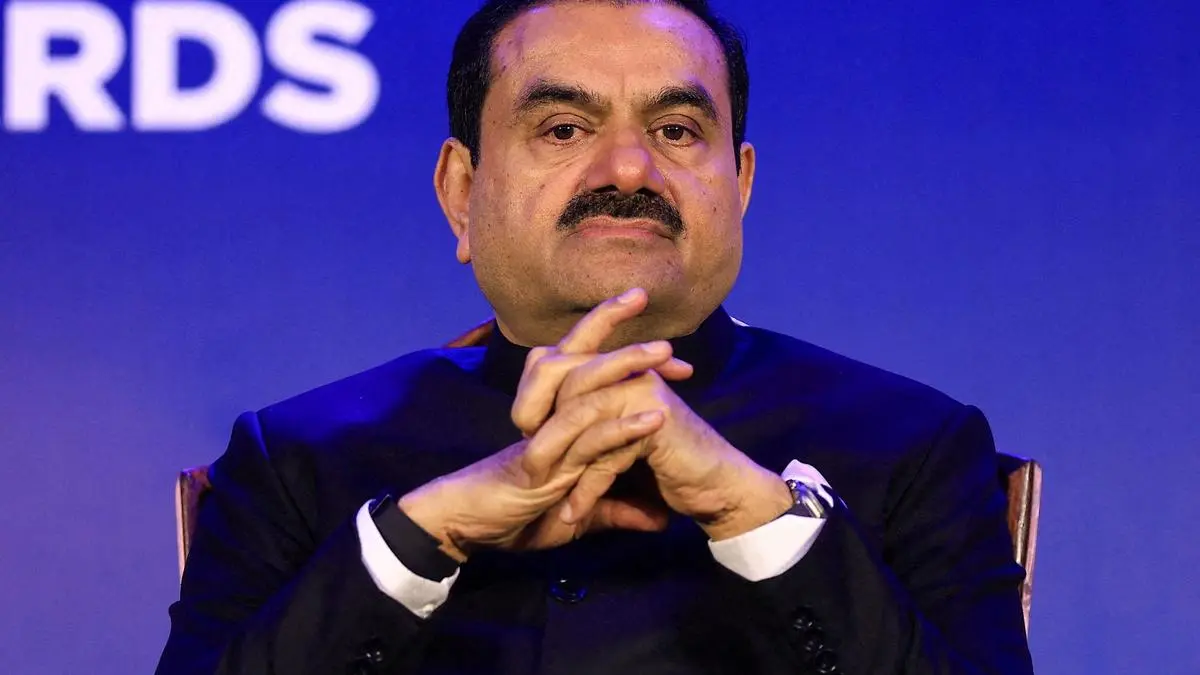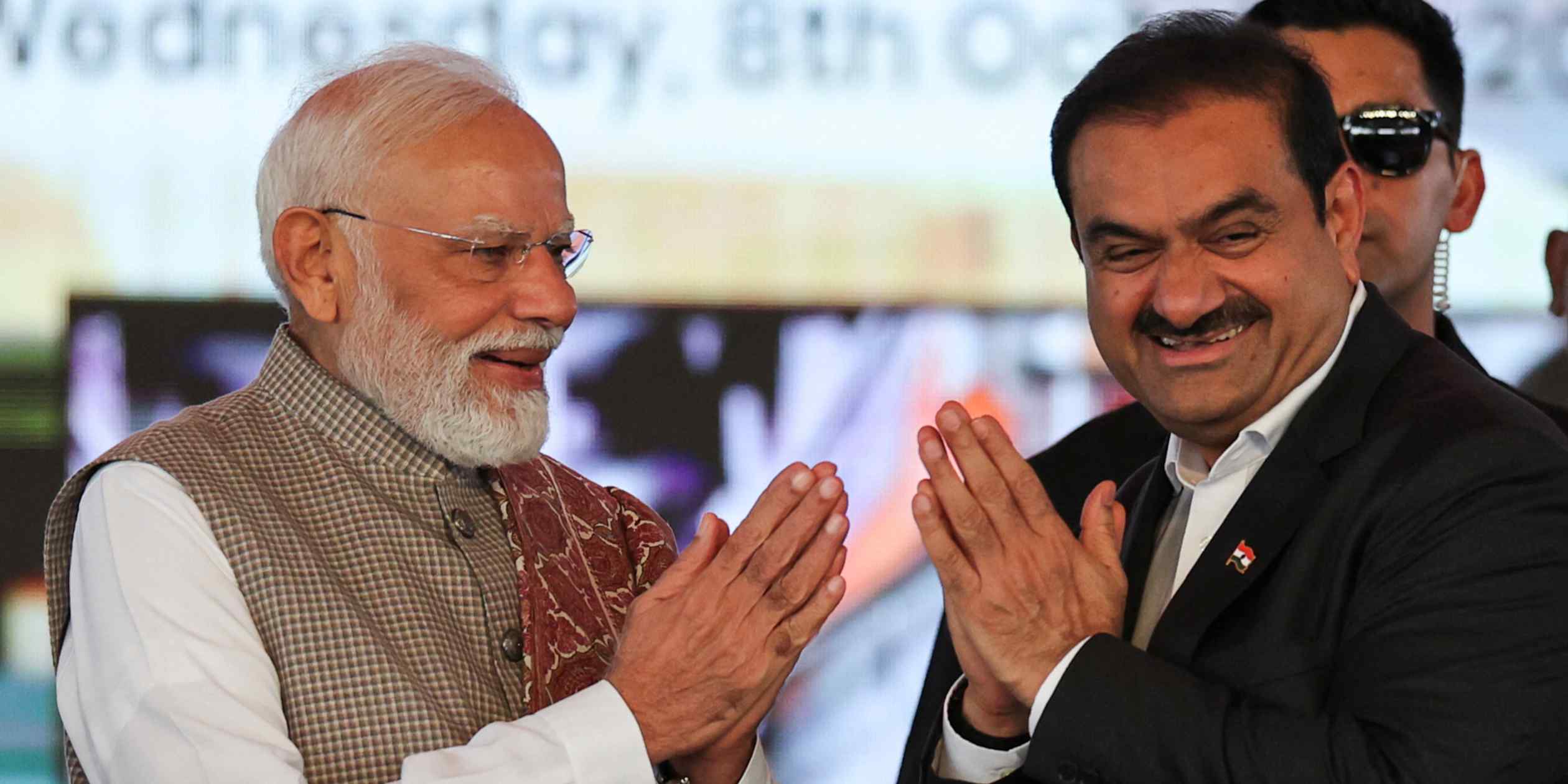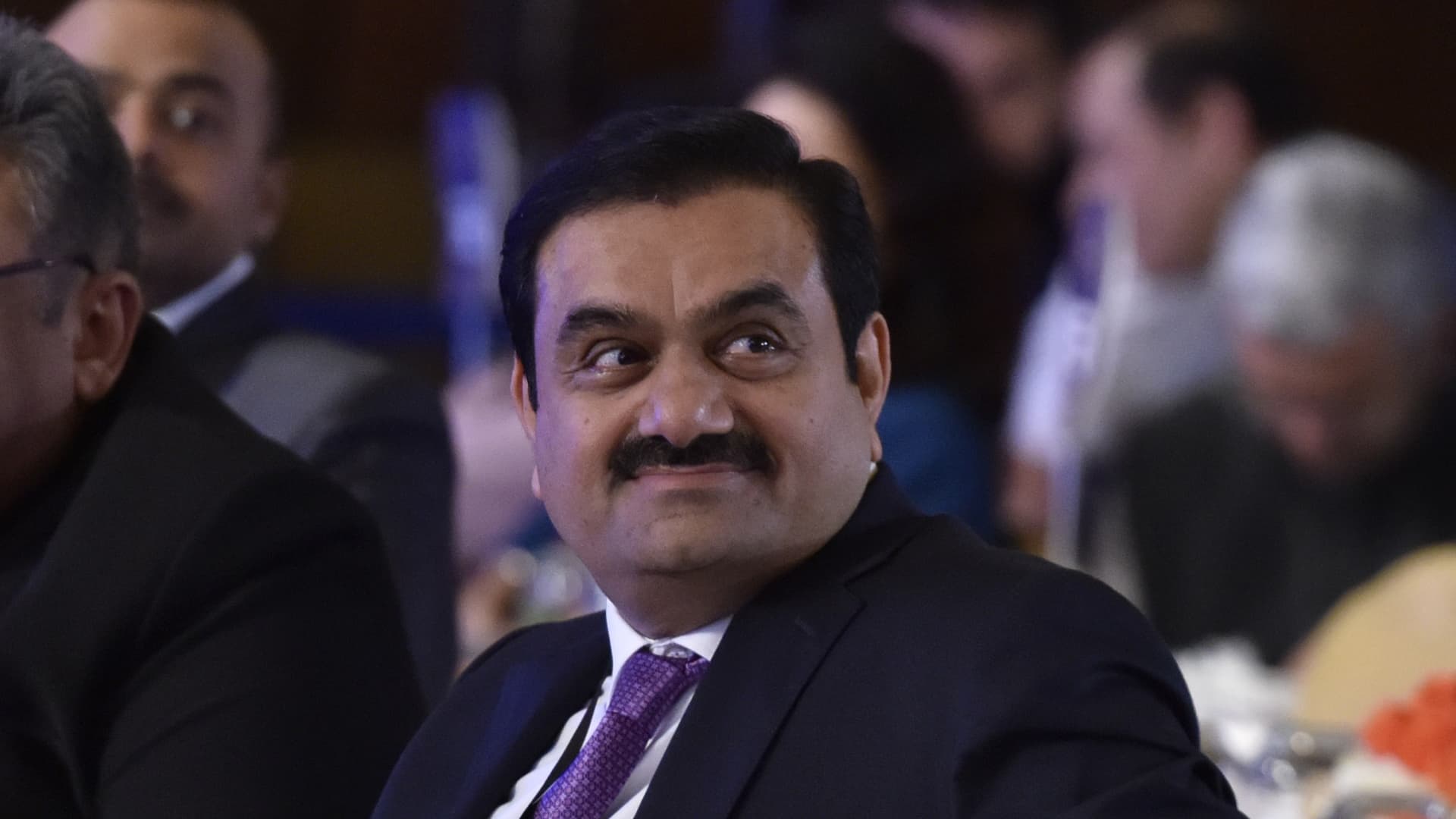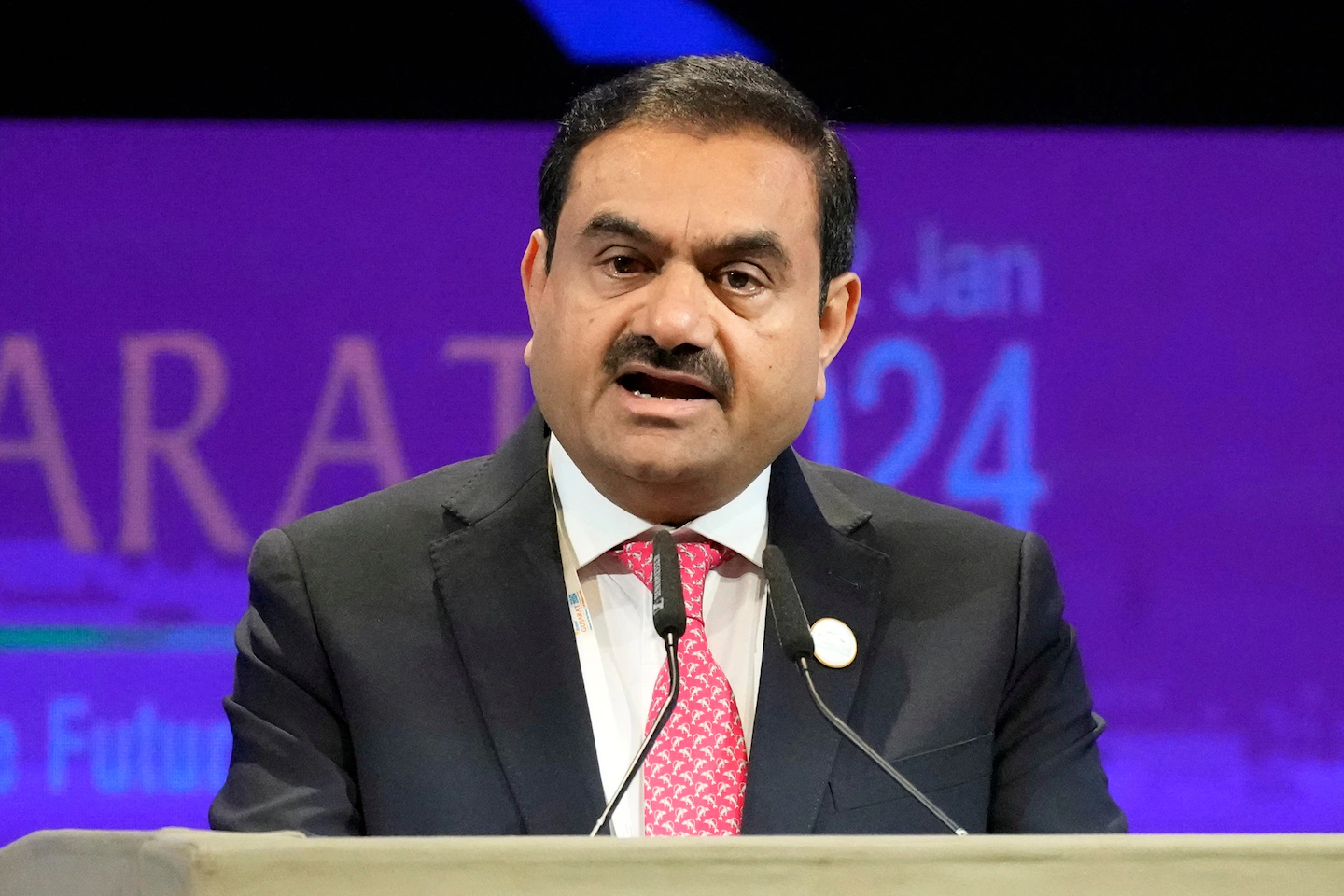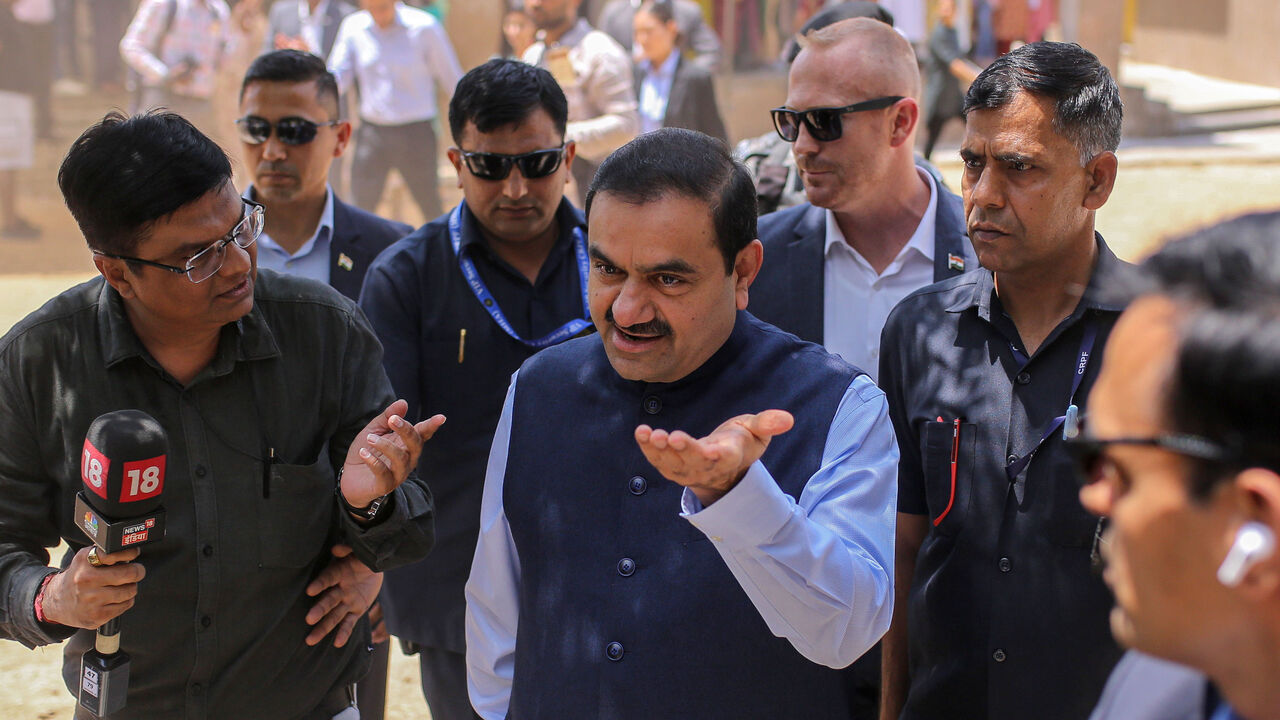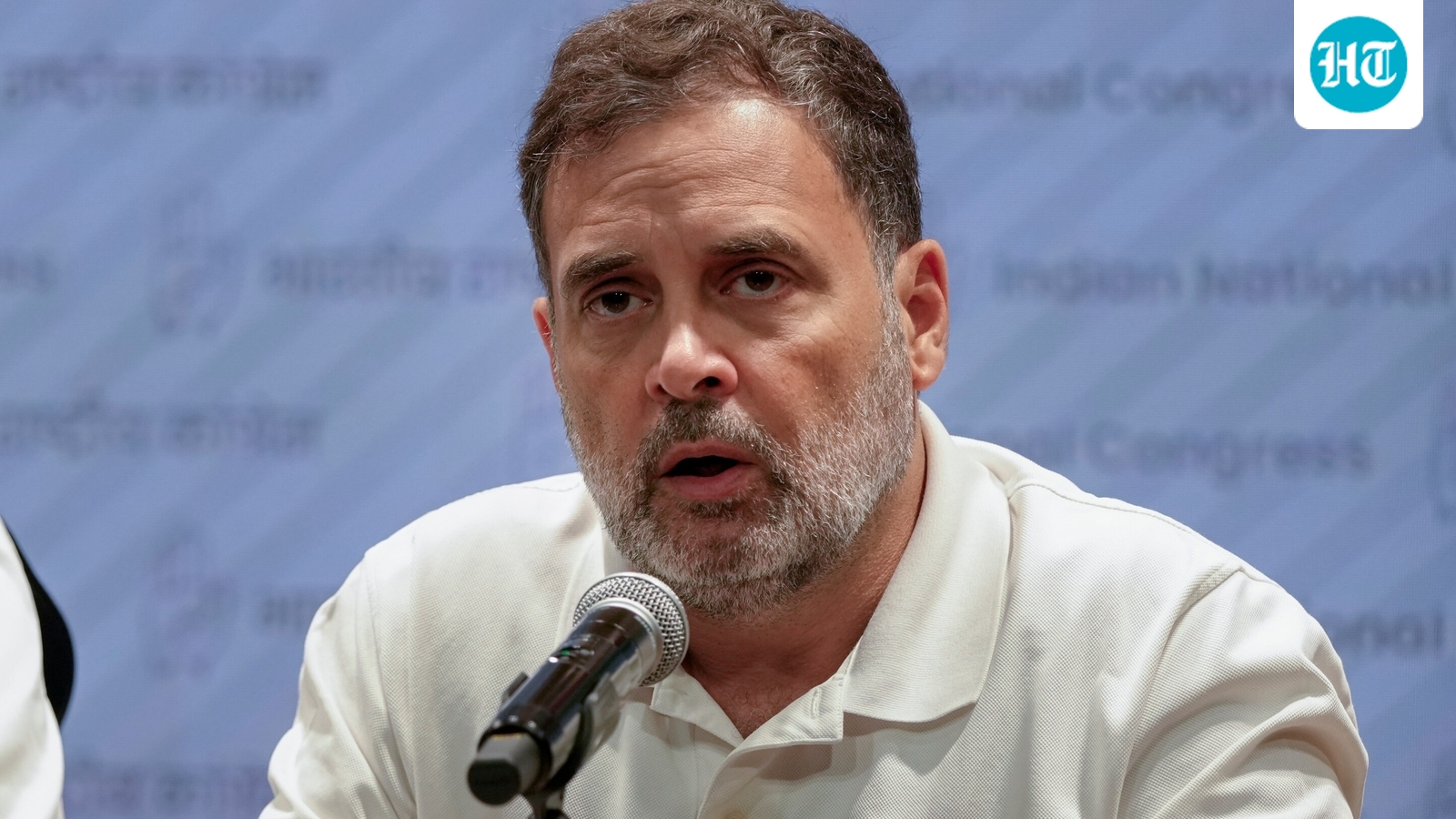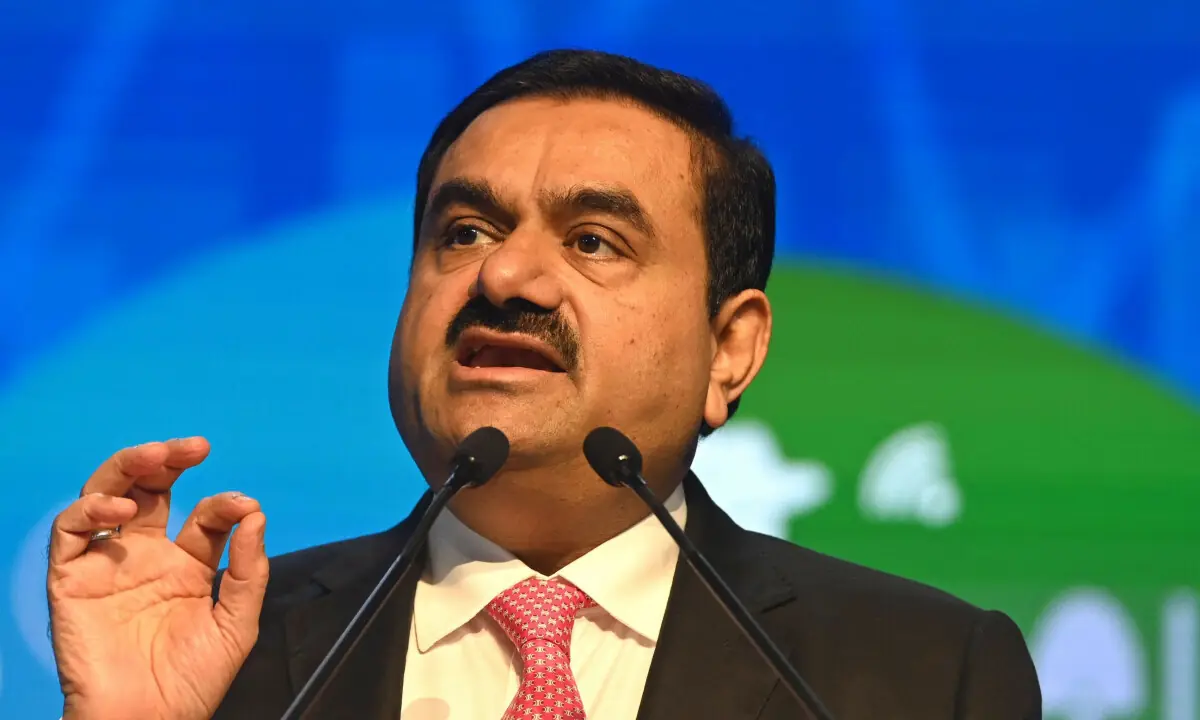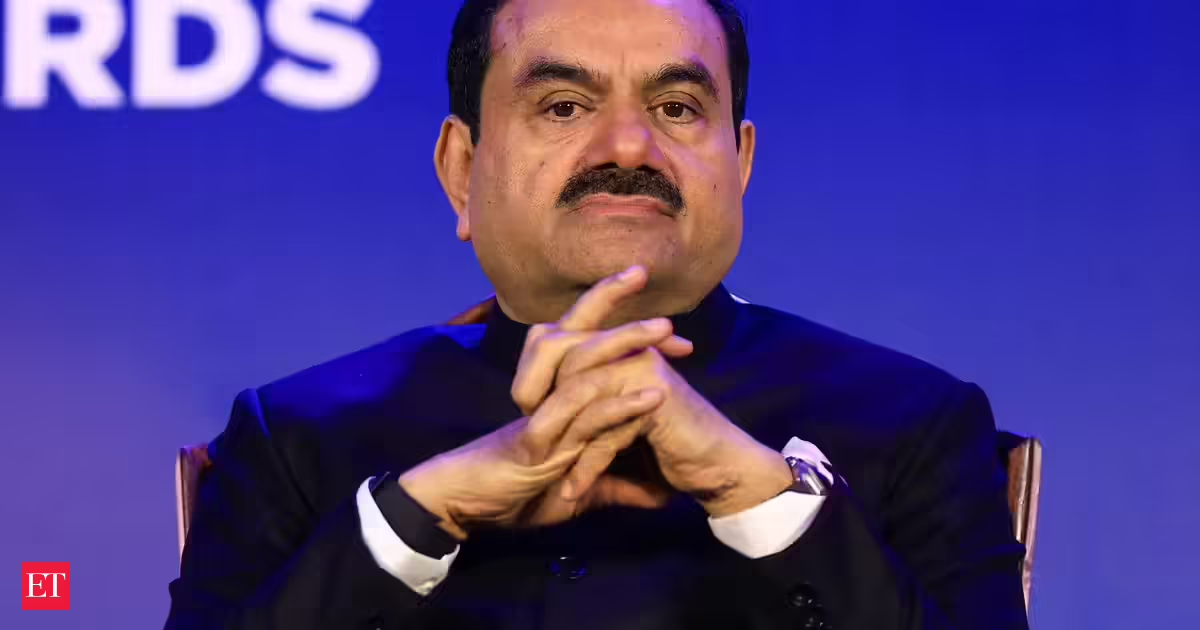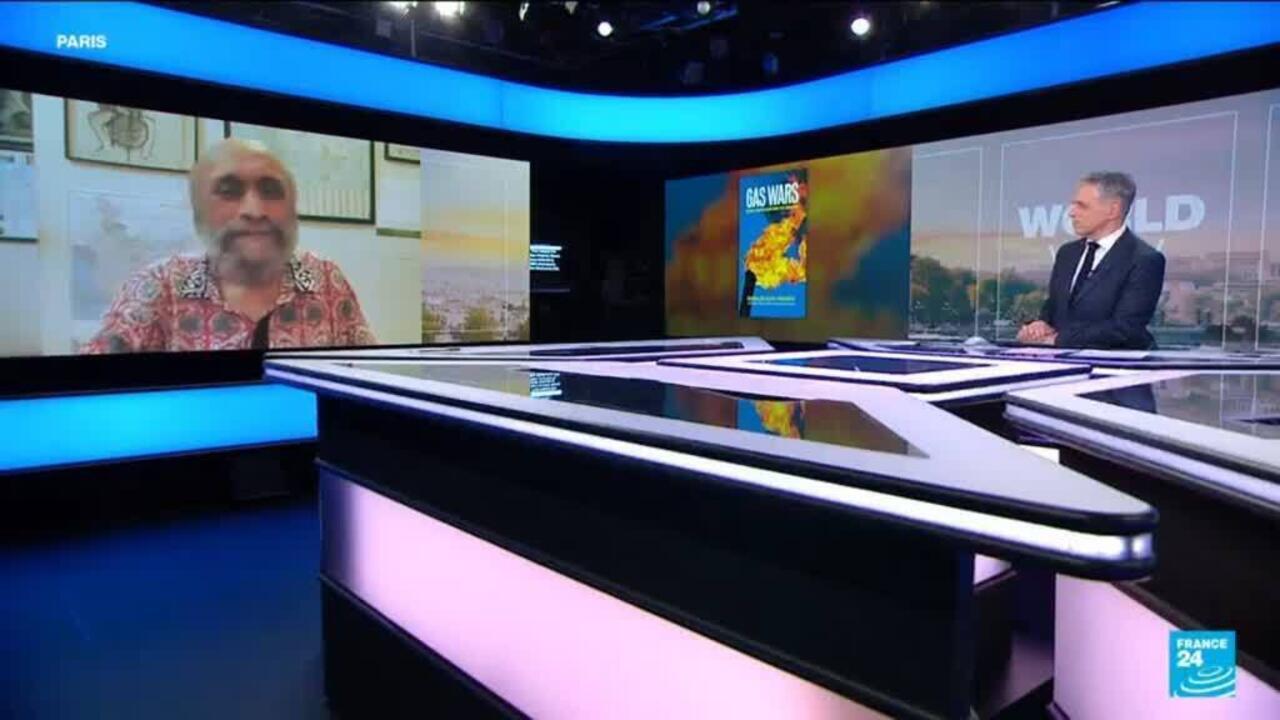
François Picard is pleased to welcome Paranjoy Guha-Thakurta, Indian journalist, investigative author and filmmaker. He offers a sweeping critique of the nexus between oligarchic wealth, political power, and weakened institutional accountability in contemporary India. Drawing on the allegations surrounding billionaire industrialist Gautam Adani, U.S. sanctions investigations, and the politics of Prime Minister Narendra Modi, he argues that “crony capitalism and oligarchy” have become deeply embedded within the fabric of the Indian state.
Moving beyond the technical details of U.S. Department of Justice investigations and alleged violations of the Foreign Corrupt Practices Act, Guha-Thakurta frames the affair as an indictment of the toxic convergence of politics, wealth, and power. “The big question,” he argues, “is why have the government agencies in India not acted on the evidence that has already been in the public domain?” And he offers a blunt assessment: “Mr. Gautam Adani’s proximity to the Prime Minister of India.” Guha-Thakurta repeatedly invites observers to “connect the dots” while carefully distinguishing allegations from established evidence. Modi and Adani, he says, “are like very, very close friends,” while criticism of Adani is often portrayed “as if it is criticism against India.” He also highlights the personal cost of investigative journalism in India. Referring to the multiple defamation cases filed against him, he states: “I happen to be the only citizen of India… who is the recipient of seven cases of defamation.” For Guha-Thakurta, this reflects a broader political reality marked by intimidation, concentrated power, and systemic corruption: “This is the reality of India. This is the reality of crony capitalism and oligarchy in this country.”