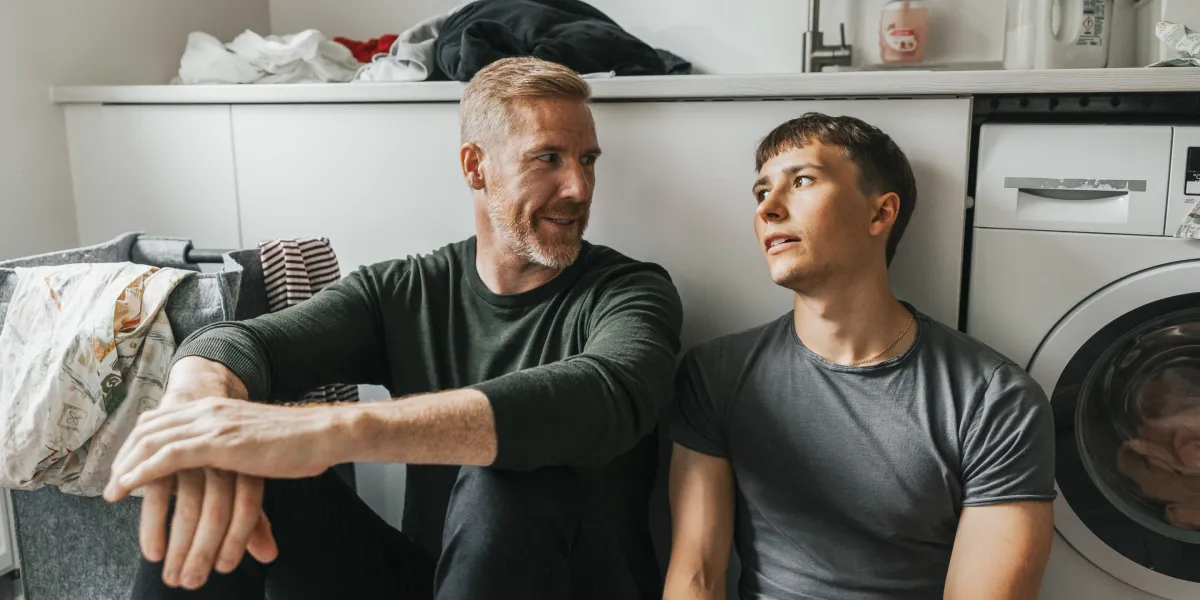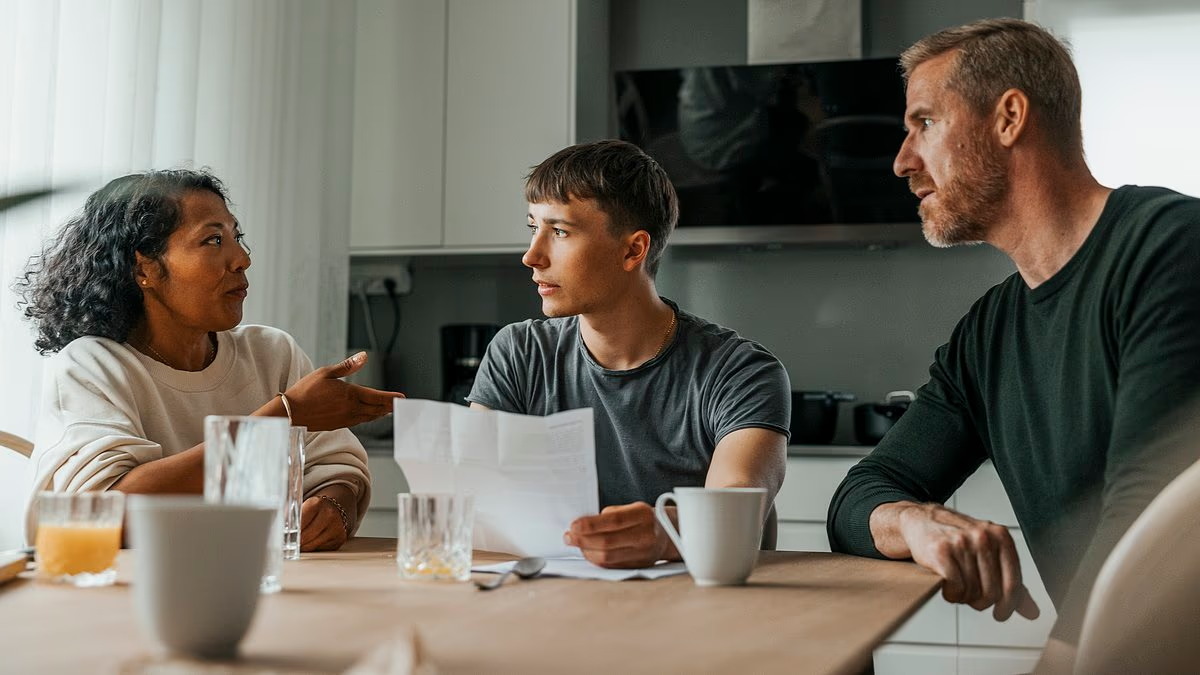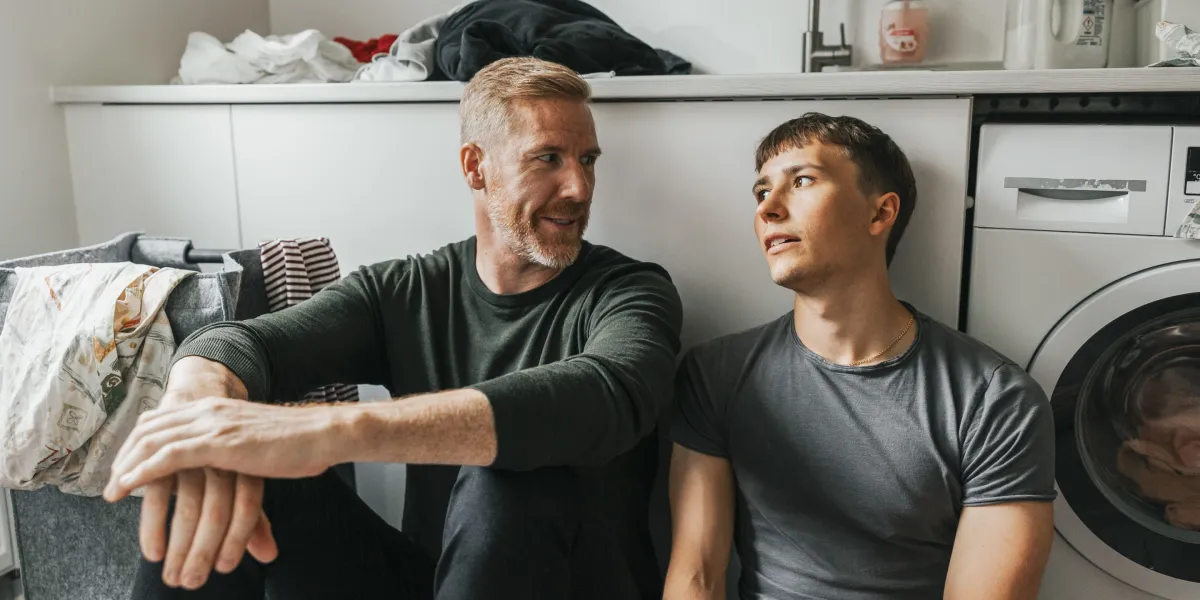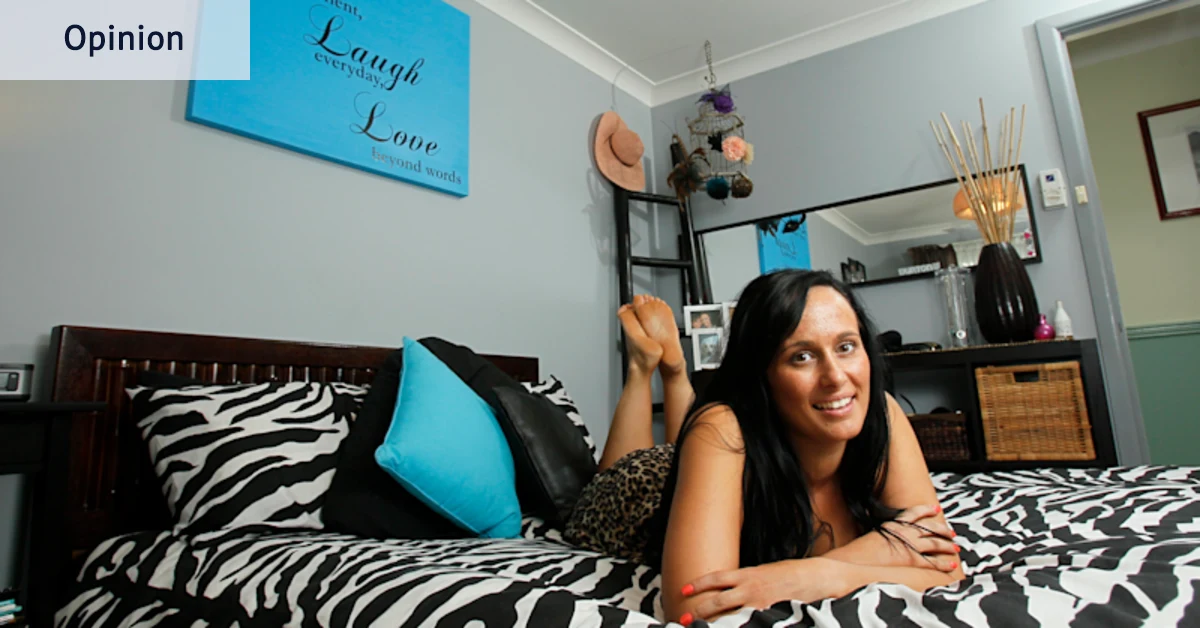
OpinionNina HendyBusiness and finance journalistMay 20, 2026 — 7:00pmMay 20, 2026 — 7:00pmBack in 1997 I was living in a regional city, and my portion of the rent was $70 a week. I was 19 years old, working full-time and taking home a salary of $292 in a cash envelope after taxes.By all accounts, it was a meagre income, but I justified that by knowing I was out on my own, starting my journey into adulthood. I had nothing left over for luxuries once I paid my expenses. My flatmate and I negotiated fridge space and mealtimes, the shared bathroom and how to split the bills. Back then, credit cards were not part of my vernacular. Photo: Illustration: Jim PavlidisIt was a slice of independence that gave me control over my own space. I learnt to put boundaries in place when friends still living with their parents wanted to call in after work.Over the years, I moved between cities as I chased career opportunities, living with half-a-dozen flatmates – one in advertising, two fellow cadet journalists, an early-career veterinarian and a graphic designer.In one move to a regional town, I moved into a tiny house by myself. After work, I’d take long walks and spend evenings relaxing with a book, grateful not to be making small talk with a flatmate at the end of the day.I feel lucky to have had the experience. These days, young adults are living under their parents’ roof for longer because they can’t afford rent, which for houses and units is tipped to reach record highs in every city this year. Sydney and Melbourne have median weekly rents of $815 and $595, according to Domain.Living at home with your parents in your late 20s will help you save for a house deposit, but it may stunt your independence.Nearly one third (31.2 per cent) of Australian men aged 26 to 29 and 27.5 per cent of women the same age still live at home. And staying home for longer is increasingly common over the past two decades, even into people’s 30s, with the portion of men in the situation up nearly 50 per cent. For women, it’s nearly doubled.Living in your childhood bedroom when you’re an adult might save on living costs, but research shows it can lead to a negative impact on mental health and independence, delaying adulthood. There’s also a link between adults living in the family home and poorer mental health outcomes, particularly for those in their late 20s and 30s where expectations of independent living tend to be higher.One study from Germany’s University of Oldenburg found university students in their late 20s and 30s who returned to the family home during the pandemic had lower life satisfaction than those who remained independent. Students returning to the parental home experienced regression of their identity and individual development.A University of Melbourne 2023 study that explored the impact of thousands of people aged over 20 still living with their parents found many reported worse mental health than those living on their own.It all points to a shift in how adulthood unfolds in the modern era, according to psychologist Rachel Tomlinson.“Living at home can sometimes result in tension and blurred boundaries. You may be an adult in age, but you can still be treated like a teenager, which can impact confidence, relationships and identity, particularly when there is limited privacy or family tension,” she says.“Young people are reporting higher levels of loneliness and psychological distress, suggesting a wider shift in how young people are experiencing and emerging into adulthood rather than their living arrangements exclusively,” Tomlinson says.President of the Australian Clinical Psychology Association Dr Erika Penney agrees. She says adults living at home can feel a sense of failure or anxiety about the future, particularly when they feel they have no other choice. She warns that extended stays in the family home can cause a regression into old parent-child dynamics, reducing or delaying the development of independent skills needed for typical adult freedoms.“Context matters, though. Mental health may not be impacted when living with parents is a conscious choice which may provide greater future freedoms, such as saving for a house deposit, where intergenerational living is a cultural or community norm, or where the quality of the parent-child relationship is largely positive,” Dr Penney says.My experience out on my own all those years ago was pivotal. It taught me how to get along with others and set boundaries for myself. I learned independence. I made decisions for myself and only signed a lease on a house that I could afford. And I didn’t bother my parents for money again. They had made it clear there was no bank of mum and dad.My message for young people trying to find a way to get out on their own is to understand that you don’t have to have all the answers. Renting an apartment on your own might make it tough to save for a house deposit, but it’s still financially possible. And as much as you love them, it’s much better to start living your life than remaining under your parents’ roof until you’re in your 30s.Yes, it’s harder today than it was when I made the leap. But if you’re prepared to make sacrifices like living in a suburb you’re not particularly fond of, moving to a regional area or sharing with a flatmate, it is doable.Life still has to be lived. Back then, even on a small wage, I managed to keep a roof over my head. I didn’t have any savings, but my rent and bills were always paid on time. I didn’t eat out, but I could always afford groceries and fuel for my car. That experience laid the foundations of life as an adult.Nina Hendy is a business and finance journalist.The Opinion newsletter is a weekly wrap of views that will challenge, champion and inform your own. Sign up here.More:RentingOpinionFor subscribersProperty marketAffordable housingFrom our partners
People in their 20s are living with their parents to save money. They don’t realise how much it’s costing them
The percentage of men still living with their parents in their late 20s is up 50 per cent in 20 years. For women of the same age, it’s nearly doubled.
993 words~5 min read