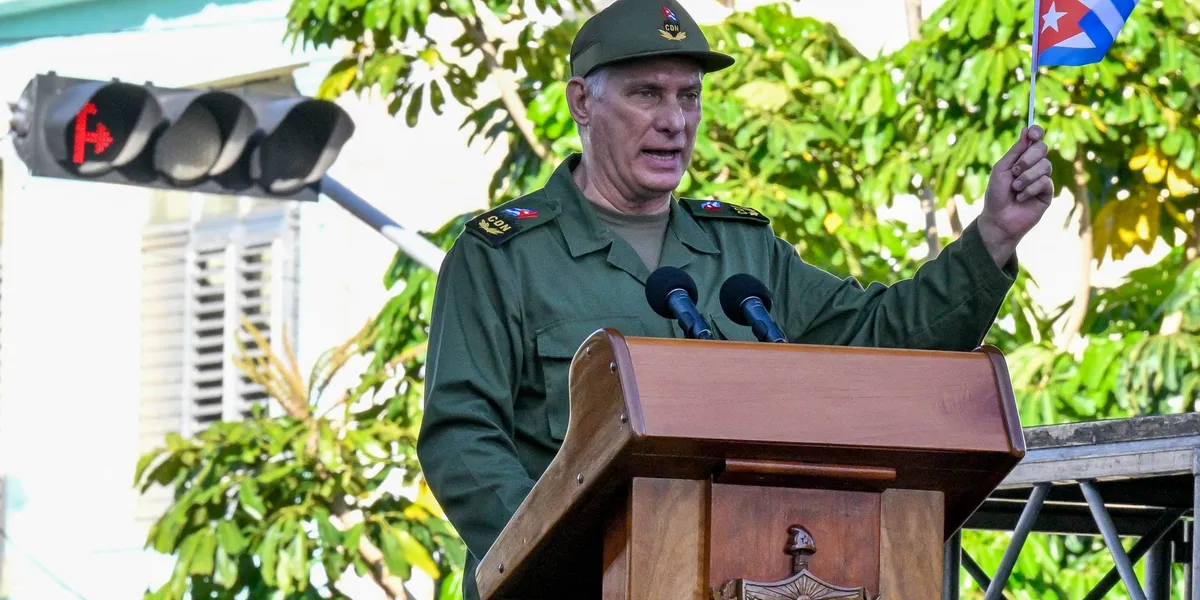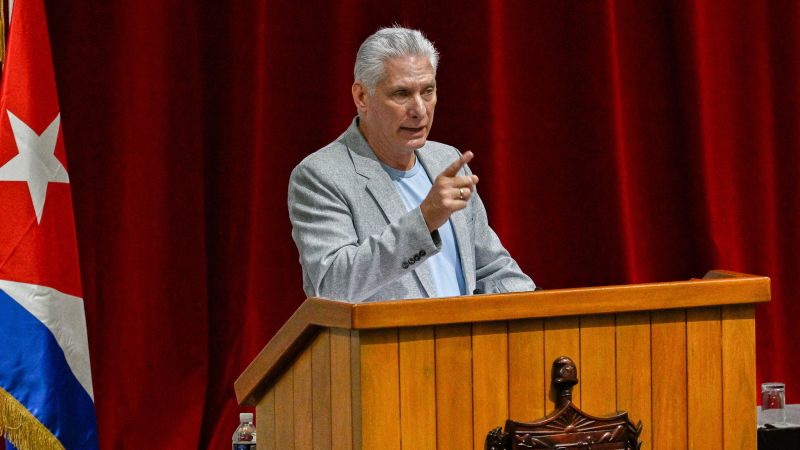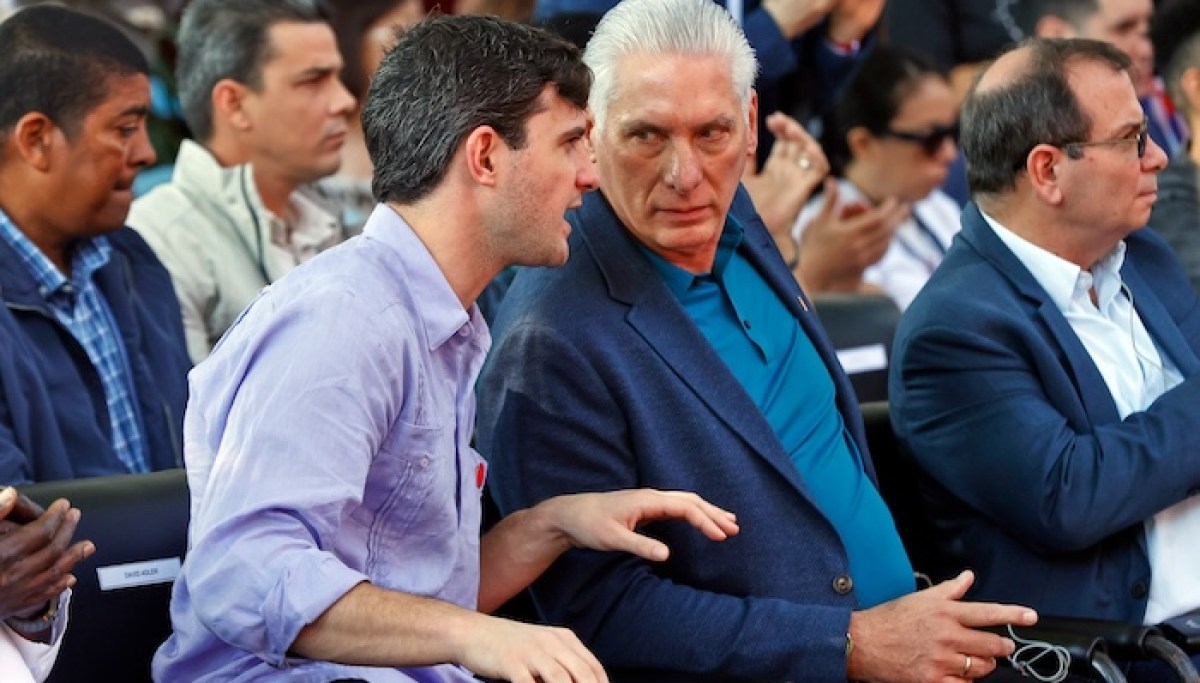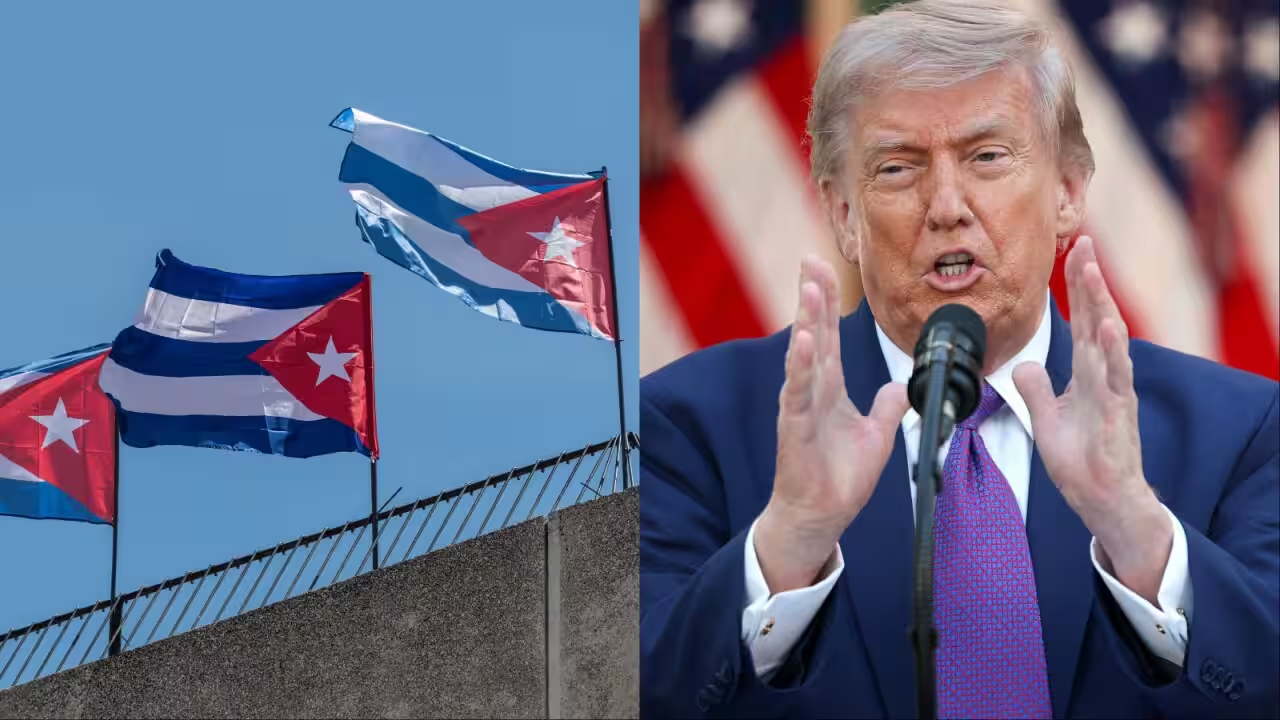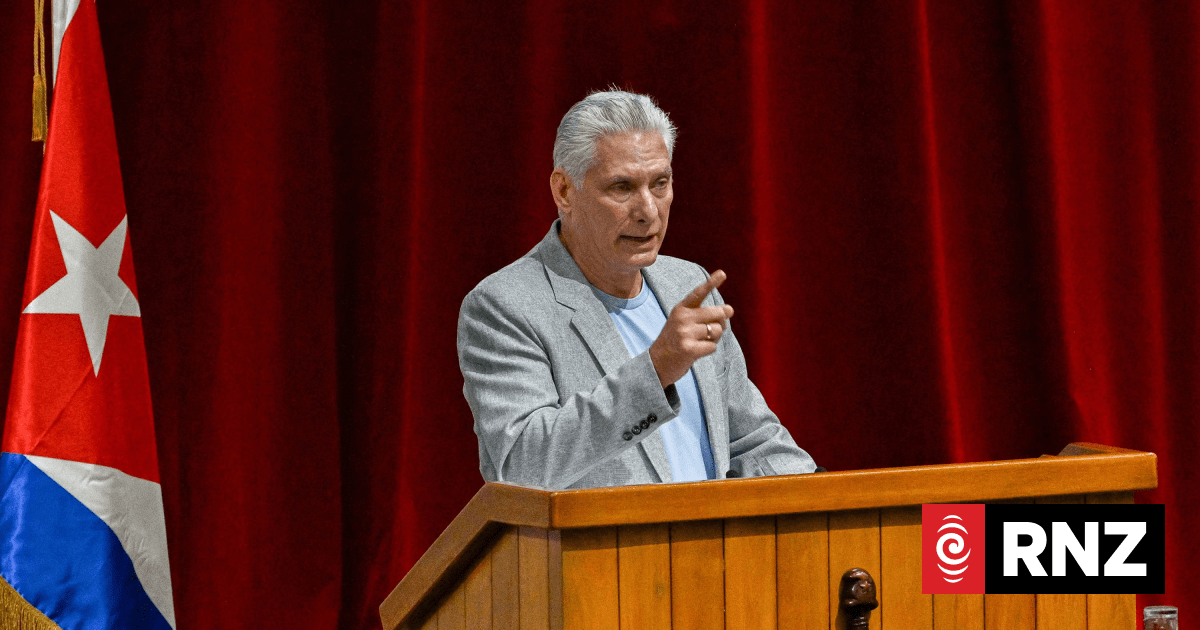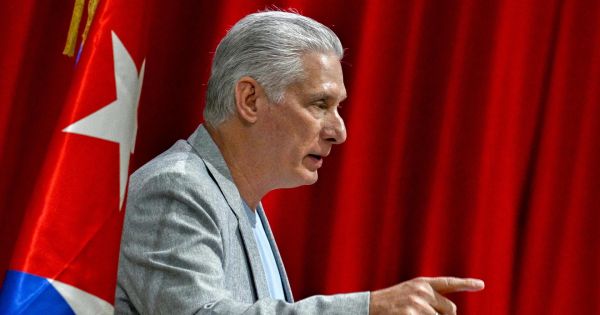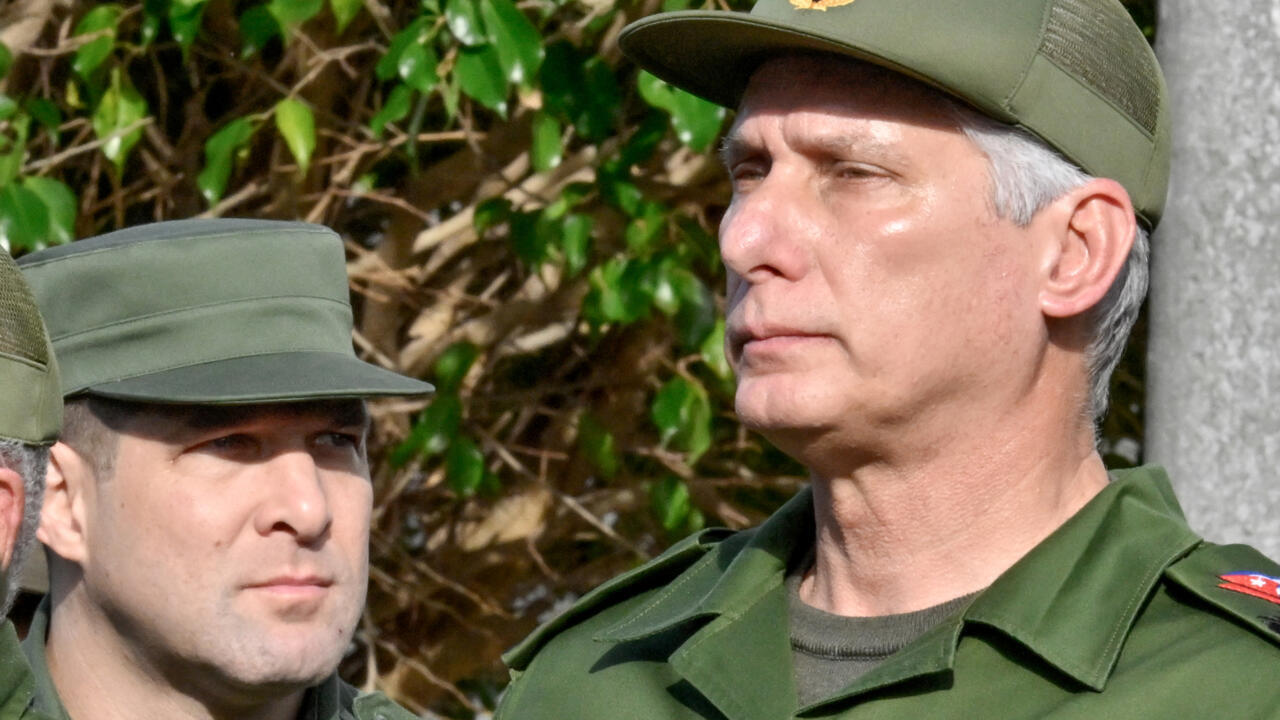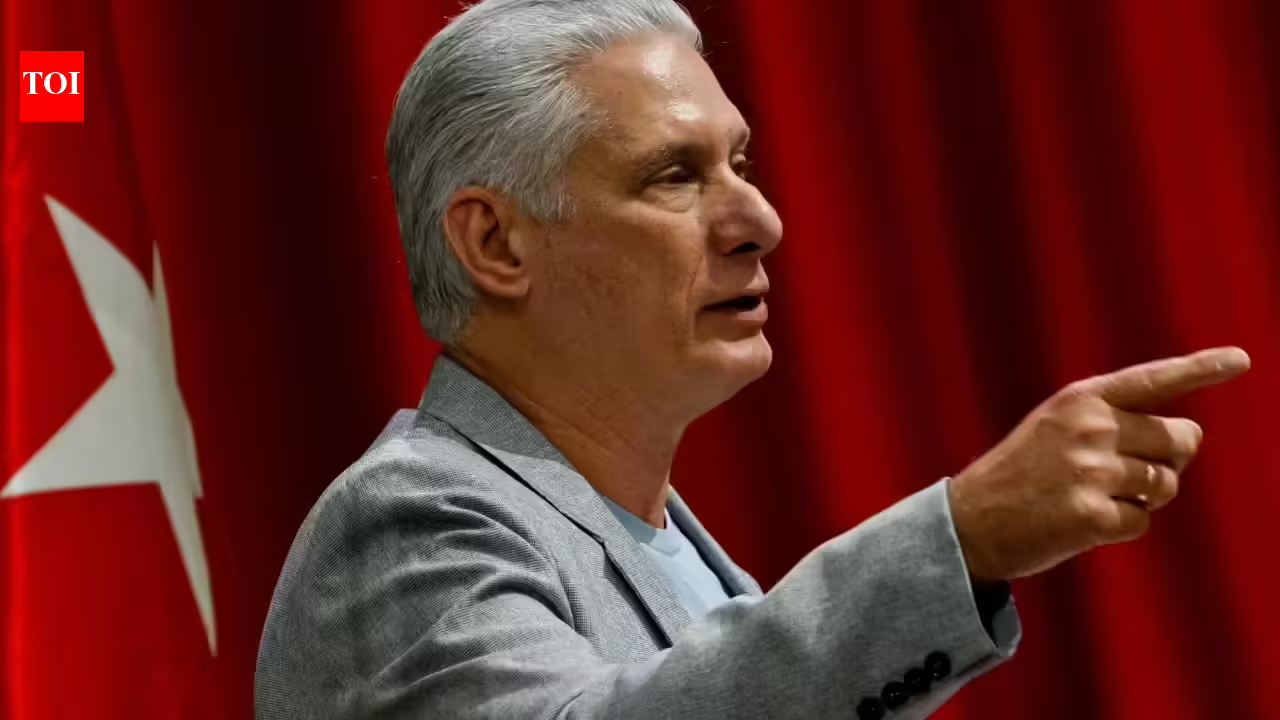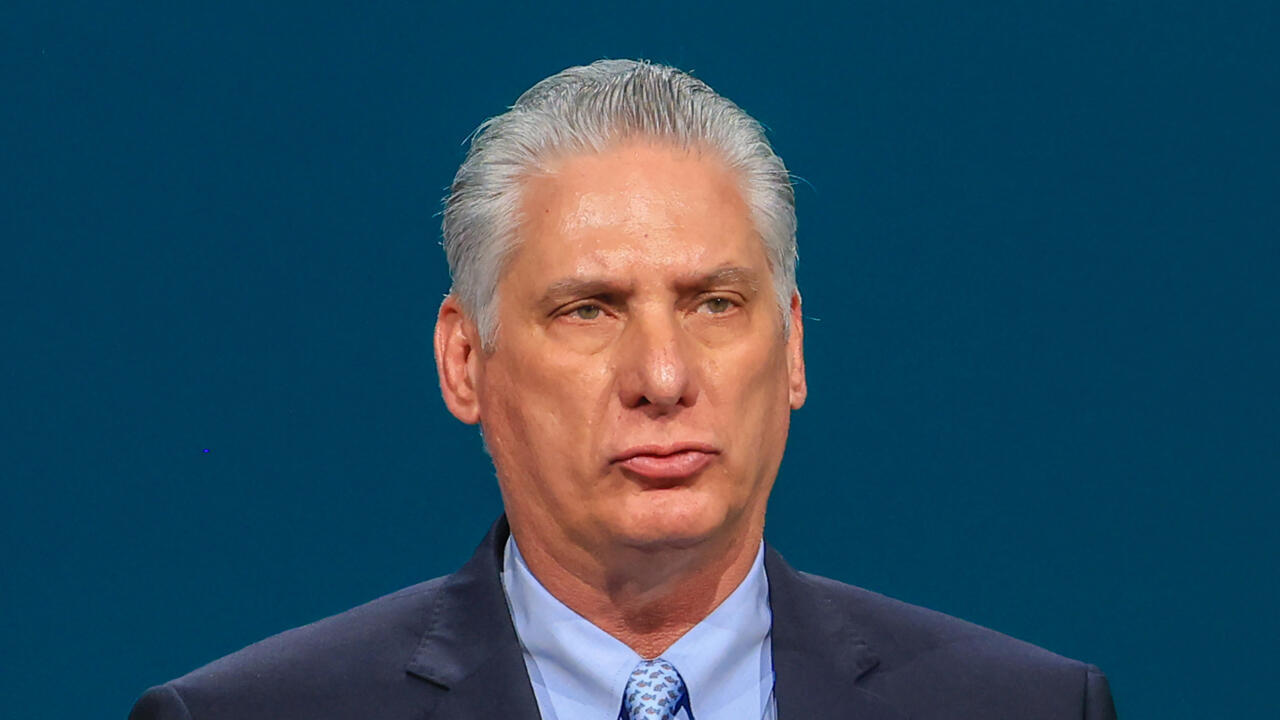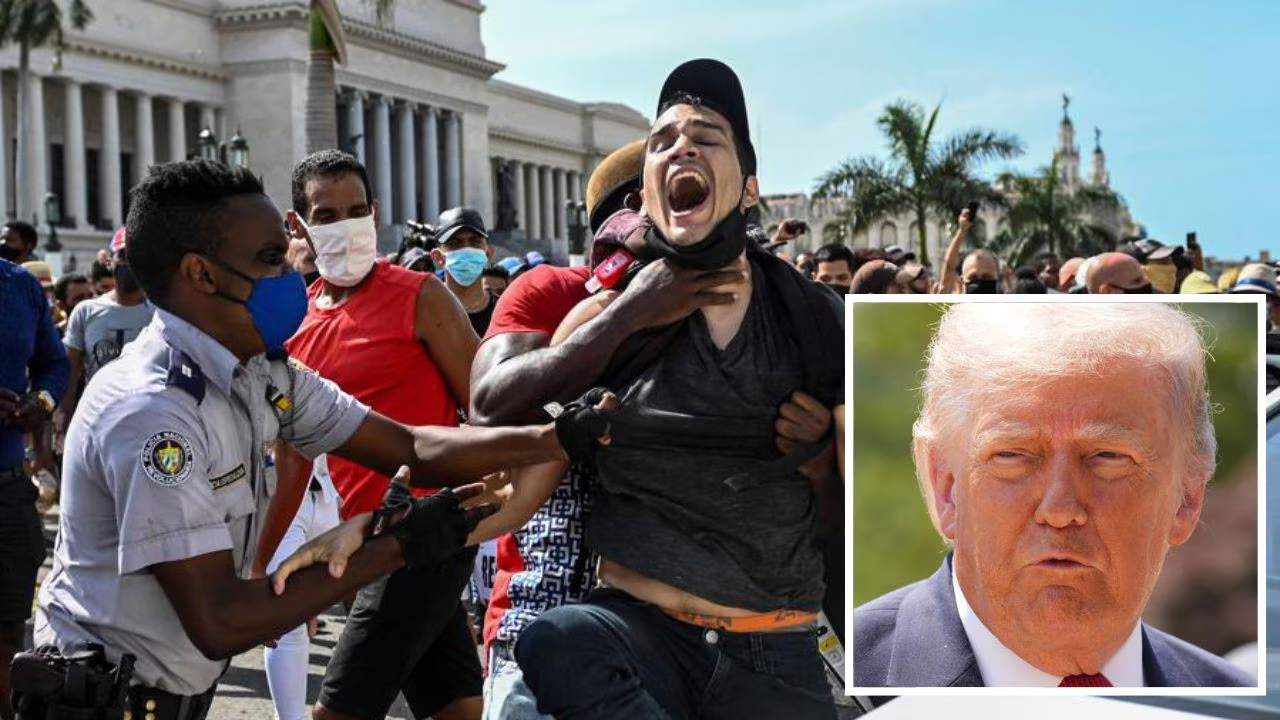
A United States attack on Cuba would “trigger a bloodbath with incalculable consequences”, Cuban President Miguel Díaz-Canel warns. And he insists the Trump administration is attempting to manufacture a pretext to do exactly that.CIA director John Ratcliffe visited Havana late last week to “personally deliver President Trump’s message that the United States is prepared to seriously engage on economic and security issues”.It came with a catch: “But only if Cuba makes fundamental changes”.The White House has further ramped up its pressure on the Caribbean island nation by imposing sanctions on its foreign intelligence agency and several prominent Cuban nationals, including leading Communist Party officials, government ministers and military generals.US President Donald Trump has upped the ante on Cuba since his special forces successfully seized Venezuelan President Nicolás Maduro from his government compound in January. Oil shipments have been halted and sanctions threatened against anyone who attempts to deliver more.“We have absolutely no fuel oil, absolutely no diesel,” Cuban Energy Minister Vicente de la O Levy complained. “In Havana, blackouts now exceed 20-22 hours.”And the CIA director’s visit came amid a flurry of fresh threats from the White House.“I don’t think we’re going to be able to change the trajectory of Cuba as long as these people are in charge in that regime,” US Secretary of State Marco Rubio proclaimed. “What is happening in Cuba is unacceptable, and it is a threat to the US to have a failed state 90 miles from our coast.”Key among new accusations against the island nation of 11 million is the purchase of drones from Russia and Iran. Washington officials reportedly allege Cuba plans to use these to attack US facilities in Guantanamo Bay and Florida.Havana has not denied purchasing the drones.“Like any country, Cuba has the right to defend itself against external aggression. It is called self-defence, and it is protected by International Law and the UN Charter,” a government statement reads. “Those from the US who seek the submission and, in fact, the destruction of the Cuban nation through military aggression and war, do not waste a single moment fabricating pretexts, creating and spreading falsehoods, and distorting as extraordinary the logical preparation required to face a potential aggression.”The Venezuela playbookCuban Foreign Minister Bruno Rodriguez has denounced Washington for building a “fraudulent case to justify the ruthless economic war against the Cuban people and the eventual military aggression”.President Trump has already accused Cuba of unspecified “extraordinary actions that harm and threaten the United States”.And he has repeatedly expressed a desire for “taking Cuba in some form”.“I mean, whether I free it or take it … I think I could do anything I want with it,” he boasted in March.“You want to know the truth? They’re a very weakened nation now.”Now, alongside fresh sanctions against key Communist Party personnel, the Trump administration is reportedly seeking to indict 94-year-old former President Raúl Castro.He’s been accused of ordering the 1996 shooting down of civilian aircraft in international airspace after their departure from Miami. Cuba insists the aircraft, operated by Miami-based Cuban refugee group Brothers to the Rescue, had breached sovereign airspace.The Trump administration’s US Justice Department also issued a flurry of indictment papers against key Venezuelan officials shortly before the January special forces raid.Cuba has long been designated a state sponsor of terrorism by the United States.Like Mr Maduro, Cuban officials now face seizure and deportation to face narco-terrorism charges in New York.“It’s very possible that this sequence of actions could be a repeat of the Venezuela playbook to lay the groundwork for an escalation in Cuba,” argues Foundation for the Defence of Democracies (FDD) think-tank director Connor Pfeiffer.Decades of economic and diplomatic sanctions have severely hobbled the nation’s economy. Ending the flow of oil from Venezuela has caused Cuba’s economic and civil infrastructure to grind to a halt.“Cuba can’t feed its people or keep electricity running, yet it’s building a drone arsenal with Moscow and Tehran pointed at Florida and Guantanamo,” accuses FDD president Clifford May.“This is what decades of communist misrule and allying with America’s adversaries produces. “President Trump should put Havana on notice — unambiguously and immediately.”But Cuba remains defiant.“The threats of military aggression against Cuba from the world’s greatest power are well-known,” President Díaz-Canel posted to the social media platform X. “The threat itself already constitutes an international crime.”Presidential Precedent“This is the unfortunate consequence of having an anti-American, communist regime aligned with China, Russia, and Iran only 90 miles (140km) from the homeland,” argues Pfeiffer.“The Cuban regime remains a significant national security threat to the United States.”Chief among cited concerns are Russian and Chinese “eavesdropping” signals intelligence installations on the island.“We’ve long been concerned that a foreign adversary using that kind of location that close to our shores is highly problematic,” Secretary of War Pete Hegseth told a congressional hearing yesterday.Russia announced its intention to reactivate Cold War-era Cuban listening posts in 2014. A 2023 investigation reported specialist electronic warfare operatives had moved to Havana with their families.And the Wall Street Journal reported in 2023 that Chinese and Cuban officials had agreed to build a new signals intelligence facility to monitor US communications and radar traffic.Secretary Hegseth’s disdain has since been echoed in unofficial government media commentary. “Director Ratcliffe made clear that Cuba can no longer serve as a platform for adversaries to advance hostile agendas in our hemisphere,” one unnamed CIA official reportedly told Axios at the weekend. “The Western Hemisphere cannot be our adversaries’ playground.”The US has many similar “listening posts” scattered across the world, especially in nations bordering Russia and China. These include the likes of Pine Gap in Australia and Torii Station on the Japanese island of Okinawa.“When we think about those types of technologies being that close, and a range of bad actors from terror groups to drug cartels to Iranians to the Russians, it’s concerning,” the CIA official reportedly said. “It’s a growing threat.”But striking these sites would invite retaliation from Beijing or Moscow, Florida International University research director Brian Fonseca told US media. Occupying them after a Cuban regime collapse, however, would offer an opportunity to get an inside look, he adds.Cuba’s military is not comparable to that of Venezuela or Iran, let alone the United States. It’s handful of aged combat aircraft is reportedly barely flightworthy. And its army is equipped with decades-old equipment.But Havana is showing little inclination to surrender to President Trump’s bluster.“If someone tried to invade Cuba, Cuba will fight back, no doubt about it,” Cuba’s Ambassador to the United Nations, Ernesto Soberon Guzman, told US media.“In the 60s, they tried to invade Cuba, and they were defeated. Of course, everybody can say this is a different situation. Yes, it is. But the will of the people of Cuba has not changed.”Jamie Seidel is a freelance writer
‘International crime’: Trump foe lashes out
A United States attack on Cuba would “trigger a bloodbath with incalculable consequences”, Cuban President Miguel Díaz-Canel warns.
1,125 words~5 min read