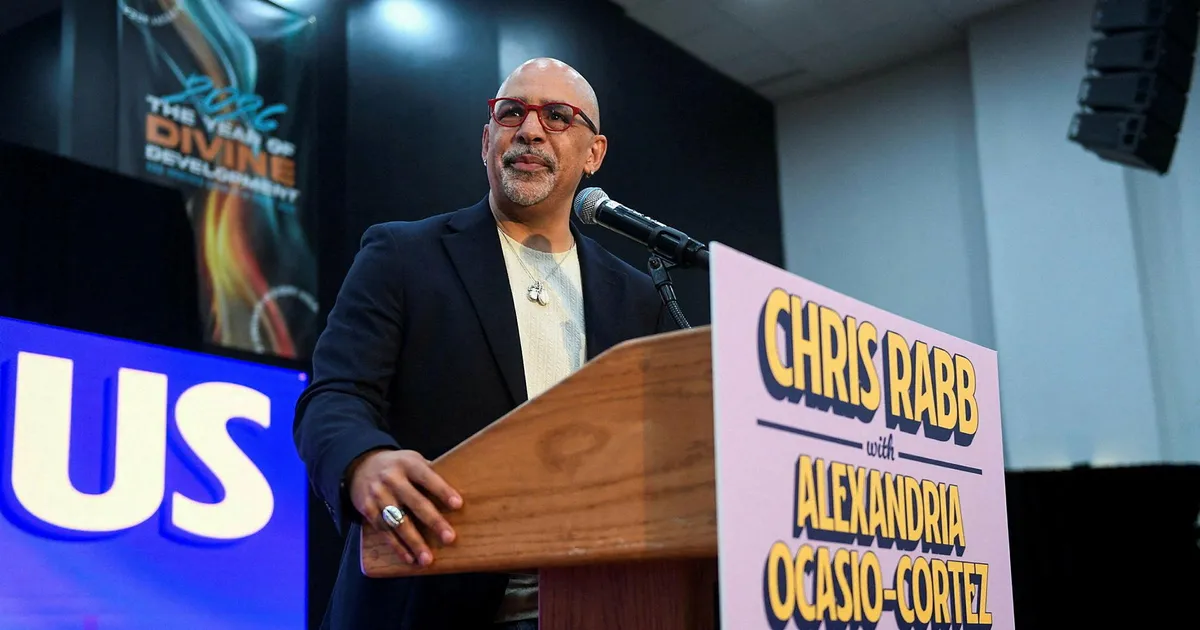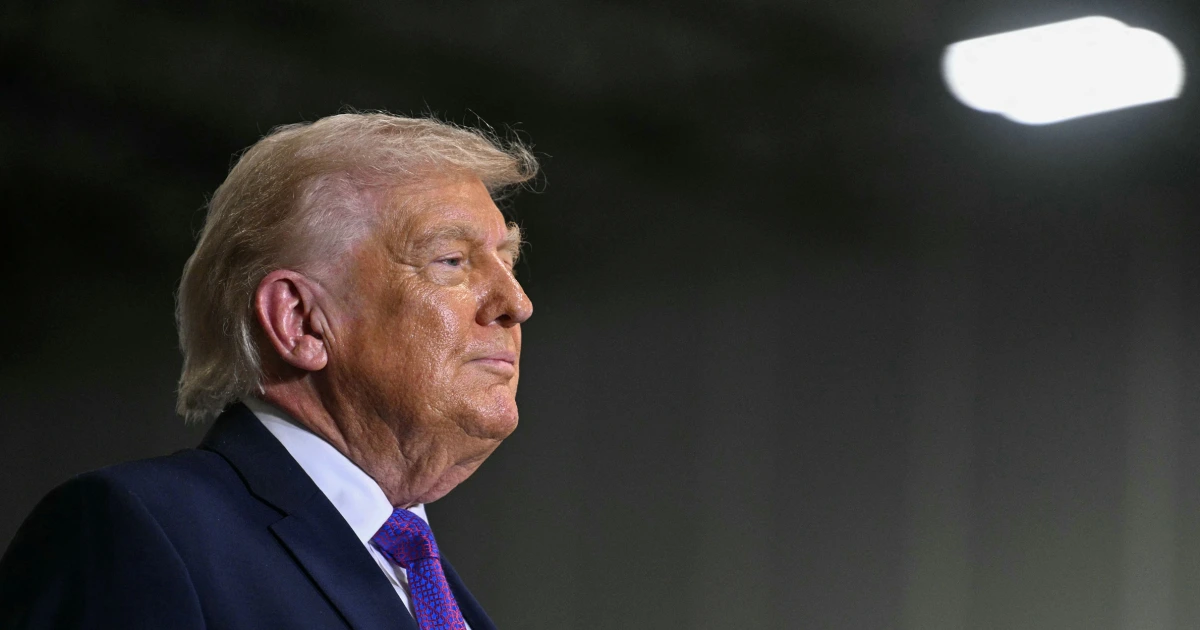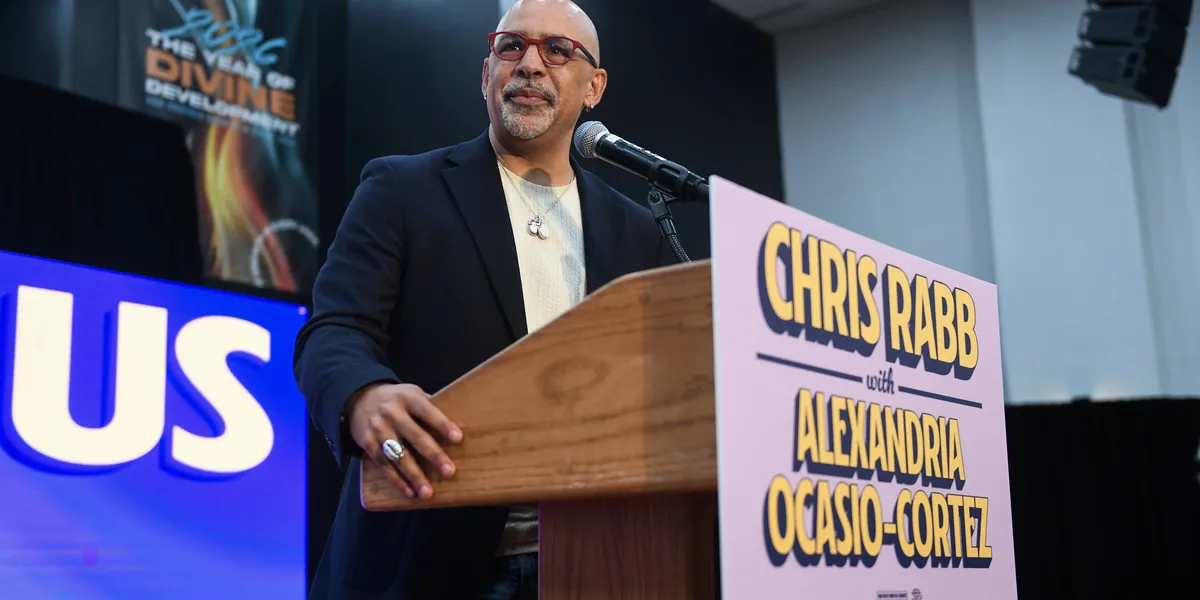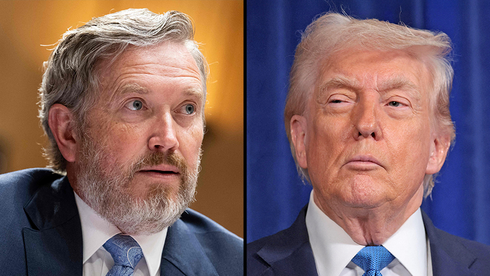
Analysis: primary wins show Trump still controls the GOP base while AIPAC’s election machine keeps translating pro-Israel muscle into real power in Washington, even as anti-Israel voices gain traction in progressive circlesKobi Barda| Related TopicsA major political victory was recorded overnight for AIPAC and U.S. President Donald Trump, once again demonstrating their shared ability to reshape the political map in Washington.Primaries have so far been held in 15 states, and the results point to a clear trend. At the center of the night’s victory was the defeat of Rep. Thomas Massie, who represented Kentucky’s 4th District for 14 years and was considered one of Israel’s fiercest critics in Congress.1 View gallery (Photo: Luke Johnson / GETTY IMAGES NORTH AMERICA / AFP, REUTERS / Jonathan Ernst)Trump had made Massie’s defeat a personal mission. He repeatedly attacked the Kentucky Republican, including calling him a “lowlife,” and backed challenger Ed Gallrein, a former Navy SEAL. Trump’s endorsement, combined with heavy outside spending by pro-Israel and Trump-aligned groups, helped Gallrein turn what began as an uphill campaign into a major primary victory.Trump’s influence was also felt strongly elsewhere in the Republican Party, reinforcing the message that lawmakers who challenge him risk paying a heavy political price. Massie’s defeat follows earlier Trump-backed efforts against Republicans who defied him, including Liz Cheney in Wyoming, Tom Rice in South Carolina and Peter Meijer in Michigan.𝗧𝗥𝗨𝗠𝗣 𝗜𝗦 𝗙𝗨𝗥𝗜𝗢𝗨𝗦 🥵He just attacked Thomas Massie again, branding him a traitor who should be put out.All because Massie refuses blank checks for endless wars and unconditional Israel aid. pic.twitter.com/81QjYBH37U— Parody Jeff (@Parodyjeffx) May 18, 2026 These victories show once again that the Republican Party is now firmly Trump’s party. Even at a time when national polling has shown political vulnerability for the president, his ability to mobilize voters in Republican primaries remains formidable.The other side of this alliance is AIPAC, which continues to prove it is one of the most powerful forces in congressional politics. The pro-Israel lobby has dramatically changed its approach in recent years, moving from behind-the-scenes political approval to direct electoral intervention through political action committees and outside spending.That shift has made AIPAC not only a defender of pro-Israel candidates, but an active force shaping the field. In crowded races, the lobby has learned how to use money, endorsements and tactical pressure to block anti-Israel candidates and elevate candidates it views as reliable supporters of the U.S.-Israel alliance.Voters across America sent a resounding message tonight: they support Democratic and Republican candidates who view a strong U.S.-Israel relationship as an American interest and reject those who focus on attacking that alliance and pro-Israel Americans.AIPAC congratulates U.S.… pic.twitter.com/OacBwglOgE— AIPAC 🇺🇸🇮🇱 (@AIPAC) May 20, 2026 Still, the results were not uniform. In Pennsylvania’s 3rd District, state Rep. Chris Rabb, a progressive candidate backed by left-wing groups, remained a key example of the challenge pro-Israel forces face in deep-blue districts where criticism of Israel has become a central campaign issue. Rabb is the correct spelling of his name.From a geostrategic perspective, the main conclusion from the night is that AIPAC is succeeding in drawing a clear line between the online and media hostility it faces in radical circles, and the reality on the ground.In actual elections, a focused political alliance combining Trump’s command of the Republican base with AIPAC’s aggressive electoral machinery continues to translate influence into hard wins at the ballot box, helping secure pro-Israel representation in Washington.Dr. Kobi Barda is a lecturer at HIT and a senior researcher at the Jewish People Policy InstituteComments
Trump and AIPAC deliver crushing blow to Israel’s enemies in Congress
Analysis: primary wins show Trump still controls the GOP base while AIPAC’s election machine keeps translating pro-Israel muscle into real power in Washington, even as anti-Israel voices gain traction in progressive circles
584 words~3 min read