By Anil OzaMay 20, 2026
General Assignment Reporter
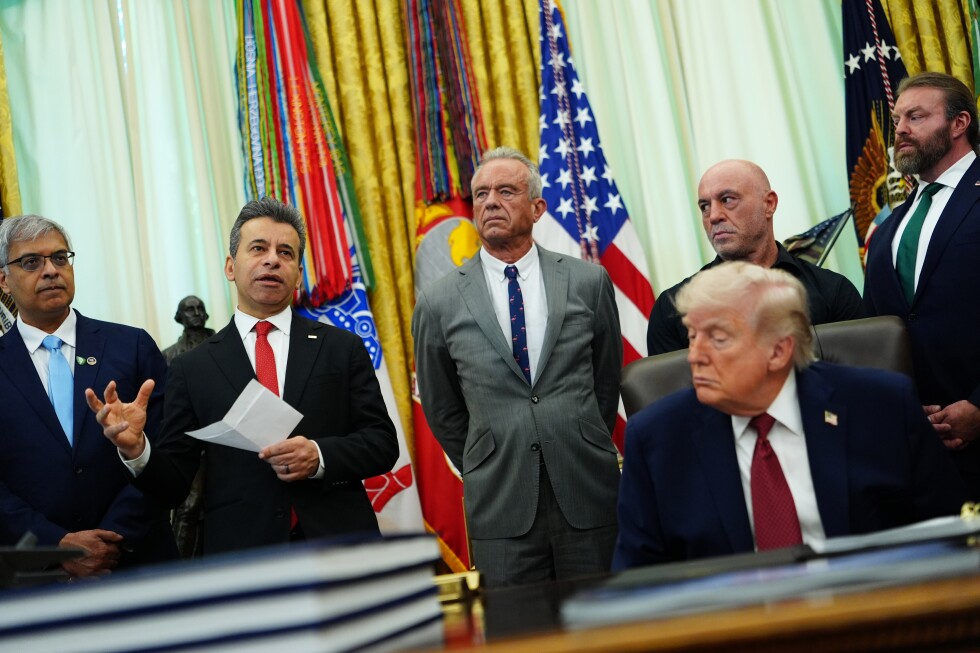
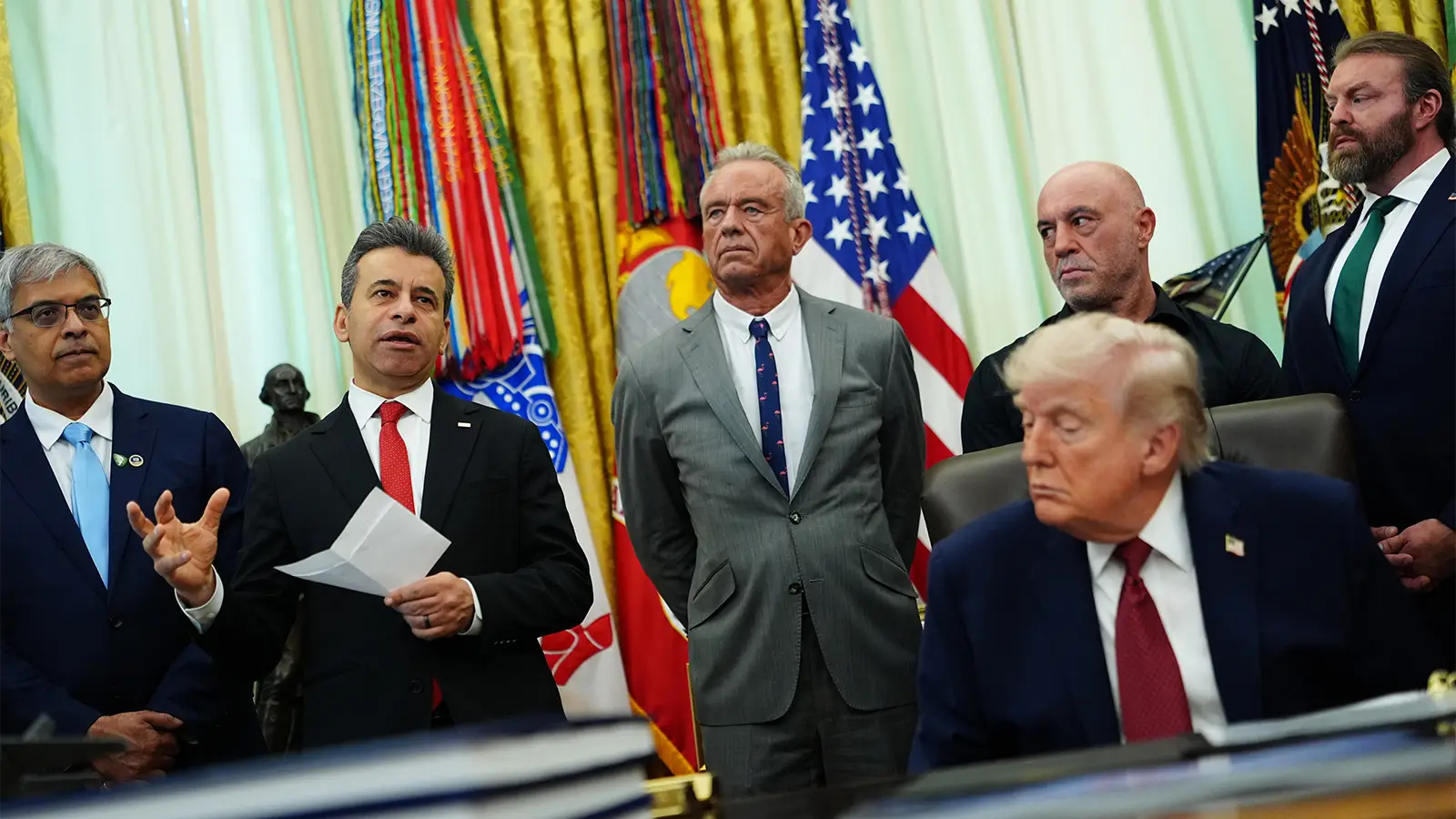
Across the Department of Health and Human Services, top leadership positions are being filled with acting directors. There is no permanent director at the Centers for Disease Control and Prevention or at the Food and Drug Administration. President Trump’s nominee for surgeon general is yet to be confirmed, and HHS’ top spokesperson resigned last week.
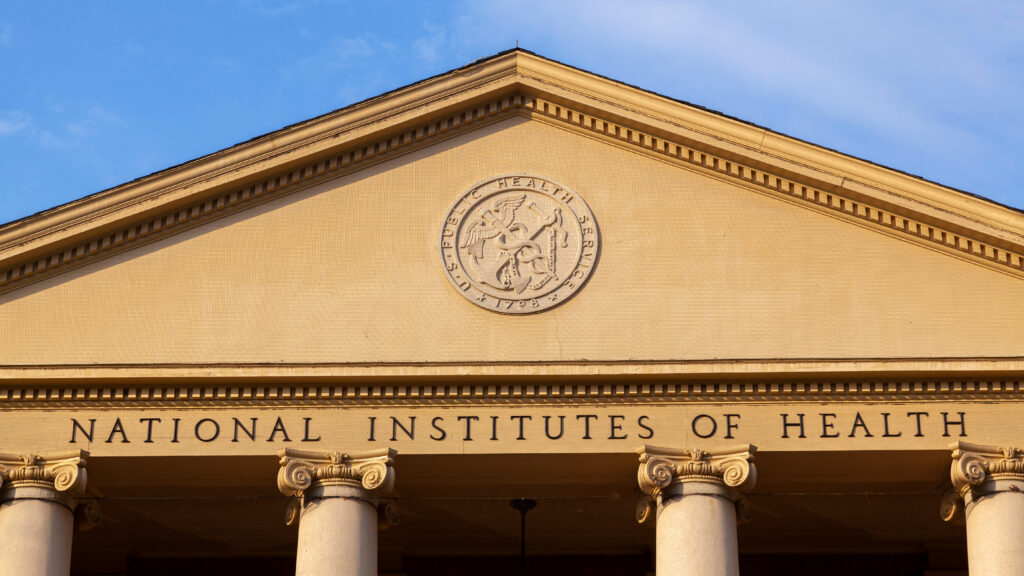
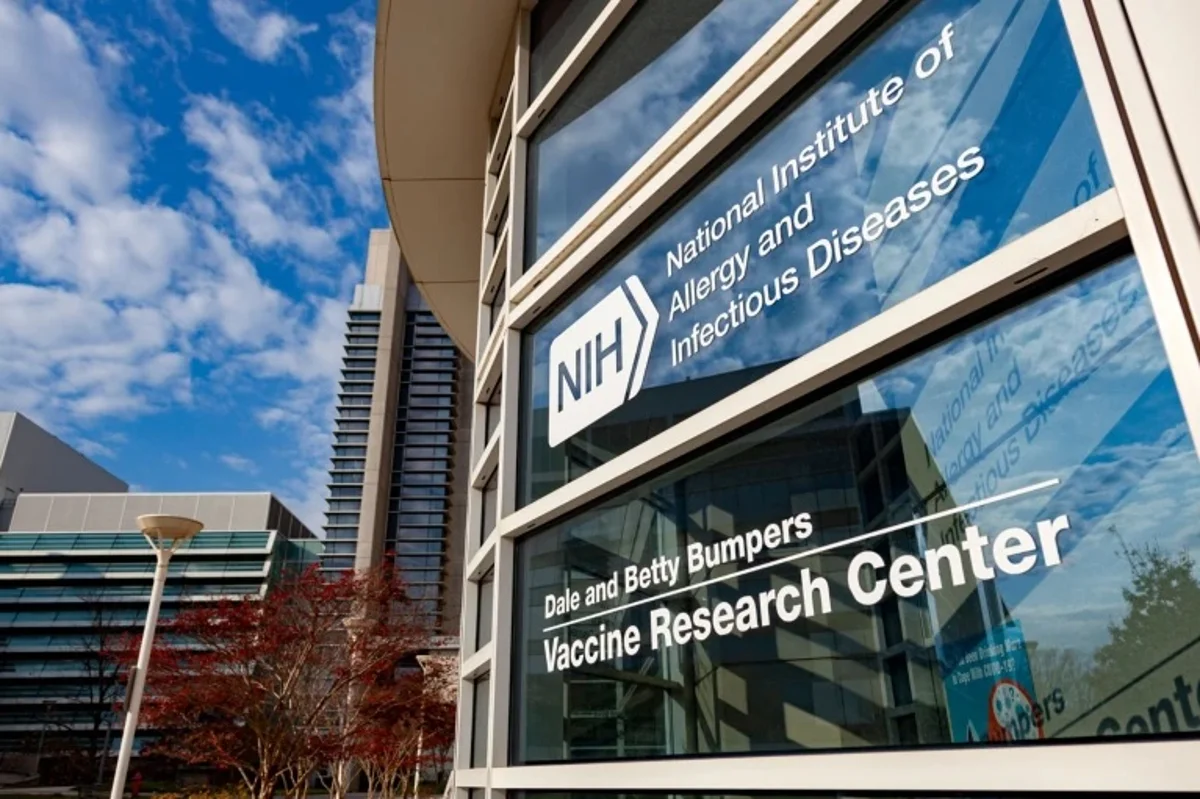
The National Institutes of Health may appear to have more stable leadership, with Director Jay Bhattacharya and his deputies holding their positions. But just below the surface, a leadership vacuum has persisted for months, with 15 of the 27 institutes being led by acting directors. The dearth of permanent leadership at the institutes, which oversee research in a specific topic area, means that the institutes are unable to plan long-term projects, or offer reassurances to a research community that is seeing unprecedented changes in federal funding priorities.
“Strong, permanent leadership across NIH is essential to keeping lifesaving medical research moving forward. Institute directors ensure taxpayer dollars are going to the most important science and the most promising research for American families,” said Erika Sward, executive director of United for Cures, a network of patient advocacy groups. “Having experienced directors in these roles provides the stability needed to ensure progress and avoid delays in developing new treatments and cures that millions of patients and families are counting on.”