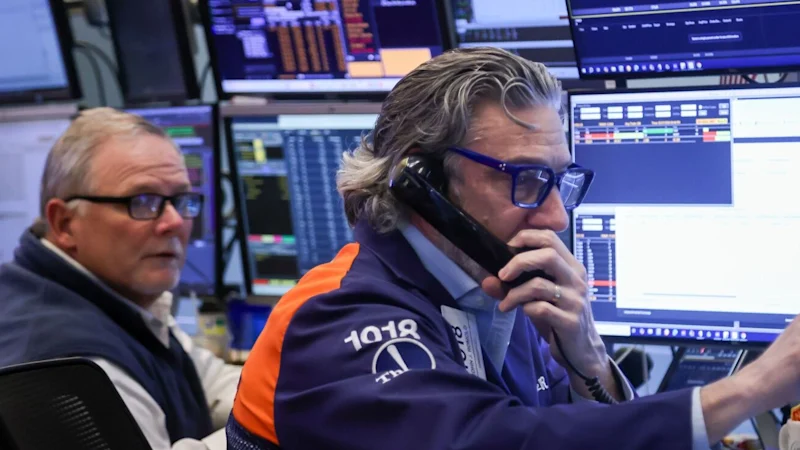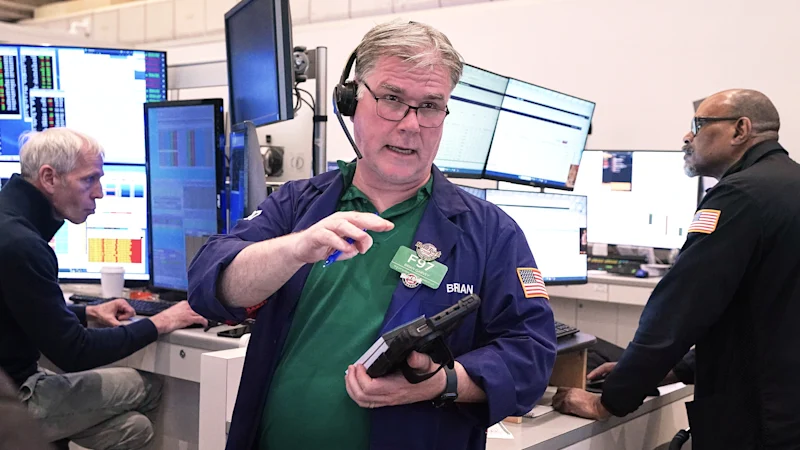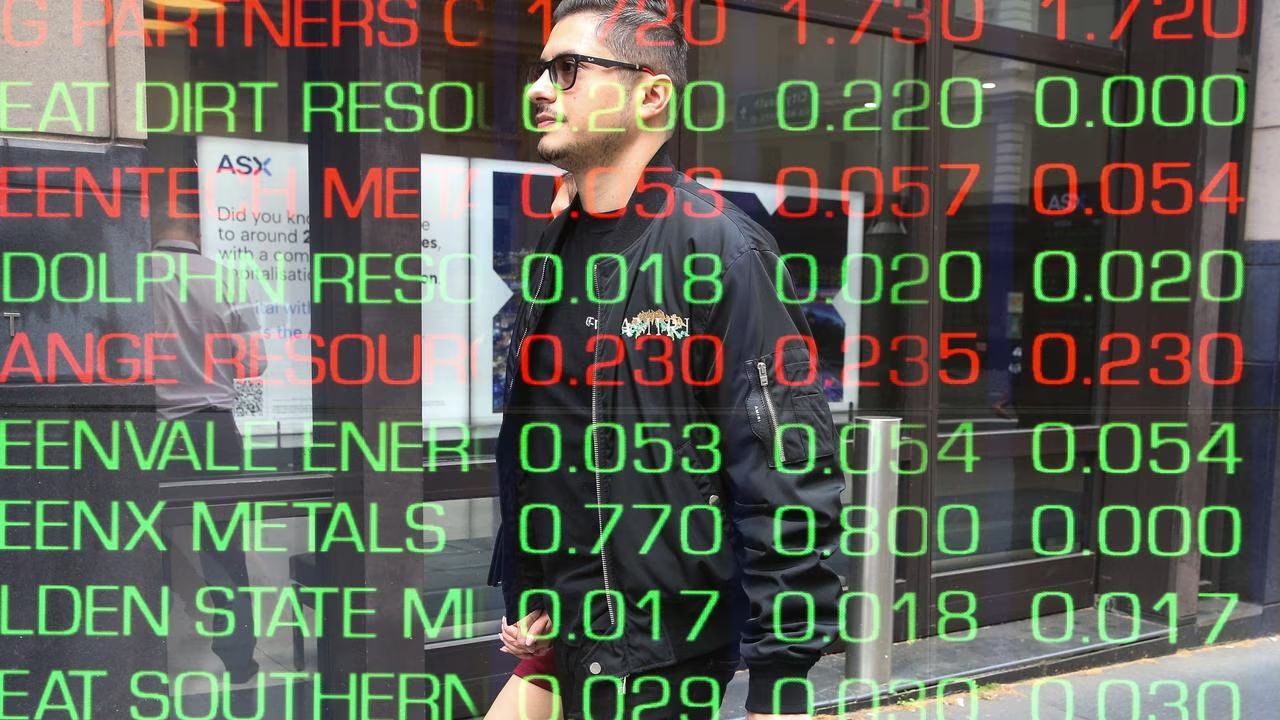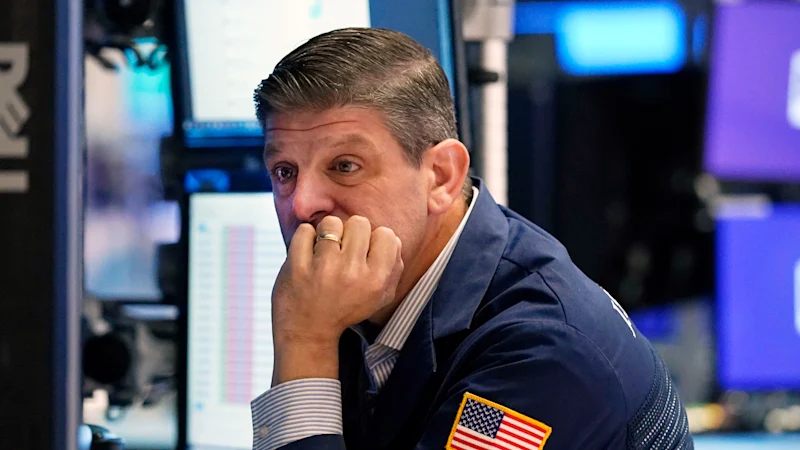
Staff writersUpdated May 20, 2026 — 5:36pm,first published May 20, 2026 — 5:16amThe Australian sharemarket fell back into the red on Wednesday after Wall Street lost more of its record-setting rally as mounting inflation concerns, fuelled by the Iran war, extended a sell-off in bonds and sent their yields to multi-year highs.The S&P/ASX 200 finished down 108.1 points, or 1.3 per cent, at 8496.6, led lower by the mining heavyweights, property stocks and banks. Eight of its 11 industry sectors were in negative territory. The losses took the market to a fresh seven-week low, having just bounced back from one in the previous session. The Australian dollar was trading at US71.04¢ shortly before 5pm AEST.Rising bond yields are impacting economies and financial markets.BloombergEnergy stocks bucked the losing trend and finished flat, while oil prices held lower as traders weighed US President Donald Trump’s latest threat to resume strikes on Iran. Brent traded near $US110 a barrel, after losing 0.7 per cent on Tuesday, while West Texas Intermediate was about $US103. At the White House Congressional Picnic, Trump said the Iran war was going to end “very quickly” and that Iran wanted “to make a deal badly”.Trump’s remarks followed earlier comments that the US “may have to give them another big hit” if Tehran rejected US peace terms, less than a day after he said he had called off an attack. But the president has repeatedly threatened – and then backed off from – military action since a ceasefire was agreed on April 8, leaving traders looking for firmer evidence that fighting will resume. Woodside Energy added 0.7 per cent and Santos stayed flat. Refiner Ampol lost 1.4 per cent, while Viva Energy added 1.3 per cent.“The current environment highlights an increasingly important distinction between what traders are focusing on in the short term, and what investors continue to monitor over the long term,” Ole Hansen, head of commodity strategy at Saxo Bank, said in a note.Mining stocks, meanwhile, retreated, as Iran war uncertainty continued to cast a shadow over the global economic outlook. Iron ore giant BHP, the biggest stock on the ASX, slumped 2.3 per cent. Rio Tinto lost 1.5 per cent and Fortescue shed 1.2 per cent.The rekindled inflation concerns also weighed heavily on the gold miners. Rising inflation can prompt central banks to raise interest rates, which increases the opportunity cost of investing in gold, which doesn’t earn any interest, instead of interest-bearing assets such as bonds. The precious metal extended its losses from the previous session to trade under $US4500 an ounce. Northern Star lost 2.6 per cent, Evolution Mining slumped 4.9 per cent and Newmont fell 4.5 per cent.Online travel giant Webjet tumbled 11.2 per cent after it reported a 20 per cent profit slump and confirmed Virgin Australia had slashed the commissions it pays the online travel agent to cut out the middleman and send consumers directly to its own booking site to maximise sales.The move is compounding headwinds for Webjet, which warned investors that operating conditions would remain “fluid and challenging” amid the war in the Middle East, inflation pressures and low consumer sentiment. Its bigger rival Flight Centre lost 3.6 per cent. Airlines didn’t have a good day either. Virgin Australia shares lost 4.7 per cent and Qantas shed 1.2 per cent amid the threat of military strikes flaring up again.Financial stocks also retreated. Commonwealth Bank was down 0.2 per cent, Westpac lost 2.4 per cent, ANZ Bank retreated 2.1 per cent and National Australia Bank slid 0.7 per cent.Real estate investment trusts declined as rising inflation expectations pushed up global bond yields, making bonds more attractive for investors. Higher yields can also drive up rates for mortgages and loans going to companies to build AI data centres. Data centre and warehouse owner Goodman Group fell 2.1 per cent, Vicinity Centres lost 2 per cent, Stockland shed 1.3 per cent and Charter Hall Group lost 3.3 per cent.Technology stocks were mixed. Technology One was up 7.3 per cent, while larger software makers Xero and WiseTech were down 0.3 per cent and 0.8 per cent respectively. The sector is bracing for the latest results from chip company Nvidia, which will report its latest figures after Wall Street’s closing bell on Wednesday (Thursday AEST). How the chip giant delivers could determine whether technology stocks, and the larger US stock market, can maintain their rally.Consumer stocks extended Tuesday’s gains. Supermarket giant Woolworths led the way with another 0.6 per cent rise after JPMorgan upgraded the stock from neutral to overweight. Rival Coles rose 0.5 per cent.Overnight on Wall Street, the S&P 500 fell 0.7 per cent for its third straight loss since setting its latest all-time high last Thursday. The Dow Jones dropped 0.6 per cent, and the Nasdaq composite sank 0.8 per cent.Akamai Technologies dropped 6.3 per cent for one of Wall Street’s sharper losses after the cybersecurity and cloud computing company said it wanted to raise $US2.6 billion ($3.7 billion) through a convertible note offering.So far, many big US companies have been reporting stronger-than-expected profits for the latest quarter, thanks in part to their customers continuing to spend in the face of high petrol prices and other challenges.In the bond market, Treasury yields climbed further. The yield on the 10-year Treasury rose to 4.65 per cent from 4.61 per cent late on Monday and from less than 4 per cent before the war with Iran began. That’s a notable increase, and it’s part of a worldwide climb that is making stock prices look even more expensive and threatening to slow the economy.From our partners
Miners and banks take ASX to fresh seven-week low; Webjet dives
The Australian sharemarket fell back into the red as inflation concerns extended a sell-off in bonds and sent yields to multi-year highs.
931 words~4 min read