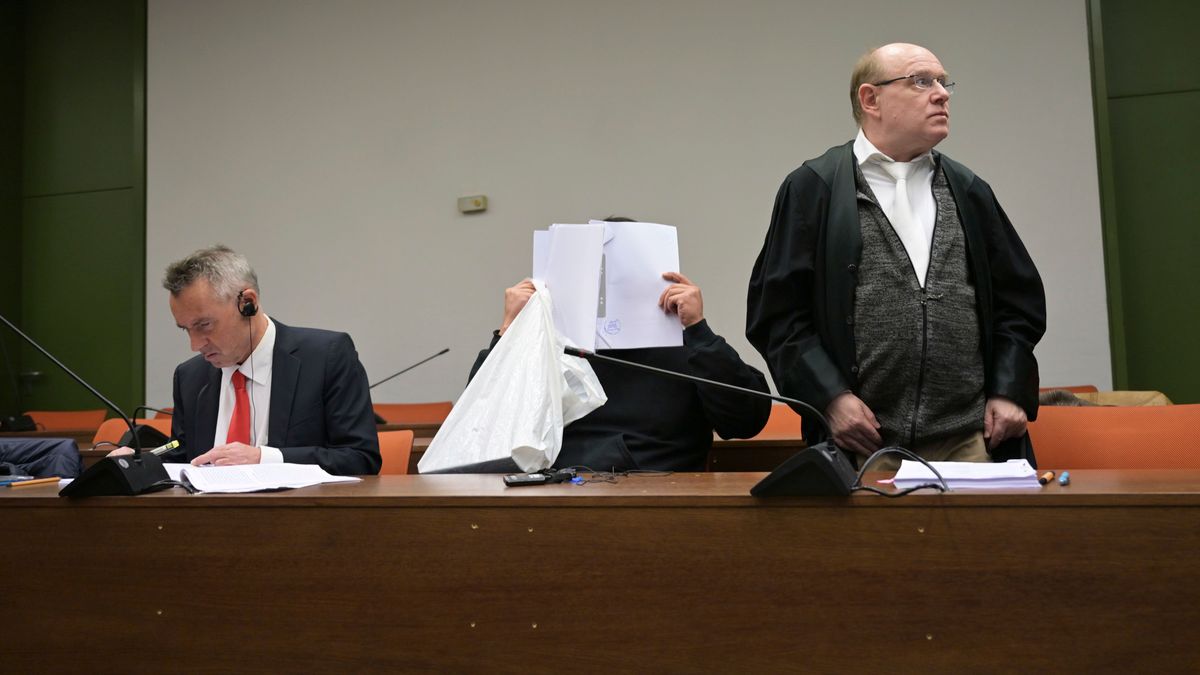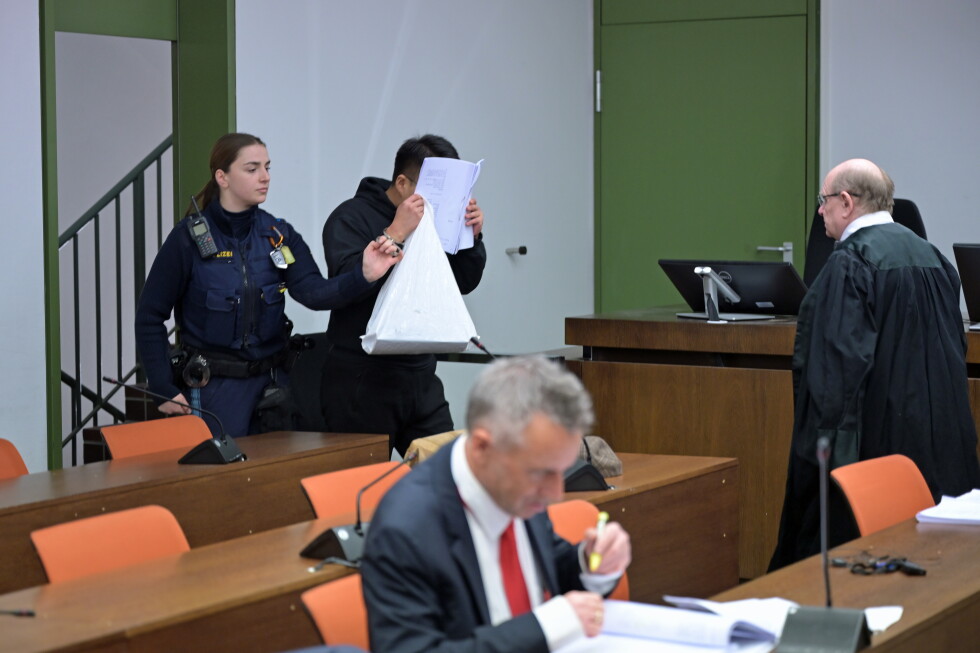
1. German courts have handed down lengthy prison sentences in drug-facilitated rape cases targeting Chinese women, exposing an international criminal network built around encrypted Telegram groups, anesthetic drugs, cross-border shipping, and digital payments [para. 1]. The cases were uncovered through cooperation between German and Chinese police in late 2024, centered on a Telegram group where members used coded language: women were referred to as "cars," sedatives as "fuel," and rape as "driving" [para. 2]. Most victims were Chinese women in Germany, China, or elsewhere in Europe; some were unaware they had been assaulted until police contacted them after finding photos and videos on suspects' devices [para. 3].2. The main defendant, Dapeng Zhang (44), was sentenced in Frankfurt to 14 years in prison for aggravated rape, dangerous bodily harm, attempted murder, and possession of child sexual-abuse material, with preventive detention ordered; he has appealed [para. 5]. Tong Zhou (26) received 5 years and 9 months in Berlin, while Zhongyi Jiang (28) was sentenced to 11 years and 3 months in Munich [para. 6]. A fourth defendant, Zhiting Shao, a medical student accused of giving drug-use advice, is expected to be sentenced in Berlin in June [para. 6]. Judges noted that victims' survival was often a matter of chance due to dangerous doses of sedatives and anesthetics [para. 7]. A German judge commented that the crimes are a global phenomenon, not limited to Chinese or German contexts [para. 8][para. 9].3. The network operated through encrypted chat groups where Zhang, a computer science graduate and former IT worker, became an administrator distributing sedatives and anesthetics [para. 10][para. 11]. Over three years, Zhang committed 12 attacks, escalating from acquaintances to posing as a female renter for apartment viewings, leaving threats and intimate photos [para. 12]. Police arrested him in November 2024 and found sedatives, anesthetics, wigs, and 170,000 image/video files on hard drives [para. 13]. Zhou was convicted of sexually assaulting two women and secretly filming others; police found women's underwear, syringes, sedatives, and up to two terabytes of video at his residence [para. 14]. Jiang's case showed rapid escalation: he joined assault chat groups as early as 2020 and was arrested in December 2024 after assaulting a female neighbor seven times [para. 16].4. The network depended on drugs including triazolam, midazolam, and sevoflurane, which are strictly controlled in China but trafficked across borders [para. 17]. Members used coded terms: "three" or "base" for triazolam, "energy water" for midazolam, and "seven" for sevoflurane, discussing dosing based on victim weight and alcohol tolerance [para. 18]. Chinese cases show similar supply chains involving GHB-laced liquids, midazolam from overseas, and sevoflurane stolen from hospitals [para. 19][para. 20]. Recent trafficking often uses cross-border parcels with drugs disguised as cosmetics or supplements, paid via cryptocurrency or mobile payments, with kits selling for 1,500 to 2,500 yuan [para. 21]. A Telegram channel with over 15,000 subscribers openly advertised sedatives and hidden cameras, routing payments through a WeChat mini-program disguised as betel-nut purchases [para. 22]. Weak logistics checks and advice to delete records after purchase create loopholes [para. 23].5. Victims suffered severe psychological trauma, including sleep disorders, panic attacks, and fear of strangers; some learned of assaults only from police videos [para. 24]. Berlin lawyer Magdalena Gebhard said her client was badly shaken but improved after hospitalization, though still struggling with sleep and distrust [para. 25]. Court personnel were shocked by the contempt shown in chat logs and videos, with interpreters withdrawing from one trial [para. 26]. Investigators noted that online groups create a "group dynamic" that affirms offenders' fantasies and weakens awareness of wrongdoing [para. 27]. Beijing lawyer Tang Jianbin explained that demand drives the spread of these crimes across borders [para. 28].AI generated, for reference only
German Rape Cases Expose Cross-Border Drugging Network Targeting Chinese Women
Courts say Telegram groups, anesthetics and parcel shipments helped turn sexual violence into an organized pipeline
617 words~3 min read