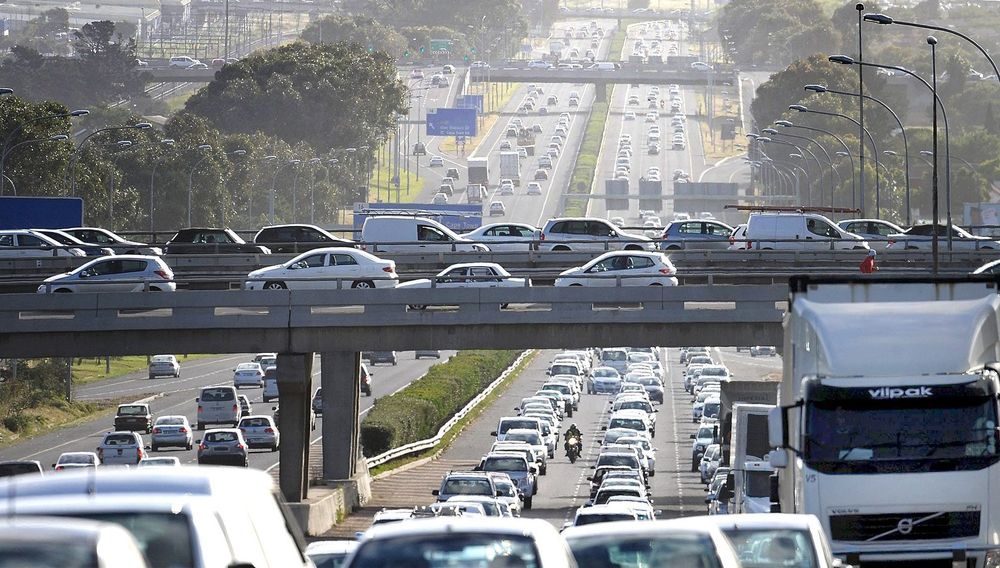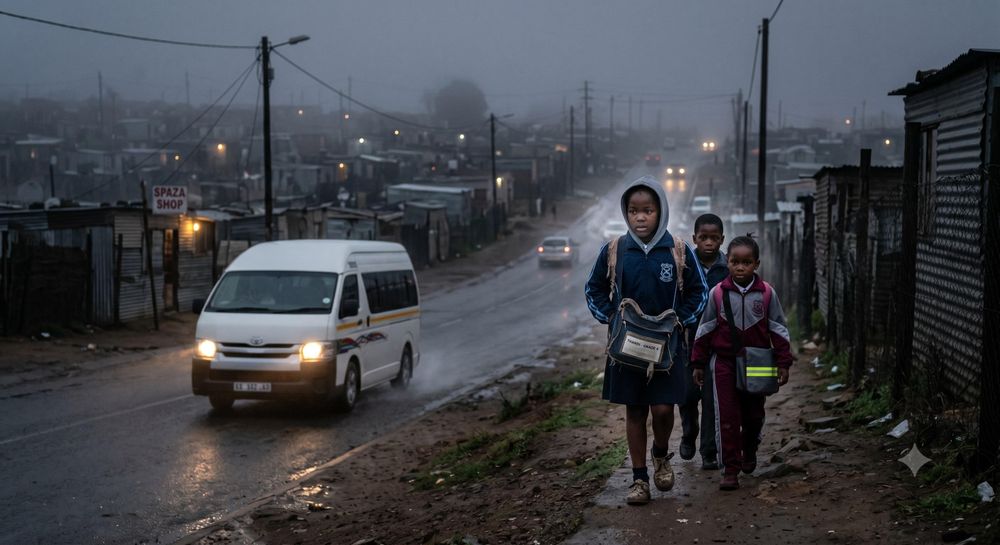
Thousands of children, the trek to school begins in the grey pre-dawn light. This is a time when visibility is at its lowest and road risks are at their peak.
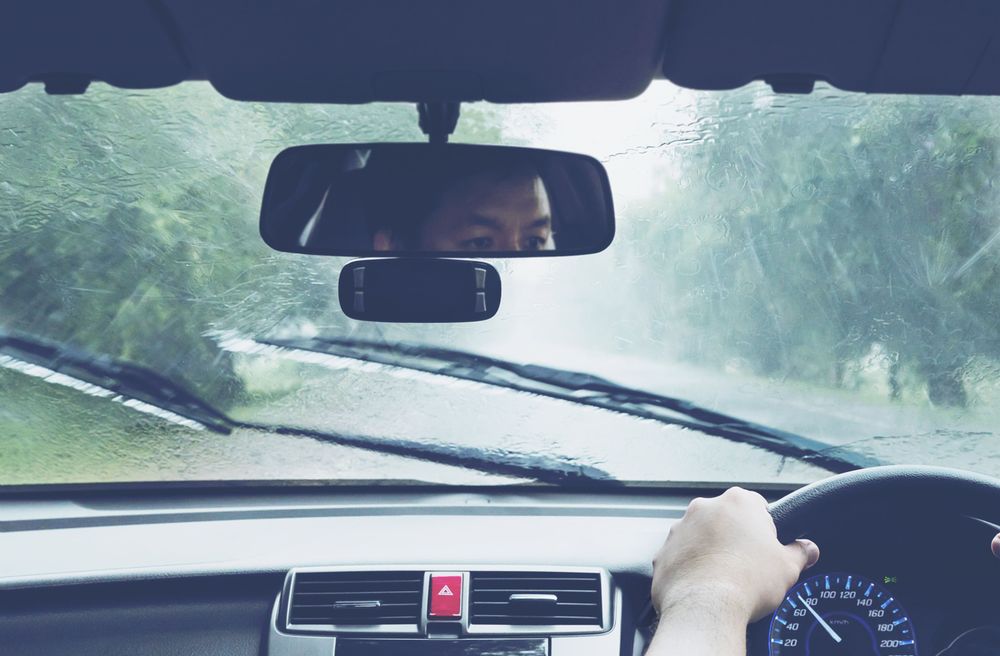
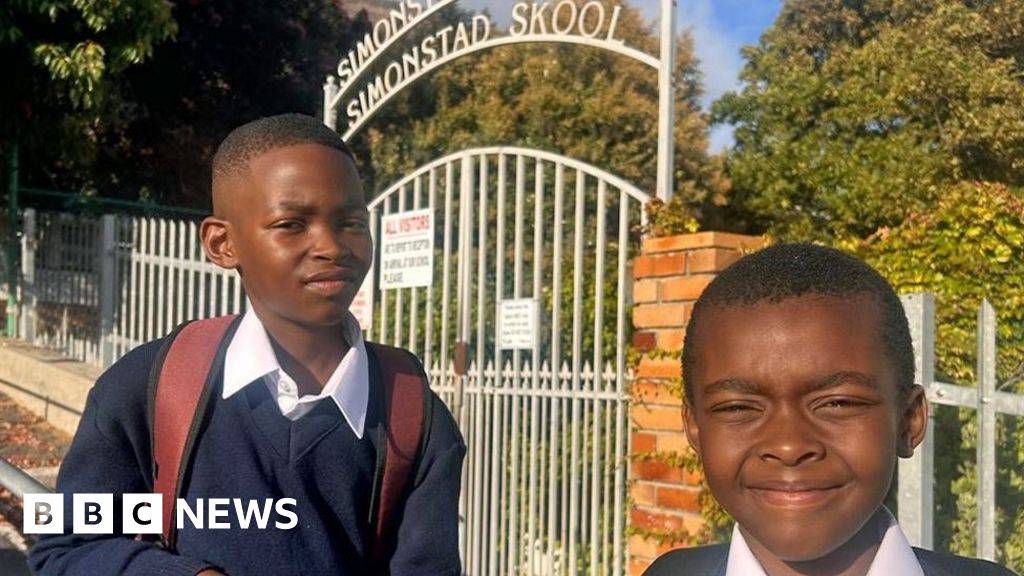
As the South African winter settles in, bringing with it biting cold and late rising suns, a quieter and more lethal shadow looms over our townships and suburbs. For thousands of children, the trek to school begins in the grey pre-dawn light. This is a time when visibility is at its lowest and road risks are at their peak.
According to South Africa’s latest General Household Survey (2024) released by Statistics South Africa, approximately 63.9% of learners in the country walk to school every day, nearly two-thirds of all school-going children. For these learners, particularly in lower-income communities, the school commute remains high risk. Winter conditions such as mist, rain, wet roads and reduced daylight only increase these dangers.
To solve this crisis, we must first understand that children are physiologically and psychologically ill-equipped for our current traffic environments. They are not simply "small adults." They are more vulnerable in road environments because they struggle to judge speed and distance accurately and are less physically protected in the event of a collision. A speed that might result in a manageable injury for an adult can be catastrophic for a ten-year-old.