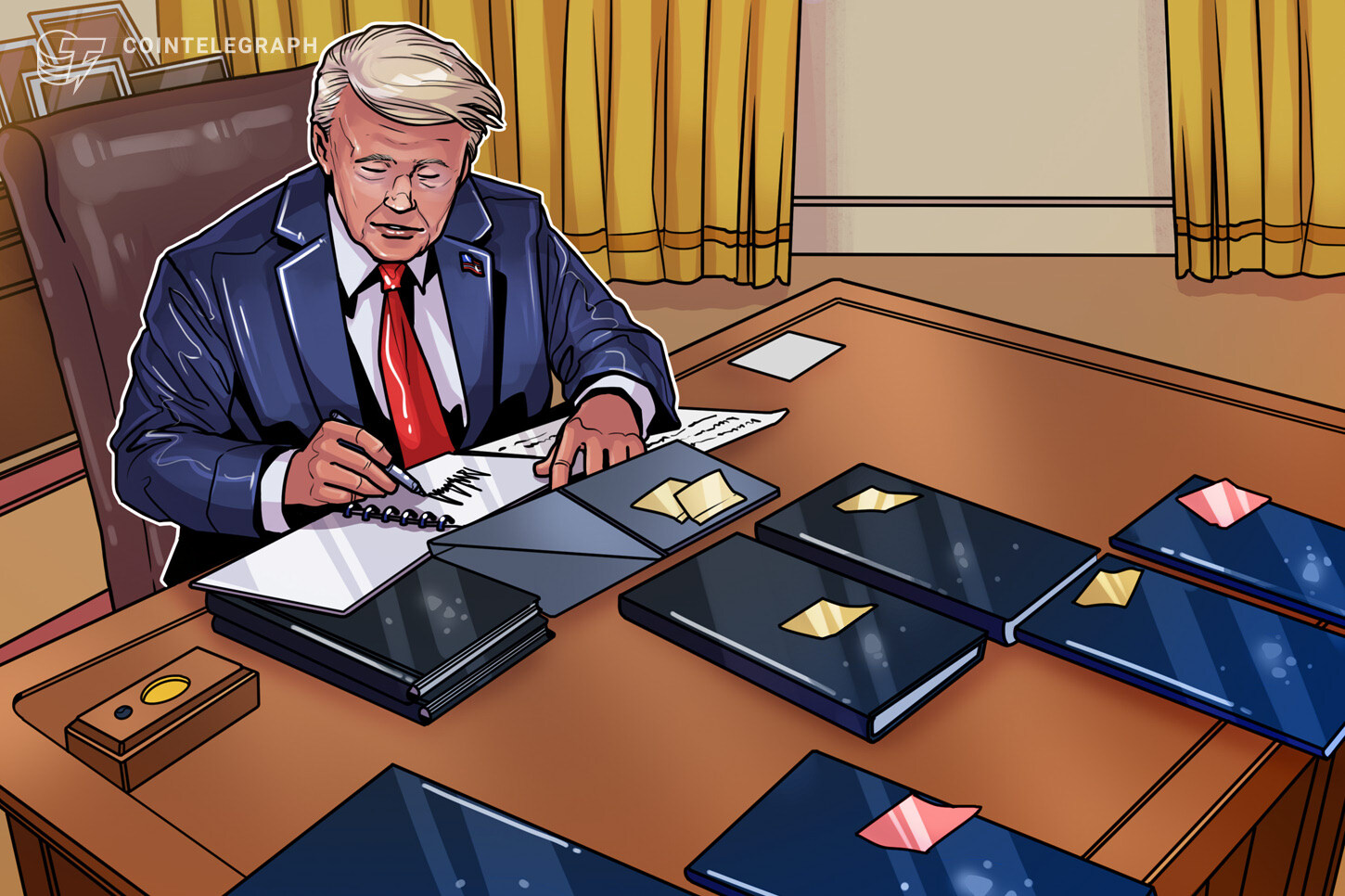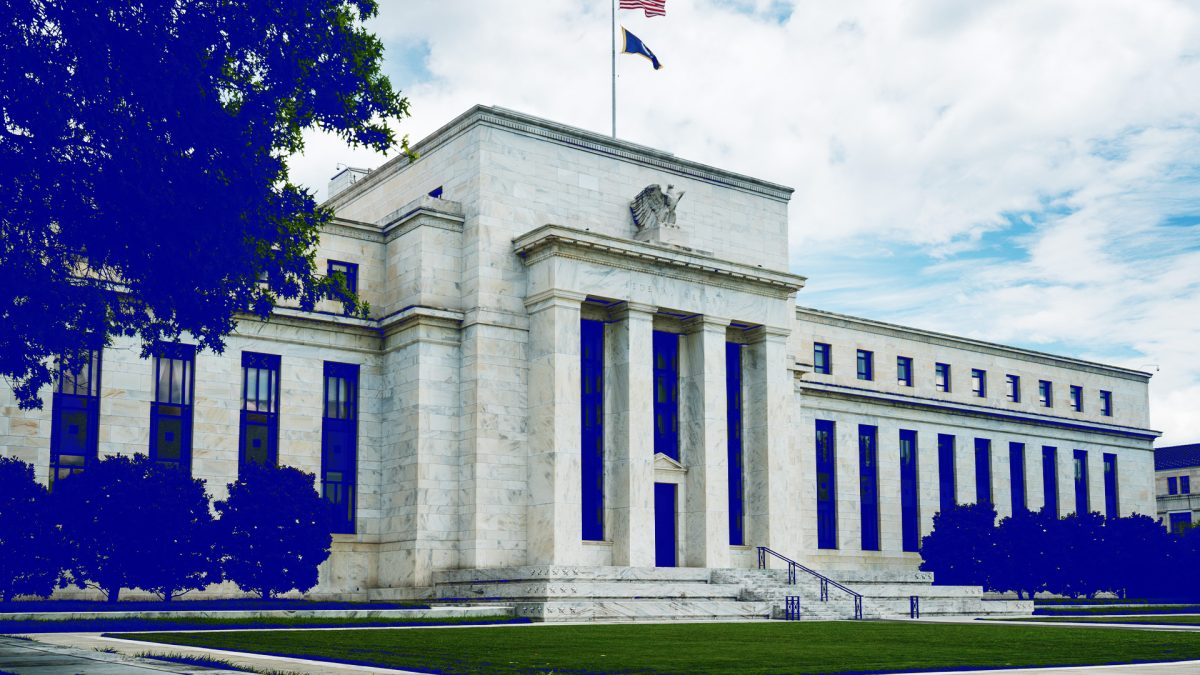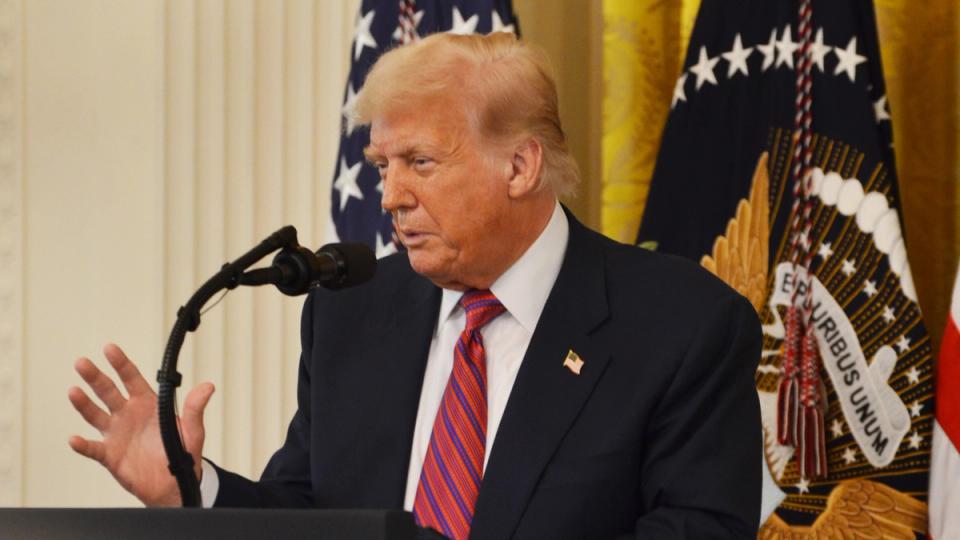
Donald Trump's executive order asks the Fed to review how depository institutions may be granted access to payment services, an area the crypto industry is deeply involved with.Updated May 20, 2026, 12:21 a.m. Published May 19, 2026, 10:54 p.m. 2 min readMake preferred on U.S. President Donald Trump ordered the federal government to update its regulatory frameworks to integrate "digital assets and innovative technology into traditional financial services and payment systems" in an executive order signed Tuesday.According to the document, the U.S. should foster financial technology services into its existing payment and financial services rails. "It is therefore the policy of the United States to streamline regulatory processes, reduce unnecessary barriers to entry, and encourage collaboration between fintech firms, federally regulated financial institutions, and Federal financial regulators," the order said. The order directed the heads of financial regulators to review their existing rules over the next three months and identify any rules or documents "that unduly impede fintech firms from entering into partnerships with federally regulated institutions."Within six months, Trump directed regulators to "take steps to encourage innovation as a result of the review." These steps include asking the Federal Reserve Board of Governors to review how it allows uninsured depository institutions and non-bank financial firms access to payment accounts and services. This review also asks the 12 Federal Reserve banks if they can act independently of the board to grant payment accounts. This provision may specifically benefit Wyoming special purpose depository institutions and entities operating under a similar framework. The Federal Reserve Bank of Kansas already granted Kraken, a Wyoming SPDI, access to a limited version of its so-called master account earlier this year. Other companies have sought similar access. The Federal Reserve is working on developing a more formal "skinny" master account, publishing a proposal last December to enable access for some firms. This is the second executive order Trump signed Tuesday. Another one directs the Treasury Department and financial regulators to figure out how to strengthen the Bank Secrecy Act to block undocumented immigrants from having access to bank accounts or payment services. This order directs the Treasury Department to consider "the strategic use of unregistered money services businesses, third-party payment processors, or peer-to-peer platforms to facilitate 'off-the-books' wage payments intended to bypass Bank Secrecy Act reporting thresholds or tax obligations," among other platforms.In a statement, Rebecca Romero Rainey, the CEO and president of the Independent Community Bankers of America, a banking trade association, said there were still "significant gaps in regulation" between banks and non-bank entities, and said that like activities should be subject to like regulation. "Federal Reserve officials conducting their review of access to Reserve Bank payment accounts must recognize that the Reserve Banks retain discretion under federal law to deny or grant master account access to special-purpose depository institutions, stablecoin issuers and other crypto-related entities," she said in a statement. "As ICBA laid out in a recent issue brief, policymakers should pause new policies on stablecoins, Federal Reserve master accounts, and OCC national trust charters and holistically assess their combined impact on local communities and the broader economy."UPDATE (May 20, 2026, 00:16 UTC): Adds ICBA statement.More For YouThe Senate Banking Committee's top Democrat sent a letter to the Office of the Comptroller of the Currency questioning the charters of nine crypto firms.What to know: U.S. Senator Elizabeth Warren wrote a letter to the head of the Office of the Comptroller of the Currency questioning his agency's approval of crypto firm charters to act as trust banks. She argued the OCC is letting the firms act like full-fledged banks but allowing them to have narrow...Read full story
Trump orders government, Fed to review crypto firms' access to payment rails
Donald Trump's executive order asks the Fed to review how depository institutions may be granted access to payment services, an area the crypto industry is deeply involved with.
603 words~3 min read