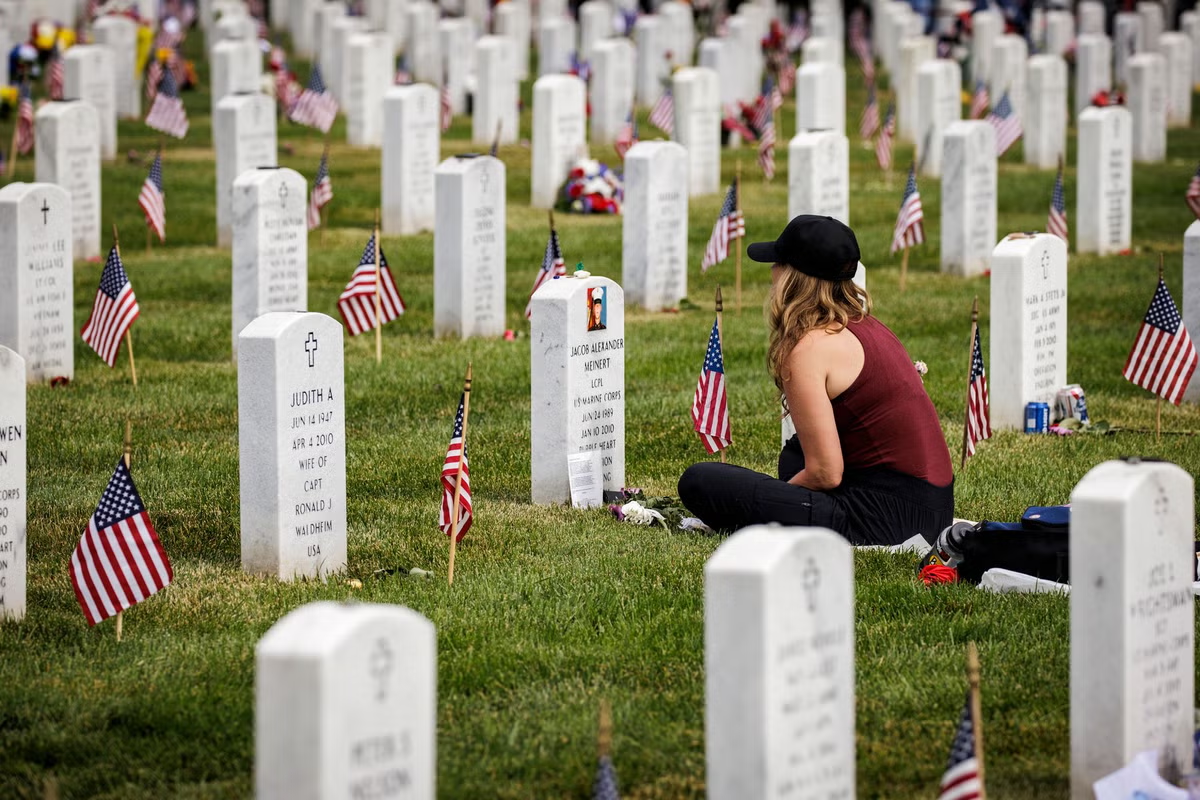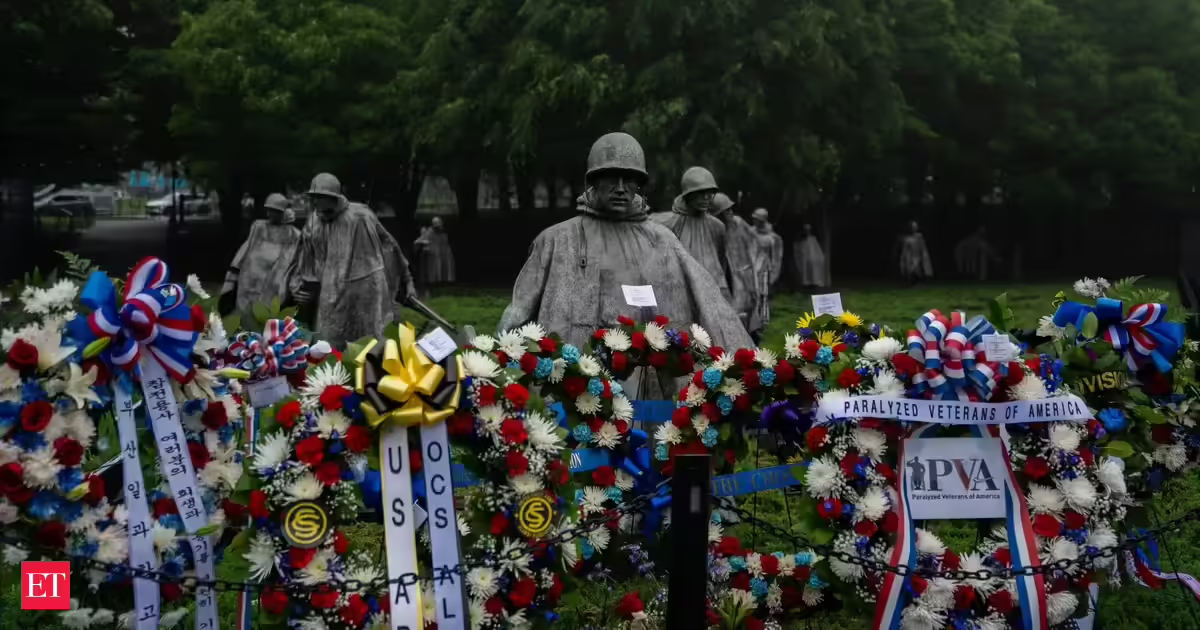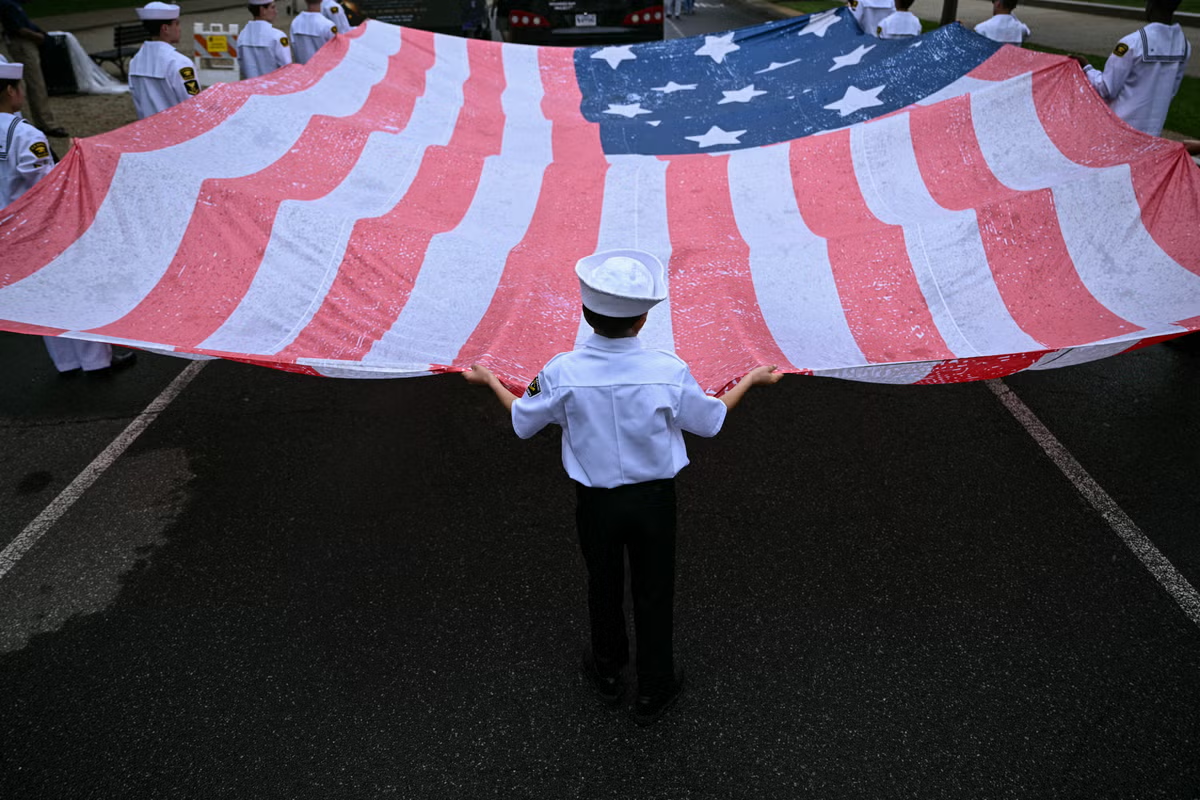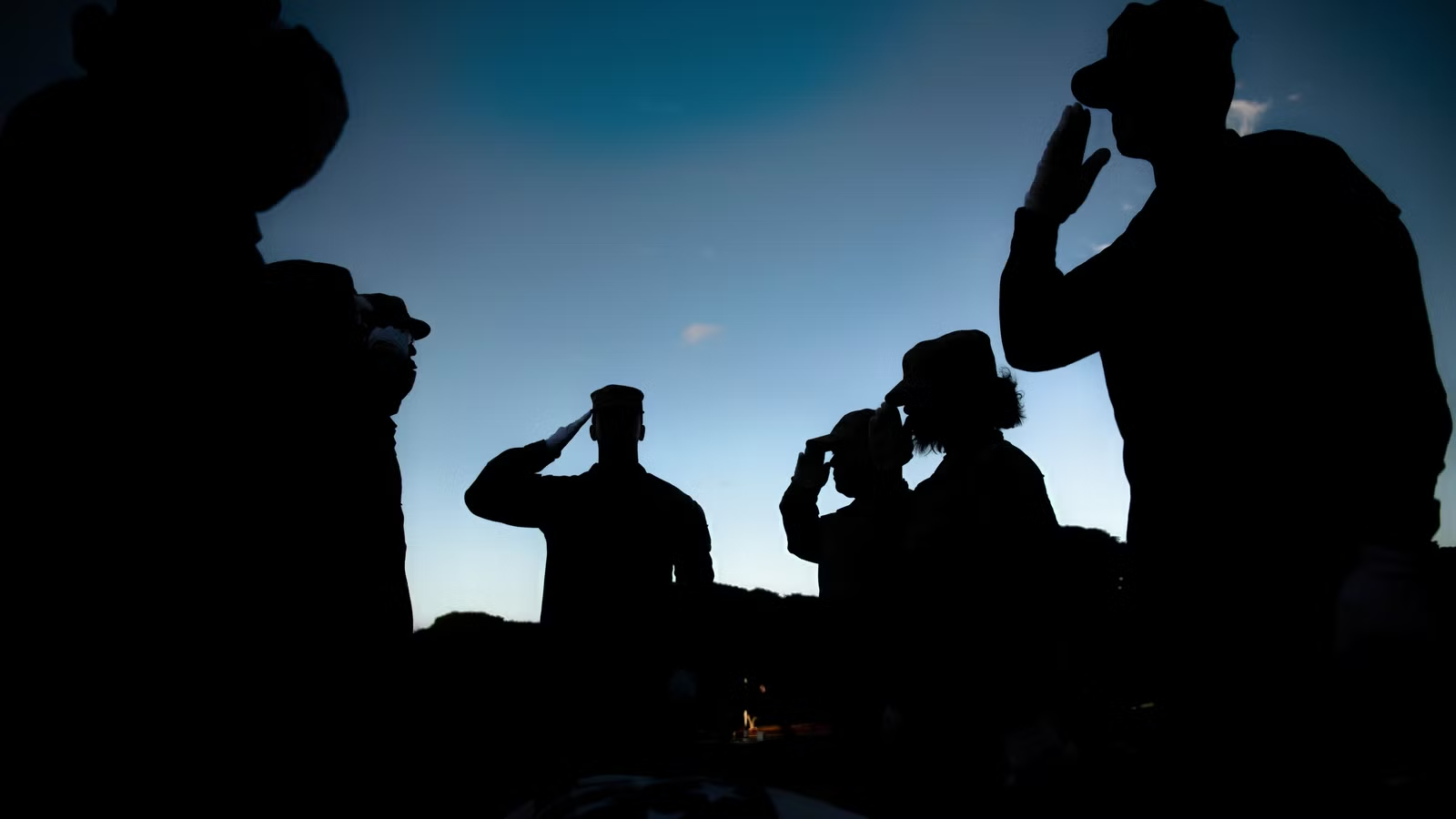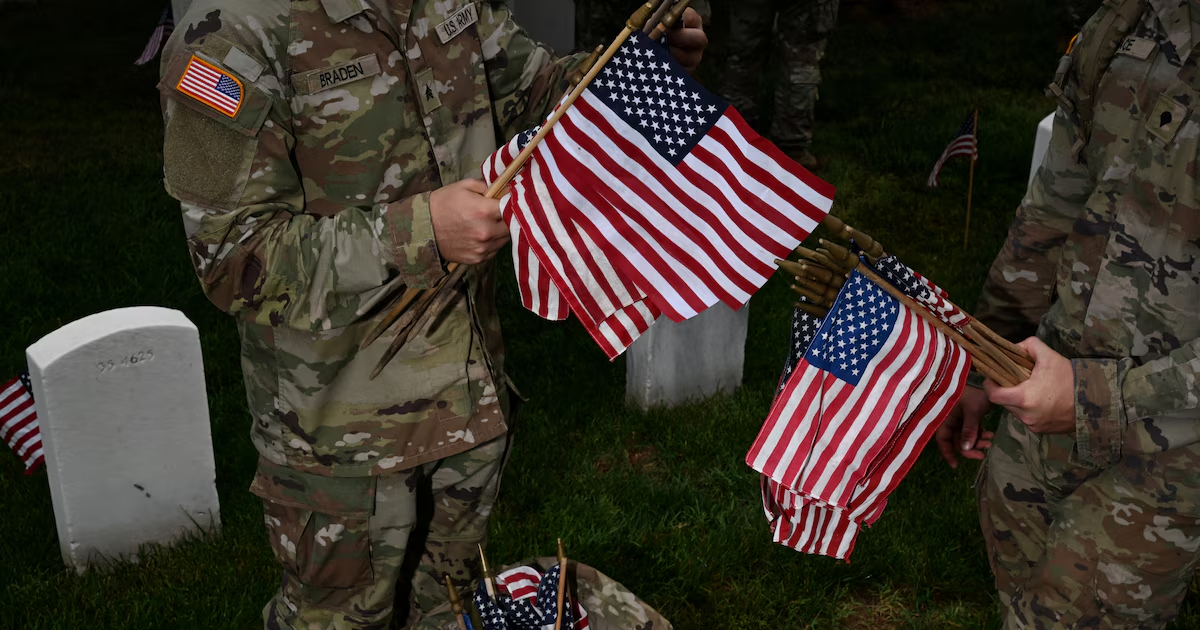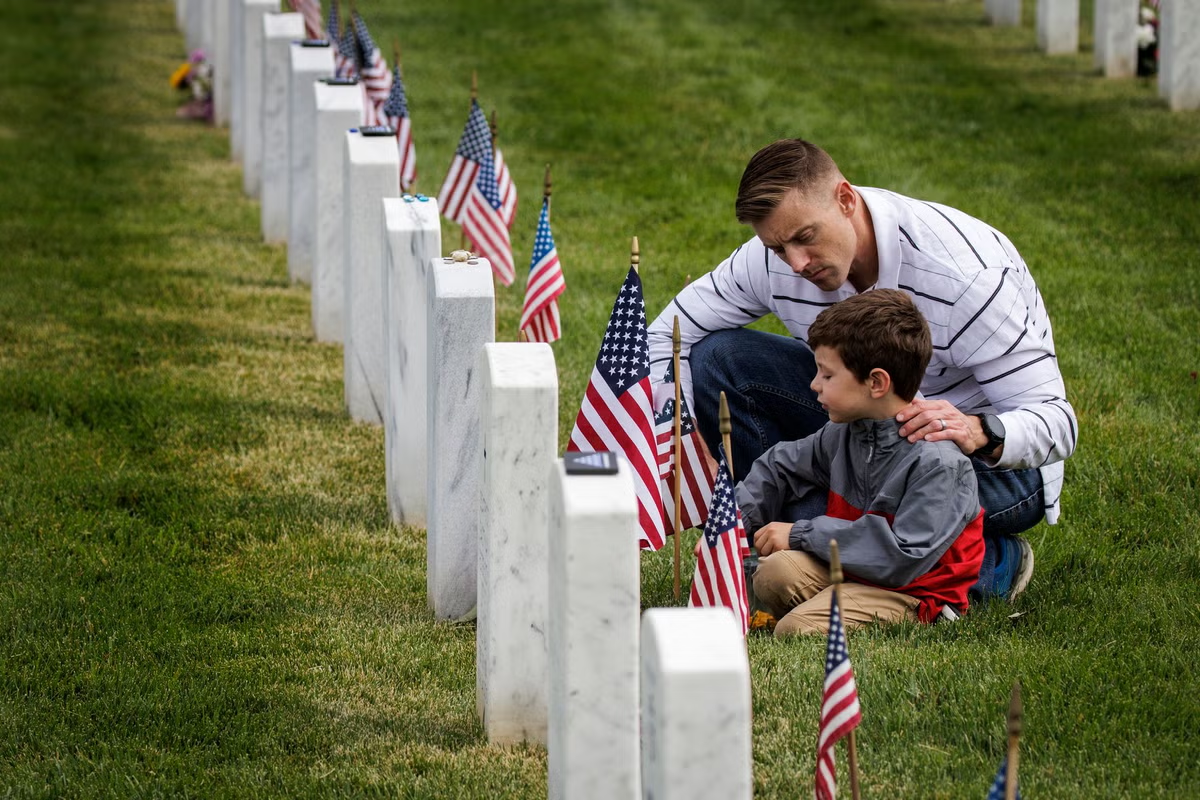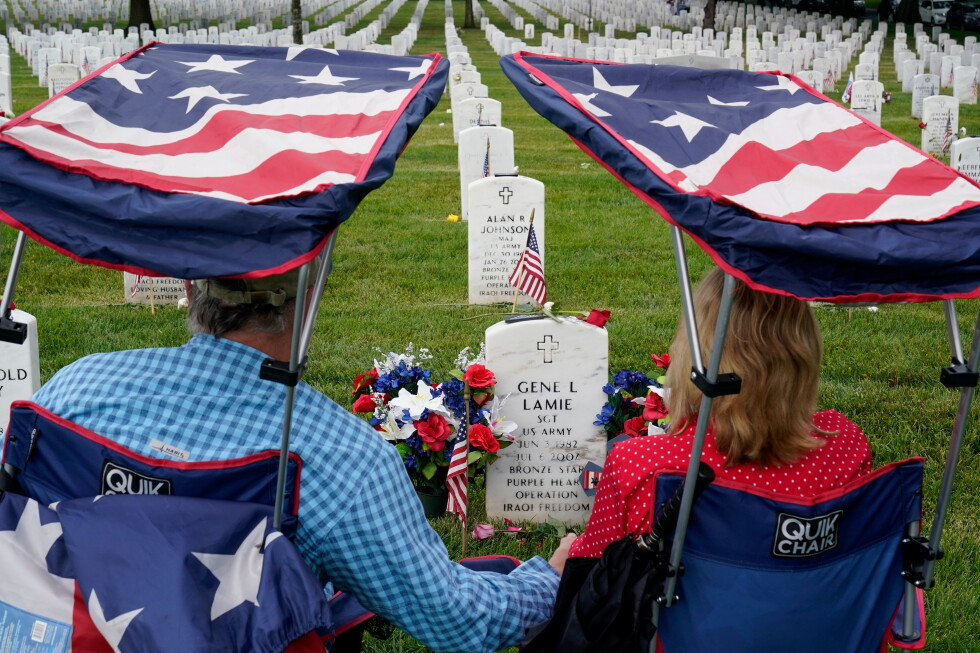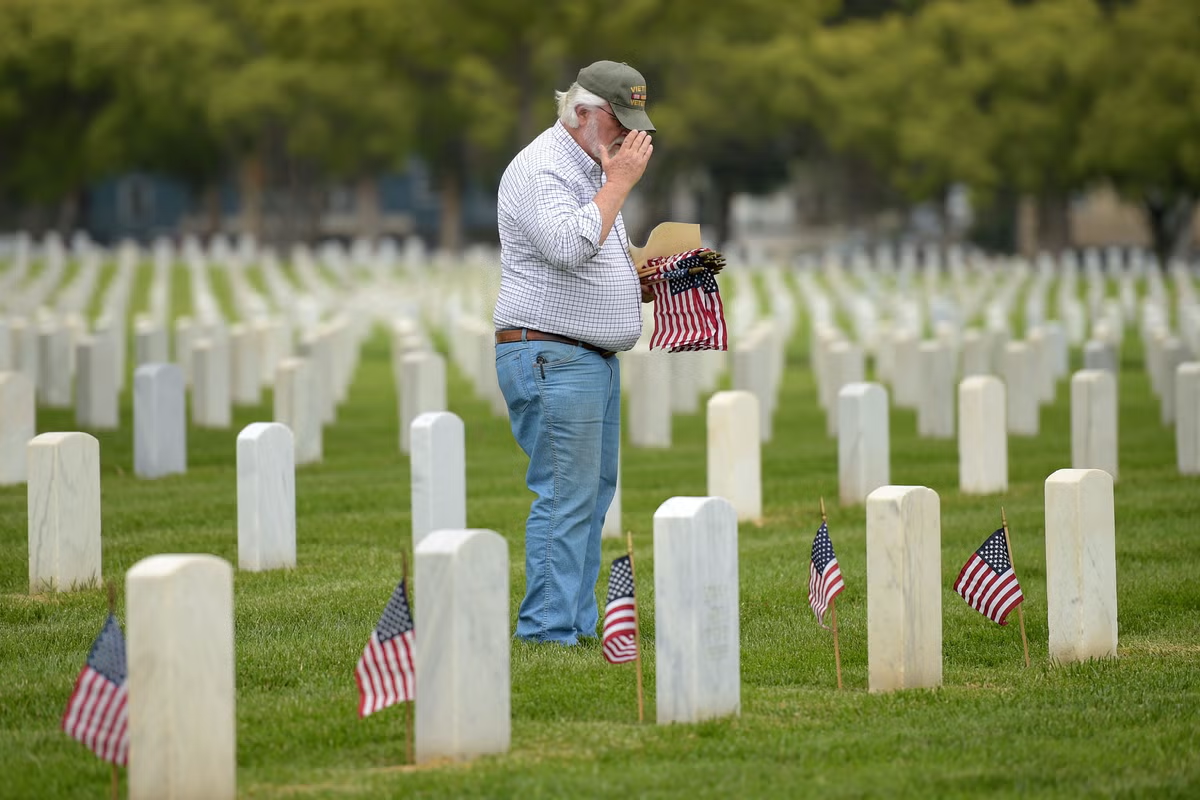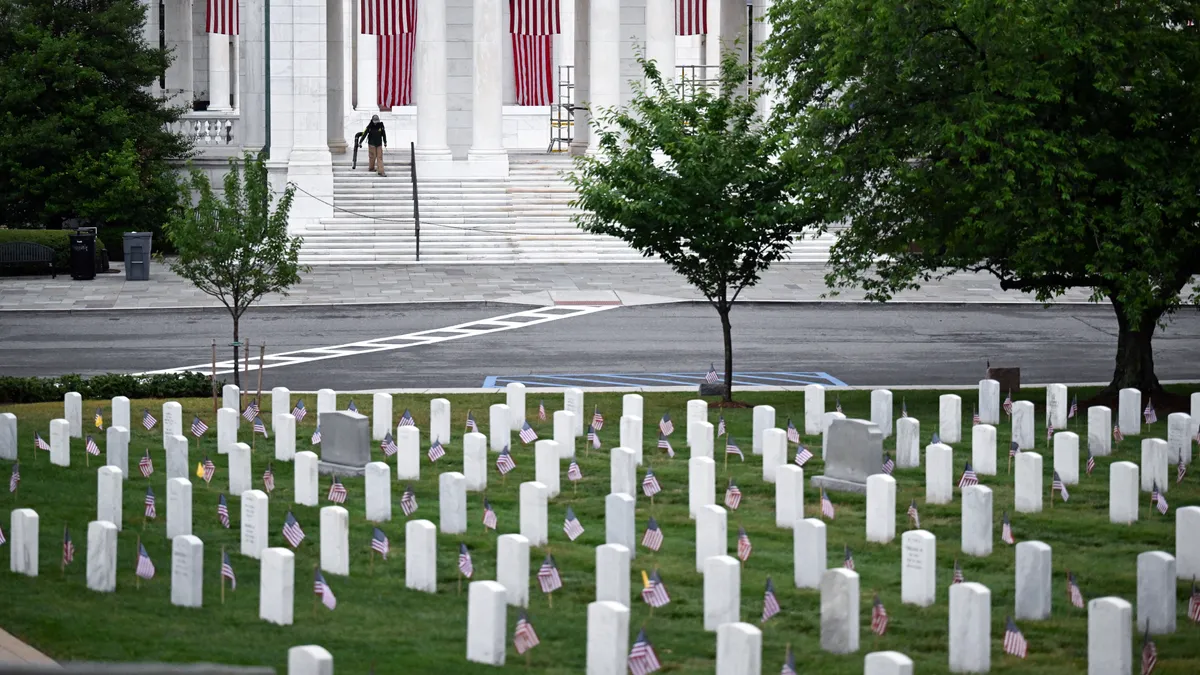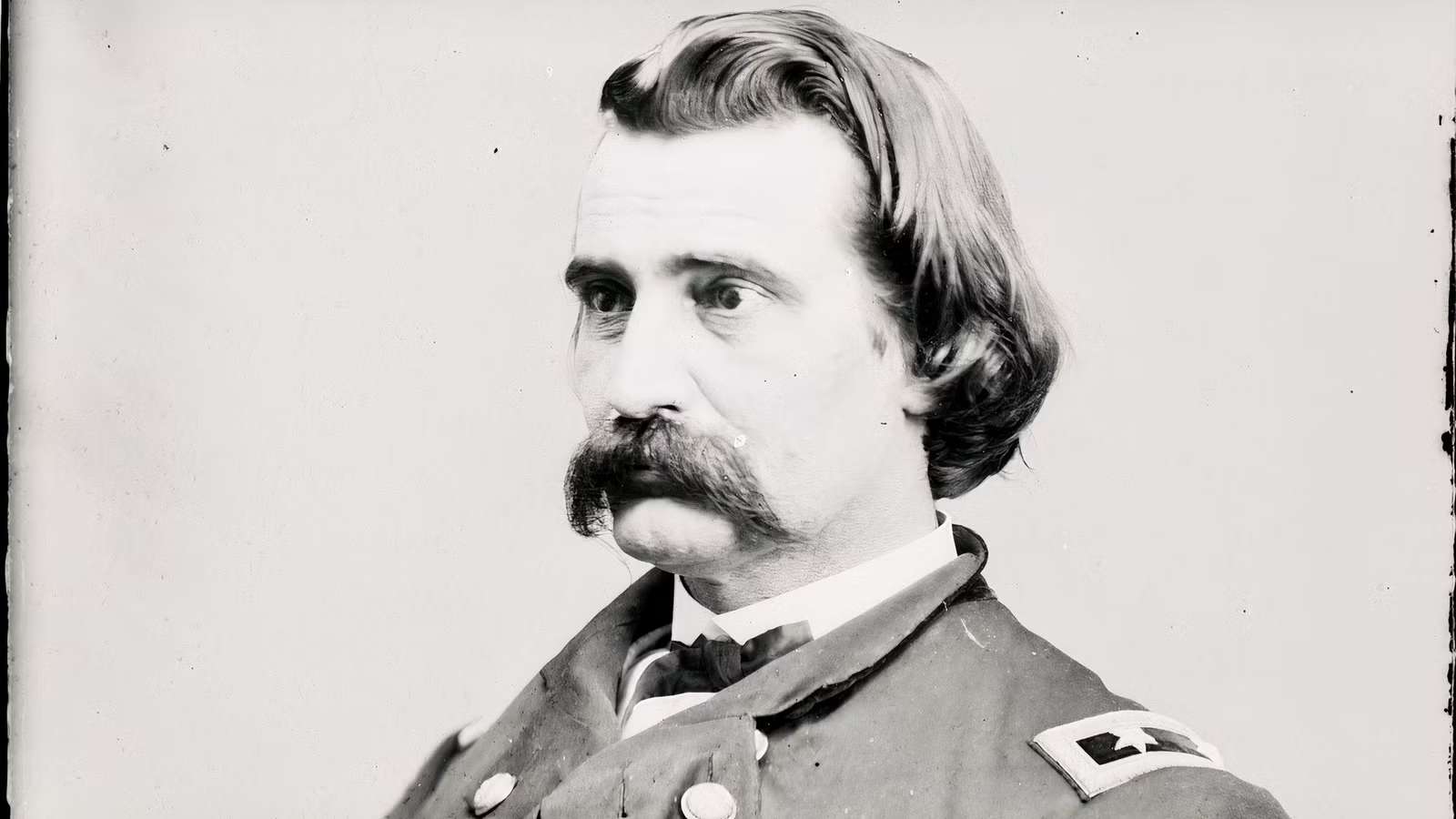
Memorial Day is a federal holiday observed on the last Monday in May to honor Americans who died in military service. It began as Decoration Day, a post-Civil War tradition of placing flowers on soldiers' graves. The man who formalized that tradition into a national observance was Maj. Gen. John A. Logan, a Union commander who fought in eight major campaigns, took over an army on the battlefield after its general was killed and went from defending slavery in Congress to voting for the Constitutional amendments that ended it. He left the war as one of the Union's most successful generals, but the professional military establishment that passed him over during the conflict largely wrote him out of the history that followed.
A Pro-Slavery Democrat From Illinois
John Alexander Logan was born on Feb. 9, 1826, in what is now Murphysboro, in the pro-slavery region of southern Illinois known as "Little Egypt." His father, Dr. John Logan, was a physician, farmer and three-term member of the Illinois General Assembly. Many members of the community, including Logan's father, were Jacksonian Democrats, which influenced his early views on slavery. Logan later attended Shiloh College, then served briefly in the Mexican-American War without engaging in combat. After the war, he earned a law degree from the University of Louisville in 1851.