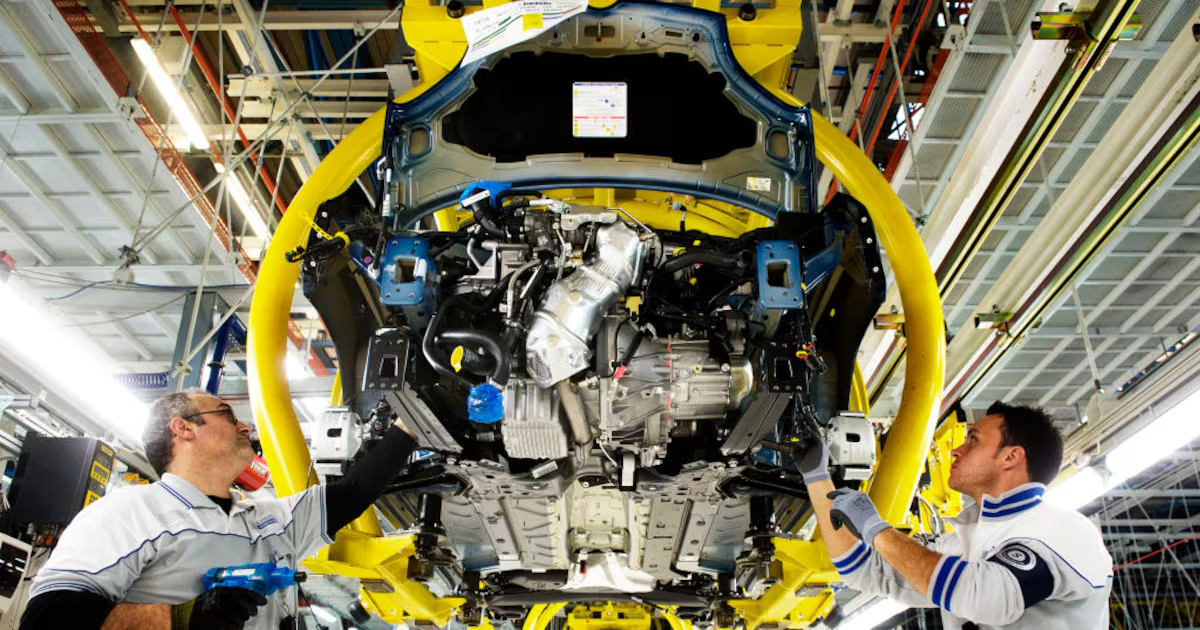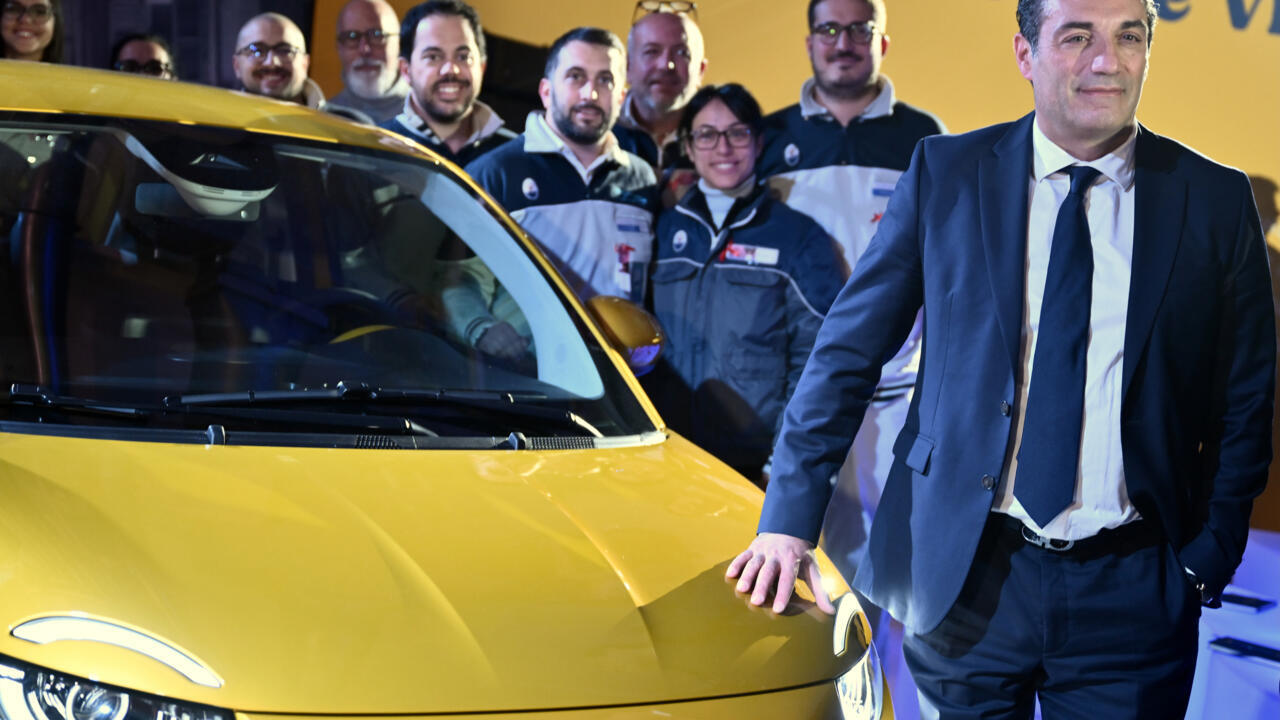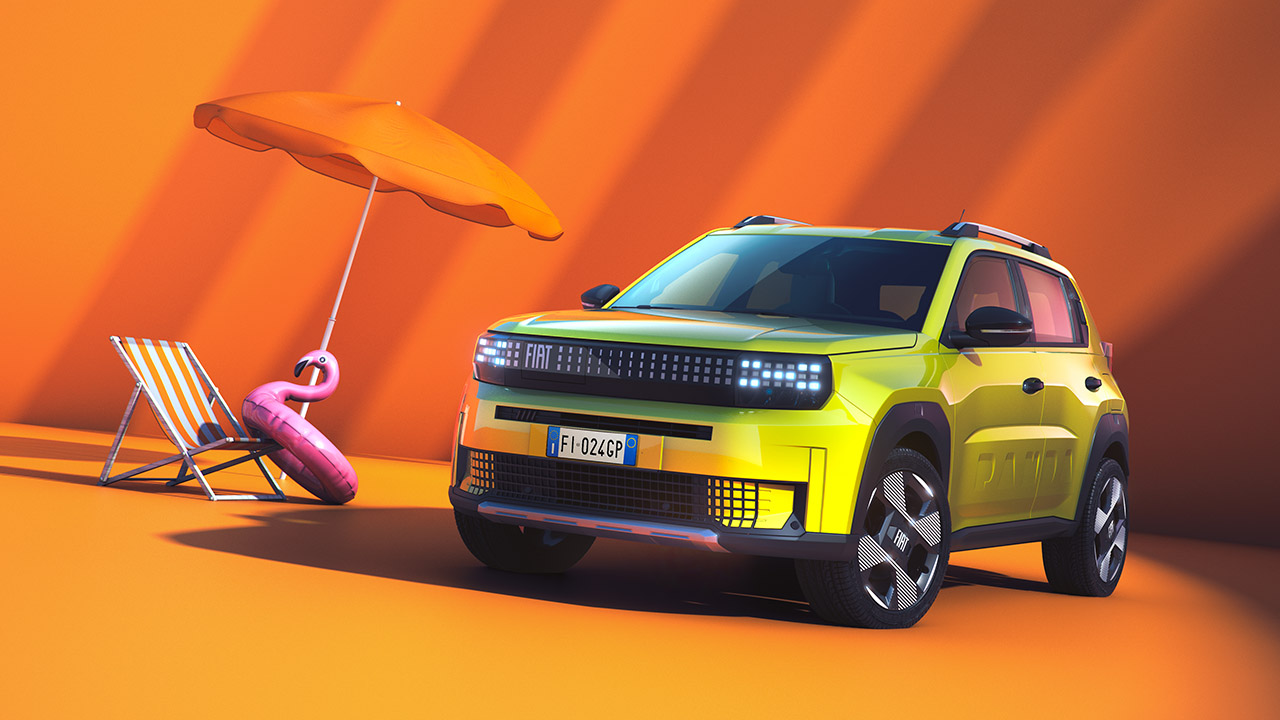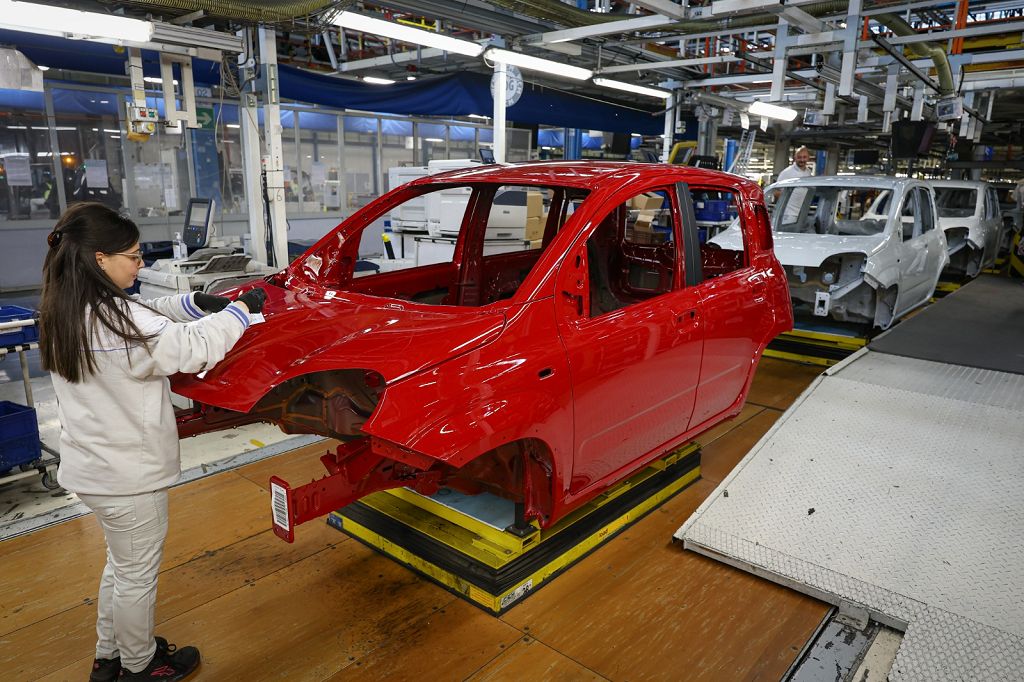
Stellantis announces the production of new small electric vehicles across multiple brands starting in 2028. The E-Car project is set to be located in Pomigliano, Italy. The compact electric vehicles will use 'technologies to be developed with selected partners.'Image: StellantisStellantis is looking to strengthen its position in the market for small and affordable battery-electric vehicles. The multi-brand group is targeting a segment that the Volkswagen Group is also set to enter this year with its electric small-car family centred on the VW ID. Polo.While Stellantis has yet to disclose concrete details, the company has confirmed that production of electric small cars for several of its brands will start in 2028 at the Pomigliano plant near Naples. The carmaker currently refers to the upcoming models under the project name E-Car.Technical details remain under wraps, though development is likely already advanced given the 2028 launch timeline. Stellantis states that the model ranges ‘will be powered by world-class BEV technologies to be developed with selected partners to boost affordability and achieve an accelerated time-to-market.’The company explicitly links the project to the EU’s plans to promote small and affordable electric cars. Additionally, the European Commission is working on a draft law that would require electric vehicles to be assembled within the EU and source at least 70 percent of their components from Europe to qualify for state subsidies.Accordingly, Stellantis emphasises that the E-Car will ‘be produced in Europe for Europeans’ from 2028 onwards. It is set to be ‘small, innovative, affordable and fully electric,’ featuring a modern design. The company also states that they will be ‘developed in the true tradition of European people’s mobility.’The phrasing hints at the development partners involved. While Stellantis does not claim the vehicles will be developed in Europe, it emphasises that they will align with European traditions. Combined with the focus on low costs and a shortened time to market, this suggests that Stellantis’ project partners may be based outside Europe—potentially in China.This would come as no surprise, as Stellantis announced a closer collaboration with Dongfeng earlier this week, involving the production of Jeep and Peugeot models at Dongfeng’s facilities in China. Furthermore, less than two weeks ago, it was officially confirmed that Opel will be the first Stellantis brand to integrate electric vehicle technology from Stellantis’ partner Leapmotor. Similar rumours have circulated regarding the European Stellantis brands Fiat and Peugeot, though these remain unconfirmed.Later this May, Stellantis CEO Antonio Filosa is expected to provide further details on the company’s new strategy during an Investor Day. Recent insider reports suggest that the international multi-brand group plans to focus on four lead brands: Jeep and Ram in North America, and Fiat for small cars and Peugeot as an all-rounder brand in Europe. According to the rumours, other brands will derive their models from vehicles developed by these lead brands. However, it remains unclear whether Peugeot and Fiat, as lead brands, will also derive vehicles from Leapmotor models or if this will initially be left to Opel.Returning to the E-Car concept: Stellantis describes the development as a response to ‘unprecedented contraction of the small affordable car segment in Europe in recent years.’“The E-Car is a concept that finds its natural match in the small car success that runs deep in our European Stellantis DNA,” said Stellantis CEO Filosa. “Our customers are calling for a revival of small, stylish vehicles, proudly produced in Europe, which are also affordable and environmentally friendly. Stellantis is answering their call with exciting new models for multiple brands. Production is expected to start in 2028 in our Pomigliano (Italy) plant.”Currently, Stellantis produces the Fiat Panda/Pandina and the Alfa Romeo Tonale at the Pomigliano plant. No electric vehicles are manufactured there yet. The management’s statement regarding the plant’s selection is limited to noting that it ‘is tapping into the plant’s long history of producing some of Europe’s most iconic and affordable cars.’The location has been home to some of Europe’s most iconic and affordable vehicles. This suggests that the E-Car project aims to produce new electric vehicles on a large scale. It is no coincidence that Stellantis describes it as a ‘groundbreaking.’media.stellantis.com
Stellantis accelerates European small EV offensive - electrive.com
Stellantis announces the production of new small electric vehicles across multiple brands starting in 2028. The E-Car project is set to be located in
685 words~3 min read