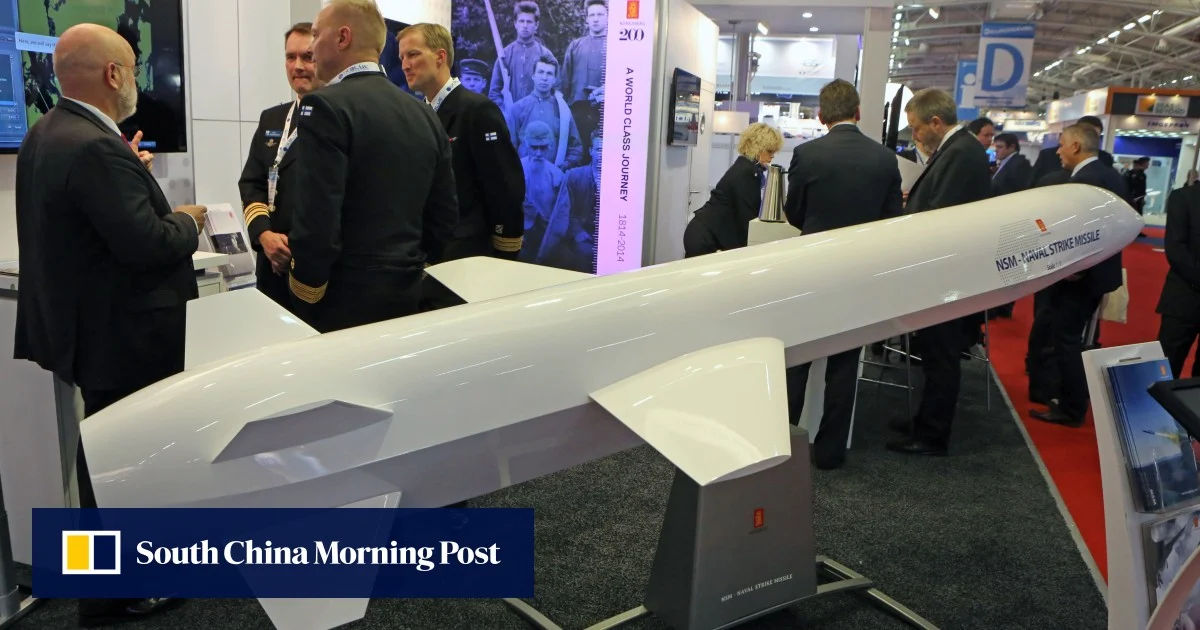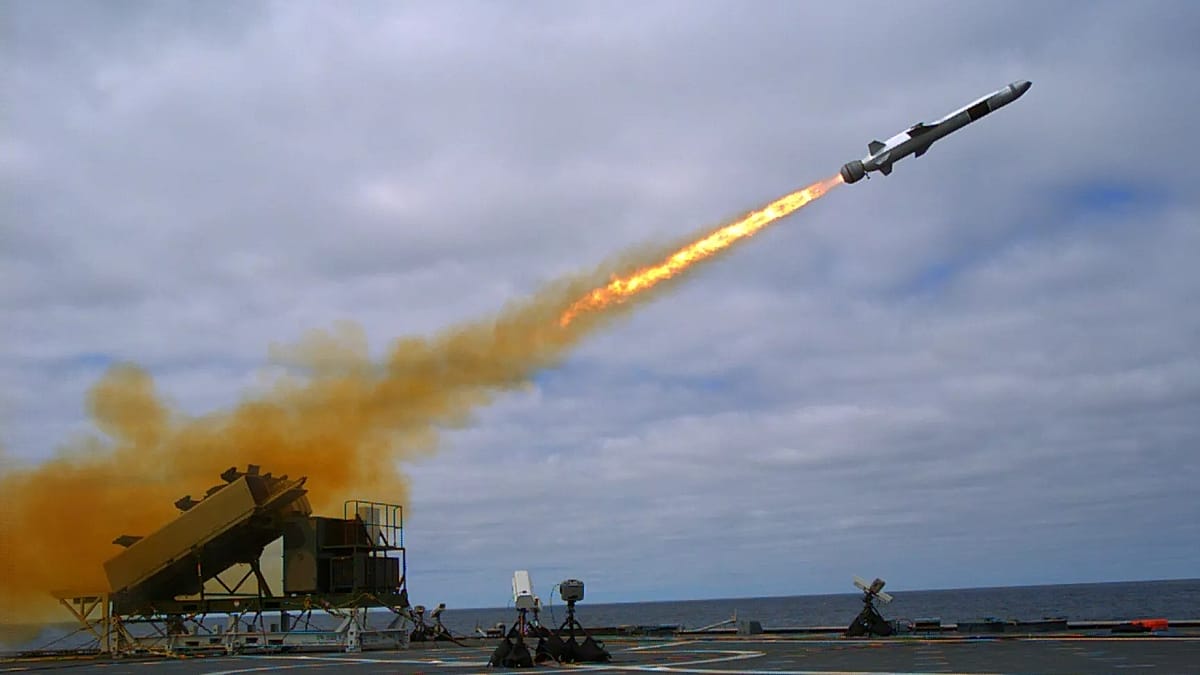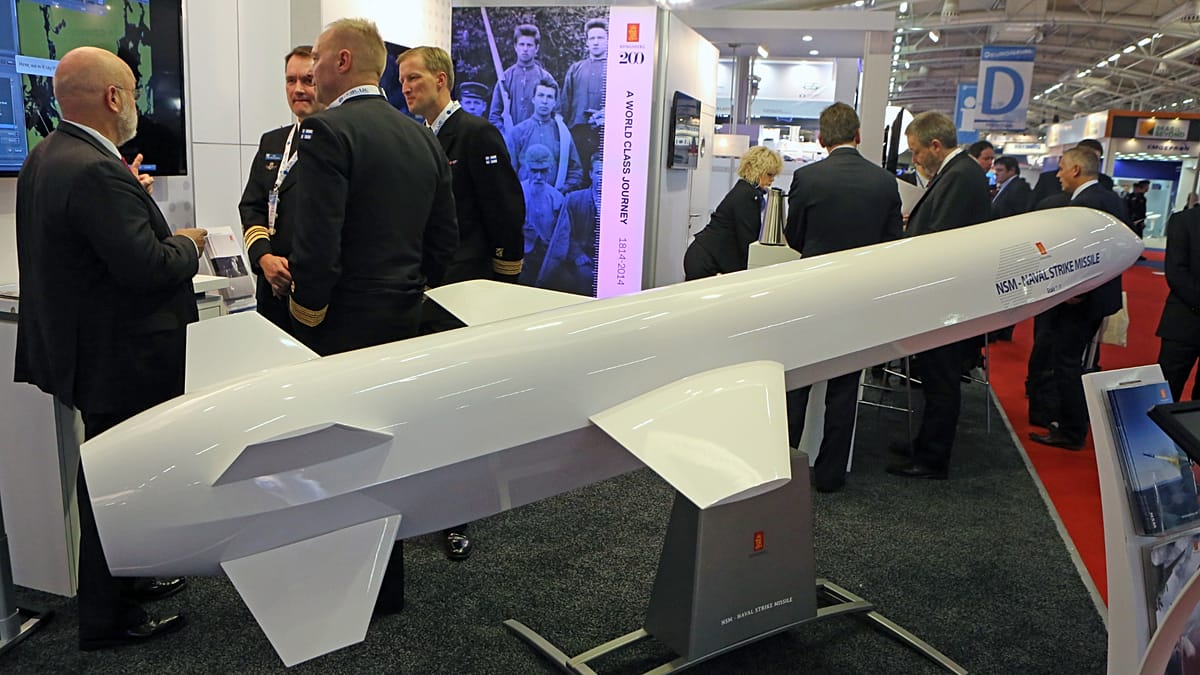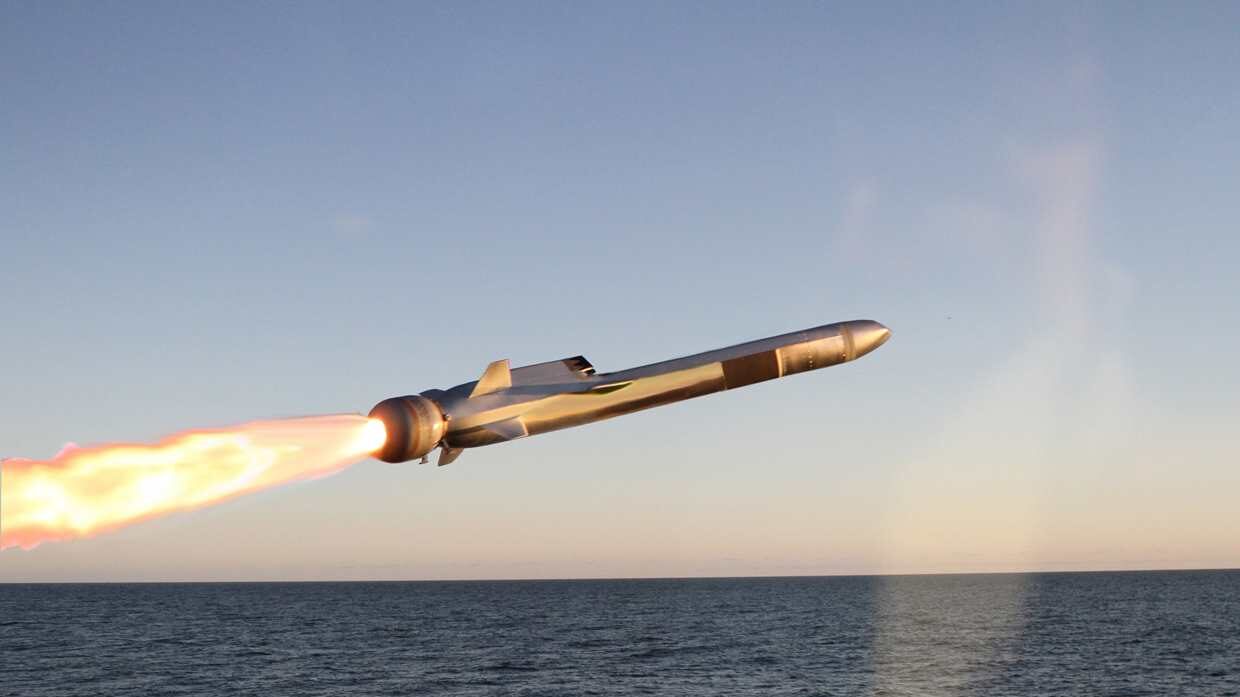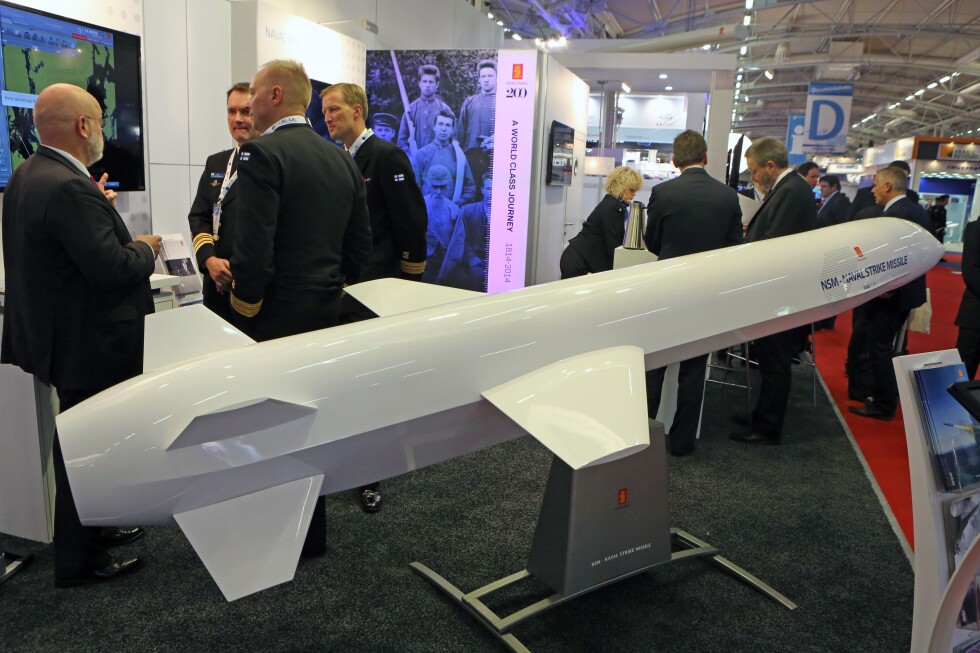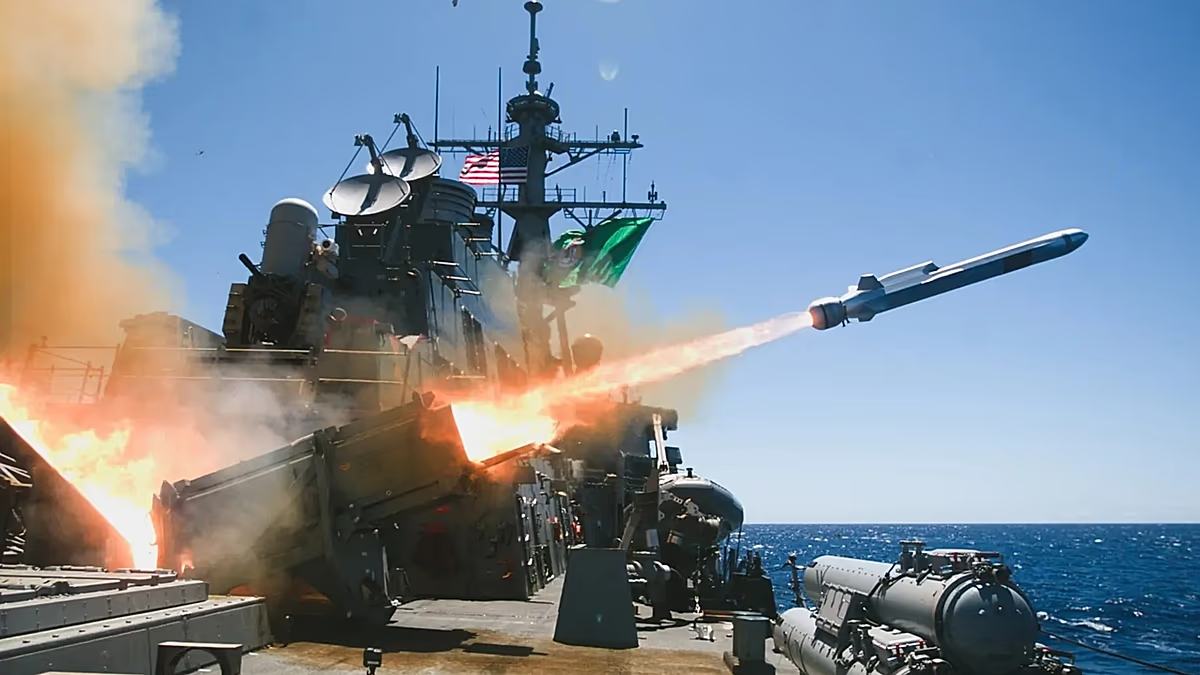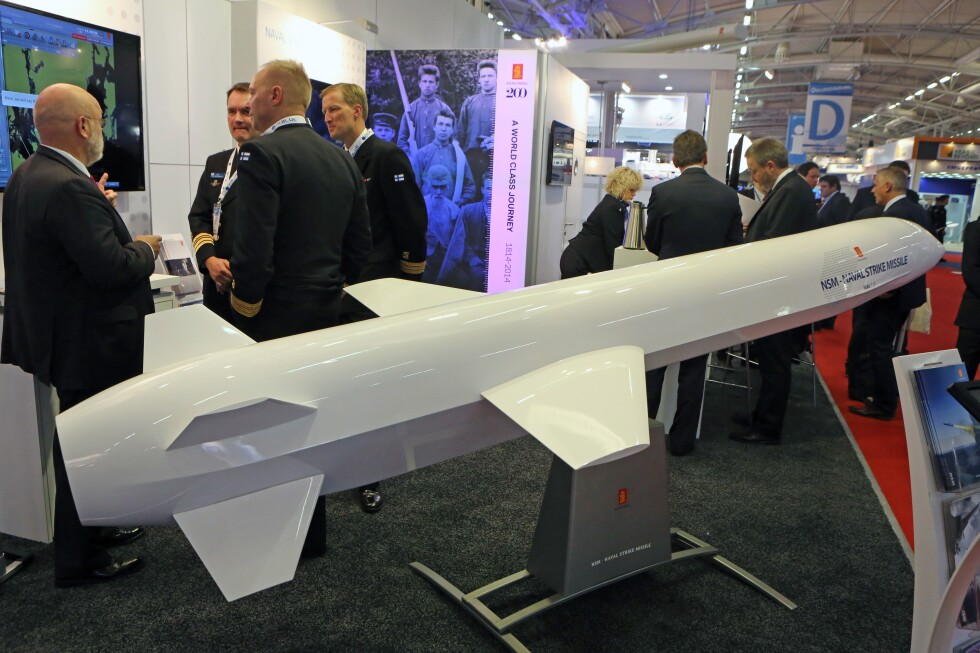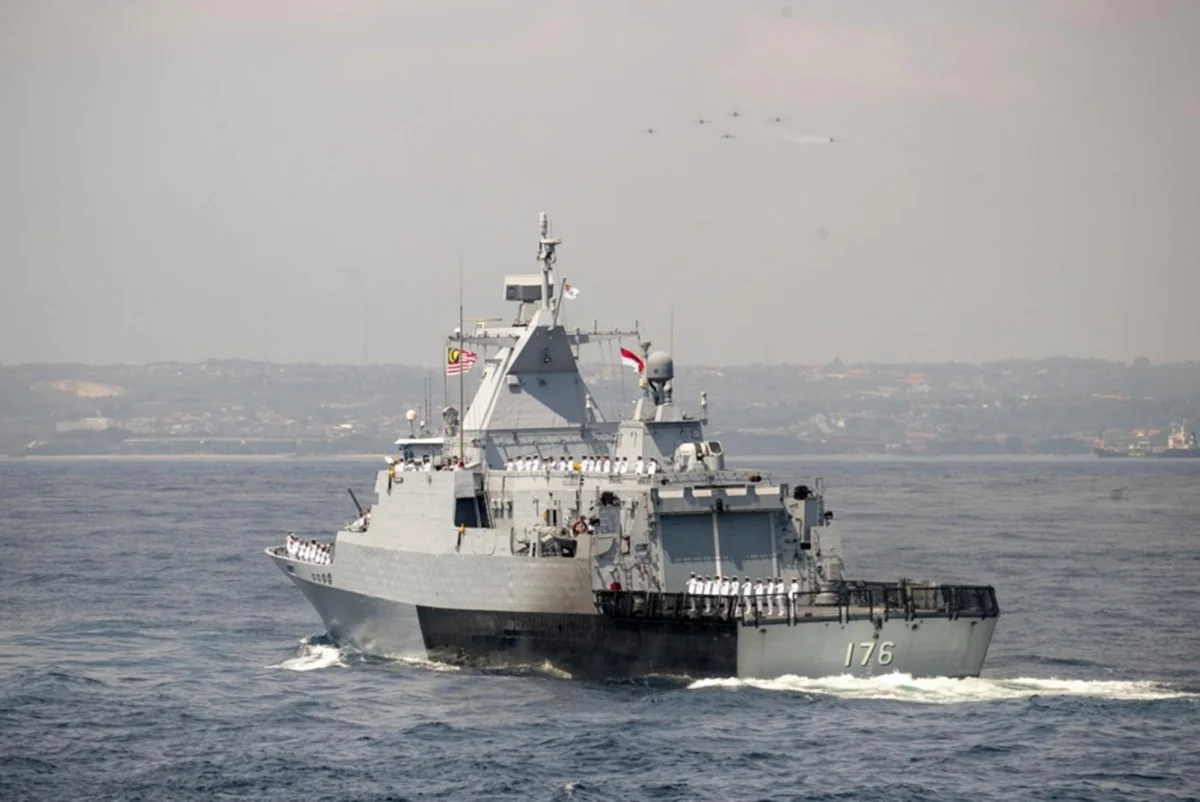
Norway’s revocation of export licences for a naval missile system sold to Malaysia has thrust into sharp relief the United States’ ability to kill an arms deal between two other sovereign nations simply by restricting components its own industries supplied.Analysts suspect a gyroscope used in the guidance system of Kongsberg Defence & Aerospace’s Naval Strike Missile and other US-made components are the reason Malaysia’s navy will not be receiving the weapons it contracted for – and paid nearly €126 million (US$146.6 million) towards – under a 2018 deal.Malaysian Prime Minister Anwar Ibrahim did not hide his fury. Speaking on Thursday, he said he had conveyed Malaysia’s “vehement objection” directly to his Norwegian counterpart, Jonas Gahr Stoere, in a telephone call.Signed contracts are solemn instruments, they are not confetti“Signed contracts are solemn instruments,” Anwar declared. “They are not confetti to be scattered in so capricious a manner.” He warned that if European defence suppliers felt entitled to renege “with impunity”, then they had no value as strategic partners.On Tuesday, Defence Minister Mohamed Khaled Nordin went further, announcing Malaysia would be pursuing a compensation claim of more than US$251 million – covering not just the sums already paid but the downstream costs of reopening ship installations, retraining crews and integrating an entirely new missile system into vessels designed from the keel up to carry the Norwegian one.He also issued a pointed warning to the wider region: think carefully before buying Norwegian.A Naval Strike Missile manufactured by Norwegian company Kongsberg on display at an arms expo in Madrid, Spain, last year. Photo: AFPWashington’s hidden veto
US suspected of forcing Norway to cancel Malaysia’s US$147 million missile order
Who really controls arms sales between sovereign states when Washington has a hidden technological veto?
262 words~1 min read