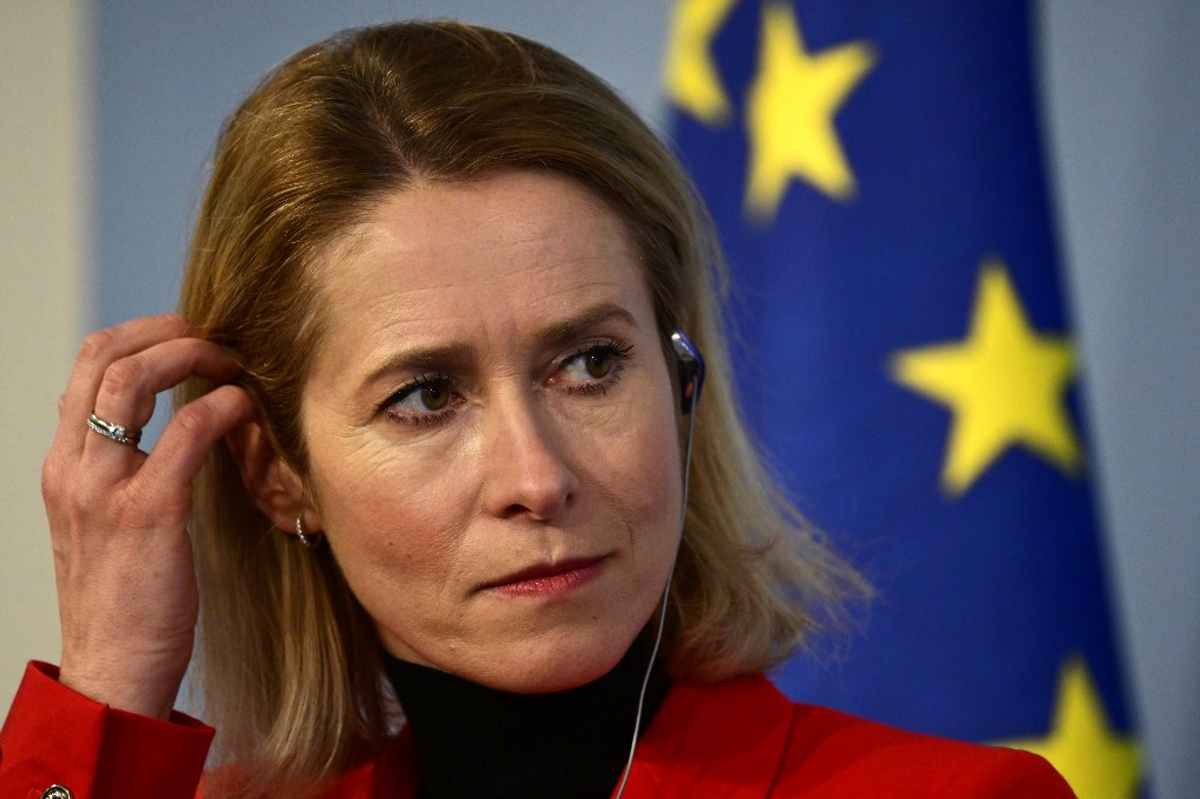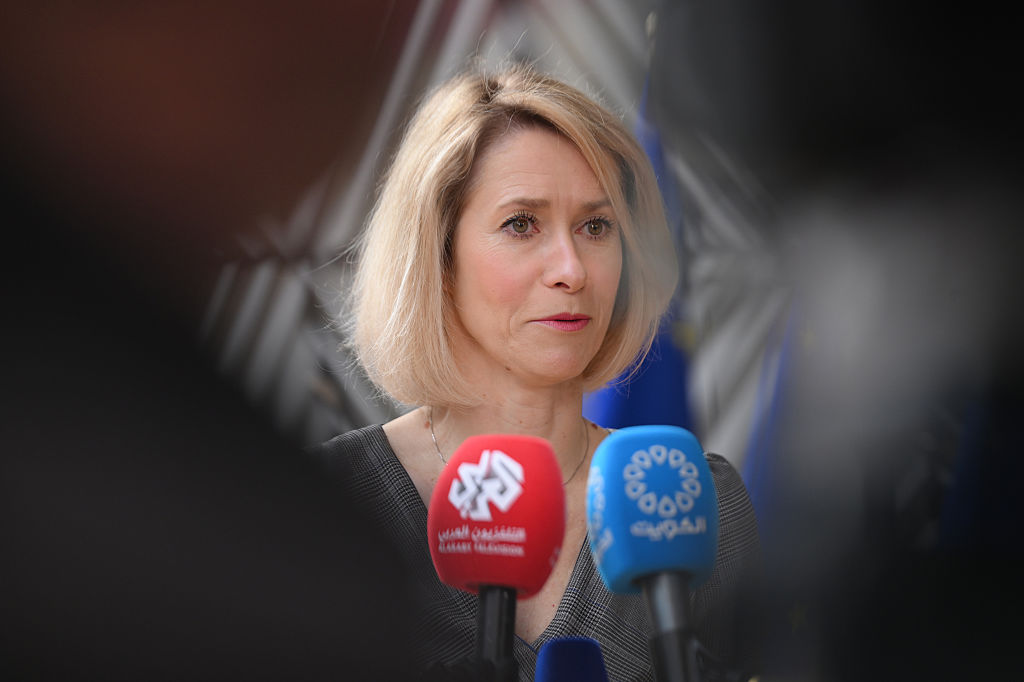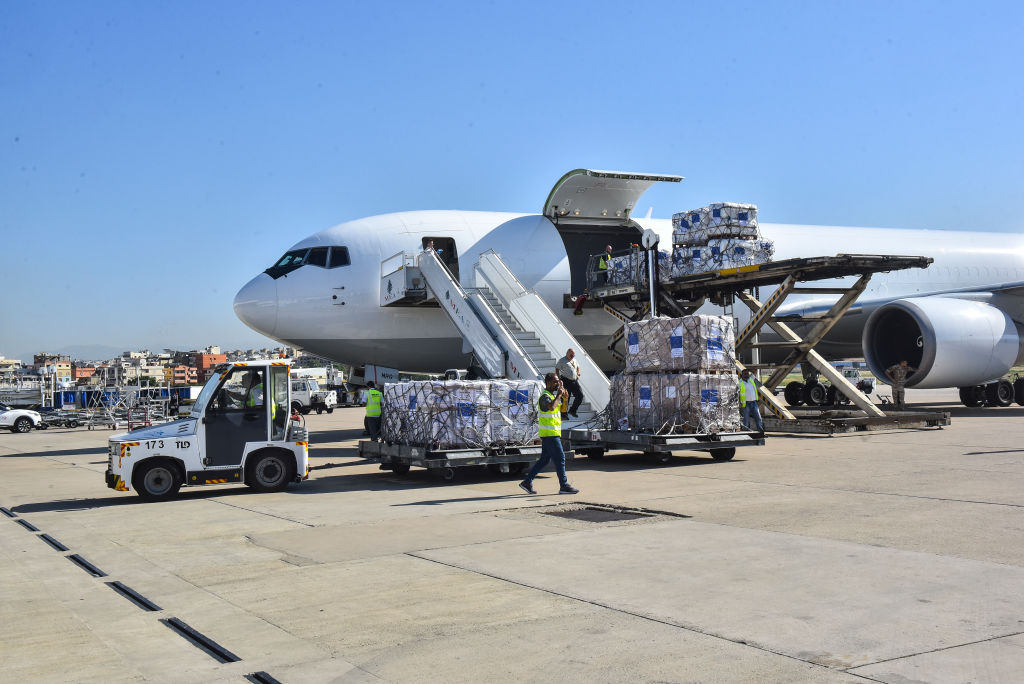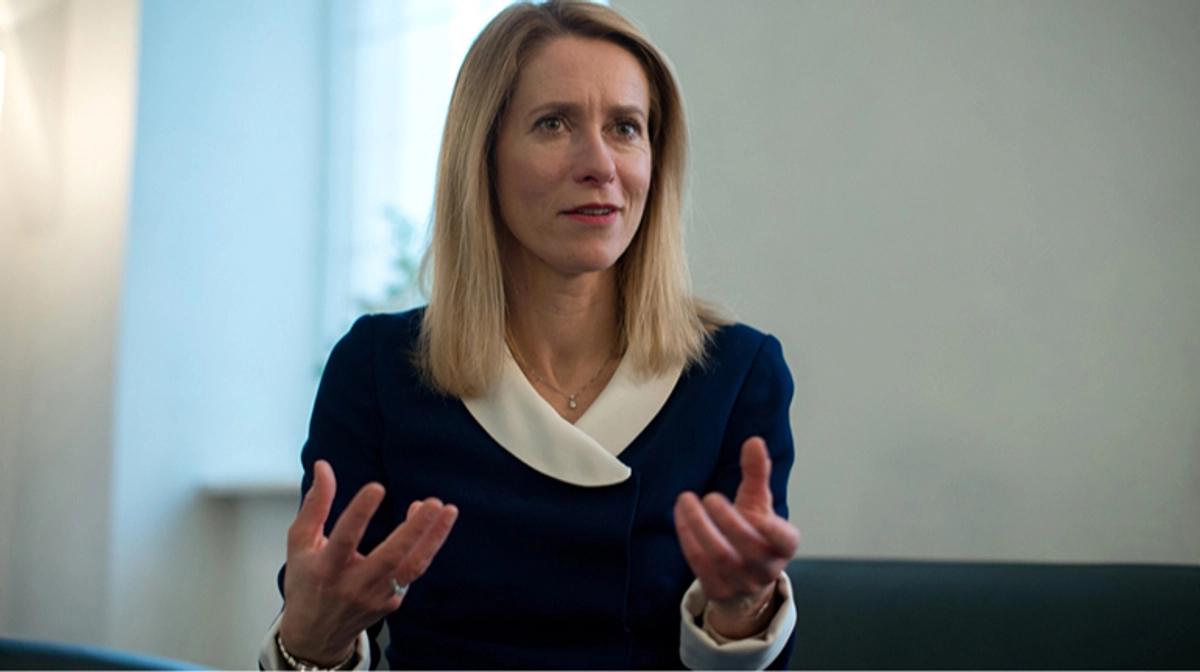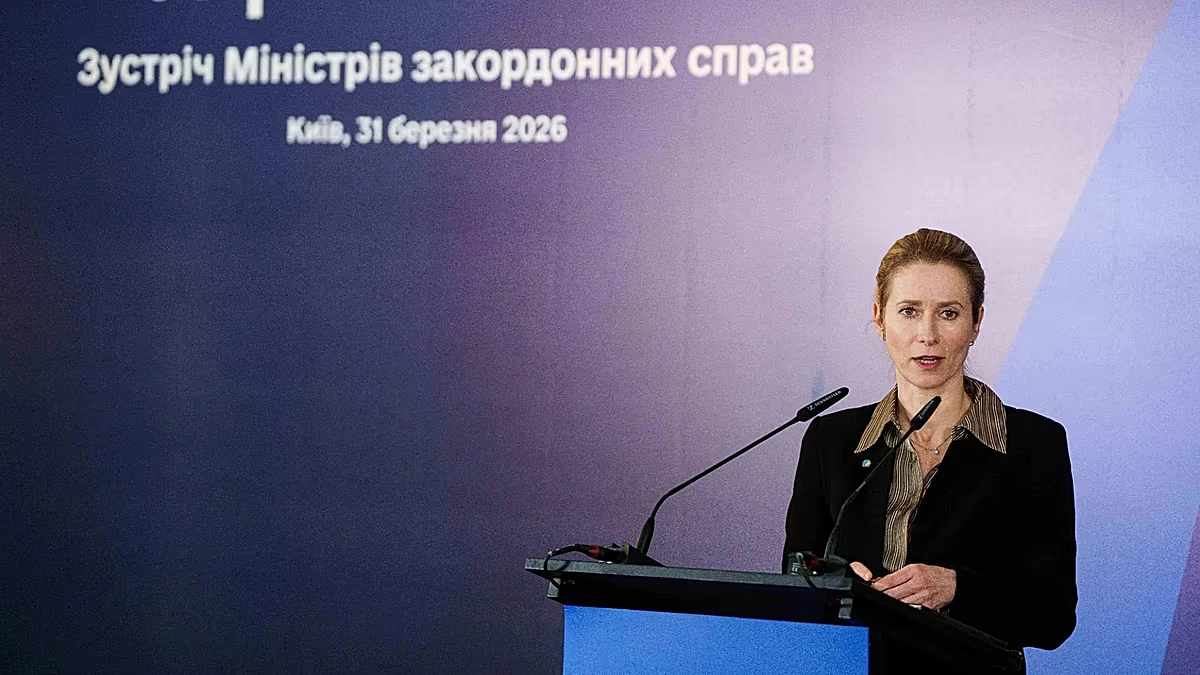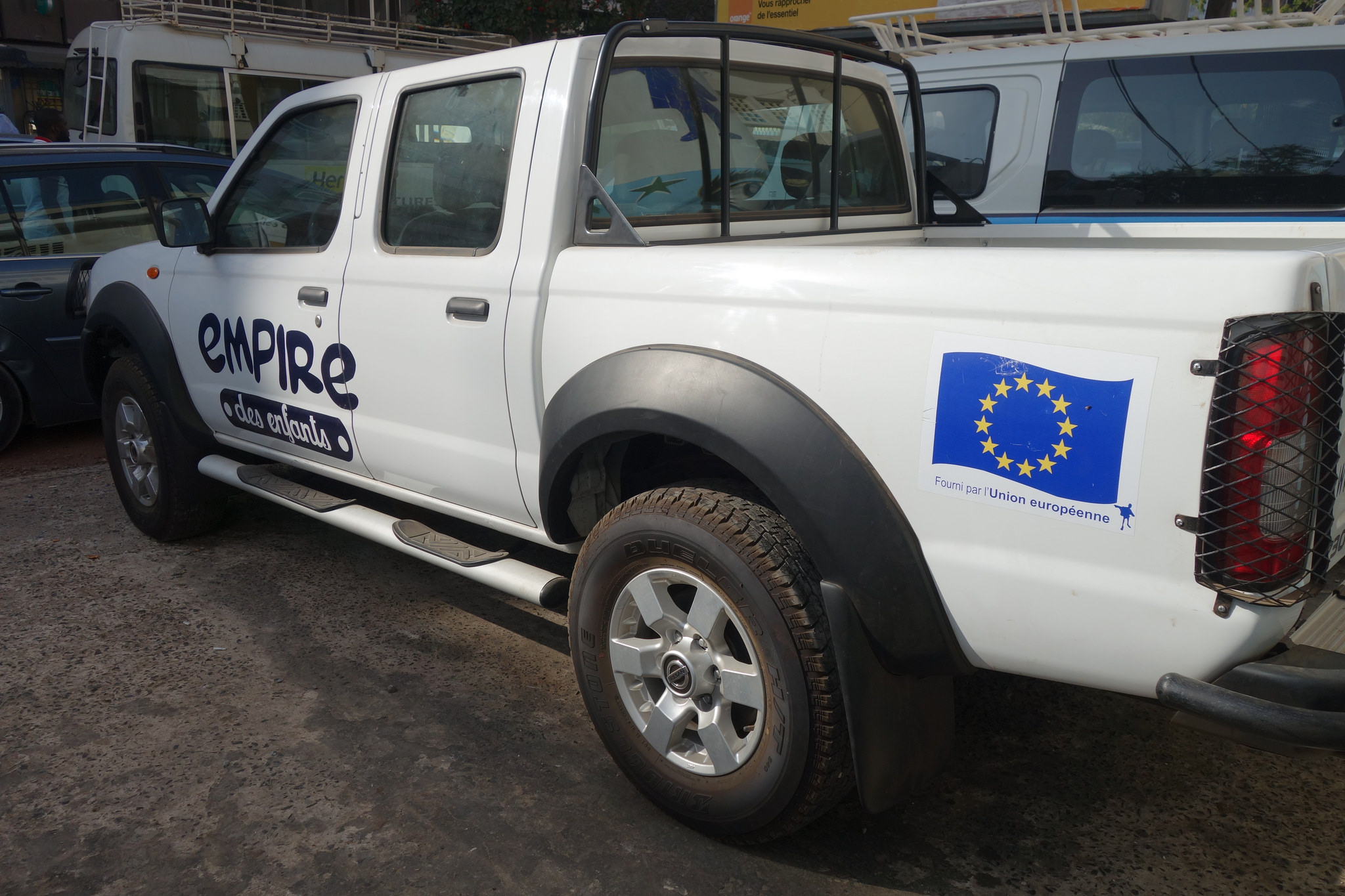
Access to future EU aid funding is likely to be tied to preferential treatment for European firms and withheld from backers of the likes of Russia and Iran, EU foreign affairs chief Kaja Kallas has said.
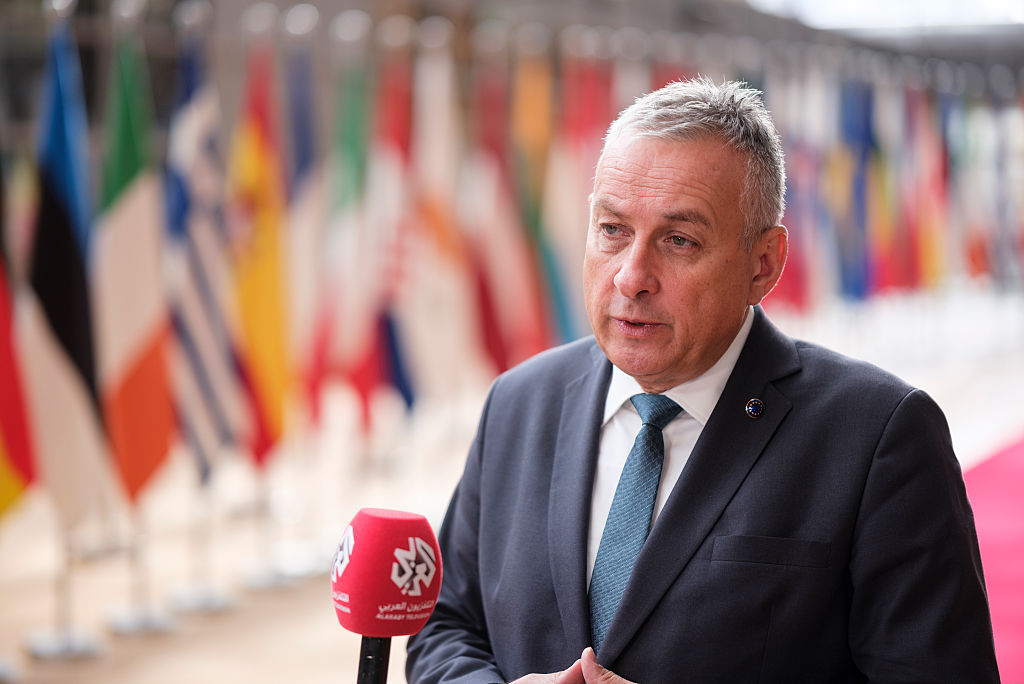
“If we want to be a geopolitical actor, we have to be more strategic about this, which means that we have to match our tools – humanitarian aid, trade, security and defence partnerships – with the needs of our partners,” Kallas told reporters ahead of an EU development ministers meeting in Brussels on Monday (18 May).
“And plus, if a partner supports Russia or Iran, then it has to be flexible, so that we can realign our engagement in this case,” she added.
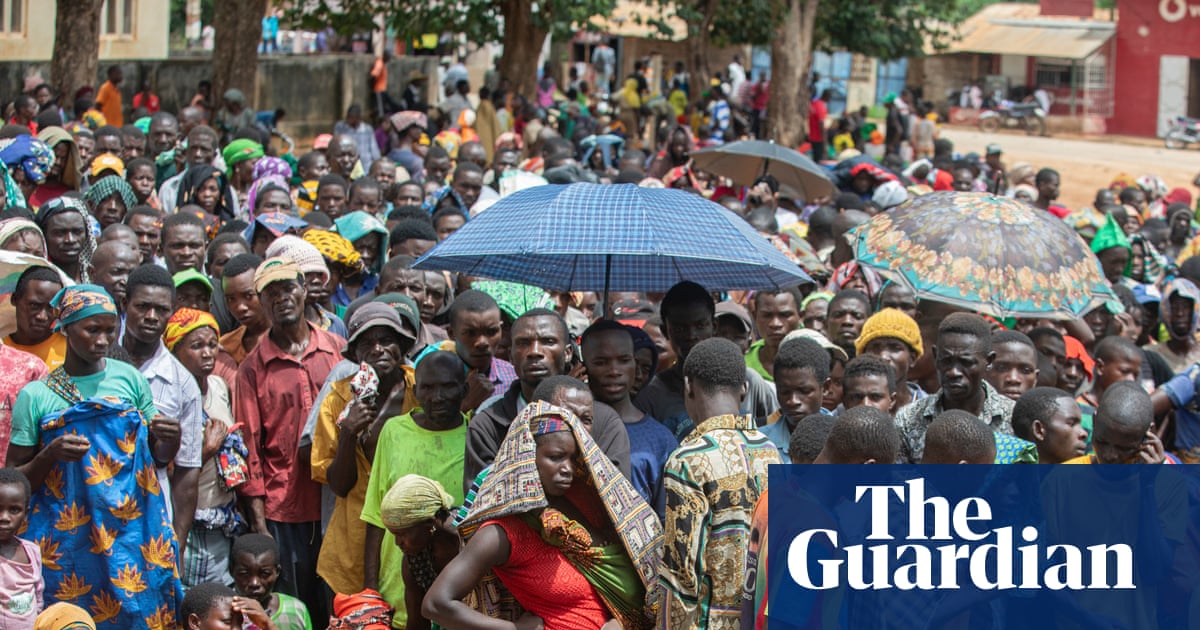
Official development assistance (ODA) fell to $174.3bn [€150bn] in 2025 – a 23 percent drop – according to data published in April by the Paris-based Organisation for Economic Cooperation and Development (OECD).
The drop, which was driven by a 56.9 percent cut in US aid spending, is the largest on record.