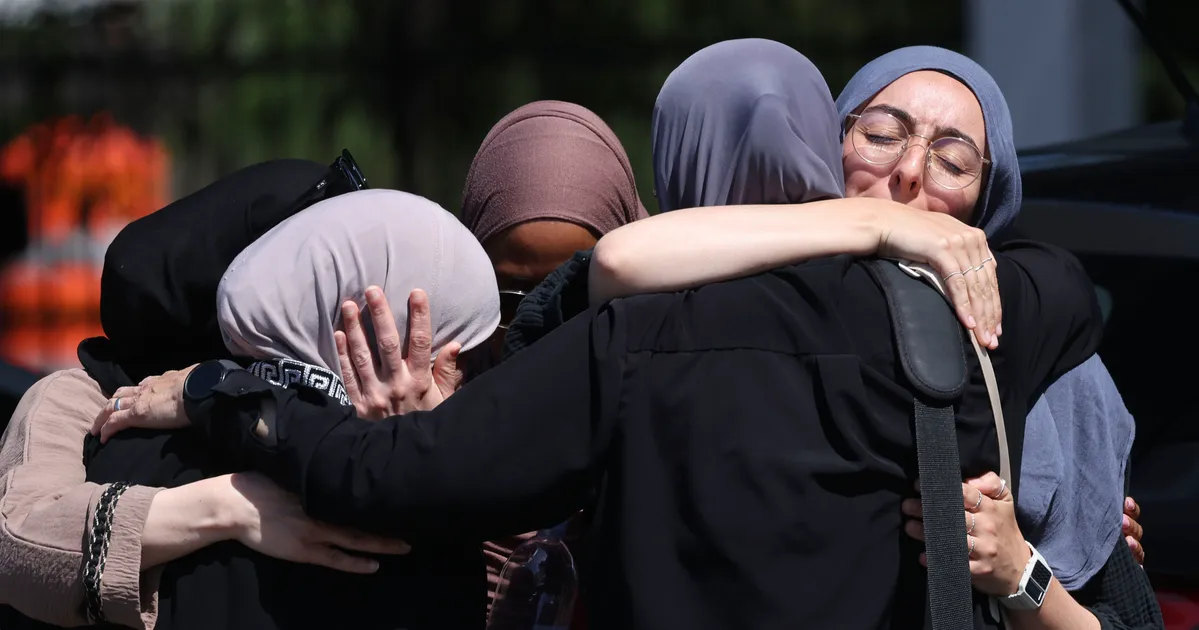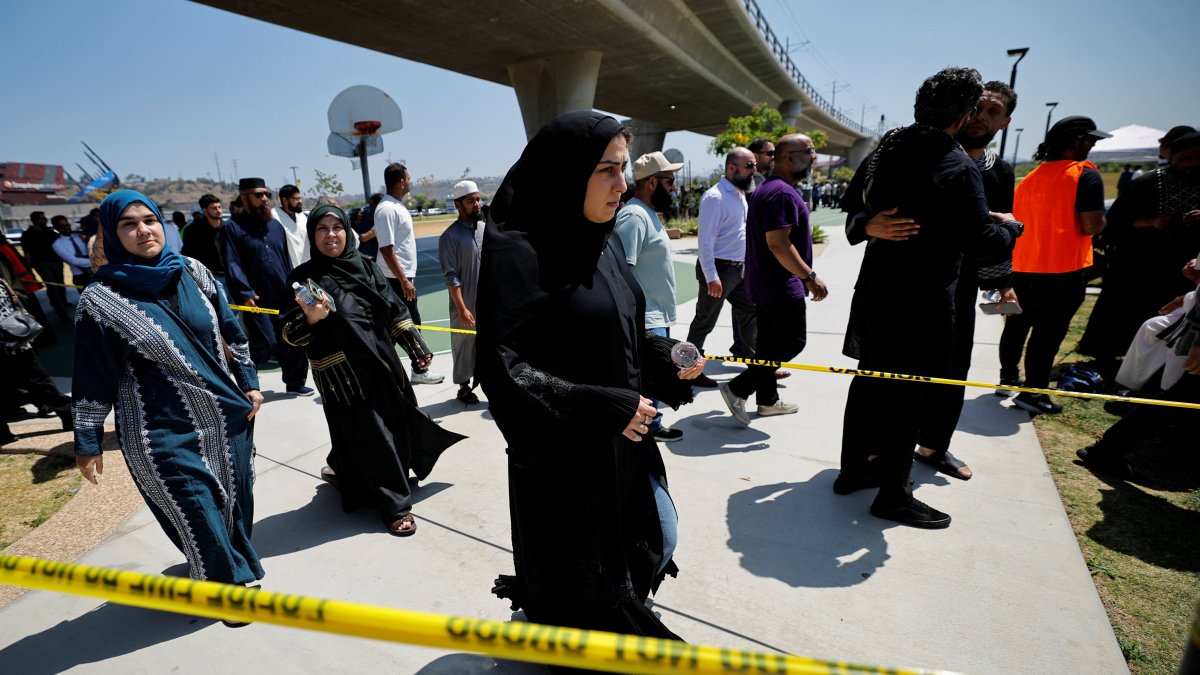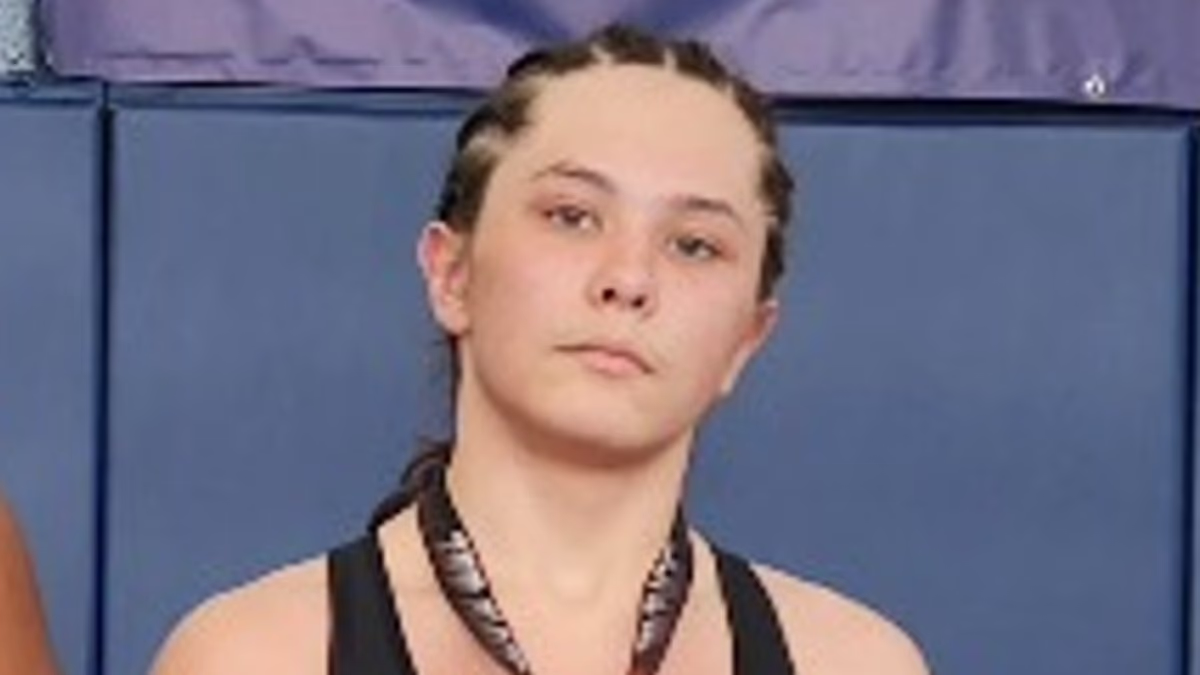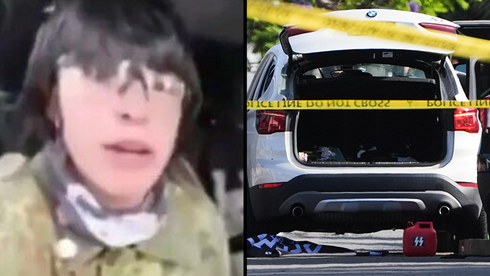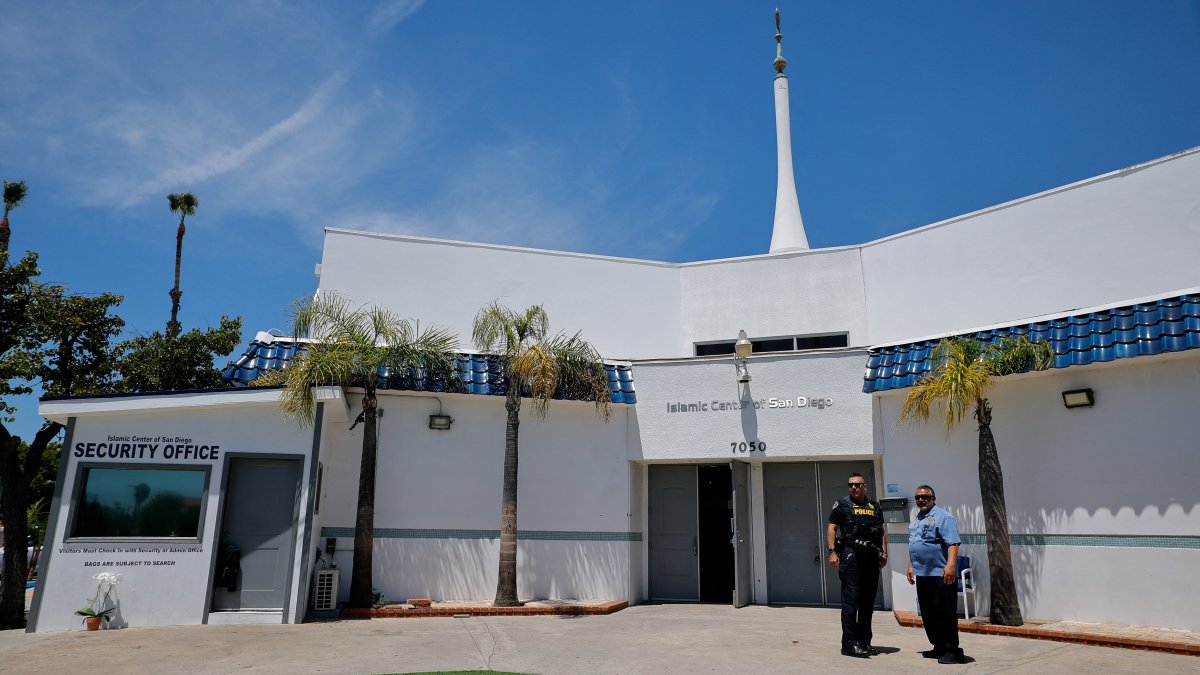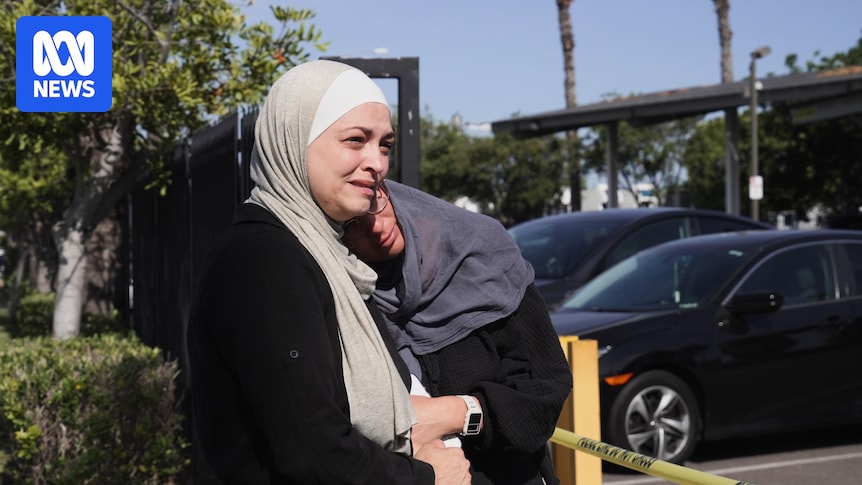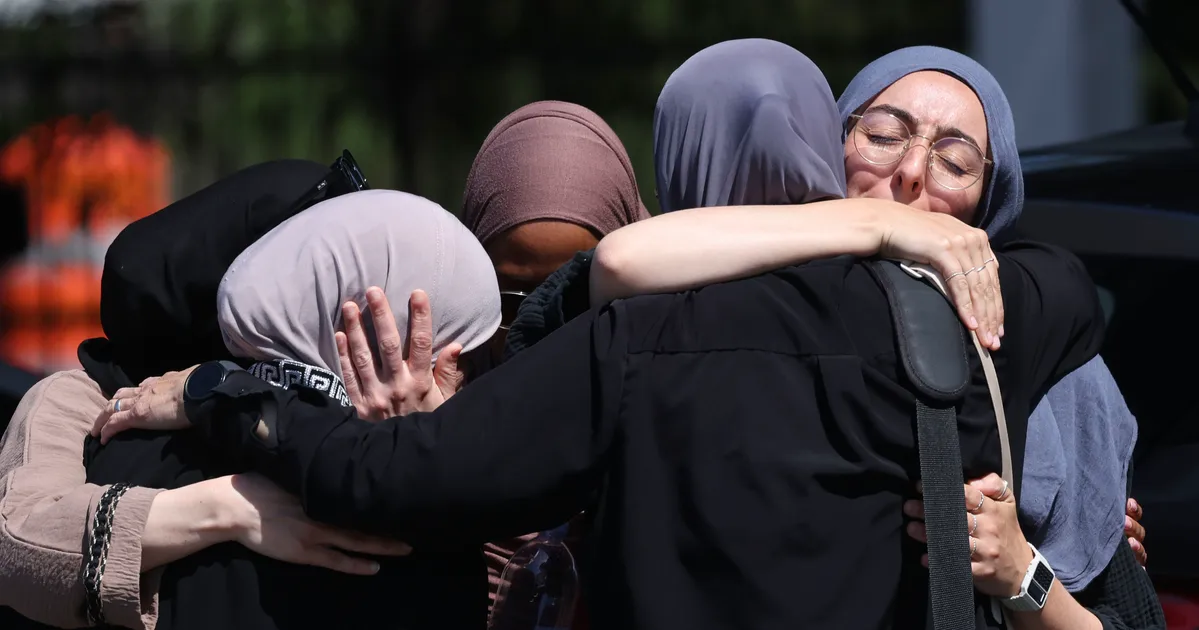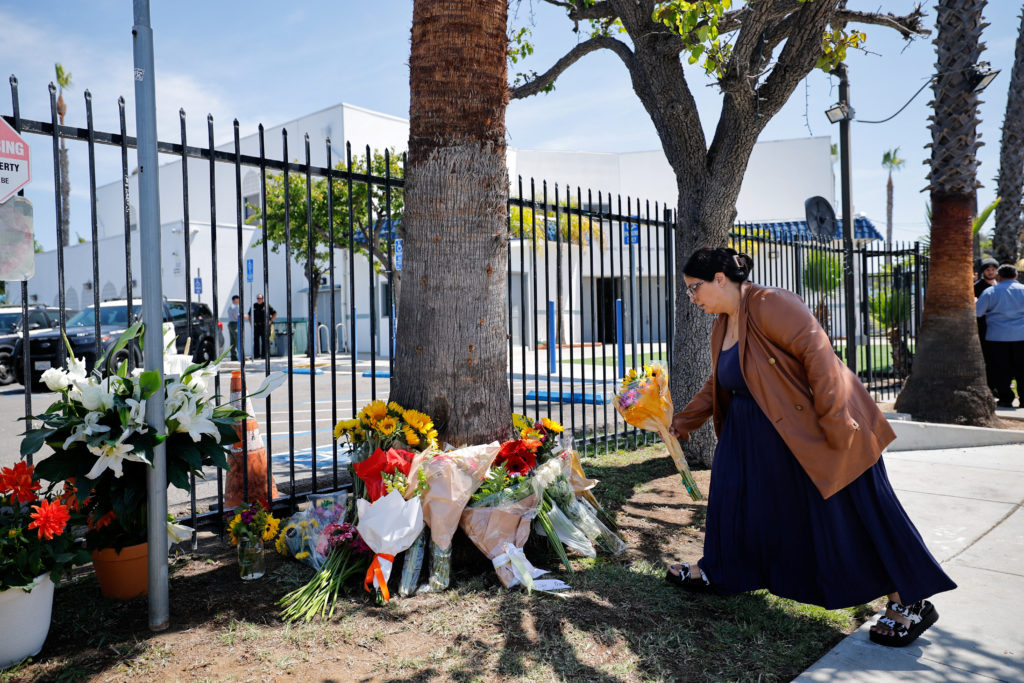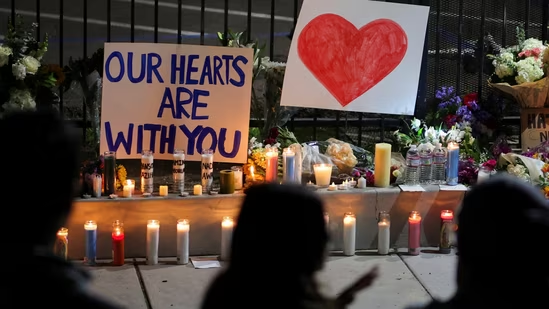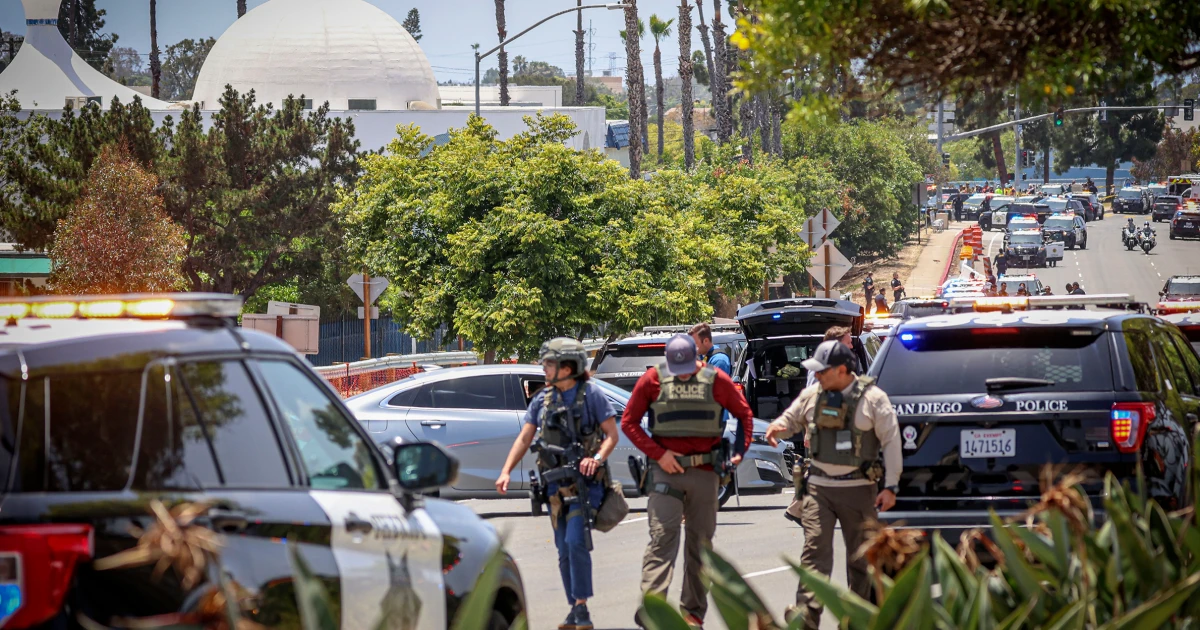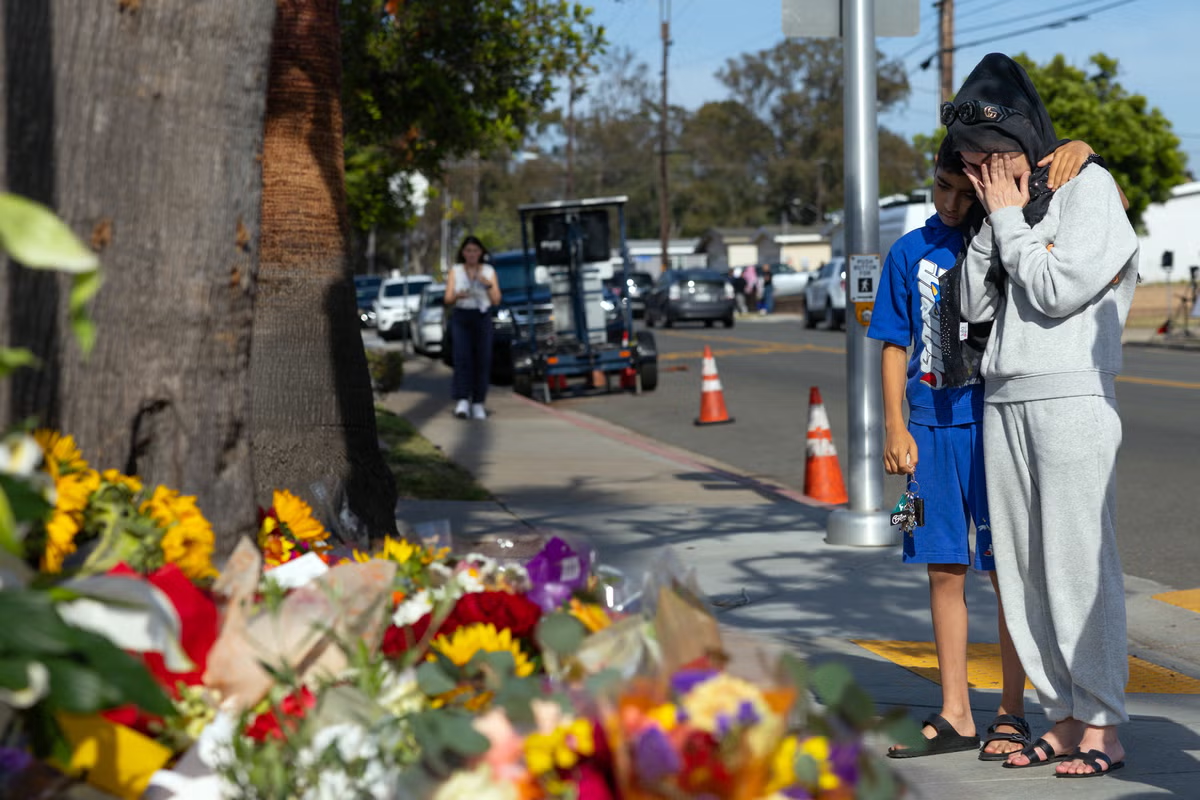
Two teens consumed by hate allegedly turned a California mosque into a scene of terror — after authorities say they were radicalized online and bonded over extremist white supremacist beliefs.Investigators say Cain Clark, 17, and Caleb Vazquez, 18, met online before discovering they both lived in the San Diego area. From there, officials believe the pair spiraled deeper into violent extremism, embracing racist and hateful ideologies that targeted Muslims, Jews, Black people, women, the LGBTQ+ community, and even both sides of the political spectrum.“They didn’t discriminate on who they hated,” FBI agent Mark Remily said Tuesday.Investigators say Cain Clark, 17, and Caleb Vazquez, 18, met online before discovering they both lived in the San Diego area (AFP/Getty)The writings allegedly linked to the teens paint a chilling picture of rage and paranoia. The documents reportedly included neo-Nazi symbols, anti-Muslim rhetoric and claims that white people were being “eliminated.” One of the teens also wrote about mental health struggles and rejection by women.Authorities say the pair referred to themselves as the “Sons of Tarrant” — an apparent nod to the Christchurch mosque massacre in New Zealand that left 51 worshippers dead in 2019.After Monday’s massacre at the Islamic Center of San Diego, investigators uncovered a disturbing arsenal: at least 30 guns, ammunition and a crossbow spread across two homes. Officials are now scrambling to determine whether the teens were planning even more attacks.Authorities say the pair referred to themselves as the “Sons of Tarrant” — an apparent nod to the Christchurch mosque massacre in New Zealand that left 51 worshippers dead in 2019 (AFP/Getty)Police say the two gunmen ultimately killed themselves after murdering three men at the mosque.But authorities say the death toll could have been far worse if not for the bravery of the victims — especially beloved security guard Amin Abdullah, who reportedly confronted the attackers head-on and helped stop them from reaching 140 schoolchildren nearby.“He sacrificed his life to stop them from getting inside the classrooms,” Imam Taha Hassane said.According to police, Abdullah exchanged gunfire with the attackers after they forced their way into the mosque lobby. Even after being wounded, he kept firing, driving them back outside before they fatally shot him.A gas canister marked with an “SS” symbol was found at the scene of a shooting at a San Diego mosque (AP)The gunmen then stormed through empty rooms during a lockdown before heading to the parking lot, where police say they killed Mansour Kaziha and Nadir Awad. Officials say the two men drew the shooters farther away from the building, potentially saving more lives.Kaziha — affectionately known as Abu Ezz — was described as the heart of the mosque community.“He was the handyman. He was the cook. He was the caretaker,” Hassane said through tears.The attack has sent shockwaves through San Diego’s Muslim community and reignited fears over rising hate crimes against Muslims and Jews nationwide amid tensions tied to the Middle East conflict.The Islamic Center of San Diego — the city’s largest mosque — also houses Al Rashid School, where children as young as 5 study Arabic, Islamic studies and the Quran.Community members described the mosque as a welcoming place that opens its doors to everyone, including non-Muslims who attend Ramadan dinners.“Every person at that masjid will smile at you,” said worshipper Josie-Ana Edenshaw.Still, mosque leaders admitted they had long dealt with harassment and threats.“We are used to receiving hate mails, hate messages, people driving by and cursing,” Hassane said. “But such horrible crime, we have never expected this.”
FBI says San Diego mosque shooters bonded online over white supremacist hate
Investigators say Cain Clark, 17, and Caleb Vazquez, 18, met online before discovering they both lived in the San Diego area
583 words~3 min read