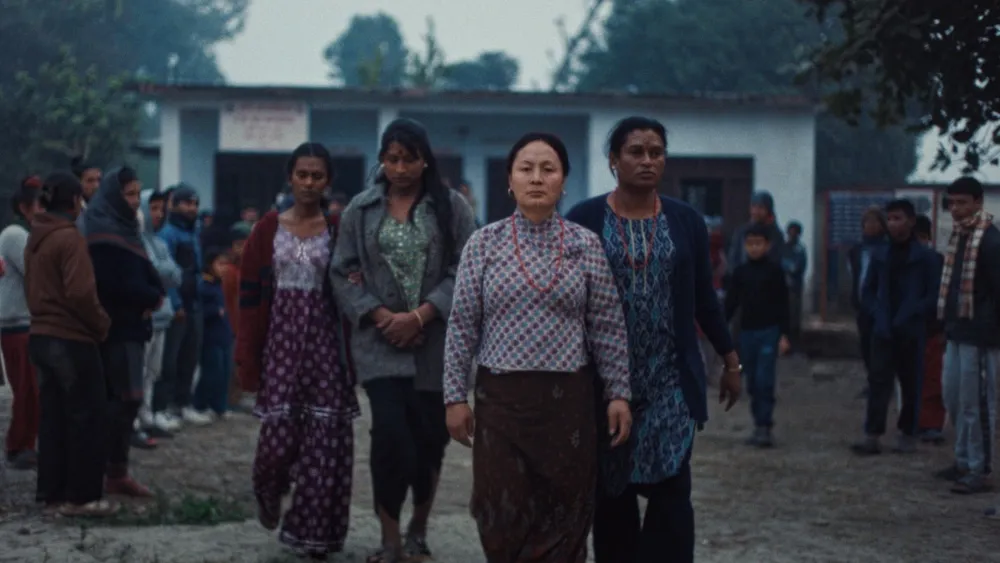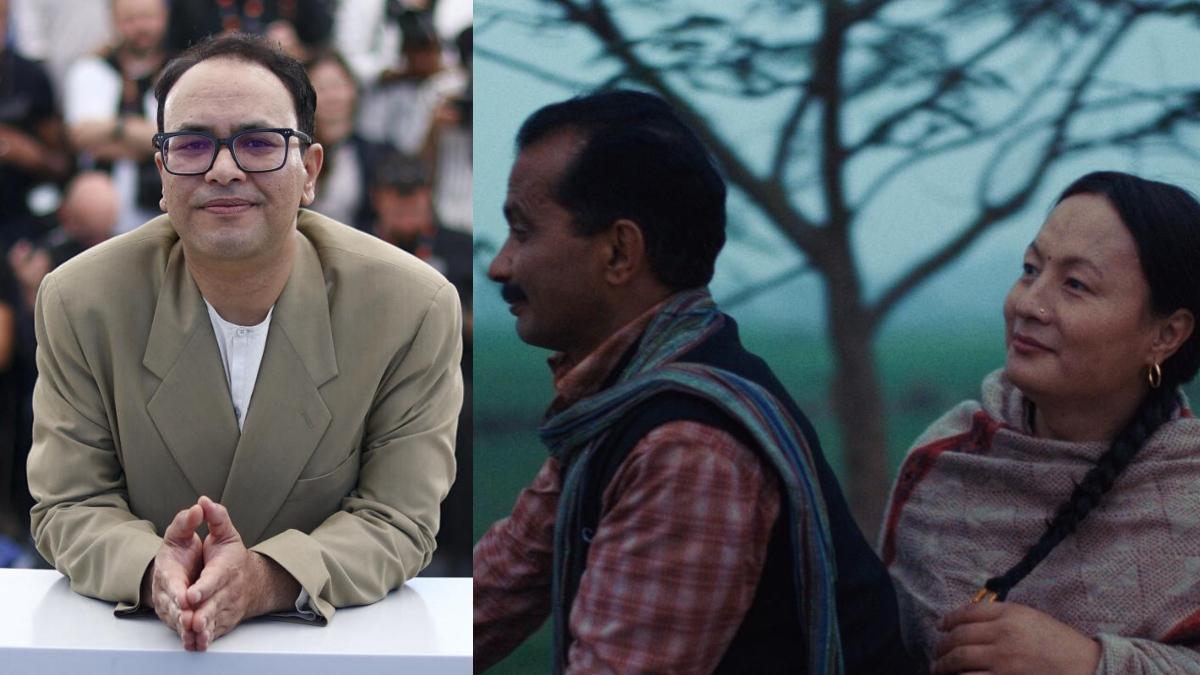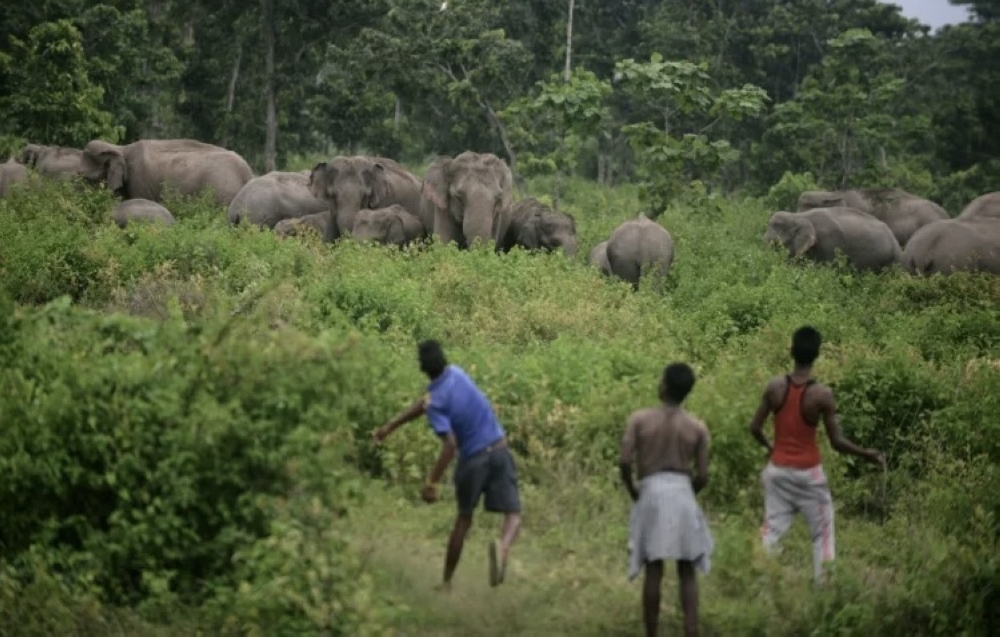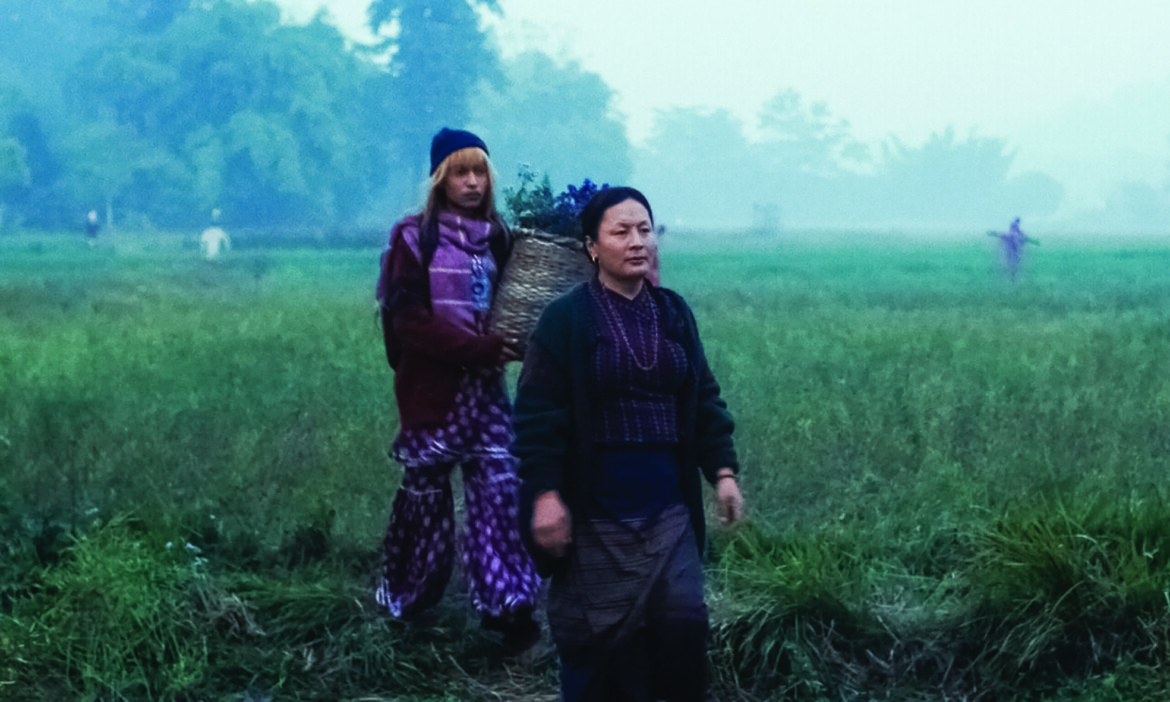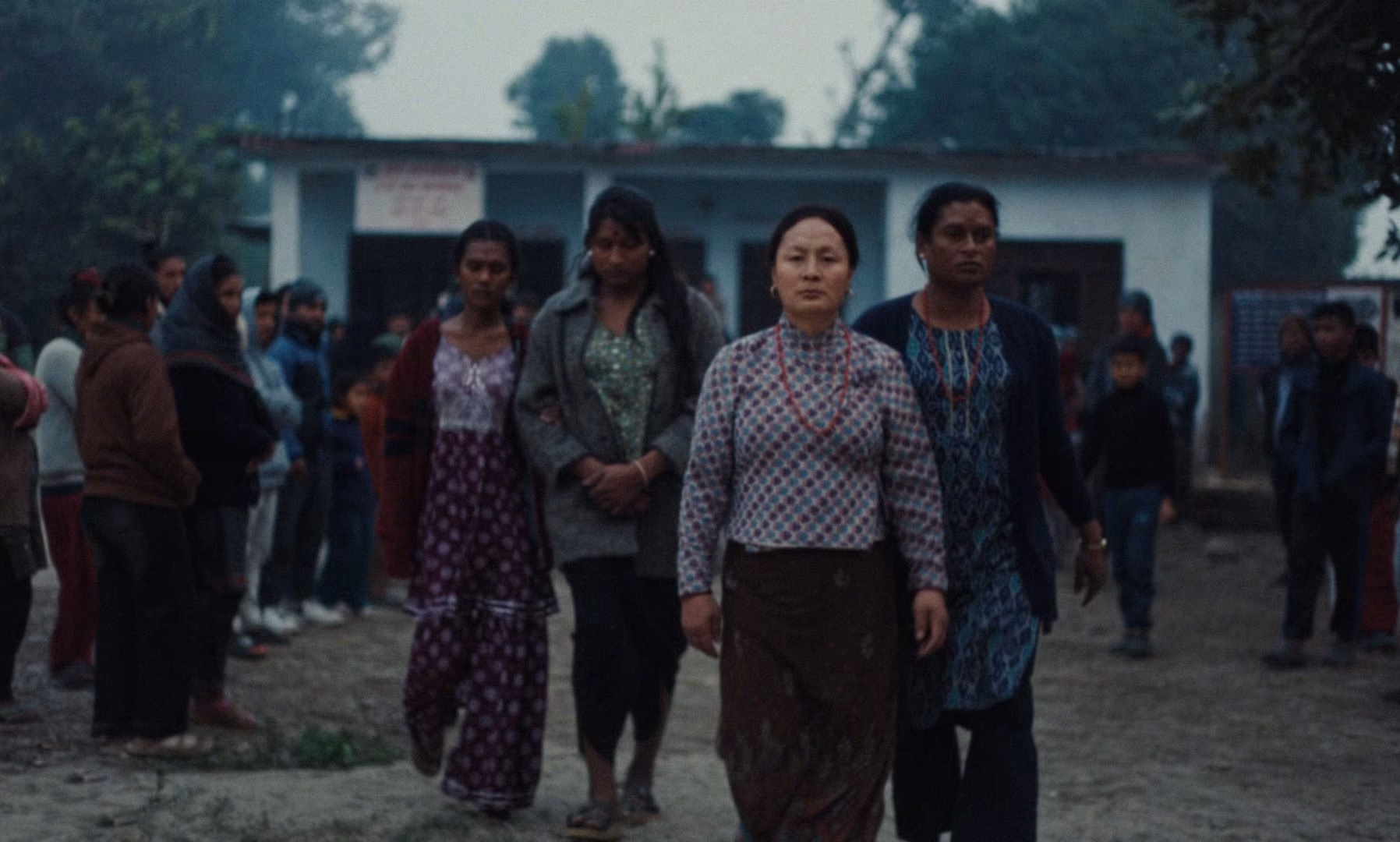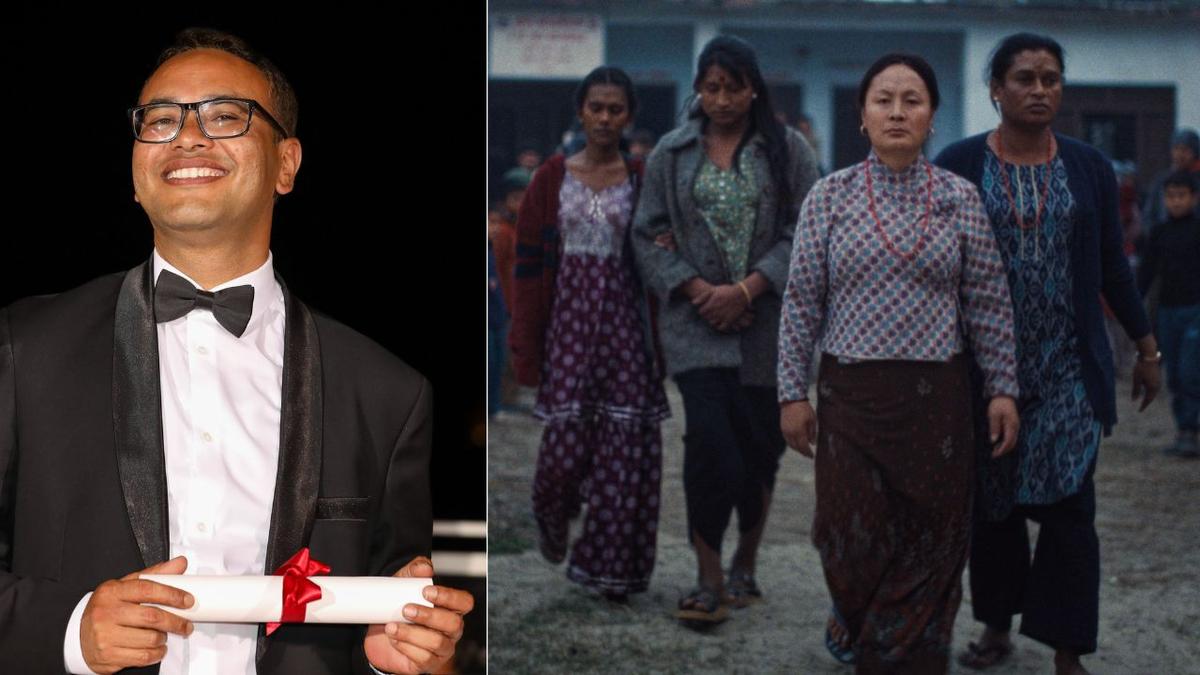
Abinash Bikram Shah calls India his “second home”. He recalls growing up hearing Mani Ratnam’s film songs (Roja and Bombay) on Nepal’s street corners. Bollywood films reached him via VCRs and Doordarshan. “My friends call me pretentious when I say I love Mahesh Bhatt’s Arth and Dimple Kapadia’s Rudaali. In 2000, I came to know about Satyajit Ray, and my perspective was changed,” says Shah, who speaks of deep friendships across the border. Albeit some of them have been “jokingly racist [towards him] for fun,” he says with a smile. For generations, Nepalese have seen India as a destination: economic or spiritual, as evinced by two characters in Shah’s debut feature Elephants in the Fog. One wants to flee to Delhi to start a new life with her lover, and the other wants to spend her final days in Varanasi.What began as a TikTok binge watch during the pandemic led Shah to Nepal’s trans community and eventually to Cannes. “I’m looking forward to seeing how the audience will take this film, and of a man who truthfully made a movie about transwomen,” says Shah, whose short film Lori (Melancholy of my Mother’s Lullabies) in 2022 won the Cannes Short Film Palme d’Or Special Jury Mention. If in 2022, Saim Sadiq created history with Joyland as the first Pakistani film to be selected (and win two awards) in Un Certain Regard, this year, Shah creates history with Elephants in the Fog (Tinihāru). It is the first-ever Nepalese feature to enter Cannes (Un Certain Regard), and premieres on May 20. The common link is the foregrounding of transwomen and their right to love and dignity. If the former presents an individual as a social equal, the latter zooms in on the community’s layered, complex and dichotomous reality.Produced by five countries (and 10 producers!), Elephants in the Fog shows the mother figure as the cultural and moral anchor of this “chosen family.” The mother-daughter dynamics are a recurring trope in Shah’s films. This time, he juxtaposes the imagery of the matriarchal Kinnar/Hijra (trans) community with that of elephants, which are tight-knit, female-led clans, guided by a matriarch. This community lives along the Chitwan National Park, near the India-Nepal border. When Pirati (Pushpa Thing Lama), the next-in-line matriarch leader, is torn between personal desire and communal responsibility, her daughter Apsara goes missing. Edited in Germany by veteran Andrew Bird and Paris J. Ludwig, who’s a transwoman, the social drama spirals into a psychological thriller.Edited excerpts from an interview:
Cannes 2026 | Nepal’s Abinash Bikram Shah: My goal is to move from ‘them’ to ‘us’
After Cannes Special Jury Mention for his short film ‘Lori’ in 2022, Abinash Bikram Shah now makes a historic Cannes feature debut with ‘Elephants in the Fog’ on Nepal’s trans community
1,583 words~7 min read