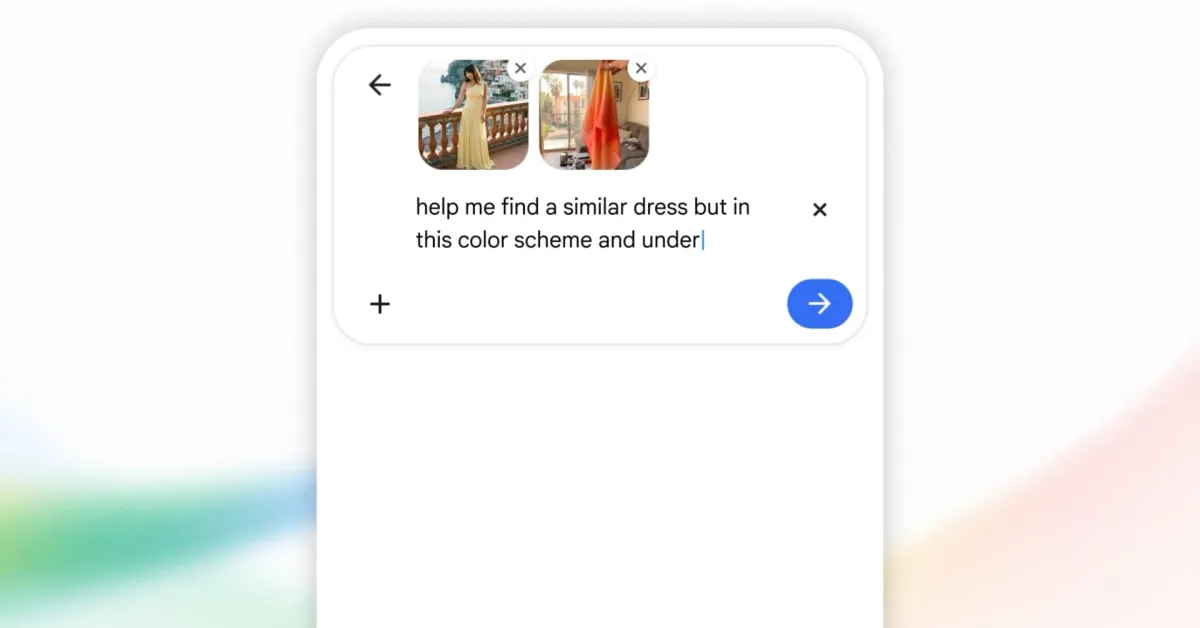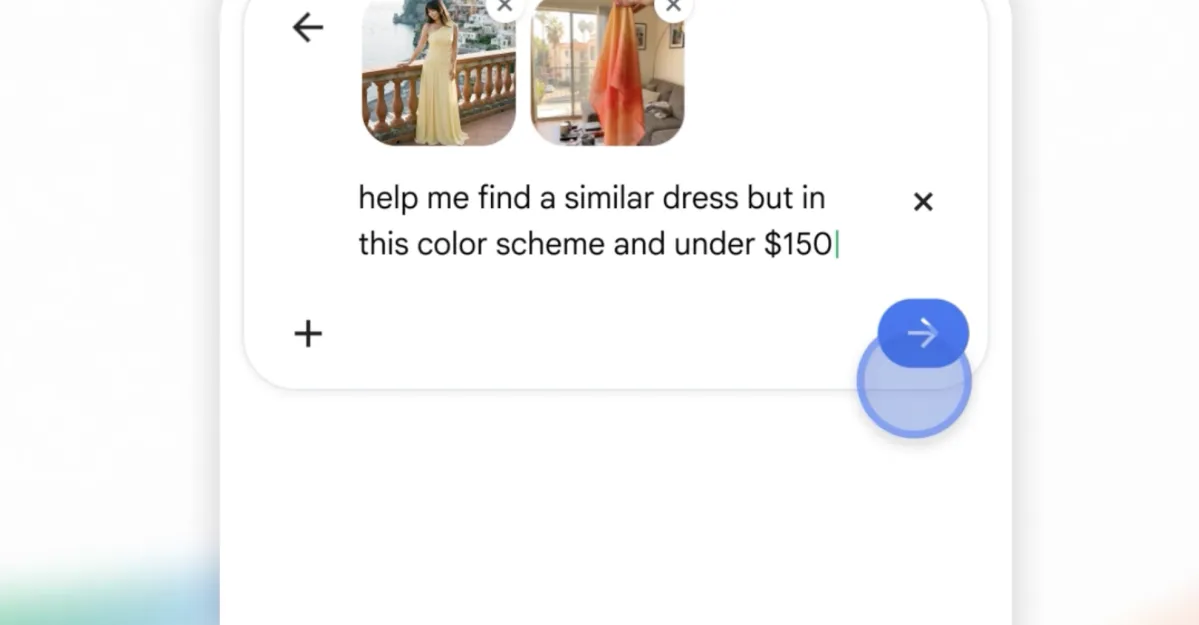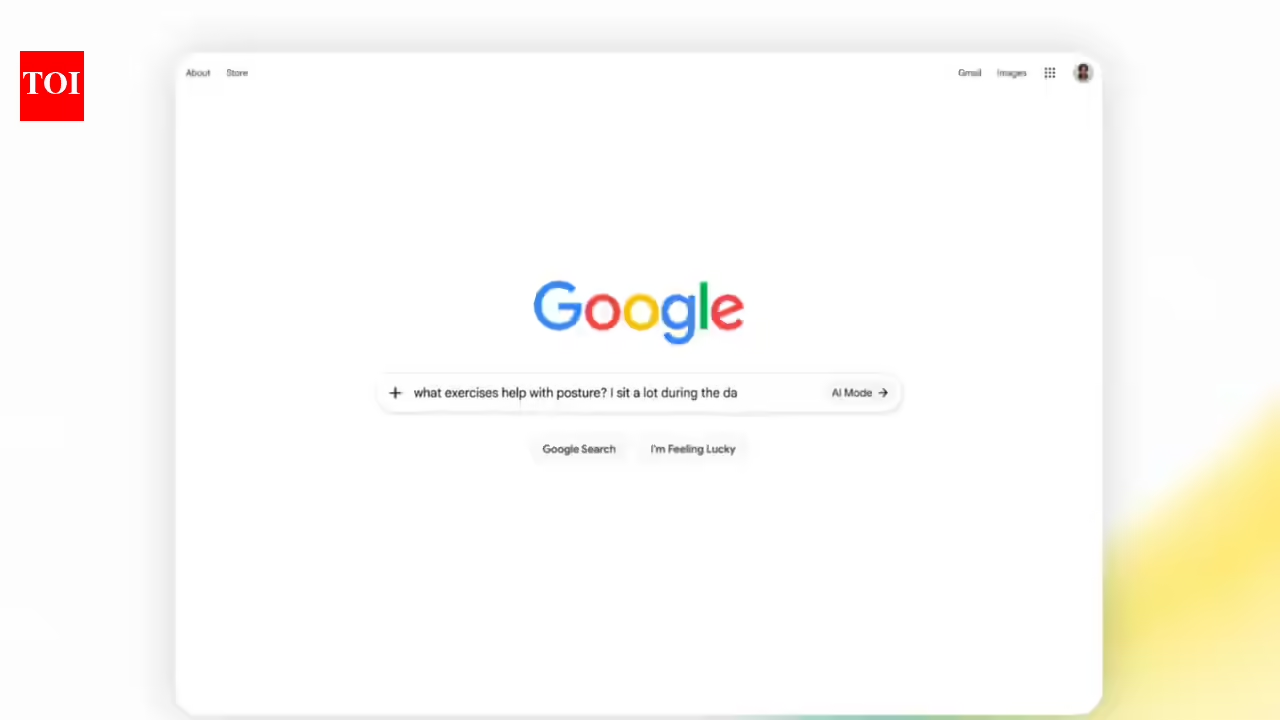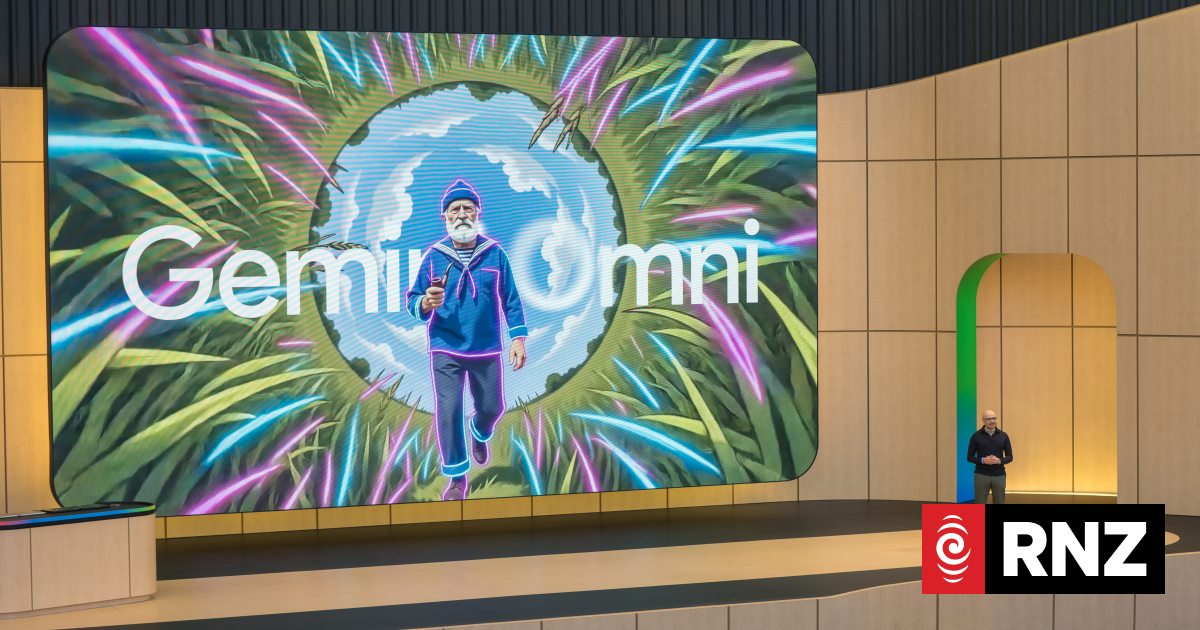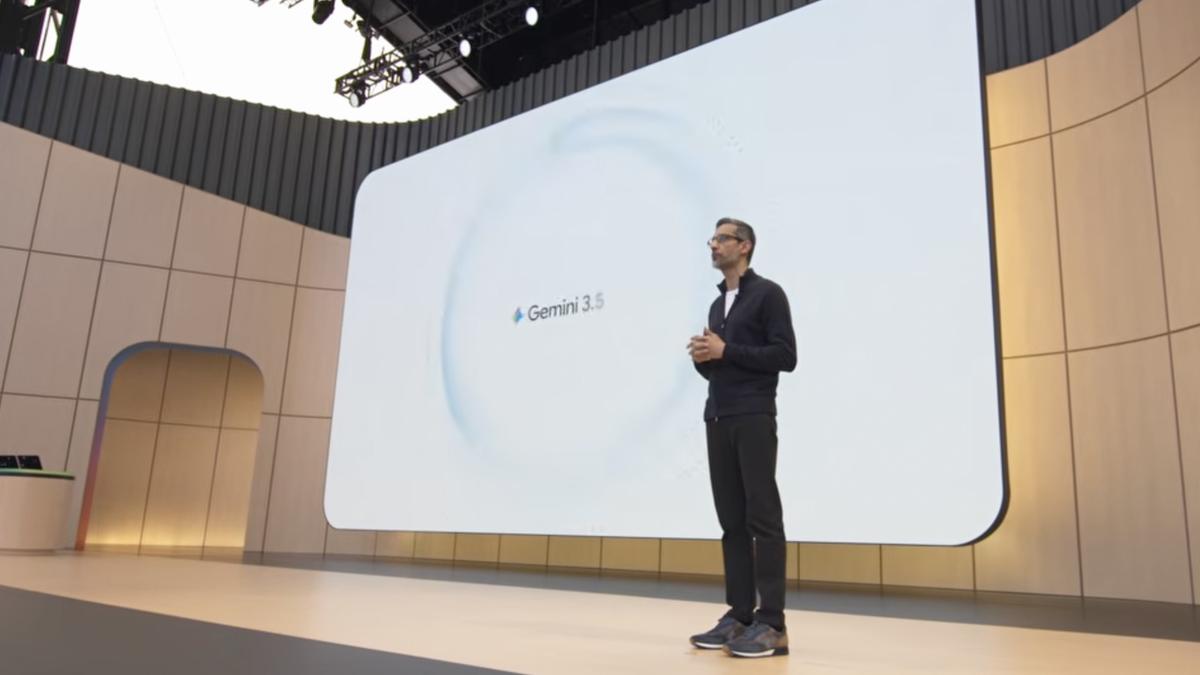
For most of the internet age, Google’s search box has remained the same. That era, Google announced on Tuesday (May 19, 2026), is over as the company is rolling out what it calls the biggest upgrade to its Search interface in over two and half decades. The new interface will get an AI-powered input box that dynamically expands as the user types. The search bar, that used to autocomplete text, will be able to accept images, files, videos, and even open Chrome browser tabs as inputs. This new interface will begin to roll out from today in all countries where Google AI Mode is currently available.The goal has always been to help people “ask anything on your mind — from quick facts to the deep, complex or hyper-specific questions that can be hard to articulate,” Elizabeth Reid, Google’s VP of Search, said in an official blog post.“AI Mode has surpassed one billion monthly users, with queries more than doubling every quarter since launch.”Google launched AI Mode roughly a year ago and the feature has already crossed a billion monthly active users, with queries more than doubling each quarter. In the most recent quarter, overall Google Search queries hit an all-time high.Information agentsAt this year’s developer conference, the search giant also unveiled what it calls “information agents” — persistent, background processes that continuously scan the web, social media, news outlets, finance data, and real-time sources on the user’s behalf, and alerts them when something relevant surfaces. This is a significant departure from Search as a reactive tool. Instead of asking a question and waiting for an answer, with the new interface, users will be able to allow agents search and then receive synthesised updates. Google said that these agents will be first made available to the Google AI Pro and Ultra subscribers in the coming months.Apart from bots that will scan the web on your behalf, the company also said its search service can now handle the full arc of organising a local experience by pulling live pricing and availability and offering direct links to complete the booking. For services like home repair, beauty, or pet care, Google said it will even phone businesses on users’ behalf. These features are set to roll out broadly across the U.S. first.Google’s infrastructure is at the core of this massive service upgrade.Token growthTwo years ago, Google’s AI systems were processing 9.7 trillion tokens per month across its products. By last year’s I/O, that had grown to 480 trillion. Today, the figure stands at over 3.2 quadrillion, a sevenfold increase in a single year. Internally, Google said it is processing more than three trillion tokens per day through its developer tools alone, and CEO Sundar Pichai, in his keynote, said that number has been doubling every few weeks.The Gemini app has also seen impressive growth from roughly 400 million monthly active users, at last year’s I/O, to over 900 million this year. More than 8.5 million developers now build with Google’s AI models monthly, and the Gemini API processes approximately 19 billion tokens per minute.Gemini 3.5 Flash is now the default model in AI Mode globally. Google has positioned it as operating in a class of its own for the combination of frontier-level intelligence and output speed as the company claims it produces responses four times faster than comparable frontier models.Feature upgradesOn YouTube, the search giant is planning to roll out ‘Ask YouTube’ feature that will let US-based YouTube Premium subscribers to orally query the platform for specific videos.Google is also adding a dose of AI to its Docs app with a ‘Live’ feature.Users can essentially “brain dump” verbally into Google Docs, Gmail, or Google Keep, and Gemini will organise and structure the content. It’s designed for the way many people actually think and arrives for Google AI subscribers this summer.With Personal Intelligence, users will also be able to search and draw contextual information from their Gmail and Google Photos apps. The company says this feature will be introduced in its calendar app and that the service will be expanded globally and across 98 languages.
At Google I/O 2026, Alphabet rewrites search playbook, unveils Gemini 3.5 Flash
The new interface will get an AI-powered input box that dynamically expands as the user types. The search bar, that used to autocomplete text, will be able to accept images, files, videos, and even open Chrome browser tabs as inputs.
680 words~3 min read