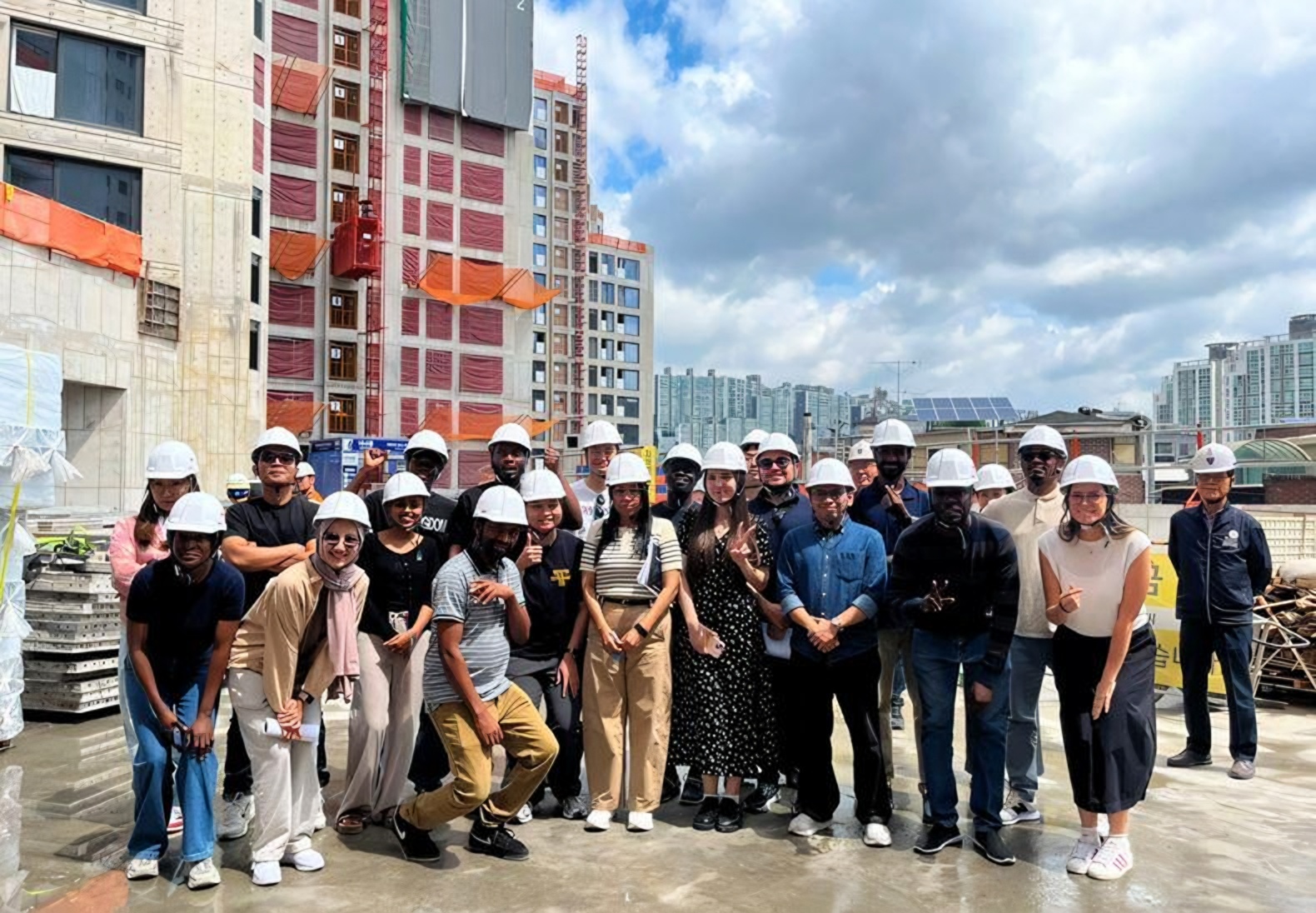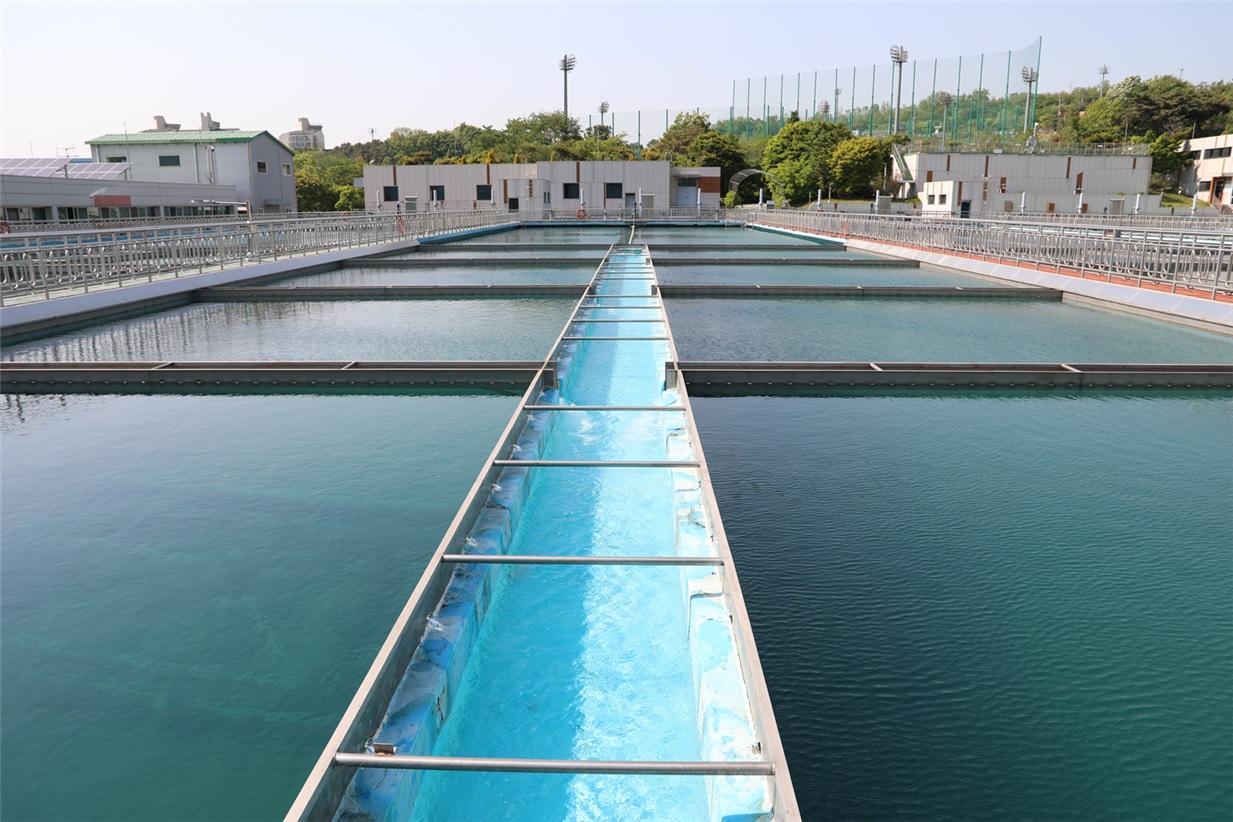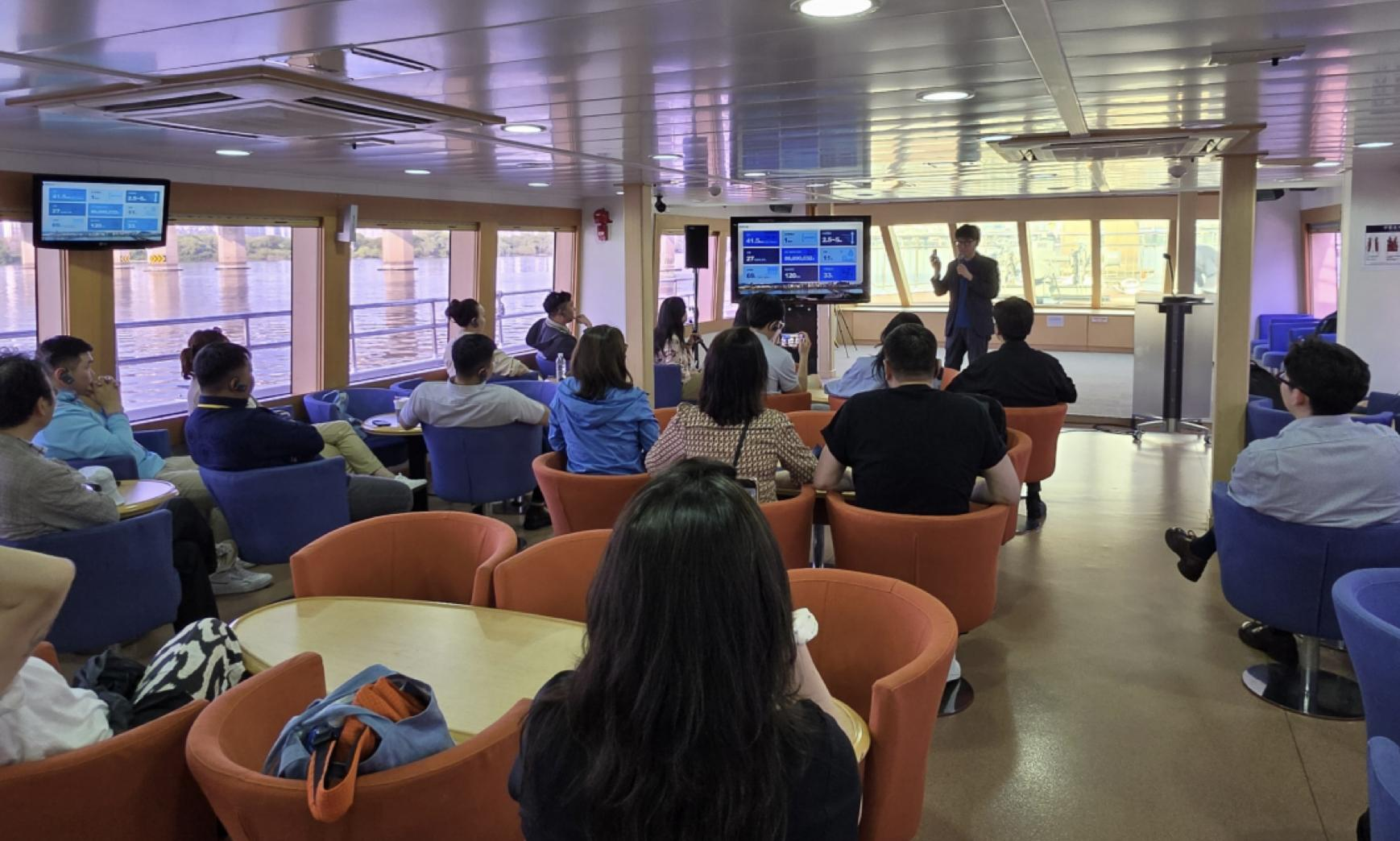
Mongolian public officials listen to a lecturer during the Seoul Metropolitan Government's urban development training program on a Hangang Bus in Seoul. Courtesy of Seoul Metropolitan GovernmentThe Seoul Metropolitan Government said it has completed an eight-day urban development training program for Mongolian public officials and experts aimed at strengthening policy cooperation with Ulaanbaatar.The program, held from May 11-18, was part of the “S-Quad Project,” a professional training initiative jointly organized by the Korea International Cooperation Agency and the Korea-Mongolia Urban Cooperation Center at Seoul National University.According to Seoul city officials, the training was designed to share Seoul’s urban planning and development experience with Mongolian policymakers facing challenges linked to rapid urbanization, including uncontrolled development, insufficient infrastructure and environmental issues.More than 20 participants joined the program, including members of the Ulaanbaatar city council, officials from the city’s construction and urban development sector and experts from Mongolian University of Science and Technology.Lecture sessions covered sustainable urban planning, Seoul’s housing policy and advanced transportation systems. Participants also visited key infrastructure sites including the Magok district, the Seonam Water Recycling Center, the Transport Operation and the Information Service traffic control center, autonomous driving facilities in Yeouido and the Seoul International Garden Show.Seoul officials said previous training sessions had already contributed to practical policy discussions in Ulaanbaatar, including landfill restoration and new sewage treatment projects.On the final day of the program, participants presented policy proposals on how Seoul’s urban policies could be applied in Mongolia.Ulaanbaatar city council member Odontuya Enkhbold said Seoul’s “people-centered, flexible and sustainable future city policies” provided significant inspiration for addressing urban issues in the Mongolian capital.This article was published with the assistance of generative AI and edited by The Korea Times.
Seoul concludes urban development training program for Mongolian officials - The Korea Times
The Seoul Metropolitan Government said it has completed an eight-day urban development training program for Mongolian public officials and experts...
280 words~1 min read