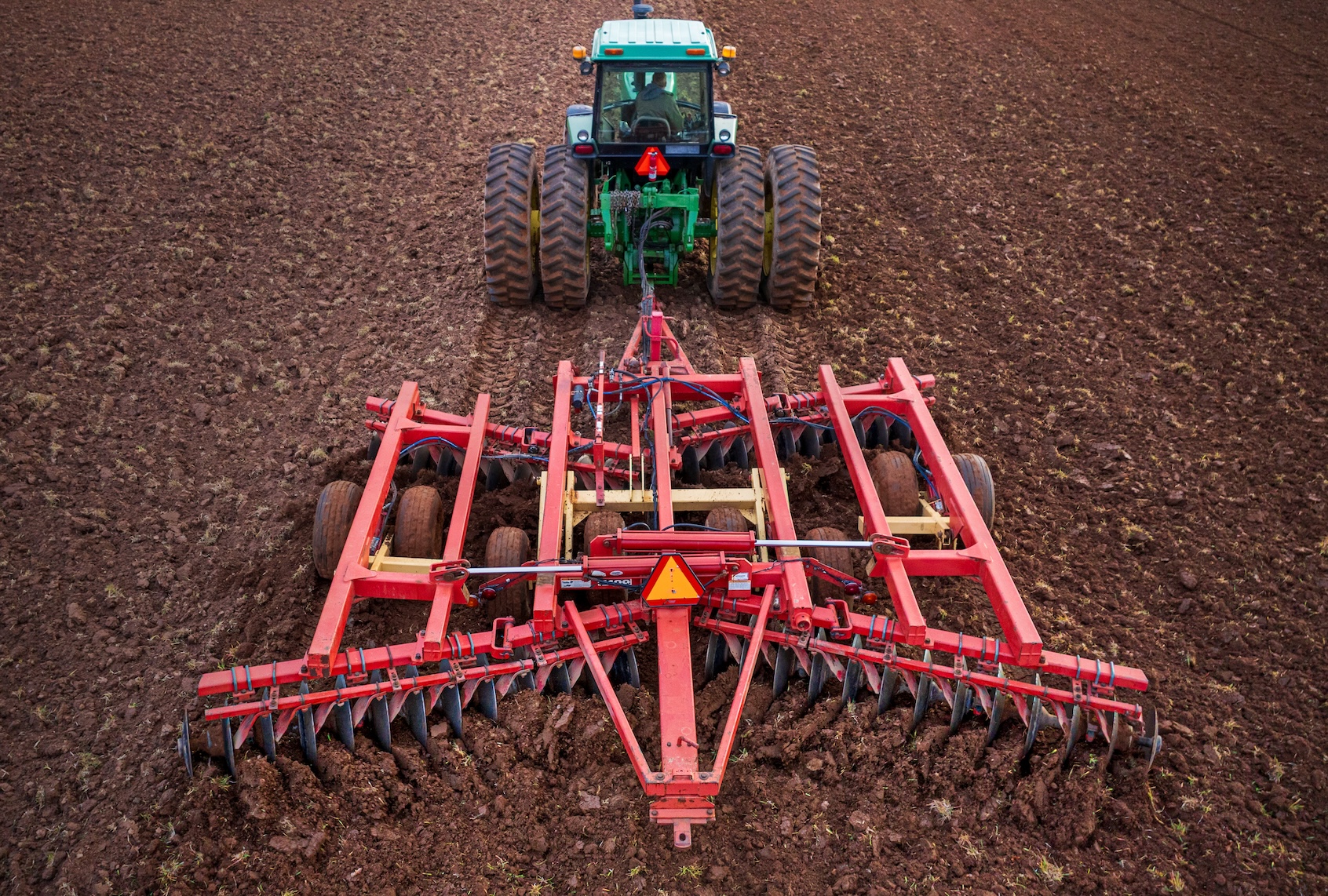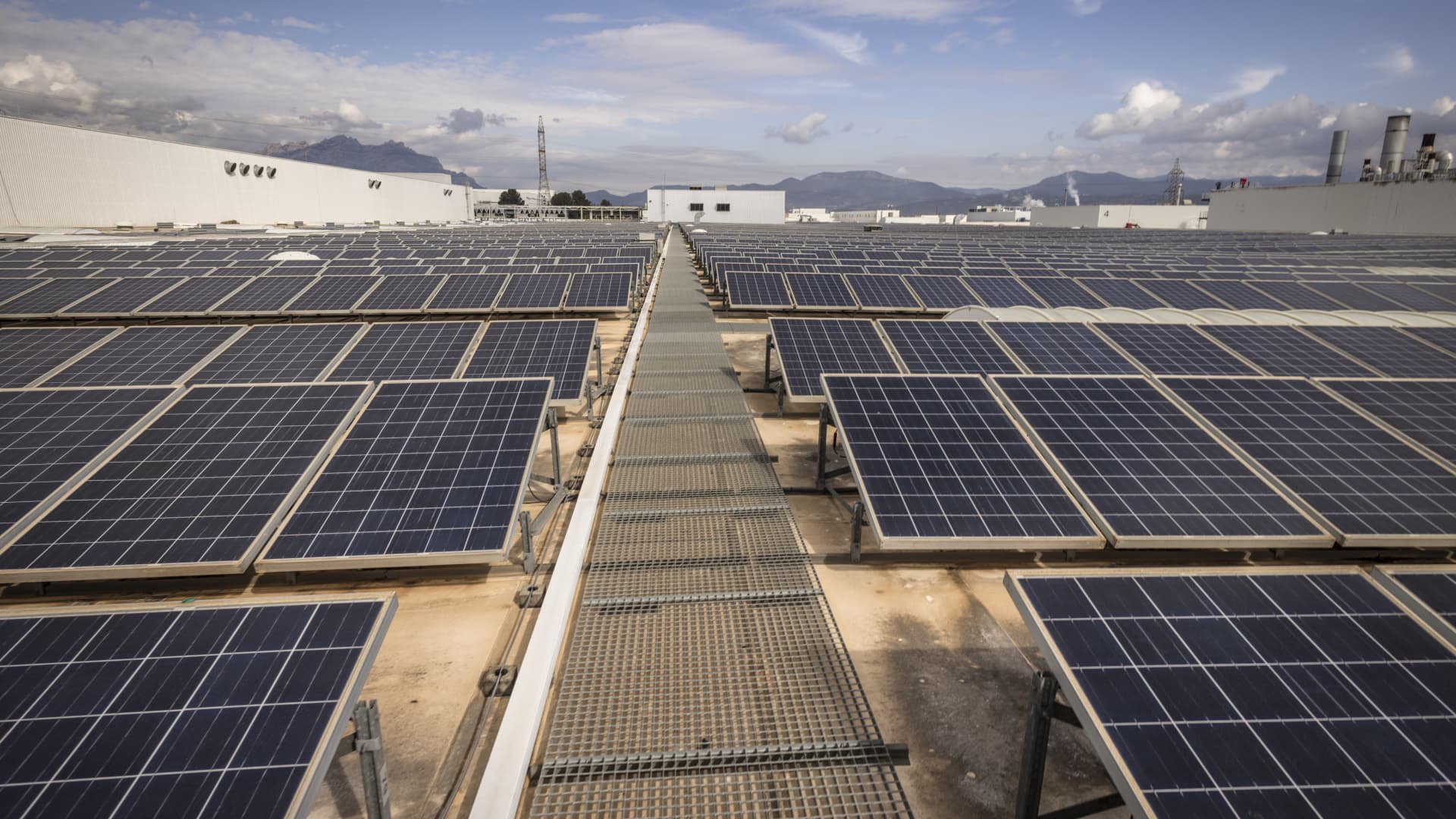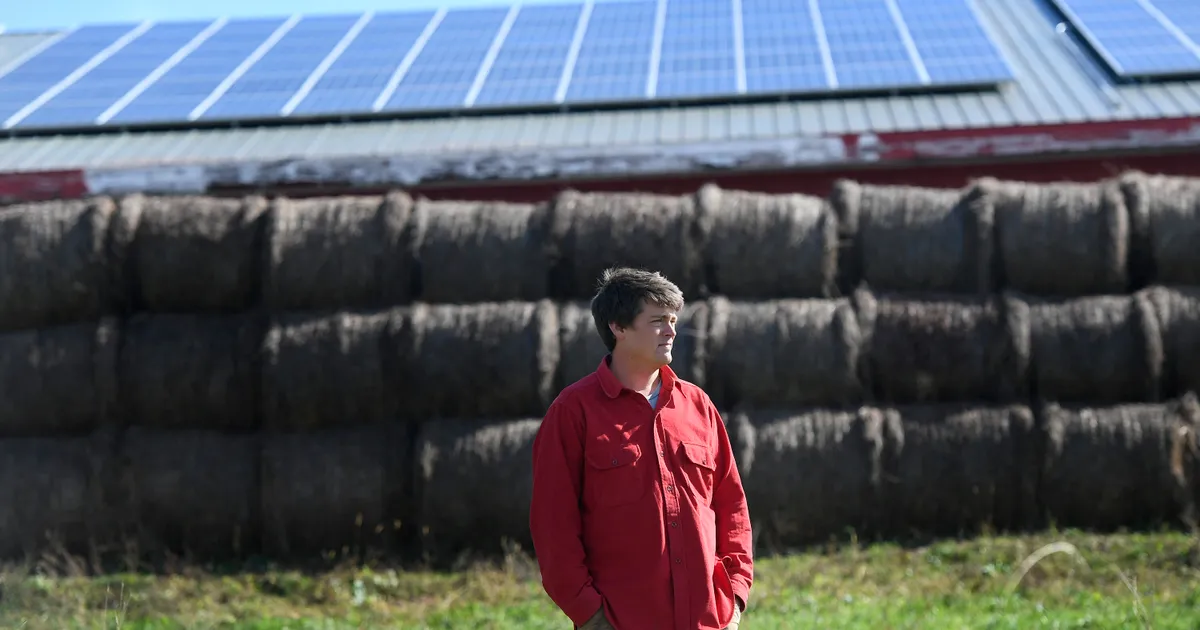
President Donald Trump has dealt blow after blow to the Rural Energy for America Program, which has helped farmers save on their energy bills by going solar for nearly two decades. Now, REAP’s proponents see a chance to undo some of the damage.
Last year, within a matter of months, the Trump administration froze almost a billion dollars’ worth of promised REAP funds, and then unfroze them; never opened an expected application period for more funding; and announced strict limits on funding solar on farmland.
Then, on March 31 of this year, it halted REAP entirely. The U.S. Department of Agriculture, which runs the program, said REAP won’t be revived until regulations are in place reflecting Trump’s July 7 executive order targeting subsidies for “unreliable, foreign-controlled energy sources.”
The moves have been painful for farmers, especially as energy prices continue to soar nationwide. But farmers and clean energy advocates see a pathway to restore and protect the popular, bipartisan initiative going forward: the latest Farm Bill.
Yearslong negotiations around a new iteration of the massive Farm Bill appear to be gaining steam, with the House of Representatives scheduled to hold a hearing on the Farm Bill on Monday and expected to potentially vote on its version this week. The Senate still also needs to pass the bill. The last Farm Bill expired in 2023, but provisions have been extended as talks have dragged on.