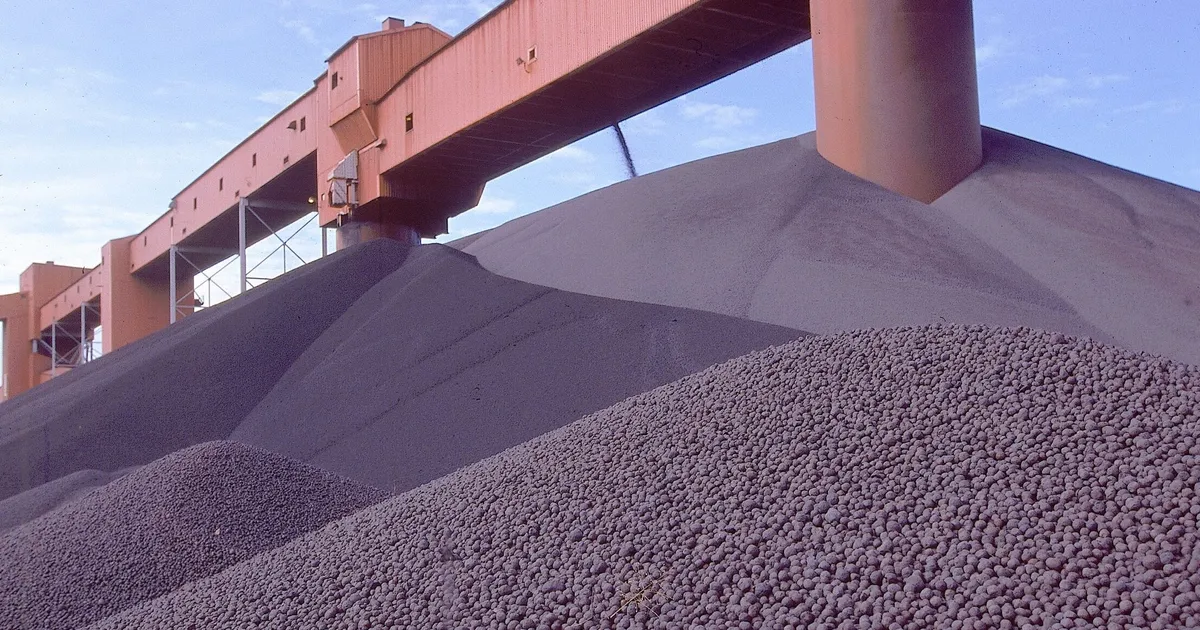
U.S. Steel says it will invest $1.9 billion to build a modern and lower-carbon ironmaking plant in Arkansas — marking a key expansion beyond the company’s coal-based steel mills.
The new “direct reduced iron” plant will sit alongside the sprawling Big River Steel Works, in the town of Osceola, where four electric arc furnaces melt down scrap metal with iron to make high-quality steel for vehicles and electrical equipment. Put together, the forthcoming ironmaking plant and the existing furnaces represent an emerging model for cleaner steelmaking.
U.S. Steel, which is owned by Japan’s Nippon Steel, announced the project on Wednesday. The parent company has committed to investing $11 billion in the U.S. by 2028 to expand its lower-emissions production as well as to extend the lives of aging blast furnaces in places like Gary, Indiana.
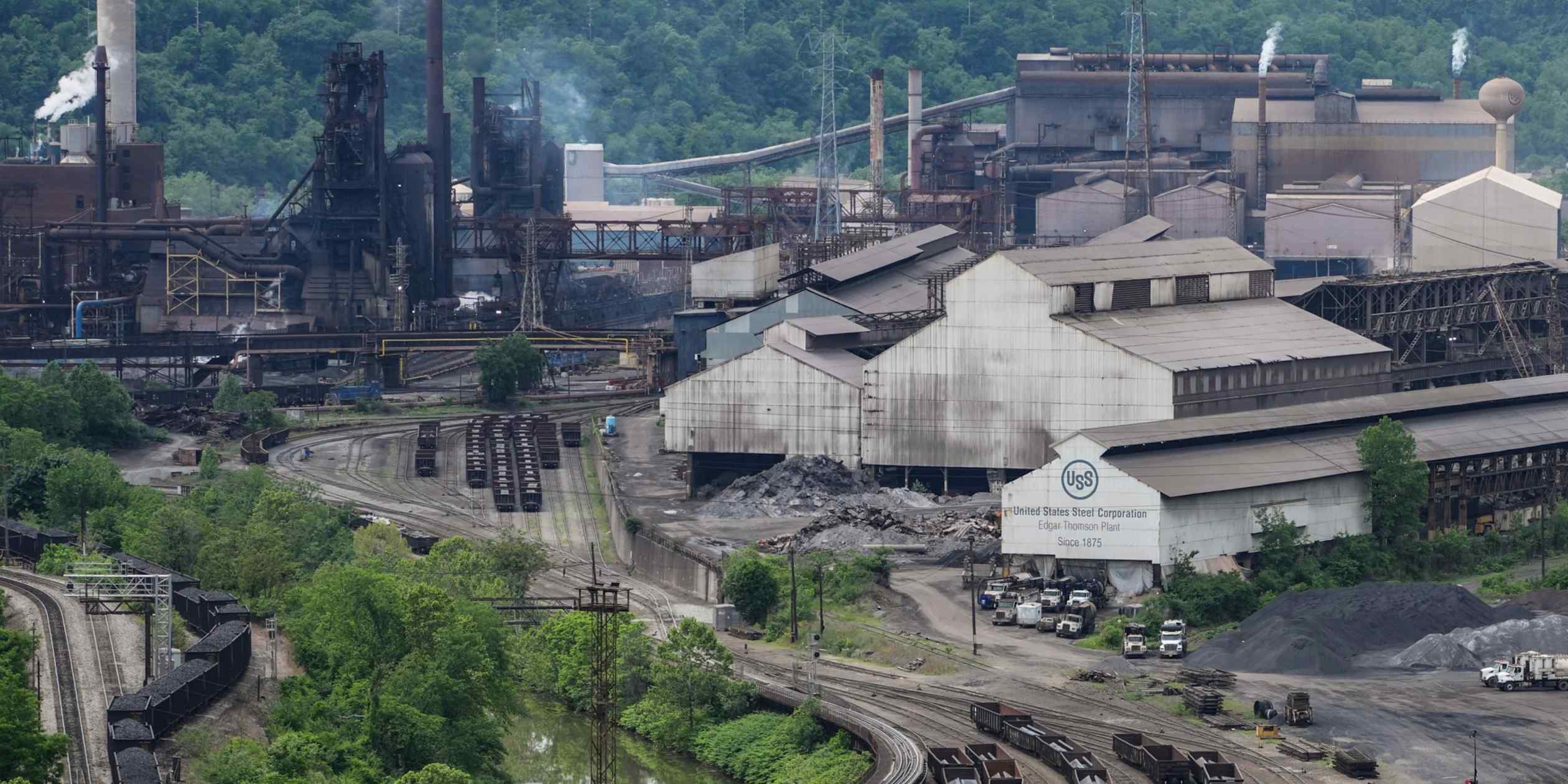
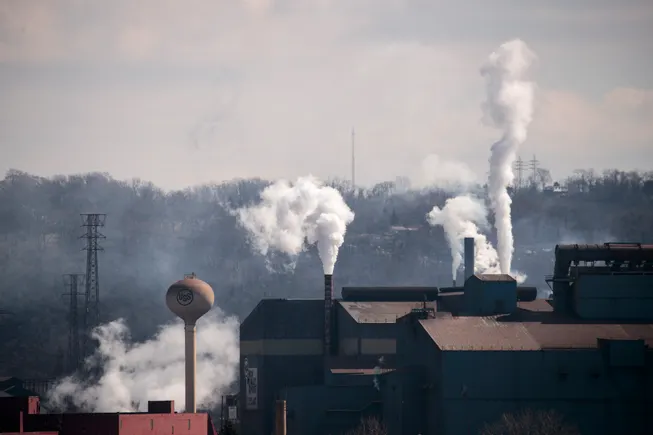
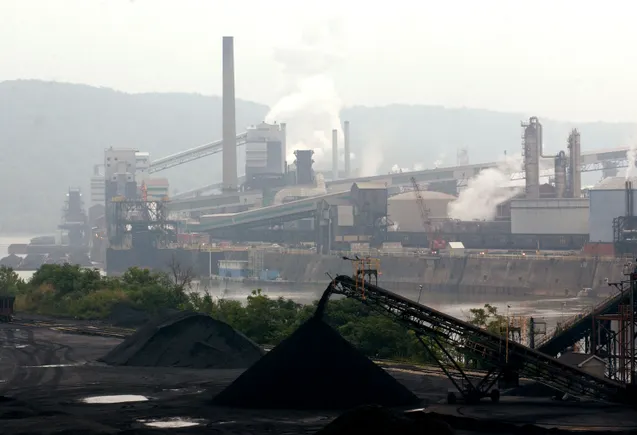
Blast furnaces use coal and extreme heat to transform raw iron ore into molten iron, and the process is responsible for most of the planet-warming emissions and toxic air pollution associated with the industry. The iron then flows into a neighboring furnace to be processed into sturdy steel.
Direct reduction plants, by contrast, primarily use natural gas to turn iron ore into lumps of iron. These facilities can emit about half the CO2 emissions of coal-based blast furnaces. A handful of efforts are underway globally to instead use green hydrogen, which is made with renewable energy, to produce nearly zero-emission iron.